
Understanding and Relighting Your Furnace Pilot Light: A Comprehensive Guide
For many homeowners relying on natural gas, oil, or propane for heating, the humble pilot light is a critical component of their furnace or boiler system. This tiny, ever-present flame is the silent guardian of your home’s warmth, ready to ignite the main burner when called upon by the thermostat. When it goes out, however, it can quickly turn a cozy home into a chilly one. Understanding what a pilot light is, why it might extinguish, and how to safely relight it is essential knowledge for anyone managing an older heating system.
To help us navigate the intricacies of pilot lights, we’ve consulted two industry experts: Joshua Smith, Operations Manager at Berkshire Heating and Cooling, and Alexander Siv, owner of Amherst Plumbing and Heating. Their combined experience provides invaluable insights into troubleshooting and maintaining these vital heating components.
What Exactly is a Pilot Light on a Furnace or Boiler?
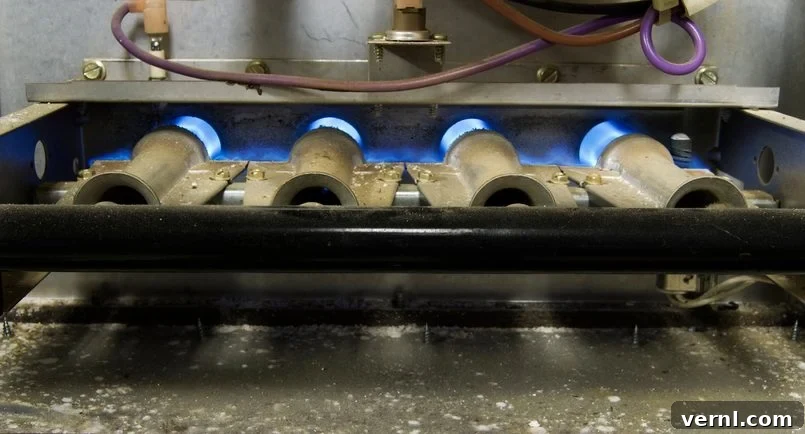
A pilot light is essentially a small, continuously burning flame located within the combustion chamber of a gas-fired furnace or boiler. Its primary function is to serve as the ignition source for the main gas burner. When your thermostat signals a need for heat, the main gas valve opens, releasing gas into the burner assembly. The pilot light then ignites this gas, initiating the heating cycle. Without a functioning pilot light, your furnace or boiler cannot generate heat, leaving your home cold.
While furnaces and boilers are common examples, other gas appliances in your home, such as stoves, ovens, and older water heaters, may also utilize pilot lights for ignition. It’s important to note that electric furnaces, by their nature, do not require a pilot light. Furthermore, heating technology has evolved significantly. As Joshua Smith points out, “Pilot lights are an older technology.” He adds, “Modern gas furnaces use a hot surface ignition source that relies on electricity.” These newer systems often feature an electronic igniter that heats up to ignite the gas only when heat is required, eliminating the need for a constant flame and potentially saving on fuel consumption. However, countless homes across the country still rely on pilot light ignition systems, making this knowledge highly relevant.
Common Reasons Your Furnace Pilot Light May Go Out
When your pilot light unexpectedly extinguishes, it can be frustrating, especially during colder months. Several factors can cause this issue, ranging from minor inconveniences to indications of a more significant problem. Understanding these causes is the first step toward diagnosis and resolution.
- Faulty Thermocouple: The Most Frequent Culprit
“This is the most common cause of the problem,” states Joshua Smith. A thermocouple is a crucial safety device, a temperature-sensing rod positioned directly in the pilot flame. Its role is to generate a small electrical current when heated by the pilot light, which in turn keeps the main gas valve open. If the pilot flame goes out, or if the thermocouple itself becomes faulty (worn, bent, or covered in soot), it stops producing this current. The gas valve then safely closes, preventing unignited gas from flowing into your home. A thermocouple can simply wear out over time due to constant exposure to heat, or it might become dirty, impeding its ability to sense the flame effectively. - Broken Gas Valve: A Less Common but Serious Issue
According to Alexander Siv, “Sometimes the gas valve itself fails and stops releasing gas, which can also cause your pilot to go out.” Joshua Smith corroborates this, citing it as the second most common reason. The gas valve is a mechanical component responsible for regulating the flow of gas to both the pilot light and the main burner. If this valve malfunctions, it may intermittently or completely fail to supply gas to the pilot, causing it to extinguish. A failing gas valve often requires professional replacement. - Drafts and Environmental Factors: Wind, Dust, or Debris
While less common, external factors can sometimes interfere with the delicate pilot flame. “If there’s a crazy storm with high winds, it can blow out the pilot,” Smith explains, though he notes, “But it’s unusual.” Strong drafts from open windows, doors, or even loose ductwork near the furnace can cause the flame to flicker and go out. More commonly, small particles of dust, dirt, or rust from within the furnace can accumulate around the pilot orifice, restricting gas flow and making the flame unstable or causing it to extinguish. - Clogged Pilot Orifice: Restricted Gas Flow
The pilot orifice is a tiny opening that delivers gas to the pilot light. Over time, this small aperture can become clogged with rust, dirt, or carbon deposits. A partially clogged orifice will restrict the flow of gas, resulting in a weak, yellow, or flickering pilot flame that is easily extinguished, or it may prevent the flame from lighting at all. Cleaning this orifice is a delicate task often best left to a professional. - Low Gas Pressure: An External Supply Issue
In some instances, the issue might not be with the furnace itself, but with the gas supply to your home. Low gas pressure, possibly due to issues with the utility provider’s lines, a partially closed main gas valve, or even a heavy demand on the gas system during peak times, can result in insufficient gas flow to maintain a stable pilot flame. If other gas appliances in your home are also experiencing issues, low gas pressure could be the culprit.
How Can I Determine If My Furnace Pilot Light Is Out?
Detecting an extinguished pilot light is often straightforward, although it does require a visual inspection and an understanding of your furnace’s behavior. The most obvious indicator is a lack of heat in your home despite the thermostat being set to a high temperature. “You’ll have no heat because the pilot’s not there to ignite the burner,” Joshua Smith emphasizes.
To visually confirm, you’ll need to locate the pilot light itself. Always consult your furnace’s owner’s manual first, as exact locations can vary between models and manufacturers. Most pilot lights are situated near the bottom of the furnace, typically behind a removable access panel or cover. Before proceeding, ensure the area is well-ventilated and that you are not smelling a strong odor of gas, which could indicate a leak and requires immediate professional attention.
Carefully remove the access panel. Look for a small, steady, blue flame. A healthy pilot light should be consistently blue, indicating proper combustion. If you see no visible flame, or if the flame is weak, yellow, or flickering inconsistently, then your pilot light is out or malfunctioning. If you detect any strong gas odor, immediately evacuate the premises and contact your gas utility company or emergency services.
Does Gas Continue to Flow When the Furnace Pilot Light Goes Out?
This is a critical safety question, and the answer is reassuring: No, gas typically does not continue to flow when the furnace pilot light goes out. This is thanks to the thermocouple, the safety device we discussed earlier. As soon as the pilot flame extinguishes, the thermocouple cools down. When it cools, it stops generating the tiny electrical current that keeps the gas valve open. The gas valve, in turn, automatically snaps shut, cutting off the gas supply to both the pilot and the main burner. This ingenious safety mechanism prevents dangerous accumulations of unburned natural gas or propane in your home, significantly reducing the risk of fire or explosion. It’s a testament to the safety engineering built into these heating systems.
Can I Safely Relight the Pilot Light Myself?
The ability to relight a pilot light depends on both your comfort level and the underlying cause of its extinguishment. Alexander Siv notes, “Anyone can relight a pilot, but the reason your pilot light went out in the first place will determine if it’s able to be relit.”
If the pilot light went out due to a temporary draft or a minor, easily resolved issue, you might be able to relight it successfully. However, if the underlying problem is a faulty thermocouple, a broken gas valve, or a clogged pilot orifice, simply relighting it will likely be a temporary fix, or impossible altogether. These mechanical issues require professional diagnosis and repair before the pilot light can remain consistently lit.
Crucially, if you are uncomfortable at any point, lack confidence in your abilities, or suspect a more serious issue (such as a gas leak), it is always best to call a qualified HVAC professional. They have the expertise and specialized tools to safely diagnose and resolve the problem. Furthermore, always make sure to consult your furnace’s owner’s manual for specific instructions unique to your model, as procedures can vary.
Step-by-Step Guide: How to Safely Relight the Pilot Light on a Furnace
If you’ve identified that your pilot light is out due to a minor, easily fixable issue and you feel confident in your skills, you can attempt to relight it. However, safety is paramount. Follow these instructions carefully, and remember to always refer to your furnace’s specific owner’s manual for precise guidance. If at any point you smell gas strongly or feel unsafe, stop immediately, ventilate the area, and call a professional.
- Turn Off the Thermostat: Begin by setting your thermostat to its lowest setting or turning it completely off. This prevents the main burner from attempting to ignite while you are working on the pilot light.
- Turn Off Power to the Furnace: Locate the circuit breaker panel for your home. Find the breaker labeled for your furnace or heating system and flip it to the “off” position. This cuts electrical power to the unit, adding an extra layer of safety.
- Wait for Gas to Dissipate (Crucial Safety Step): It’s absolutely critical to wait a minimum of 10 minutes, and ideally 15 minutes, before proceeding. This allows any residual gas in the pilot line or combustion chamber to safely dissipate, preventing a dangerous flare-up when you introduce a flame.
- Remove Access Panels: Carefully remove any control panels or access covers from the side or front of your furnace. These are often held by clips or screws and may simply lift off. Your owner’s manual will show you the exact location of these panels and how to remove them.
- Locate the Pilot Light Control Knob: Inside the furnace, typically near the main gas valve, you’ll find a control knob. This knob usually has three settings clearly marked: ‘On,’ ‘Pilot,’ and ‘Off.’ Familiarize yourself with its position and function.
- Identify the Pilot Flame Deflector/Orifice: From the control knob, follow the thin metal gas line (often called the pilot tube) to its end. This is where the pilot flame should emerge. It’s usually a small, L-shaped or curved metal tube known as the flame deflector or pilot burner assembly. This is where you will hold your lighting device.
- Turn the Control Knob to ‘Pilot’: Gently turn the control knob to the ‘Pilot’ setting. This position allows a small amount of gas to flow specifically to the pilot light assembly.
- Press and Hold the Starter Button: Near the control knob, you’ll typically find a small starter button (sometimes labeled “Reset” or “Ignite”). Press and hold this button firmly. This action opens the pilot gas valve, allowing gas to flow to the pilot orifice.
- Light the Pilot Flame: With the starter button held down, use a long-stemmed lighter, a barbecue lighter, or a 12-inch match to introduce a flame to the open end of the flame deflector. Hold the flame steadily until you see the pilot light ignite. It should be a steady, blue flame.
- Maintain Pressure for Thermocouple Engagement: Continue to hold down the starter button for approximately 30 to 60 seconds after the pilot light ignites. “This allows time for the thermocouple to engage and keep the gas valve open,” explains Alexander Siv. This period is crucial for the thermocouple to heat up sufficiently and generate the electrical current needed to maintain the gas valve in its open position once you release the button.
- Release the Starter Button: Slowly release the starter button. The pilot flame should remain lit on its own. If it extinguishes, repeat steps 7-11, ensuring you hold the button down for the full duration.
- Turn the Control Knob to ‘On’: Once the pilot light is steadily burning, turn the control knob from ‘Pilot’ to ‘On.’ This opens the main gas valve, allowing gas to flow to the main burners when the thermostat calls for heat.
- Monitor the Flame: Keep an eye on the pilot flame for a few minutes to ensure it remains lit and stable. Reinstall any access panels securely.
- Restore Power and Thermostat: Return to your circuit breaker panel and flip the furnace breaker back to the ‘on’ position. Then, set your thermostat to your desired temperature. The main burner should now ignite, and your furnace should begin producing heat.
If the pilot flame doesn’t stay lit after you release the starter button, or if you find yourself needing to relight it frequently, Siv advises that “this indicates a mechanical problem with the thermocouple or gas valve. It’s best to call in a pro at that point.” Repeated attempts to relight a malfunctioning pilot light can be futile and potentially unsafe.
Furnace Maintenance and Common Repairs for Optimal Performance
Beyond understanding the pilot light, regular maintenance and being aware of common issues are key to ensuring your furnace runs efficiently and reliably throughout the heating season. Proactive care can prevent costly breakdowns and extend the lifespan of your heating system.
- Recognizing Signs Your Furnace Needs Repair
- Simple Fixes If Your Furnace Is Not Working
- Understanding What Is Included in a Furnace Tune-Up
- How DIY Furnace Maintenance Can Save You on Repair Bills
- Common Furnace Smells and What to Do About Them
- Diagnosing Why Your Furnace May Be Leaking Water
- Troubleshooting Why Your Furnace is Blowing Cold Air
- Simple Tricks to Boost Your Furnace Output and Efficiency
- Understanding Why the Furnace Drain Trap Might Be Full of Water
- Tips on How to Clean a Furnace Ignitor
Regular professional inspections, typically once a year before the heating season begins, can help identify potential issues like a failing thermocouple or a dirty pilot orifice before they lead to a complete breakdown. Investing in preventative maintenance is often more cost-effective than emergency repairs.
About Our Esteemed Experts
We extend our gratitude to our expert contributors for sharing their valuable knowledge and experience:
- Alexander Siv is the dedicated owner of Amherst Plumbing and Heating, proudly serving Amherst, Massachusetts, and surrounding areas. With over a decade of plumbing experience and holding a master plumber’s license in Massachusetts, Alexander brings a wealth of practical expertise to every heating and plumbing challenge.
- Joshua Smith serves as the Operations Manager at Berkshire Heating and Air Conditioning, located in West Springfield, Massachusetts. Boasting more than 20 years in the HVAC industry, Joshua is a licensed professional in Massachusetts, holding both oil burner and refrigeration licenses, making him an authority in comprehensive heating and cooling solutions.