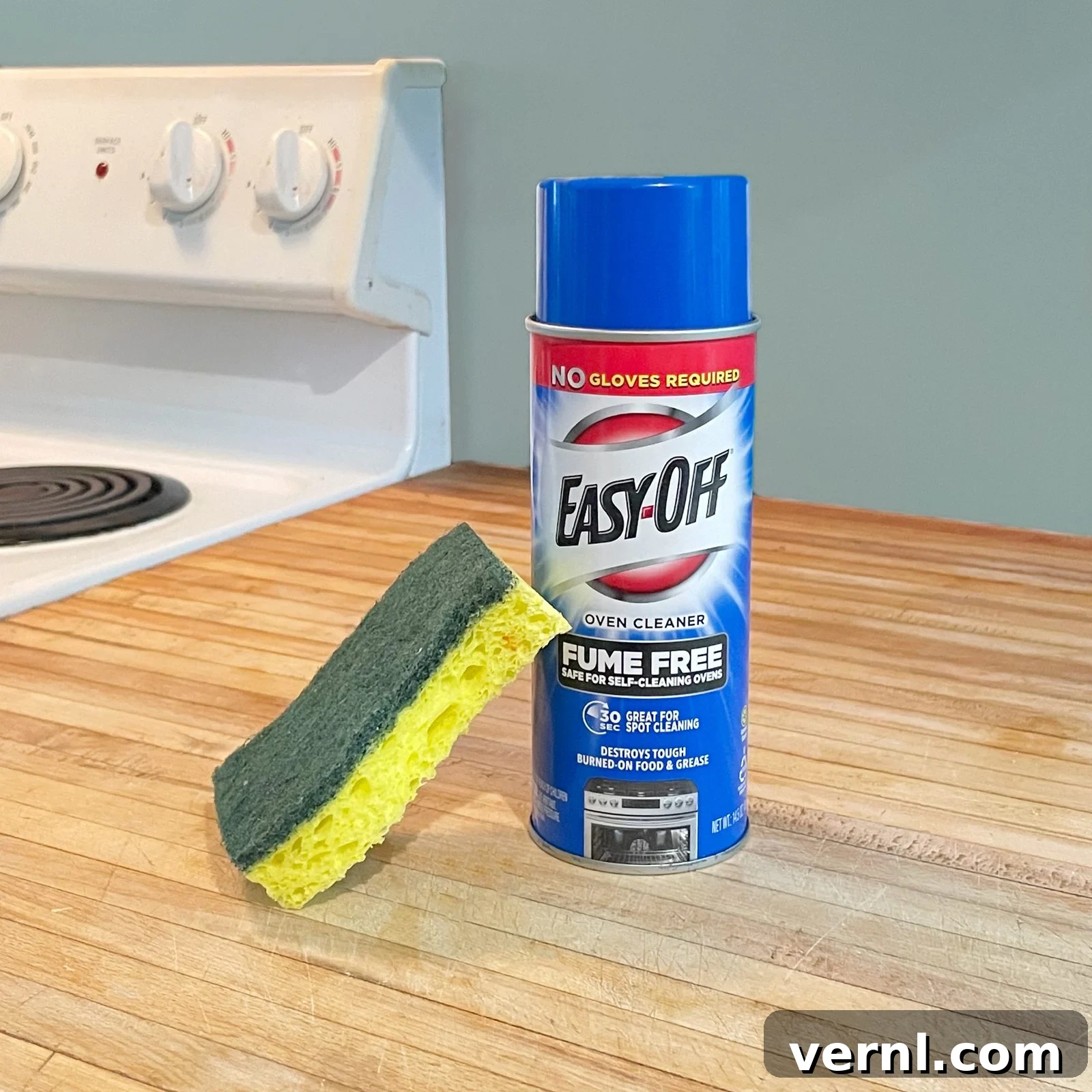
The Hidden Dangers: Why Oven Cleaner Should Never Touch Your Kitchen Countertops
In the quest for a spotless kitchen, it’s tempting to reach for the most powerful cleaning product available. For many, that means a can of heavy-duty oven cleaner, a product renowned for dissolving baked-on grease and grime within the confines of an oven. Yet, despite its effectiveness on oven interiors, the thought of using such a potent chemical on the very surfaces where food is prepared raises serious concerns.
You might be facing stubborn stains from a previous tenant, a forgotten spill that has hardened, or even an accidental dye mishap, leading you to consider unconventional cleaning solutions. However, the convenience and raw power of oven cleaner come with significant risks when applied to kitchen countertops. This article will delve into why this common household cleaner is entirely unsuitable for your counters, the irreversible damage it can inflict on various materials, and, most importantly, safer, more effective alternatives. We’ll also hear insights from cleaning expert Dan Deonarain, owner of Galaxy Maids, a leading residential and commercial cleaning company in New York City and Boston, to guide us through these critical considerations.
Understanding the Risk: Why Oven Cleaner is a Countertop Catastrophe
“It is definitely not a good idea to use an oven cleaner on countertops,” warns Dan Deonarain, emphasizing a crucial safety guideline. The primary culprit behind this stern warning is a highly corrosive chemical known as sodium hydroxide, more commonly called lye or caustic soda. This substance, with a staggering pH level of 14, sits at the extreme end of the alkaline scale, making it a powerful base. For context, strong acids would be at pH 1, and neutral water is at pH 7. A pH of 14 signifies an incredibly reactive and destructive compound.
Lye’s formidable power lies in its ability to dissolve organic material, which is precisely why it’s so effective against tough, baked-on food residues and grease inside an oven. Its chemical properties allow it to break down proteins, fats, and carbohydrates, essentially converting solid organic matter into a soluble, often soap-like substance. This same aggressive action, however, poses an existential threat to the delicate surfaces and sealants of your kitchen countertops.
Unlike the coated metal surfaces of an oven or a barbecue grill, which are designed to withstand extreme heat and harsh chemicals, kitchen countertops are crafted from a diverse range of materials, each with unique vulnerabilities. As Deonarain points out, “Your countertops will never see that level of stains” that an oven cleaner is formulated to tackle. The typical grime on a countertop—spilled food, light grease, daily dirt—requires a gentler, yet still effective, approach.
Beyond material damage, the health risks associated with oven cleaners are profound. The National Capital Poison Center strongly advises extreme caution when handling these products. Direct contact with sodium hydroxide can cause severe chemical burns to the skin, eyes, and mucous membranes. Inhaling the fumes can irritate and burn the respiratory tract, while accidental ingestion can lead to devastating damage to the esophagus and digestive system. The idea of using such a hazardous substance on a surface where food is prepared and consumed introduces unacceptable risks of cross-contamination and exposure, making it an entirely inefficient and dangerous method for countertop cleaning.
The Chemical Battlefield: How Countertop Materials React to Harsh Cleaners
If the potential health hazards aren’t deterrent enough, consider the irreversible damage that oven cleaner can inflict upon the very surfaces you’re trying to clean. Different countertop materials respond uniquely and often catastrophically to the aggressive nature of lye. Here’s what you can expect:
Composites (Quartz, Engineered Stone)
Quartz countertops, along with other engineered stone composites, are celebrated for their durability and low maintenance. However, they are not impervious to harsh chemicals. According to the Natural Stone Institute, these materials are typically composed of 90-93% natural quartz minerals bound together by seven to ten percent polymer resins, pigments, and other binders. Oven cleaners’ strong alkaline agents specifically target and degrade these crucial resin binders. When these resins are compromised, the once-impermeable surface becomes exposed and porous. This not only dramatically increases the likelihood of permanent staining but also leads to etching, dull spots, and a weakened structure, potentially voiding manufacturer warranties and accelerating the countertop’s overall degradation. The protective, non-porous finish is literally eaten away, leaving your beautiful quartz vulnerable.
Marble
Marble is a luxurious natural stone, prized for its unique veining and elegance, but it is notoriously delicate. While marble’s main vulnerability is acidic substances that cause etching, strong bases like oven cleaner are equally detrimental. The primary concern here is the protective sealant that is often applied to porous marble countertops to resist staining and moisture penetration. Oven cleaner will rapidly attack and strip away this sealant, leaving the underlying stone unprotected. Without its sealant, marble becomes highly susceptible to discoloration, dullness, and etching from everyday spills, losing its polished appearance and becoming uneven over time. The lye can also chemically alter the surface of the stone itself, leading to permanent damage.
Granite
Granite, a robust igneous rock, is naturally stain-resistant, as noted by the Natural Stone Institute. However, like marble, most granite countertops receive an additional sealant treatment for enhanced protection against oil and water penetration. The potent chemicals in oven cleaner will aggressively break down this vital sealant layer. Once the sealant is compromised, the granite’s pores are exposed, making it much more vulnerable to absorbing liquids, oils, and pigments, which can lead to unsightly and often irreversible discoloration. The original luster and protective qualities of your granite will be severely diminished, requiring professional resealing or repair.
Solid-Surface (Corian, Avonite)
Solid-surface countertops, such as Corian and Avonite, are known for their seamless appearance, stain resistance, and repairability. They are typically made from acrylic polymers and natural minerals. Despite their resilience, these materials are not designed to withstand highly caustic chemicals. Manufacturers like DuPont explicitly warn against using oven cleaners on Corian surfaces in their user manuals, with similar instructions provided for Avonite. Exposure to oven cleaner can cause permanent discoloration, surface softening, and even warping or blistering of the material. The chemicals can penetrate the polymer matrix, leading to irreparable damage that compromises both the aesthetic and structural integrity of the countertop.
Plastic Laminate (Formica)
Plastic laminates, like Formica, offer a durable and cost-effective countertop solution. They consist of multiple layers: a decorative paper layer, a protective clear top layer, and a core made of particleboard or MDF, all bonded together. Oven cleaner is disastrous for laminate surfaces. Its harsh chemicals will quickly dull the finish, cause permanent scratches by breaking down the protective top coat, and can even eat away at the surface material itself. Formica’s cleaning guidelines explicitly caution against oven cleaner use due to the high risk of permanent damage, including delamination, bubbling, and irreparable etching that makes the surface vulnerable to moisture and further wear.
Wood (Butcher Block)
Wood countertops, including popular butcher block designs, offer warmth and a natural aesthetic. However, they are extremely susceptible to damage from oven cleaner. First, any protective coating—whether it’s an oil finish, lacquer, or polyurethane—will be rapidly stripped away by the lye. Once this protective barrier is gone, the oven cleaner will begin to attack the wood fibers directly. This leads to severe discoloration, drying, cracking, and a rough, damaged texture. The wood becomes highly porous, making it vulnerable to moisture absorption, warping, and bacterial growth. The trendy use of oven cleaner to strip wood furniture should serve as a stark warning: it will do the same brutal job on your wood countertops, leaving them deeply damaged and potentially unusable.
Soapstone and Slate
Historically, materials like soapstone and slate were chosen for laboratory benchtops due to their inherent toughness, heat resistance, and chemical impermeability. These dense, non-porous stones are indeed more resilient to a wider range of chemicals than most other countertop materials. While you might *theoretically* get away with a brief application of oven cleaner without immediate, catastrophic damage, it’s still an unnecessary risk. Even on these robust surfaces, prolonged exposure could lead to dulling of the natural finish or leave behind a residue that alters their appearance. Given the availability of safer alternatives, there is simply no compelling reason to take a chance with such a powerful and potentially harmful chemical for routine countertop cleaning.
Beyond the Cleaner: Safe & Effective Alternatives for Kitchen Surfaces
Having established the clear dangers of oven cleaner, let’s turn our attention to the simple, safe, and highly effective methods for keeping your kitchen countertops pristine. As Dan Deonarain advises, your primary tool for cleaning kitchen countertops should be nothing more complex than dish soap and warm water.
Dishwashing liquid is a powerful degreaser, designed to break down fats and oils without being abrasive or corrosive. It is gentle enough for daily use on a vast majority of countertop materials, including natural stone (like granite and marble, with careful rinsing), laminates, solid-surface materials, and even properly sealed wood. Its non-toxic nature, affordability, and widespread availability make it the ideal go-to cleaner for everyday spills and light grime.
Here are some additional tips for safe and effective countertop cleaning:
- Daily Maintenance: For routine cleaning, mix a few drops of mild dish soap with warm water in a spray bottle. Spray the surface, wipe with a soft microfiber cloth or sponge, and then rinse thoroughly with a clean, damp cloth to remove any soap residue. Finally, dry the surface completely with another clean, dry microfiber cloth to prevent water spots and streaks.
- Immediate Spill Cleanup: The golden rule for countertop longevity is to wipe up spills immediately. Even seemingly innocuous liquids can stain or etch certain materials if left for too long. A simple wipe with a damp cloth is often all that’s needed.
- Tackling Tougher Stains (Safely): For more stubborn, yet safe-to-clean, stains, a bit of “elbow grease” combined with dish soap often does the trick. For surfaces like solid-surface or laminate, a paste of baking soda and water can act as a gentle abrasive. However, always test in an inconspicuous area first, especially on darker colors or textured finishes, and avoid abrasive scrubbers that can scratch surfaces.
- Beware of Acids on Natural Stone: Reiterate the warning: avoid acidic cleaners, even mild ones like vinegar or lemon juice, on any natural stone surfaces (marble, granite, limestone, travertine). Acids will etch and dull these materials, causing irreparable damage.
- Wood Countertop Care: For butcher blocks and other wood surfaces, keeping them clean and sanitized requires specific care, often involving food-safe mineral oil or specialized wood cleaners to maintain their integrity and hygiene.
Pro Tip: When in doubt about which cleaner to use, always consult the manufacturer’s care instructions for your specific countertop material. These guidelines are designed to help you maintain your countertops’ beauty and longevity without causing accidental damage or voiding warranties.
When Things Go Wrong: Fixing Damage Caused by Oven Cleaner on Countertops
Accidents happen, and sometimes, despite best intentions, harsh chemicals like oven cleaner might inadvertently come into contact with your countertops. Nothing can be quite as devastating to surfaces like laminate, natural stone, or sealed wood as oven cleaner. The damage can manifest in various ways: discoloration, dull spots, etching, blistering, softening of the material, or even pitting.
If you notice any of these signs of damage, immediate action is crucial:
- Initial Clean-up: Gently wipe the affected area immediately with a damp cloth to clear away any remaining chemical residue. Do not scrub harshly, as this could spread the chemical or further embed it into the surface.
- Neutralize Minor Damage: For minor discoloration or light etching, especially on resilient surfaces, you might try creating a paste of baking soda and water. Baking soda is a mild alkali, which can help to neutralize any remaining acidic or highly alkaline chemicals on the surface. Apply the paste, let it sit for 5-10 minutes, then gently rub it with a soft cloth and rinse thoroughly. This can sometimes alleviate superficial damage and remove lingering chemical traces.
- Addressing Stubborn Stains or Etching:
- For Laminate or Wood: In cases of very light surface damage or stubborn stains that haven’t deeply penetrated, extremely fine-grit sandpaper (e.g., 400-grit or higher) can *very carefully* and *lightly* be used to buff the area. This should only be attempted in an inconspicuous spot first and with extreme caution, as it can easily worsen the damage or remove the finish entirely. After sanding, reapply appropriate sealants or finishes if applicable.
- For Granite or Marble: Do NOT sand natural stone. Instead, for light etching or dullness, a stone-specific polishing compound designed for granite or marble can sometimes help restore some of the surface’s luster. These compounds contain very fine abrasives that can gently buff out minor surface imperfections. Again, test in an inconspicuous area.
- Professional Intervention: For severe damage—deep etching, extensive discoloration, bubbling, or structural compromise—the best course of action is to contact a professional countertop repair specialist. They possess the expertise, tools, and materials to resurface, repair, or, in some unfortunate cases, advise on replacement. Attempting to fix severe damage yourself can often lead to further, irreversible harm and higher overall costs. Remember that some damage, especially deep chemical burns, can be permanent.
Prevention is always better than cure. By understanding the risks and adhering to safe cleaning practices, you can protect your valuable kitchen countertops from the devastating effects of oven cleaner.
Frequently Asked Questions (FAQ)
What are the effects of harsh chemicals on countertops over time?
Exposure to harsh chemicals, particularly powerful acids (like hydrochloric or sulfuric acid) and strong alkalis (such as sodium hydroxide), can cause significant and progressive damage to almost all countertop materials over time. These effects include the erosion of protective sealants, permanent discoloration of finishes, and the creation of micro-abrasions or small pits. These microscopic imperfections not only dull the surface but also become breeding grounds for bacteria, compromising hygiene. Over time, the material’s structural integrity can be weakened, leading to cracking, chipping, or premature wear, drastically diminishing both its aesthetic appeal and functional lifespan.
Can I use oven cleaner on stainless steel appliances or sinks?
While oven cleaner is designed for baked-on grime, it is generally NOT recommended for use on stainless steel appliances or sinks. Stainless steel has a protective chromium oxide layer that gives it its corrosion resistance and sheen. Harsh chemicals like lye can damage this layer, leading to permanent discoloration, etching, streaks, and even pitting or rusting over time. It can also leave behind a dull, hazy film that is difficult to remove. For stainless steel, it’s best to use dedicated stainless steel cleaners or a simple solution of dish soap and warm water, followed by wiping with the grain and drying immediately with a microfiber cloth.
What are common mistakes people make when cleaning countertops?
Beyond using harsh chemicals like oven cleaner, common mistakes include: 1) Using abrasive scrubbers (steel wool, rough sponges) that scratch surfaces; 2) Applying acidic cleaners (vinegar, lemon juice) on natural stone; 3) Leaving spills to sit for too long, allowing them to stain or etch; 4) Not rinsing soap residue thoroughly, leading to dull films; 5) Not drying surfaces completely, which can cause water spots, mineral buildup, or encourage mildew; 6) Using all-purpose cleaners that are not suitable for specific countertop materials; and 7) Failing to read the manufacturer’s care instructions for their specific countertop type.
How often should I deep clean my countertops safely?
The frequency of deep cleaning depends on usage. For most kitchens, a thorough deep clean once a week is sufficient, in addition to daily wiping of spills and general surface cleaning. This deep clean should involve scrubbing with appropriate, gentle cleaners (like dish soap and water) to remove any accumulated grime, paying attention to seams and edges. For natural stone countertops that are sealed, check the integrity of the sealant every 6-12 months and reapply if necessary, following manufacturer recommendations. Prioritize consistency with gentle methods over infrequent, aggressive cleaning.
About the Expert
- Dan Deonarain is the owner and founder of Galaxy Maids, a New York City and Boston-based residential and commercial cleaning company. With over a decade of hands-on leadership, he has overseen hundreds of large-scale cleaning projects, specializing in deep-clean solutions and customized maintenance plans for high-traffic kitchens and countertops.
Sources
- Natural Stone Institute: “Care & Cleaning of Natural Stone.”
- Natural Stone Institute: “Statement of Position on Sealing Natural Stone Countertops.”
- DuPont (Corian®): “Corian® Solid Surface Care and Maintenance.”
- Formica Laminate by Formica Group: “Avoiding Laminate Damage (Technical Brief).”
- National Capital Poison Center (Poison.org): “Using Oven Cleaners Safely.”
- Galaxy Maids