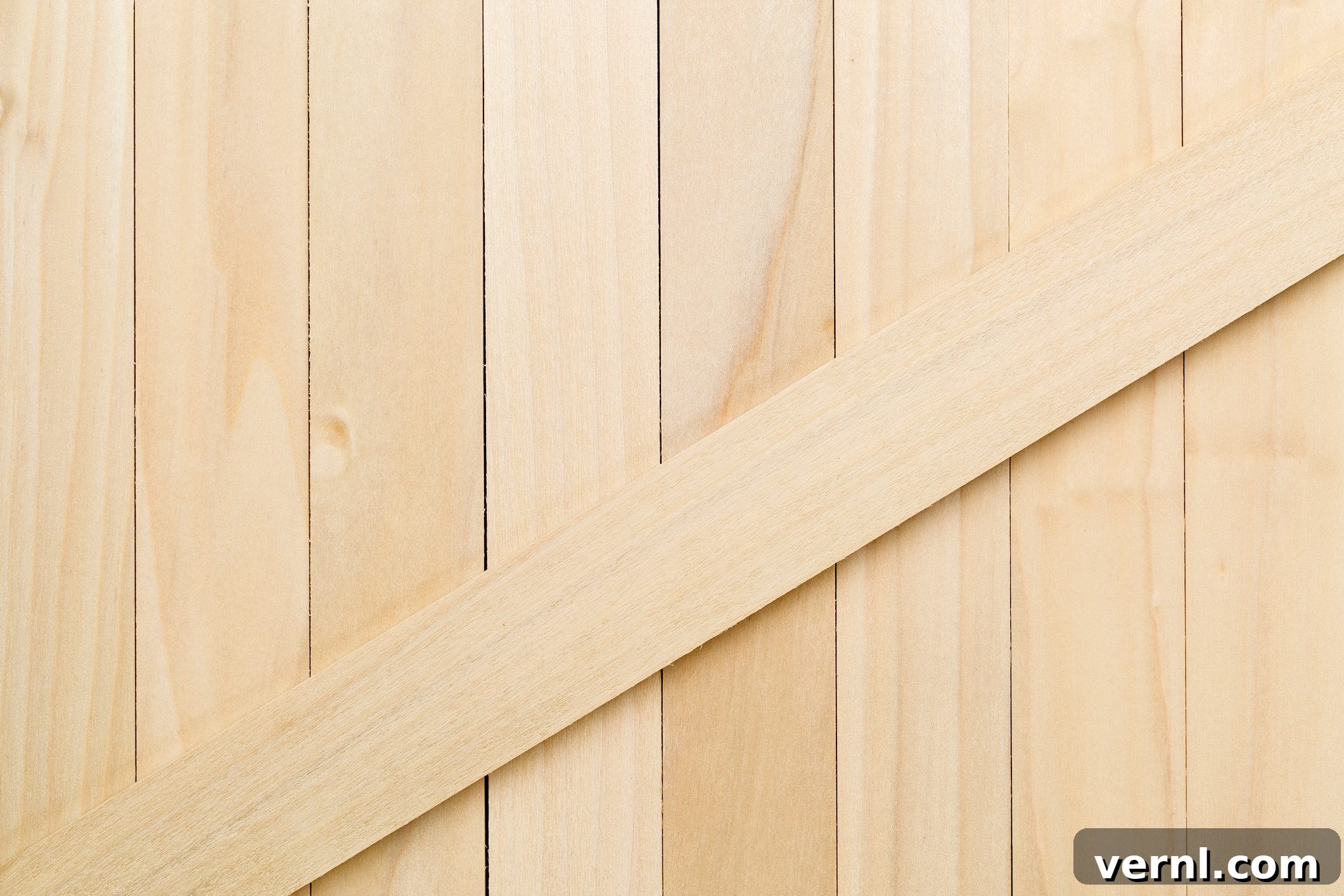
In the diverse world of woodworking, few materials offer the balanced blend of accessibility, affordability, and workability quite like poplar. Often hailed as a true workhorse, this versatile hardwood has cemented its place in countless workshops, serving as the foundation for projects ranging from utilitarian paint-grade cabinetry to intricate, high-end furniture components. Its cooperative nature with both traditional hand tools and modern machinery, coupled with its excellent finishing characteristics, makes it an indispensable choice for woodworkers across all skill levels.
This comprehensive guide will delve deep into the characteristics, applications, and considerations of poplar wood, equipping you with the knowledge to confidently integrate it into your next woodworking project. From understanding its botanical origins to mastering its finishing nuances, we’ll explore why poplar continues to be a go-to material for craftsmanship and construction.
What is Poplar Wood? Unveiling the Hardwood Workhorse
Despite its often soft feel, poplar wood is botanically classified as a hardwood, originating primarily from the Tulip Poplar tree (Liriodendron tulipifera), also known as Yellow Poplar or Tulip Tree. Native to eastern North America, this fast-growing species is a member of the Magnoliaceae family, known for its distinctive tulip-like flowers, which give the tree its evocative name. While many associate hardwoods with exceptional density and robustness, poplar offers a unique profile: it’s softer than most other American hardwoods, yet possesses the anatomical structure that defines it as such.
The appearance of poplar wood is generally characterized by its light brown to creamy yellow heartwood. Its sapwood, which is the younger, outer portion of the tree, is often only slightly paler and can blend seamlessly with the heartwood, making differentiation minimal. Unlike some species with dramatic color shifts between heartwood and sapwood, poplar maintains a relatively uniform light tone. This consistent color, combined with its lightweight nature and straight grain, contributes significantly to its ease of workability, making it a prime candidate for interior furniture components such as drawer sides, web frames, and other concealed structural elements where dimensional stability and a smooth surface are paramount.
Poplar’s cellular structure contributes to its balanced properties. Its diffuse-porous wood, meaning the pores are evenly distributed, results in a fine, uniform texture that responds well to cutting and sanding. This structural integrity, combined with its relatively low density, makes it dimensionally stable, resisting warping and movement as it acclimates to various workshop environments. This inherent stability is a critical factor in its widespread use in cabinetry and furniture construction, ensuring components maintain their shape and fit over time.
Types of Poplar Wood: Regional Variations and Unique Aesthetics
While variations of poplar species exist globally, in the United States, woodworkers primarily encounter two readily available types, both stemming from the Liriodendron tulipifera tree but differentiated by their appearance and specific characteristics. Understanding these distinctions is key to selecting the right material for your project.
1. Tulip Poplar (Yellow Poplar)
This is the most common and widely available form of poplar in North America. Often simply referred to as “yellow poplar” or just “poplar,” it is celebrated for its exceptional workability and consistent availability. The Tulip Poplar tree grows rapidly and can reach impressive sizes, yielding long, straight, and remarkably knot-free boards. This makes it incredibly easy to source, even at your local big box hardware stores, where you can often find a good selection of dimensional lumber.
While it’s a hardwood, Tulip Poplar is on the softer side, with a Janka hardness rating of approximately 540 pounds-force (lbf). The Janka test measures the resistance of a sample of wood to denting and wear by measuring the force required to embed a steel ball halfway into the wood. To put this in perspective:
- Softwoods like Eastern White Pine might have a Janka rating around 380 lbf.
- Other common hardwoods like Cherry measure around 995 lbf.
- Harder species such as White Oak register at 1,360 lbf.
- And exceptionally dense woods like Brazilian Walnut (Ipe) can exceed 3,600 lbf.
This relatively low Janka rating for a hardwood means that while it’s durable enough for many applications, it’s more susceptible to dents and scratches than denser hardwoods. However, its softness contributes to its exceptional workability, making it a dream for cutting, shaping, and joining. As with any lumber, it’s always recommended to allow your poplar boards to acclimate to your shop’s environment for a few days or weeks before beginning work, though poplar is known for its reasonable dimensional stability.
2. Rainbow Poplar (Mineral Stained Poplar)
Occasionally, you might stumble upon boards marketed as “rainbow poplar.” This captivating variation occurs when the standard Tulip Poplar wood undergoes a natural mineral staining process. This phenomenon is typically caused by high concentrations of minerals like iron, manganese, and magnesium in the soil where the tree grew. These minerals are absorbed by the tree and react with the wood’s natural compounds, resulting in a stunning and unpredictable array of greens, purples, blues, reds, and browns throughout the grain.
When freshly milled, rainbow poplar can be breathtaking, offering a vibrant palette rarely found in other domestic hardwoods. However, there’s a significant caveat: poplar wood is photo-reactive and highly susceptible to UV light exposure. This means that those beautiful, striking rainbow colors will inevitably fade over time, often browning to a more uniform, duller hue within a year, even with protective finishes. While some finishes may slightly delay the process, the inherent photo-reactivity of poplar makes preserving these ephemeral colors a significant challenge. This tendency to fade is often considered one of Mother Nature’s more bittersweet jokes on the woodworker who seeks to capture its initial splendor.
The Pros and Cons of Poplar Wood: A Balanced Perspective
Like any material, poplar wood comes with its own set of advantages and disadvantages. Understanding these can help you make informed decisions for your projects.
Pros of Poplar Wood
-
Exceptional Availability: Poplar is one of the most widely available domestic hardwoods in the U.S. Its fast growth rate and abundant distribution across eastern North America mean it’s easy to find at virtually any lumberyard, home improvement store, or even dedicated woodworking suppliers. This widespread availability contributes to its cost-effectiveness and makes it an excellent choice for weekend projects or when quick access to materials is crucial.
-
Outstanding Workability: For woodworkers who appreciate the tactile experience of hand tools, poplar is an absolute joy. Its relatively soft nature and often straight, consistent grain allow planes to glide smoothly, chisels to cut cleanly, and saws to make effortless passes. Cutting intricate wood joinery, such as dovetails or mortise and tenon joints, is a delight with poplar, yielding clean shoulders and tight fits. It also machines exceptionally well with power tools, minimizing tear-out and reducing wear on blades and bits, which is a significant advantage for both beginners and seasoned pros.
-
Excellent Finishing Properties: Poplar is a dream for finishing. It takes paint exceptionally well, providing a smooth, uniform surface that minimizes grain show-through and readily accepts primers and topcoats. This makes it an ideal choice for painted cabinetry, trim, or any project where exploring color is desired. For those opting for a clear coat, poplar also responds favorably. While its natural color may be considered plain by some, a clear finish brings out subtle grain patterns and provides a durable, protective layer. It absorbs stains evenly, though its inherent green or gray streaks can sometimes lead to an uneven appearance if not pre-treated with a wood conditioner.
-
Cost-Effectiveness: Compared to other domestic hardwoods like oak, maple, or walnut, poplar is significantly more affordable. This budget-friendly price point, combined with its availability and workability, makes it an excellent material for beginner to intermediate woodworkers who are honing their skills, as well as for professionals looking to minimize material costs on large projects or internal components.
-
Dimensional Stability: Poplar boasts good dimensional stability, meaning it is less prone to warping, twisting, or shrinking in response to changes in humidity compared to some other woods. This characteristic is crucial for applications like cabinet frames, drawer boxes, and other structural elements where consistency and precision are vital for long-term performance.
Cons of Poplar Wood
- Fading Colors (for ‘Rainbow’ Poplar): As discussed, the vibrant mineral-stained colors of rainbow poplar are ephemeral. They fade relatively quickly to a drabber brown when exposed to light, which can be disappointing for woodworkers who invest in this unique material for its aesthetic appeal. There are no truly effective methods to permanently prevent this natural photo-oxidation.
- Softer Durability: Despite being classified as a hardwood, poplar is on the softer end of the spectrum (Janka 540 lbf). This means it can dent, scratch, and mar more easily than denser hardwoods. Consequently, it is generally undesirable for high-wear items such as tabletops, flooring, cutting boards, or outdoor furniture where resistance to impact and abrasion is critical. For these applications, harder woods or alternative materials would be more suitable.
- Plain Appearance (for Natural Finishes): While its uniform light color is a pro for paint-grade projects, for projects intended to showcase natural wood grain, standard tulip poplar can sometimes appear somewhat bland or feature undesirable greenish or grayish streaks. These streaks are natural mineral stains that occur frequently and, while not structural defects, can detract from the aesthetic appeal when a clear, uniform natural wood look is desired. This often necessitates careful board selection or reserving poplar for painted or concealed applications.
What Is Poplar Wood Used For? Versatile Applications
Poplar’s unique combination of properties — its workability, stability, and cost-effectiveness — makes it incredibly versatile. It finds its way into a wide array of applications across various woodworking disciplines.
-
Internal Furniture Components: This is arguably one of poplar’s most common and essential uses. Due to its stability, light weight, and low cost, poplar is frequently employed for the internal, unseen components of production and custom furniture. This includes drawer boxes and drawer sides (especially for painted or budget-friendly pieces), sofa frames, chair stretchers, cabinet face frames (when painted), and various structural parts that are hidden from view. Its consistent grain makes it excellent for joinery in these applications, ensuring strong and reliable assemblies.
-
House Trim and Millwork: Poplar is a premium choice for interior house trim and architectural millwork. Compared to pine wood, which is often chosen for trim, poplar is more durable, less prone to denting, and significantly easier to find in long, knot-free boards. Its smooth texture and excellent paint-holding characteristics make it ideal for baseboards, crown molding, door and window casings, and other decorative elements that will be painted. It accepts intricate profiles beautifully from routers and shapers, creating crisp, clean lines.
-
Casework Construction: For large case pieces such as chests of drawers, wardrobes, armoires, or built-in shelving units, poplar is a go-to material for internal components. This includes carcass construction, drawer runners, dividers, and back panels. Utilizing poplar for these parts helps to keep both the overall cost and the final weight of the piece down, without compromising on dimensional stability or structural integrity. It provides a solid foundation that can then be veneered or faced with more expensive, aesthetically pleasing hardwoods.
-
Paint-Grade Cabinetry: Poplar is a staple in kitchen and bathroom cabinetry where a painted finish is desired. Its smooth, tight grain and excellent paint adhesion provide a flawless, uniform surface, far superior to many other wood types for painted applications. It allows cabinet makers to create high-quality, durable cabinets at a more accessible price point than those made from paint-grade maple or birch.
-
Jigs, Fixtures, and Shop Furniture: Given its affordability, workability, and stability, poplar is an outstanding material for creating workshop jigs, fixtures, and shop furniture. Whether it’s a sled for a table saw, custom router guides, or the carcass for a new tool cabinet, poplar provides a reliable and easy-to-construct solution that doesn’t break the bank.
-
Wood Turning and Carving: While not as dense as some other turning woods, poplar’s uniform grain and relative softness make it very amenable to wood turning, especially for decorative pieces that won’t see heavy impact. It also carves well, allowing for fine details and smooth finishes, making it popular for relief carvings and sculptural work.
Poplar Wood Cost and Purchasing: Smart Strategies for Woodworkers
One of poplar wood’s most compelling attributes is its affordability, making it an excellent gateway material for beginner to intermediate woodworkers and a practical choice for large-scale projects. Its cost-effectiveness is a direct result of its fast growth, widespread availability, and efficient harvesting.
Cost Comparison:
Expect to pay anywhere from $3.50 to $10 per board foot for poplar, depending on factors such as the board width, length, grade, and whether it’s sold rough (unmilled) or pre-surfaced (planed smooth on two or four sides, often referred to as S2S or S4S). For context, most other furniture-grade domestic hardwoods, such as red oak, maple, or cherry, typically range from $5 to $15 per board foot, and some exotic species can go significantly higher.
Purchasing Tips for Poplar Wood:
-
Big Box Stores vs. Lumberyards: You can find poplar at both. Big box stores usually offer pre-surfaced (S4S) boards in common dimensions (e.g., 1×4, 1×6, 1×8, 1×10, 1×12), often suitable for trim or smaller projects. Dedicated lumberyards, especially those specializing in hardwoods, will offer a wider selection, including rough-sawn lumber, wider planks, and varying grades, which can be more economical if you have the tools to mill it yourself.
-
Rough vs. Surfaced Lumber: Rough lumber is typically cheaper per board foot but requires more work (jointing and planing) to prepare for use. Surfaced lumber is more expensive but ready to go, saving time and effort, making it ideal for those with limited milling equipment. Decide based on your tools, skills, and project needs.
-
Check for Defects: Even with poplar’s generally clean nature, always inspect boards for defects like excessive knots, splits, checks (cracks), significant bowing, twisting, or cupping. While some defects are inevitable and can be worked around, selecting the straightest and cleanest boards will save you frustration and material waste down the line.
-
Moisture Content: If possible, inquire about the moisture content (MC) of the lumber, especially at dedicated lumberyards. Kiln-dried lumber with an MC between 6-8% is ideal for most interior woodworking projects. Lumber that is too wet can warp or shrink significantly as it dries in your shop.
-
Acclimation: Once purchased, always allow poplar lumber to acclimate to your shop environment for several days or even weeks before cutting or joining. This allows the wood to stabilize to the local humidity and temperature, minimizing movement after your project is assembled. Poplar is relatively stable, but acclimation is a best practice for all woods.
-
Consider the “Green” Streaks: If you plan a clear finish, be mindful of the natural green, grey, or purple mineral streaks that often appear in poplar. While some find them charming, others might prefer a more uniform look and will need to select boards carefully or opt for painted finishes.
By understanding these purchasing strategies and cost considerations, woodworkers can leverage poplar’s affordability to create beautiful and functional pieces without overspending, making it a truly valuable asset in any workshop.