
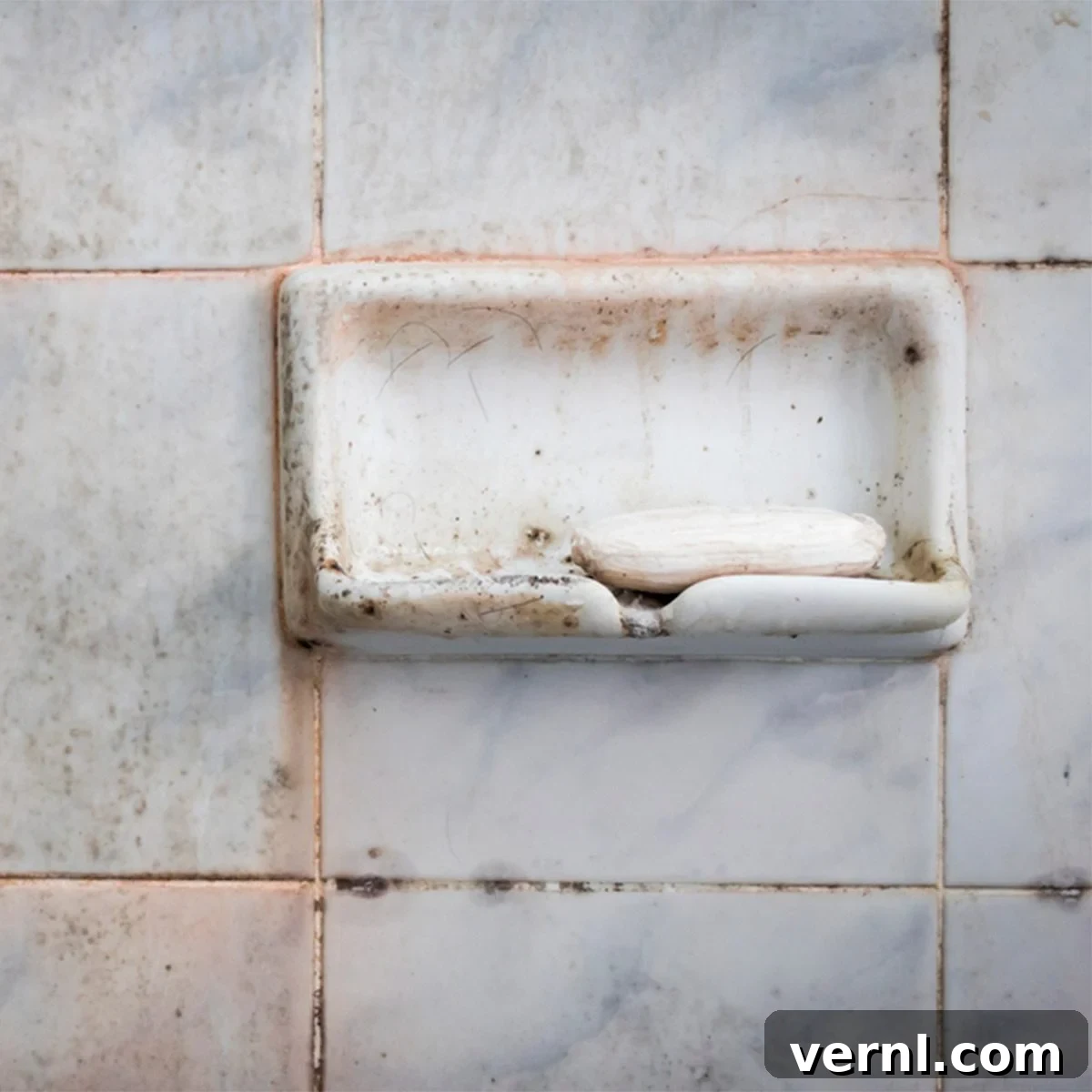
Understanding and Eliminating Pink Slime: Your Guide to a Cleaner Bathroom
Have you ever noticed that unsightly red or pink slime stubbornly forming inside your toilet bowl or clinging to your shower walls? Often mistaken for mold, this pervasive discoloration is actually a common bacterium known as Serratia marcescens. Thriving in damp, nutrient-rich environments, this microorganism finds our bathrooms to be ideal breeding grounds. While generally considered more of a nuisance than a severe health threat in a typical household setting, understanding its nature and how to effectively manage it is key to maintaining a truly clean and hygienic living space.
This comprehensive guide will delve into the world of Serratia marcescens, exploring what it is, why it appears in your bathroom, and most importantly, how to prevent its growth and eliminate it for good. We’ll cover everything from the impact of your water source to the most effective cleaning strategies, ensuring you have all the knowledge to banish pink slime and enjoy a pristine bathroom.What Exactly is Serratia Marcescens?
At its core, Serratia marcescens is a rod-shaped, gram-negative bacterium that is naturally occurring in various environments, including soil, water, and even in some human and animal guts. It’s classified as a facultative anaerobe, meaning it can survive with or without oxygen, making it highly adaptable. What makes this bacterium so visually striking in our bathrooms is its ability to produce a distinctive red or pink pigment called prodigiosin, especially when grown at room temperature. This pigment is responsible for the characteristic reddish-pink hue you see on your bathroom surfaces.
It’s crucial to differentiate Serratia marcescens from mold. While both can appear in damp areas and cause discoloration, they are biologically distinct. Mold is a type of fungus, whereas Serratia marcescens is a bacterium. This distinction is important because while some cleaning methods might overlap, understanding the specific type of organism helps in choosing the most effective and targeted eradication strategies.
Why Does Pink Slime Appear in Your Bathroom? Understanding the Causes
The prevalence of Serratia marcescens in bathrooms isn’t random; it’s a direct result of several environmental factors that create an optimal habitat for its growth. Recognizing these contributing elements is the first step toward effective prevention.
1. The Role of Your Water Source
One of the primary factors influencing the presence of pink slime is the quality and treatment of your household water. City water, which is typically treated with chlorine, usually helps to suppress bacterial growth, including Serratia marcescens. Chlorine acts as a disinfectant, killing microorganisms before they can establish themselves.
- Activated Charcoal Filters: If your home uses an activated charcoal filter for drinking water or whole-house filtration, you might inadvertently be creating a more hospitable environment for Serratia marcescens. According to the North Dakota State University Extension Service, these filters are highly effective at removing chlorine from your water. While beneficial for taste and odor, this also removes the primary disinfectant that keeps the bacteria at bay. Consequently, filtered water can sometimes have higher concentrations of bacteria that then settle on bathroom surfaces.
- Private Well Water: Homes supplied by private wells often do not have their water chlorinated unless a specific treatment system is installed. This lack of chlorine means well water naturally provides an unregulated environment where Serratia marcescens can thrive more easily. Well owners should be particularly vigilant about bathroom hygiene and consider regular well water testing.
2. Ideal Environmental Conditions
Beyond water quality, the very nature of a bathroom makes it a perfect incubator for this bacterium:
- High Humidity and Moisture: Showers, baths, and flushing toilets constantly introduce moisture into the air and onto surfaces. Serratia marcescens requires a damp environment to multiply and form its visible colonies.
- Nutrient Availability: Bathrooms are surprisingly rich in nutrients for bacteria. Soap scum, shampoo residue, discarded skin cells, and mineral deposits from water all provide ample food sources for Serratia marcescens to feed on and flourish.
- Temperature: The warm, ambient temperatures typically found in bathrooms are ideal for the bacterium’s growth, especially the production of its characteristic red pigment.
- Poor Ventilation: A lack of adequate ventilation, such as an inefficient exhaust fan or rarely opened windows, traps moisture and humidity, exacerbating the problem and allowing slime to build up more quickly.
Potential Health Implications of Serratia Marcescens
For most healthy individuals, encountering Serratia marcescens in a home environment poses minimal risk. It’s generally considered an opportunistic pathogen, meaning it typically causes infections in individuals with compromised immune systems or those in specific medical settings. However, it’s important to be aware of the potential implications:
- Hospital-Acquired Infections: As the original article mentions, Serratia marcescens has been known to cause serious issues in hospital settings, including pneumonia, wound infections, and urinary tract infections. This is primarily due to the vulnerability of patients with weakened immune systems, open wounds, or indwelling medical devices.
- Household Concerns: In a household context, while less common, prolonged exposure or contact with large colonies of the bacteria, especially for individuals who are elderly, very young, or have underlying health conditions, could potentially lead to minor irritations or infections. It’s always best practice to remove any visible bacterial growth to maintain a safe and sanitary living environment. The primary concern for most homeowners, however, is the aesthetic unpleasantness and the indication of less-than-optimal hygiene.
Proactive Prevention Strategies to Keep Pink Slime Away
Preventing Serratia marcescens from taking hold in your bathroom is far easier than constantly battling established colonies. Implementing a few simple habits can significantly reduce its presence:
1. Enhance Ventilation
- Use Your Exhaust Fan: Always run your bathroom exhaust fan during showers and baths, and leave it on for at least 15-20 minutes afterward. This helps draw out moist air, reducing overall humidity.
- Open Windows: If you have a window in your bathroom, open it regularly to allow fresh air circulation and help dry out surfaces.
2. Regular Cleaning and Drying
- Wipe Down Surfaces: After each shower, take a few moments to wipe down shower walls, the tub, and the toilet exterior with a squeegee or a towel. Removing standing water is one of the most effective ways to deny bacteria the moisture they need.
- Dry the Toilet Bowl: While not always practical, ensuring the toilet bowl rim and exterior are dry after cleaning can help.
- Regular Cleaning Schedule: Incorporate regular, thorough cleaning of your bathroom into your routine. This means weekly scrubbing of toilets, showers, and sinks to remove soap scum, mineral deposits, and any incipient bacterial growth before it becomes visible.
3. Address Water Filtration Concerns
If you use activated charcoal filters and notice persistent pink slime, you have a few options:
- Increased Cleaning Frequency: If you value the taste and purity of filtered water, the most straightforward solution is to simply clean your bathroom surfaces more frequently and thoroughly.
- Filter Maintenance: Ensure your filters are changed according to the manufacturer’s recommendations. Overdue filters can become breeding grounds themselves.
- UV Sterilization: For well water users or those with significant concerns about water purity and bacteria, consider a UV light sterilization system for your whole house. These systems effectively kill bacteria and viruses in the water without adding chemicals.
4. Maintain Toilet and Shower Hygiene
- Flush Regularly: Ensure toilets are flushed after every use to prevent stagnant water.
- Clean Under the Rim: The area under the toilet rim is a prime hiding spot for bacteria. Use an angled brush or a toilet wand designed for this purpose during your regular cleaning.
- Shower Curtains and Liners: Regularly wash or replace shower curtains and liners, as they are notorious for collecting soap scum and moisture.
- Clean Drains: Periodically clean shower and sink drains, as they can harbor bacteria and slime.
Effective Cleaning and Removal Strategies
When pink slime has already made an appearance, knowing how to properly remove it is crucial. Fortunately, with the right tools and products, elimination is usually straightforward.
1. Chlorine-Based Cleaners for Tough Stains
Chlorine bleach is highly effective against Serratia marcescens due to its powerful disinfecting properties. It oxidizes and destroys the bacterial cells.
- General Surface Cleaning: Stains on shower walls, tile grout, or sink surfaces are easy to remove with a general-purpose bathroom cleaner that contains chlorine bleach. Simply spray the affected area, let it sit for a few minutes (check product instructions), then scrub with a brush or sponge and rinse thoroughly. Always ensure good ventilation when using bleach-based products.
- Toilet Bowl Treatment: For persistent pink rings in the toilet bowl, you can add 1/4 cup of chlorine bleach directly to the toilet tank (not the bowl itself). Let it sit for approximately 20 minutes, allowing the bleach to disinfect the internal mechanisms and seep into the bowl. After the waiting period, flush the toilet several times to completely remove all the bleach from the tank.
- Important Caution for Toilet Tanks: It is critical to emphasize: Do not leave bleach sitting in your toilet tank for extended periods. Chlorine bleach can severely damage the rubber flapper, seals, and other plastic components within the tank, leading to leaks, costly repairs, and potential water waste. This method is a quick, occasional treatment, not a continuous solution.
2. Natural and Alternative Cleaning Solutions
For those who prefer to avoid bleach or for areas where bleach might be unsuitable (e.g., certain colored grouts or delicate surfaces), several natural alternatives can be effective, though they might require more scrubbing or longer dwell times.
- White Vinegar: Distilled white vinegar is a mild acid that can disrupt bacterial growth and remove mineral deposits. Mix equal parts white vinegar and water in a spray bottle. Spray on affected surfaces, let it sit for 15-30 minutes, then scrub and rinse. Vinegar is also excellent for cleaning showerheads and faucets.
- Baking Soda Paste: For tougher spots, a paste made from baking soda and a small amount of water can provide abrasive cleaning power. Apply the paste, let it sit, then scrub and rinse. You can also combine baking soda with vinegar for an effervescent cleaning action, but be aware this reaction produces CO2 gas, so ensure good ventilation.
- Hydrogen Peroxide: A 3% hydrogen peroxide solution can also act as a disinfectant. Spray it on surfaces, let it sit for about 10 minutes, then scrub and rinse.
3. Safety First When Cleaning
Always prioritize safety when cleaning, especially when using disinfectants:
- Ventilation: Ensure the bathroom is well-ventilated by opening windows or running the exhaust fan.
- Protective Gear: Wear rubber gloves to protect your skin from harsh chemicals.
- Never Mix Chemicals: Absolutely never mix bleach with ammonia-based cleaners (like some glass cleaners) or acid-based cleaners (like vinegar), as this can create dangerous toxic fumes.
- Read Labels: Always read and follow the instructions on cleaning product labels.
Maintaining a Long-Term Slime-Free Environment
Once you’ve successfully removed the pink slime, the goal is to prevent its return. Long-term success hinges on consistent maintenance and addressing the root causes.
- Establish a Routine: Integrate weekly bathroom cleaning into your household schedule. Consistency is key to preventing buildup.
- Focus on Hidden Areas: Don’t forget to clean areas where moisture and bacteria can hide, such as showerhead nozzles (soak in vinegar periodically), faucet bases, drain covers, and grout lines.
- Evaluate Water Quality: If you’re on well water and experiencing recurring issues, consider having your water tested for bacterial content. If necessary, consult with a well water specialist about filtration or treatment options.
- Consider an Auto-Dispensing Toilet Cleaner: While internal tank cleaners should be used with extreme caution due to potential damage, some products are designed to hang in the bowl or attach to the rim, slowly releasing cleaning agents without damaging internal tank components. Research these options carefully.
- Invest in a Good Squeegee: Keeping a squeegee in your shower and using it daily on walls and glass doors can make a huge difference in reducing moisture and soap scum buildup.
Conclusion
The appearance of pink slime, or Serratia marcescens, in your bathroom is a common household nuisance, but it’s one that is entirely manageable. By understanding its origins – particularly the influence of water sources like activated charcoal filters and private wells, coupled with the inherent moisture and nutrient availability in bathrooms – you can take targeted action. Implementing a combination of good ventilation, regular cleaning, and appropriate disinfecting methods will not only eliminate existing slime but also create an environment where this unwelcome bacterium struggles to thrive.
Ultimately, a proactive approach to bathroom hygiene, combined with awareness of your home’s unique water situation, is your best defense against Serratia marcescens. By following these guidelines, you can ensure your bathroom remains a clean, fresh, and visually appealing space for everyone in your home.