Understanding Auto Recalls: Your Essential Guide to Vehicle Safety and Compliance
In an increasingly complex automotive landscape, vehicle recalls have become a significant concern for millions of drivers worldwide. The year 2024 alone saw approximately 28 million people affected by auto recalls, commencing with major notifications for 2.2 million Teslas and concluding with widespread campaigns from industry giants like Ford and Chrysler. These recalls stem from a multitude of issues, ranging from critical failures in airbags and electrical systems to problems with steering, brakes, ignition switches, tires, tailgate latches, and even overheating batteries. Such widespread issues highlight the continuous challenges in vehicle manufacturing and the paramount importance of consumer awareness.
As vehicles become more technologically sophisticated and production processes face increasing cost pressures, the frequency of recalls is a trend that experts anticipate will only grow. Chris “Moose” Pyle, a seasoned automotive expert with JustAnswer, notes, “Manufacturers often have to cut corners and utilize more affordable parts to bring down the Manufacturer’s Suggested Retail Price (MSRP), which frequently leads to prematurely failing components.”
Navigating the complexities of an auto recall can be daunting. Whether you’ve just received a recall notification, suspect your vehicle might be affected, or are concerned about potentially missing a crucial repair window, understanding the process is vital. This comprehensive guide will equip you with the essential knowledge to keep yourself and your passengers safe, while also protecting your financial well-being from unexpected expenses.
What Exactly Is an Auto Recall?
An auto recall is a serious announcement made by a vehicle manufacturer or a governmental regulatory body, indicating that a specific vehicle model or component has a safety-related defect or fails to comply with federal safety standards. This could involve design flaws, manufacturing errors, or issues that emerge over time and pose a risk to vehicle occupants or others on the road. The primary goal of a recall is to rectify these identified problems to prevent potential accidents, injuries, or fatalities.
These issues aren’t always immediately obvious to the driver. They can range from a critical component failure, like a faulty brake system, to less conspicuous problems, such as an emissions system that doesn’t meet regulatory requirements. Once a widespread safety issue or defect is confirmed, consumers are formally requested to bring their vehicles to an authorized service center or dealership for inspection and necessary repairs.
Andrew Franks, co-founder of Claimsline, emphasizes the gravity of such situations: “Most times, a recall is likely to be issued due to an offense-level risk that is able to endanger the life of the driver as well as the passengers and even other people around.” This underscores the critical safety implications that typically drive recall decisions.
Recalls can be initiated by the vehicle manufacturer itself, often as a result of internal testing, warranty claims, or consumer complaints. Alternatively, in countries like the United States, recalls can be mandated by regulatory bodies such as the National Highway Traffic Safety Administration (NHTSA). NHTSA proactively investigates potential safety defects based on consumer complaints, crash data, and manufacturer reporting, holding manufacturers accountable for addressing serious safety issues.
The Anatomy of a Recall: From Discovery to Resolution
Understanding the lifecycle of an auto recall provides valuable insight into why and how these critical safety measures are implemented. The process typically unfolds in several stages:
- Discovery: A potential defect can be identified through various channels, including consumer complaints filed with manufacturers or regulatory bodies (like NHTSA), internal testing by the manufacturer, warranty claims data, field reports from dealerships, or even accident investigations.
- Investigation: Once a potential issue is flagged, the manufacturer or regulatory agency initiates a thorough investigation. This involves detailed analysis of engineering data, component testing, failure analysis, and sometimes even independent evaluations.
- Decision to Recall: If the investigation concludes that a safety-related defect or non-compliance with safety standards exists and affects a significant number of vehicles, the manufacturer makes a formal decision to conduct a recall. This decision is then reported to the relevant regulatory authorities.
- Notification: Following the recall decision, manufacturers are legally obligated to notify all affected vehicle owners. This typically occurs via first-class mail, often accompanied by electronic notifications, detailing the defect, the associated risks, and the steps owners need to take.
- Remedy Implementation: Owners are instructed to bring their vehicles to an authorized dealership for the prescribed repair. The manufacturer covers the cost of this repair.
- Completion Rates: Manufacturers and regulatory bodies monitor recall completion rates. While high completion rates are desirable, factors like vehicle age, ownership changes, and owner awareness can impact how many vehicles ultimately receive the necessary fix.
Typical Remedies for an Auto Recall
The specific remedy for an auto recall is tailored to the severity and nature of the defect. However, under federal law, vehicle manufacturers are legally required to cover the entire cost of the repair, regardless of the vehicle’s age or mileage. This is a critical consumer protection aspect of safety recalls. Here’s a breakdown of common next steps once your vehicle is identified for a recall:
- Detailed Inspection: Often the first step, this involves a thorough examination by qualified technicians to confirm the presence and extent of the damaged or incorrectly assembled component. For instance, an inspection related to a suspension recall might involve checking specific joints or bolts for wear beyond factory specifications.
- Software Updates: In modern vehicles, many issues can be resolved through software. These aren’t physical repairs but involve reprogramming vehicle control modules. Examples include correcting glitches in advanced driver-assistance systems (ADAS), refining engine control unit (ECU) parameters for performance or emissions, or optimizing battery management systems in electric vehicles to prevent overheating. As vehicles become “computers on wheels,” software-related recalls are increasingly common.
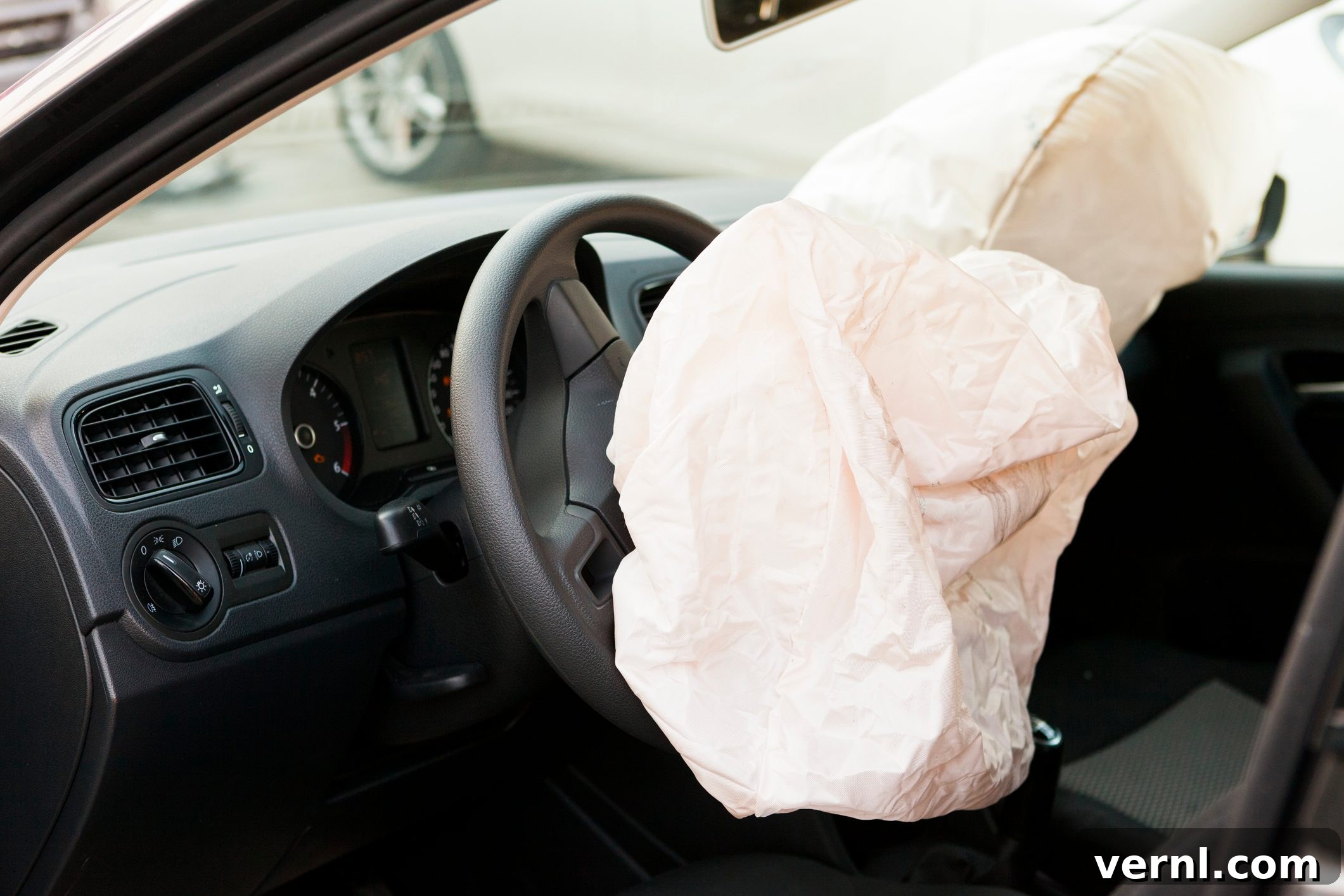
- Replacement of Failing Parts: When a physical component is defective, it will be replaced. This could involve critical items like a faulty fuel pump, a defective steering rack, or components within the braking system. Pyle advises that for safety systems like airbags, “Those need to be handled now since you could be injured if you continue driving the vehicle.” The urgency associated with these repairs is paramount due to their direct impact on occupant safety.
- Safety Systems Overhaul: Certain recalls target fundamental safety systems, such as airbags or seatbelt mechanisms. The infamous Takata airbag recall, one of the largest automotive recalls in history, highlighted the critical need for prompt replacement of potentially explosive airbag inflators. Gretchen Seidel, an automotive expert at Seidel & Co. who worked on the Takata recall, noted that “extra measures were taken to put customers in loaner vehicles, sometimes for several months, if they were under a do-not-drive notification,” emphasizing the extreme caution taken with such critical safety defects.
- Warranty Extensions: In some cases, especially for non-safety-critical issues or to provide additional assurance, manufacturers may offer warranty extensions. While these don’t involve an immediate repair, they expand the duration or mileage under which specific repair parts and labor will be covered if a problem arises later, offering owners peace of mind.
Beyond repairs, manufacturers might also offer other forms of compensation. This can include a partial refund to cover the cost of defective parts, or reimbursement for towing expenses and out-of-pocket repairs that owners might have paid for before a recall was officially issued. In rare and extreme circumstances, typically involving severe structural defects or when a vehicle qualifies under “lemon laws” due to persistent, unfixable problems, manufacturers may even offer to buy back the vehicle, as highlighted by Joshua Detzel, marketing director at C. Harper Auto Group.
Regardless of the specific remedy, affected vehicle owners will typically receive a recall notice, often via mail or electronically, containing detailed instructions on what steps to take next. Seidel confirms, “Manufacturers will work hand-in-hand with their dealers to contact customers to ensure the recall is completed.” Even in the rare scenario where a manufacturer has gone out of business, Franks notes that “the liability can sometimes be passed on to the supplier, or in some countries, the government can take charge of categorizing the repairs,” ensuring that owners still have avenues for redress.

Is There a Time Limit for Recalled Vehicle Repairs?
This is a crucial question for vehicle owners, and it’s important to differentiate between various types of campaigns. For federally mandated safety recalls in the United States, there is generally no time limit on when a manufacturer must perform the repair free of charge. The National Highway Traffic Safety Administration (NHTSA) states that manufacturers are legally obligated to fix safety defects without charge, regardless of the vehicle’s age or mileage. This means if your vehicle has an open safety recall, the manufacturer is responsible for the repair at no cost to you, even if the vehicle is decades old.
However, the original expert quote about “15 years” or state-specific “10 years” might refer to other types of manufacturer campaigns, such as customer service campaigns, extended warranties, or specific state consumer protection laws that might have different timeframes for non-safety-related issues. For instance, states might have varying “lemon laws” or consumer statutes that apply different timelines for seeking remedies for defects that are not under a federal safety recall. Seidel notes, “There shouldn’t be any reason an owner can’t get a vehicle into a dealership to complete a recall within 10 years.” While technically, federal safety recalls do not expire in terms of manufacturer responsibility, it is always advisable to address any recall—especially those related to safety or emissions—as soon as possible to mitigate risks.
Therefore, while the manufacturer’s obligation for a federal safety recall remains, owners should always prioritize getting these repairs done promptly. “You should get any recalls completed at your local dealership as soon as possible since they usually have to do with safety concerns, emissions or compliance concerns,” Seidel strongly advises.
How Do I Know If My Vehicle Has a Recall?
Staying informed about your vehicle’s recall status is a key aspect of responsible car ownership. Fortunately, there are several straightforward ways to check for open recalls:
- NHTSA VIN Lookup Tool: The most reliable method in the United States is to use the NHTSA VIN lookup tool. Simply enter your 17-character Vehicle Identification Number (VIN) to see any unaddressed recalls. Your VIN can typically be found on the driver’s side dashboard, visible through the windshield, or on the driver’s side door jamb.
- Manufacturer Websites: Most major automotive manufacturers also provide a dedicated recall lookup tool on their official websites. This can be a useful secondary check.
- Contact a Dealership: Your local authorized dealership can access your vehicle’s service history and current recall status directly. Provide them with your VIN, and they can inform you of any outstanding campaigns.
- Recall Notices: Manufacturers are legally required to send recall notifications by mail to registered owners. Ensure your vehicle registration details are up-to-date with your state’s DMV and the manufacturer to receive these timely alerts.
It’s particularly critical to check for recalls when purchasing a used car. A vehicle with open recalls could pose immediate safety risks or incur future liabilities. Detzel advises, “Be proactive. It’s always better to address recalls as soon as possible to ensure your safety and peace of mind.” Once you identify an open recall, contact a dealership or another manufacturer-authorized repair center immediately to schedule the necessary repair.
What Happens If I Miss a Recall? The Risks and Consequences
Ignoring a recall notification or missing the window to get a recall repair can have severe and wide-ranging consequences, extending far beyond the initial inconvenience of a repair. If you fail to address a known recall, the associated financial burdens and liability responsibilities typically shift from the manufacturer to you, the vehicle owner. This means you will likely have to pay for the repair yourself, and you open yourself up to a host of other potential problems:
- Elevated Safety Risks and Potential for Accidents: The most immediate and serious consequence is the inherent safety risk from the unaddressed defective parts. These defects were deemed serious enough to warrant a recall precisely because they can lead to accidents, injuries, or even fatalities. “Some issues, like brake failures or airbag defects, can worsen the longer they are left unrepaired, significantly increasing the danger to you and your passengers,” warns Detzel. Driving a vehicle with an unaddressed safety recall is akin to knowingly operating a potentially dangerous machine.
- Significant Decrease in Resale Value: If you decide to sell your vehicle in the future, an outstanding recall will almost certainly deter potential buyers. Smart buyers will check the vehicle’s history, including its recall status. A vehicle that has missed its recall repair window suggests negligence and can significantly reduce its market value, making it harder to sell and diminishing your investment.
- Legal Liability in the Event of an Accident: This is a critically important, yet often overlooked, consequence. If an accident occurs and it can be directly attributed to a defect that was part of an unaddressed recall, you could be held liable for negligence. “If an accident occurs due to a defect addressed in the recall, you could be held liable for negligence, facing significant legal battles and financial penalties,” Detzel clarifies. This legal exposure can lead to substantial lawsuits and personal financial ruin.
- Insurance Coverage Issues: In the aftermath of an accident caused by an unaddressed recall, some insurance providers may deny claims. Insurers often have clauses that can exclude coverage for damages or injuries resulting from owner negligence, which could include failing to get a known safety recall fixed. This could leave you responsible for all costs related to property damage, medical bills, and legal fees.
- Vehicle Performance and Reliability: Beyond safety, unaddressed defects can degrade your vehicle’s overall performance, fuel efficiency, and long-term reliability. This could lead to more frequent breakdowns, increased maintenance costs, and a generally unsatisfactory driving experience.
Given these severe repercussions, taking prompt action on any vehicle recall is not just advisable, but absolutely essential for your safety, your finances, and your legal protection.
Beyond Safety Recalls: Understanding Other Campaign Types
While federal safety recalls are paramount, it’s worth noting that manufacturers also issue other types of campaigns that, while not strictly “recalls” under federal law, are important for vehicle maintenance and longevity:
- Technical Service Bulletins (TSBs): These are advisories issued by manufacturers to dealerships regarding common or recurring problems with certain vehicle models. TSBs often suggest specific repair procedures or modifications to address these issues. Unlike recalls, TSBs are not mandatory, and repairs under a TSB may not always be free, especially if the vehicle is out of warranty.
- Service Campaigns: These are often voluntary campaigns by manufacturers to address non-safety-related issues, such as comfort, convenience, or performance improvements. They may also cover extended warranties for specific components that have shown a higher-than-expected failure rate.
- Warranty Extensions: As mentioned, these extend the coverage period for certain parts or systems, offering owners protection against future repair costs for specific known issues.
Always clarify the nature of any campaign or notification you receive to understand your rights and the manufacturer’s obligations.
The Future of Auto Recalls: A Look Ahead
The automotive industry is in a state of rapid transformation, with electric vehicles (EVs), autonomous driving systems, and increasingly sophisticated software becoming standard. This evolution is likely to reshape the landscape of auto recalls:
- Software-Defined Recalls: As vehicles become more reliant on complex software, we can expect a rise in “over-the-air” (OTA) recalls. These can potentially fix software bugs remotely, similar to how smartphone updates work, reducing the need for physical dealership visits for certain issues. However, the complexity of these systems also introduces new failure points.
- EV Battery Recalls: The high-voltage battery systems in EVs present unique recall challenges, often related to fire risk or premature degradation. As EV adoption grows, battery-related recalls are likely to become more prominent.
- ADAS and Autonomous Driving System Recalls: Failures in advanced driver-assistance systems (ADAS) or future autonomous driving technologies could lead to recalls related to system misinterpretation, sensor malfunctions, or decision-making algorithms, with potentially severe safety implications.
Regardless of how vehicles evolve, the fundamental principle of ensuring consumer safety through vigilant oversight and effective recall processes will remain crucial.
About the Experts
- Gretchen Seidel is an automotive expert at Seidel & Co., boasting over 30 years of experience across OEM, retail, and FinTech sectors. Her extensive background includes significant involvement with the Acura division of American Honda, where she played a key role in managing the massive Takata airbag recall.
- Joshua Detzel serves as the marketing director and is an avid automotive enthusiast at C. Harper Auto Group, located in Belle Vernon, Pennsylvania. His expertise lies in automotive marketing and consumer relations within the dealership environment.
- Chris “Moose” Pyle is a master-certified technician with more than two decades of hands-on automotive experience. He has also contributed his deep technical knowledge as an expert for JustAnswer since 2006, providing insights on a wide range of vehicle issues.
- Andrew Franks is the co-founder of Claimsline, a company specializing in car finance and accident management services. He is an esteemed expert in automotive finance and regulated products, offering valuable perspectives on the financial and legal aspects of vehicle ownership and recalls.