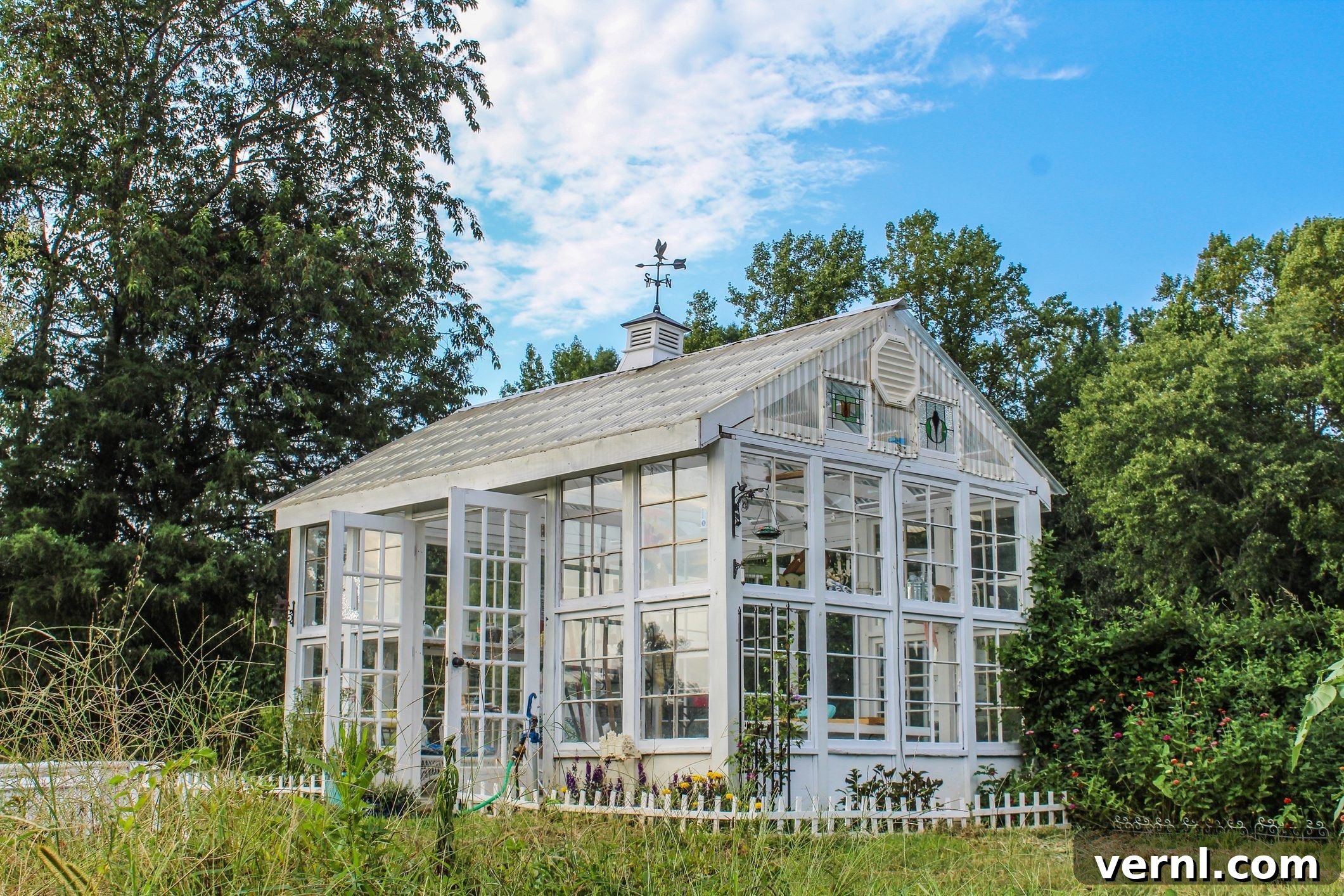
There’s a captivating allure to cultivating your own garden, a desire for fresh, organic produce, or simply the joy of nurturing plants. For many, a greenhouse isn’t just a structure; it’s a gateway to extending the growing season, experimenting with diverse flora, and indulging a passion for horticulture. Whether you’re a seasoned gardener aiming to harvest into late fall and even winter, or a novice eager to embark on a rewarding new hobby, building a greenhouse offers an array of benefits.
The journey to creating your ideal growing space begins with considering the vast possibilities in style and size. From traditional glasshouses that stand as elegant garden features to practical, compact mini-greenhouses perfect for smaller yards, the options are plentiful. Did you know that the concept of a greenhouse isn’t limited to a permanent fixture? Innovative portable greenhouses offer flexibility, allowing gardeners to adapt their growing environment as needs change or seasons shift. The beauty lies in the versatility and the potential for personalization.
Beyond conventional designs, an exciting trend is emerging in sustainable gardening: repurposing unconventional items into unique and functional greenhouses. These projects not only provide an eco-friendly solution but also infuse character and individuality into your garden landscape. As Manny Barra, a master gardener at TeachMe.To, aptly puts it, “The upcycled telephone booth greenhouse is one of the most unique I have seen. Not only does it look quirky and stylish, but it’s also a conversation starter that’s practical, compact, and eco-friendly. Plus, it’s a great example of repurposing an old, almost obsolete object into a modern-day oasis for plants.”
This spirit of innovation and sustainability drives many to create bespoke greenhouses that tell a story. Here, we delve deeper into the fascinating world of repurposed greenhouses, exploring imaginative ways people have transformed everyday objects into vibrant havens for their plants.
Transforming the Unexpected: Creative Repurposed Greenhouse Ideas
Bus
For those with a grand vision and a penchant for large-scale projects, converting an old bus into a greenhouse is an extraordinary endeavor. Far from a beginner’s task, this inspiring example on Pinterest showcases a remarkable blend of engineering and horticultural passion. Imagine steps leading up to a spacious, retractable door, revealing a cavernous interior meticulously gutted and transformed to house dozens, if not hundreds, of plants. The expansive windows of a bus provide ample natural light, while the metal structure offers a robust frame. This type of greenhouse allows for significant vertical and horizontal growing space, making it ideal for those who dream of cultivating a diverse collection of produce, herbs, or ornamental plants. It’s a bold statement in sustainable living and a testament to what can be achieved with creativity and dedication. Remember to consult our comprehensive guide on greenhouse gardening for best practices once your unique structure is complete.
Pallets
Wooden pallets, often discarded after shipping, are a goldmine for DIY enthusiasts, inspiring countless pallet project ideas. Their modular nature and robust construction make them surprisingly versatile for greenhouse construction. A particularly creative DIY project shared on Pinterest demonstrates how pallets can form the sturdy base and lower walls of a greenhouse. The gaps between the pallet planks can be easily insulated or filled with clear sheeting for light transmission. For the upper structure and roof, economical and flexible materials like PVC pipes are often employed, bending gracefully to create an arched frame over which clear plastic sheeting is stretched. This combination of reclaimed pallets and affordable PVC makes for an exceptionally budget-friendly and accessible greenhouse solution. It’s a fantastic project for those looking to create a functional growing space without a significant financial outlay, showcasing how resourcefulness can lead to impressive results.
Windows
Salvaged windows are a classic and elegant material for building greenhouses, offering both charm and excellent light-transmitting properties. The architectural beauty of old windows can transform a simple structure into a picturesque garden feature. As seen in this DIY greenhouse on Pinterest, recycled windows can be meticulously arranged to line the walls, creating a stunning and functional grow space. Each window, with its unique frame and patina, contributes to the greenhouse’s character. Building with recycled windows requires careful planning to ensure a tight seal against drafts, but the effort is well worth it for the aesthetic appeal and the sustainable use of materials. The creator of the Pinterest example noted their project took four months to complete, highlighting that patience and precision are key when working with these reclaimed elements. The result is a durable, beautiful, and highly effective greenhouse that capitalizes on natural light.
Dog Kennel
An often-overlooked item for repurposing is the humble dog kennel. Instead of discarding an old, unused kennel, it can be ingeniously transformed into a highly functional mini-greenhouse. This clever idea from Pinterest demonstrates how simple it is to drape clear plastic sheeting over the existing metal frame of a kennel, effectively creating a compact, portable growing environment. The structure’s inherent ventilation and accessibility make it a surprisingly practical choice for nurturing seedlings, protecting delicate plants, or even growing a small selection of herbs and leafy greens. Due to its modest size, careful consideration of plant choices is necessary, focusing on varieties that thrive in confined spaces or those needing early season protection. This solution is particularly appealing for urban gardeners or those with limited space, offering a quick, affordable, and eco-friendly way to expand gardening opportunities.
Phone Booth
The iconic British red phone booth, a symbol of a bygone era, has found new life in countless creative DIY projects, from little free libraries to shower stalls. Embracing this trend of imaginative repurposing, a Pinterest user showcased an ingenious transformation of a phone booth into a DIY greenhouse. Its tall, slender structure lends itself perfectly to vertical gardening, a space-saving technique where plants are arranged in stacked tiers or pockets rather than side by side on a flat surface. This vertical arrangement maximizes the growing potential within the compact footprint of the booth, allowing for a diverse array of plants to thrive in a small area. The glass panels of the phone booth naturally provide excellent light transmission, making it an ideal microclimate for herbs, succulents, or even exotic plant varieties. This project stands out for its unique aesthetic, sustainability, and its ability to spark conversation, turning a piece of history into a vibrant, living installation.
Headboards
Even an old bed frame can find a new purpose in the garden. Specifically, headboards, with their varied designs and often robust construction, can be cleverly repurposed into charming mini-greenhouses. This inspiring example on Pinterest illustrates how two headboards can be connected to form the essential structure of a small greenhouse. Depending on their design, headboards can provide solid walls or serve as decorative end panels, with clear sheeting or recycled windows filling the open spaces. This type of project typically involves some basic carpentry to secure the headboards and construct a roof frame, which can then be covered with plastic or glass. The user mentioned that assembly required three people, suggesting that while the concept is simple, the physical handling of the materials might need extra hands. The result is a quaint and unique mini-greenhouse, perfect for starting seeds, housing delicate plants, or adding a touch of personalized flair to your garden space.
Frequently Asked Questions About Greenhouses
Is it cheaper to build or buy a greenhouse?
The cost-effectiveness of building versus buying a greenhouse largely hinges on your specific goals, available skills, and access to materials. As Justin Hancock, a horticulturalist at Costa Farms, explains, “I’ve seen simple greenhouses made from windows harvested from architectural salvage operations that were surprisingly inexpensive.” For the skilled DIYer with a good eye for reclaimed materials, building can indeed be remarkably economical, allowing for unique customization that store-bought options can’t match.
However, the landscape changes if you’re not experienced in construction or if sourcing suitable materials is challenging in your area. In such cases, DIY kits can be an excellent choice, offering a balance of budget-friendliness and time savings, as they come with pre-cut parts and clear instructions. Katie Russo, content operations manager at Bootstrap Farmer, provides a cautionary perspective: “Building your own may seem cheaper at the outset, but even if you have high-level DIY-building skills and can design your own project, you may find that buying individual parts ends up costing you more.” She further elaborates on the potential pitfalls of retrofitting: “Retrofitting with parts that may work can end up costing more than expected as you struggle to fit them together.” Unexpected costs from mismatched components or the need for specialized tools can quickly add up, often surpassing the initial cost of a purpose-built kit. Therefore, a thorough assessment of your resources, skills, and time commitment is crucial before deciding whether to build from scratch or invest in a ready-made solution.
Do greenhouses work in winter?
Absolutely, greenhouses can be incredibly effective in winter, provided they are correctly designed and built for your local climate. Their primary function is to trap solar radiation and create a warmer microclimate, shielding plants from harsh cold. Justin Hancock shares his personal experience: “In mine, for example, I was able to grow a variety of tropical fruits all year long, despite living in a climate where the temperature dropped to about 15F in the winter.” He attributes this success to a “poly hoop house that had a propane heater and did the job nicely,” underscoring the importance of heating elements in colder regions for sensitive plants.
Even unheated greenhouses offer significant advantages, typically providing protection equivalent to two extra USDA plant hardiness zones. This means if your garden is in Zone 7, an unheated greenhouse can enable you to grow plants hardy to Zone 9. However, managing expectations is key, as Katie Russo wisely advises: “Manage your expectations. If you live in a place that gets three feet of snow, you certainly won’t be able to grow tomatoes in January, but you could probably grow your kale all winter long.” While an unheated greenhouse might not allow for tender summer crops in deep winter, it can dramatically extend the season for cool-weather vegetables, leafy greens, and hardier herbs, making fresh, homegrown produce available for a much longer period. Considerations like insulation, ventilation to prevent overheating on sunny winter days, and supplemental heating for extreme cold are vital for maximizing winter productivity.
About the Experts
- Justin Hancock is a horticulturist at Costa Farms, the world’s largest houseplant grower. He has more than 25 years of experience in the horticulture industry as a garden editor, retail garden center operator, and plant tag information specialist.
- Katie Russo is content operations manager at Bootstrap Farmer, a leading greenhouse and farming supply company. A proponent of sustainable farming, she used to work as a full-time greenhouse grower and now manages a native tree farm with her husband.
- Manny Barra is the community garden coordinator for the City of Oakland and a master gardener at TeachMe.To. He is passionate about sustainable gardening, soil health, aquaponics, and community food systems.