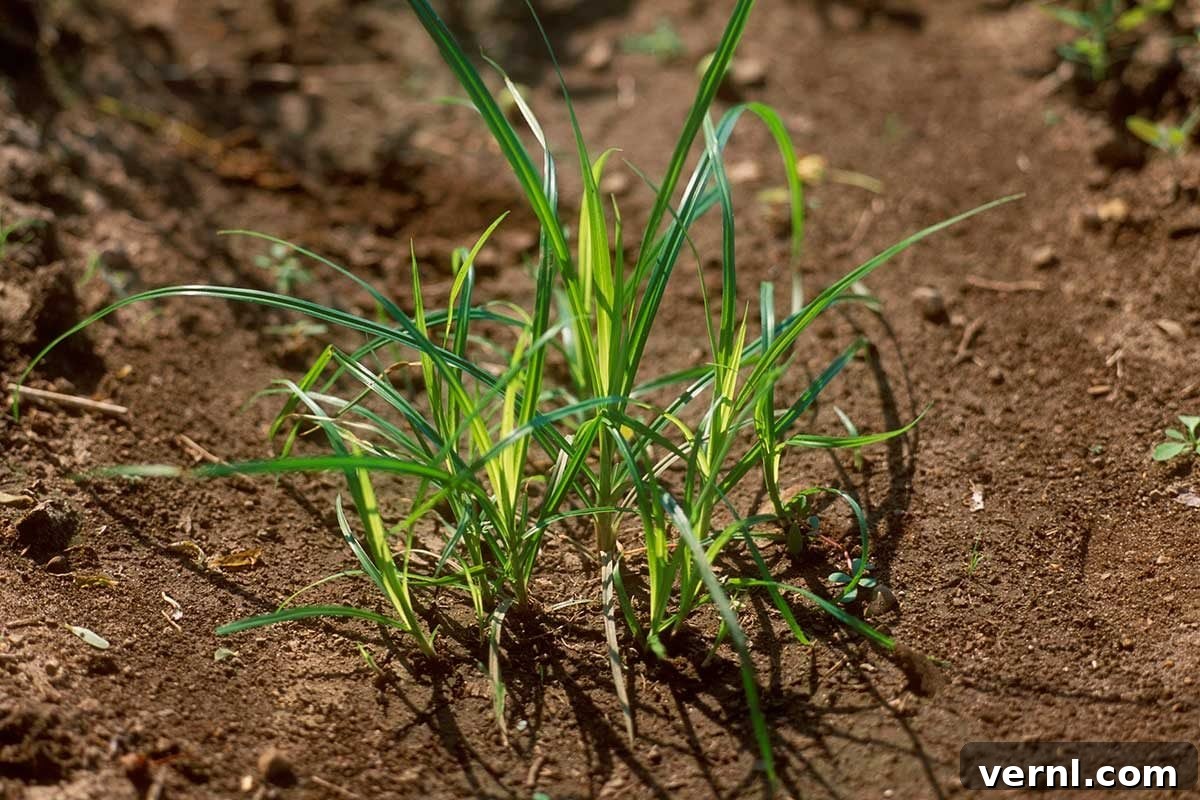
An aggressive and notoriously persistent lawn weed, nutsedge (often known as nut grass or water grass) can quickly become a homeowner's worst nightmare. Its subtle appearance makes early identification a challenge, and by the time its presence is undeniable, it may have already established a significant foothold. Understanding what nutsedge is, how to accurately identify its distinctive features in your lawn, and implementing effective DIY removal and prevention strategies are crucial for maintaining a healthy, pristine yard. We'll delve into the secrets of this formidable weed, offering insights and practical tips from Joe Churchill, a senior turf specialist at Reinders, Inc., to help you reclaim your lawn.
What Is Nutsedge?
Nutsedge is far more than just another common weed; it's a highly persistent and invasive turf-grass problem that thrives in warm temperatures. This makes it particularly prominent during the spring and summer months across most of the U.S. In warmer climates, such as the southern states, nutsedge can unfortunately be a year-round menace. Its resilience and rapid spread categorize it as one of the most difficult weeds to control, demanding a consistent, strategic, and often multi-pronged approach for effective lawn management.
There are two primary varieties of nutsedge that homeowners typically encounter in the United States: yellow nutsedge and purple nutsedge. These varieties are aptly named for the distinct color of the tiny, delicate flowers that emerge at the very tips of their stems. While both are problematic, yellow nutsedge is generally more widespread, while purple nutsedge is often found in warmer regions and can be even more challenging due to its deeper-growing nutlets. You'll often find these tell-tale flowers blooming vibrantly in the sunniest and most disturbed areas of your lawn, signaling an active infestation.
If nutsedge were an insect, its formidable growth pattern would place it firmly in the "social" category. Unlike many other weeds that might spread individually or in small clusters, nutsedge rapidly forms extensive, interconnected colonies. This aggressive growth is fueled by an elaborate underground root system comprised of rhizomes, which can stretch horizontally and vertically, reaching depths of up to four feet. At the ends of these rhizomes are small, hard tubers known as nutlets. These nutlets act as survival capsules, storing energy and allowing the plant to regenerate even after the visible foliage has been removed, making eradication exceptionally challenging.
How to Identify Nutsedge In Your Lawn
Accurate identification is the first critical step in effective nutsedge control. While it can initially be mistaken for common grass, nutsedge possesses several distinct characteristics that set it apart. The most defining feature of nutsedge is its unique stem structure. Unlike the typically rounded or flattened blades of most lawn grasses, nutsedge has a pronounced "V" shape with three distinct sides and three sharp points, giving it a triangular cross-section. This characteristic is so reliable that it has given rise to a memorable identification tip: "sedges have edges."
To confirm your suspicions, carefully pluck a specimen from the ground. Upon inspection, you'll observe that the roots of nutsedge, called rhizomes, grow horizontally beneath the soil surface. These rhizomes fan out aggressively, creating new sedges and expanding the colony. At the tips of these rhizomes, you’ll find small, round, and often hard tubers known as nutlets. These nutlets are vital to the plant's survival and propagation, acting as underground reservoirs of energy and new growth points.
Joe Churchill, senior turf specialist at Reinders, Inc., further elaborates on its visual cues: "Nutsedge is oftentimes found in wet, shaded areas." He adds, "It’s a bunch-type weed that can grow a bit taller than surrounding grasses and is usually darker green and has a shiny leaf surface." This means you might first spot nutsedge by its slightly elevated height and a noticeable contrast in color and sheen compared to your desired turf. These taller, darker, and shinier blades often stand out conspicuously just days after a fresh mow.
- Pro Tip: When meticulously inspecting your lawn for any signs of this persistent weed, always recall the phrase “sedges have edges.” This simple mnemonic device is invaluable for correctly identifying the distinct triangular stem, preventing misidentification and ensuring targeted treatment.
Key Differences Between Nutsedge and Grass
Distinguishing nutsedge from desirable turf grasses is paramount for successful weed management. While both are green and grow in your lawn, their fundamental biological differences dictate different control strategies. Understanding these distinctions will equip you with the knowledge to tackle nutsedge effectively.
- Botanical Family: The biological classification of a plant plays a significant role in how it behaves and how it responds to various treatments. According to Oregon State University’s Forage Information System, true grasses belong to the Poaceae family. These plants typically complete their life cycle seasonally, often dying back in colder months. In stark contrast, nutsedge is a member of the Cyperaceae family, commonly known as the sedge family. This classification means nutsedge has distinct physiological characteristics, including a different response to herbicides. Furthermore, in warmer climates, nutsedge varieties tend to grow year-round, making them a continuous challenge.
- Leaf and Stem Structure: This is arguably the most recognizable difference. The blades of most common lawn grasses are typically flat, elongated, and often have a rounded cross-section. Their stems are usually hollow or solid and round. Nutsedge, on the other hand, exhibits a peculiar and very specific structure: its leaves are often thicker, stiffer, and noticeably shinier than regular grass. More importantly, its stem is distinctly V-shaped or triangular, with three prominent edges. If you roll a nutsedge stem between your fingers, you’ll distinctly feel these sharp edges, a feature completely absent in true grasses.
- Growth Pattern: The way a plant grows and reproduces is fundamental to its invasiveness. Most desirable lawn grasses either grow in clumps (bunch-type) or spread via surface or shallow underground runners (stolons or rhizomes, respectively). While these can spread, they generally do so in a more contained manner. Nutsedge, however, forms incredibly dense colonies through an aggressive network of deep-growing underground rhizomes and numerous small, hard tubers known as nutlets. A single nutsedge plant can produce hundreds, even thousands, of these resilient nutlets, which can remain viable in the soil for several years. This extensive subterranean network makes nutsedge exceptionally difficult to eliminate completely, as merely pulling the visible plant often leaves countless nutlets and rhizomes intact, ready to sprout new plants.
Is Nutsedge Safe?
While nutsedge is a serious nuisance for any lawn enthusiast, homeowners can find some reassurance in knowing that it is not considered toxic or poisonous. You can safely touch it without concern, and accidental ingestion by humans or pets is generally harmless. Many dogs, for instance, are observed eating nutsedge, much like they might nibble on other grasses. This behavior is often attributed to an upset stomach, a natural instinct to aid digestion, or simply a preference for its taste and texture.
Despite its non-toxic nature, nutsedge poses a significant threat to the health and aesthetic appeal of your lawn. Its aggressive growth habit and extensive root system allow it to rapidly outcompete desirable turf grasses for essential resources such such as water, nutrients, and sunlight. As nutsedge colonies expand, they can quickly choke out healthy grass, forming dense, coarse patches that detract from your lawn's uniform appearance. Over time, if left unchecked, nutsedge can overwhelm and eventually take over an otherwise well-maintained lawn, turning lush green areas into unsightly patches of coarse, upright weeds. This competitive dominance is precisely why controlling nutsedge is crucial for maintaining a vibrant and beautiful landscape.
DIY Methods to Remove Nutsedge
Nutsedge is a perennial weed, meaning that if left untreated, its extensive root system allows it to persist and return year after year, often for up to two years from a single planting. Once these deep roots and abundant nutlets establish themselves in your lawn, they become remarkably drought-tolerant and extremely difficult to eradicate. This inherent resilience underscores why prompt and decisive action is absolutely essential to control nutsedge effectively in your lawn.
Here are several effective DIY strategies you can employ to get rid of nutsedge, from manual removal to chemical treatments:
- Manual Removal (Hand-Pulling): If you are vigilant and catch the nutsedge infestation early, when plants are young and few, hand-pulling can be an effective method. It’s crucial to perform this when the soil is moist, as this makes it easier to extract the entire plant, including the delicate rhizomes and the crucial nutlets. The key to successful hand-pulling is ensuring you remove as many of the underground nutlets as possible, as any left behind can quickly sprout new plants. While labor-intensive, this method avoids chemical use and can be highly effective for small, localized outbreaks. However, for larger or well-established infestations, hand-pulling quickly becomes impractical due to the sheer volume of underground tubers.
- Targeted Herbicide Treatment: For more widespread or persistent nutsedge problems, a post-emergent herbicide specifically formulated for sedges is often the most effective solution. It's critical to understand that nutsedge is botanically distinct from broadleaf weeds and grasses, meaning general weed killers typically will not work. As Joe Churchill explains, "Nutsedge is a different type of weed and requires a special active ingredient." The most common and highly effective active ingredient for nutsedge control is halosulfuron-methyl. Popular brand names for products containing this ingredient include Sedgehammer and ProSedge. Churchill emphasizes, "This [active ingredient] is specific to killing nutsedge and really doesn’t work well on any other type of weed," highlighting its targeted action. Many lawn care experts are not convinced that so-called "natural weedkillers" are truly effective against established nutsedge due to its robust underground system. Regardless of the specific herbicide you choose, meticulously follow all label instructions concerning application rates, timing, safety precautions, and environmental conditions to ensure maximum efficacy and minimize risks to your desired turf and the surrounding environment. Repeat applications are often necessary for complete control, as new nutlets may sprout over time.
How to Prevent Nutsedge
Preventing nutsedge from taking hold in your yard is significantly easier and less frustrating than battling an established infestation. Proactive measures are the cornerstone of long-term nutsedge control in lawns. While nutsedge can be a formidable adversary, its presence is not inevitable; consistent care and strategic preventive actions can safeguard your lawn from its aggressive takeover.
- Optimize Your Lawn's Drainage: Nutsedge thrives in moist, poorly drained soils. Areas that remain wet for extended periods after rain or irrigation are prime breeding grounds for this weed. Improving your yard’s drainage is a critical preventive step. This can involve aerating compacted soil, incorporating organic matter to improve soil structure, or addressing any underlying grading issues that cause water to pool. A well-drained lawn creates an inhospitable environment for nutsedge, discouraging its establishment.
- Cultivate a Thick, Healthy Lawn: A dense, vigorously growing lawn is your best defense against nutsedge and many other weeds. Healthy turf forms a thick canopy that shades the soil, blocking the sunlight that nutsedge seeds and nutlets need to germinate and grow. It also competes aggressively for water and nutrients, effectively starving out potential weed invaders. Implement a consistent fertilization schedule, overseed thinning areas regularly, and ensure proper watering to encourage robust grass growth.
- Adjust Your Mowing Height: Many homeowners mistakenly cut their grass too short, believing it creates a tidier appearance. However, maintaining your lawn at the highest recommended setting for your grass type (typically 2.5 to 3.5 inches) is a powerful preventive measure against nutsedge. Taller grass blades create more shade for the soil surface, which naturally suppresses weed germination and growth. This practice also promotes deeper root growth in your desirable turf, making it more resilient and better able to outcompete weeds.
- Inspect New Plantings and Soil: Nutsedge nutlets can easily be introduced into your yard via contaminated soil, new plants, or even gardening tools. Before bringing any new soil, mulch, or plant material onto your property, thoroughly inspect it for any signs of nutsedge tubers or existing plants. Source your materials from reputable suppliers who guarantee weed-free products. Similarly, clean gardening tools, especially those used for digging, before moving from an infested area to a clean one.
- Proper Watering Practices: While nutsedge loves moisture, it thrives in consistently wet surface soil. Your lawn, however, benefits from deep and infrequent watering. Instead of light, daily sprinkles, water your lawn deeply (to a depth of 4-6 inches) but less frequently. This encourages your grass roots to grow deeper, making them more drought-tolerant and less reliant on surface moisture, which helps to keep the top layer of soil drier and less appealing to nutsedge.
Tip: If at any point you feel overwhelmed or as though you’re losing the battle against a persistent nutsedge infestation, do not hesitate to call in a local lawn care professional. They possess specialized knowledge, access to commercial-grade herbicides, and advanced application techniques that can provide a decisive advantage in eradicating severe nutsedge problems.
FAQs
What are the signs of nutsedge in a lawn?
The most tell-tale signs of nutsedge in your lawn include its distinctive triangular stems with three sharp, prominent edges, which feel rough when rolled between your fingers. Nutsedge also typically grows faster than surrounding lawn grass, often appearing taller and coarser within days of mowing. Its leaves usually exhibit a V-shaped arrangement, are often darker green, and have a noticeably shinier or waxy surface compared to regular grass blades. After mowing, nutsedge will rebound with remarkable speed, often standing conspicuously taller than your lawn grass within just a few days.
Why does nutsedge keep coming back after treatment?
Nutsedge is notoriously persistent primarily because of its aggressive reproductive strategy. A single nutsedge plant can produce hundreds, even thousands, of tiny, hard underground tubers called nutlets. These nutlets act as dormant seeds and energy reserves, capable of remaining viable in the soil for several years. If even a few nutlets remain in the soil after a treatment, new plants will inevitably emerge, leading to recurring infestations. Complete control often requires multiple treatments over time, strategic preventive measures, and consistent monitoring to deplete the underground nutlet bank and prevent new ones from forming.
What time of year is best to treat nutsedge?
The most effective time to treat nutsedge with post-emergent herbicides is during its active growth period, typically from late spring through late summer, when temperatures are consistently warm. During this phase, the plants are actively photosynthesizing and transporting nutrients (and herbicides) down to their root systems and nutlets. Treating nutsedge when it's young and actively growing will yield the best results, as older, more established plants with extensive nutlet systems can be more resistant and require more applications.
About the Expert
- Joe Churchill is a highly experienced senior turf specialist at Reinders, Inc. With an impressive career spanning 40 years in the green industry, Joe has dedicated his expertise to helping professionals across various sectors, including lawn care, golf courses, and sports turf management. His work focuses on cultivating healthier, more sustainable turf through the implementation of smart maintenance practices and a reduced reliance on chemical pesticides and fertilizers.
Sources:
- Reinders, Inc.: “Reinders, Inc. home page”
- Nufarm: “Prosedge® Selective Herbicide2”
- Oregon State University’s Forage Information System: “Grasses are very common but very important”