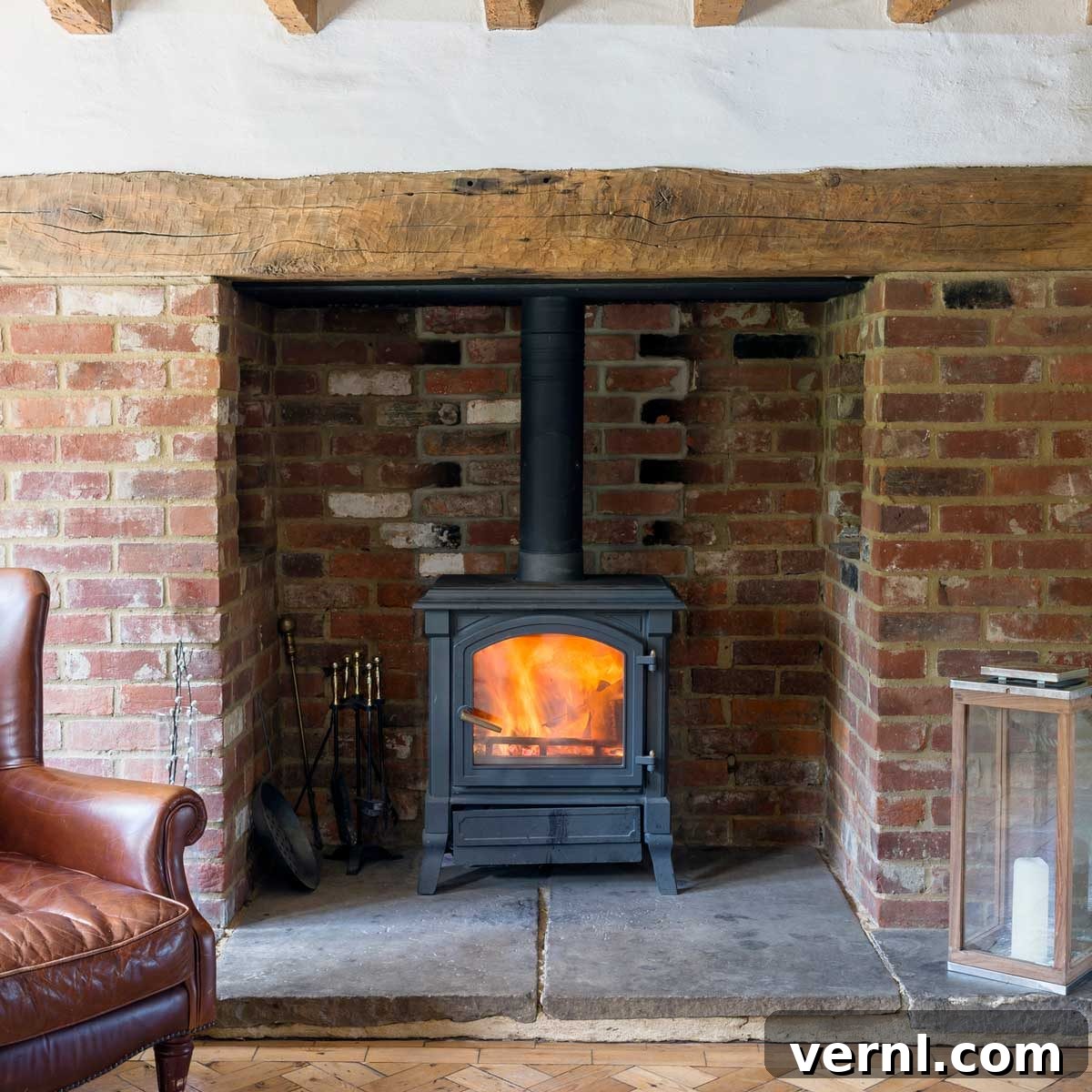
Wood burning stoves have long been a cherished feature in American homes, offering warmth, ambiance, and a sense of self-sufficiency. With an estimated 10.1 million units in use across the nation, this robust and stable industry is now navigating evolving environmental standards. The U.S. Environmental Protection Agency (EPA) has introduced updated guidelines, requiring all new wood burning stoves to emit no more than 4.5 grams of smoke per hour. This stringent regulation aims to significantly minimize greenhouse gas effects, particularly during the colder winter months. This emissions limit is poised for an even tighter reduction, with expectations to decrease by 50 percent within the coming year, driving further innovation in stove design.
Modern wood stove designs are at the forefront of this environmental push, incorporating remarkable innovations that allow them to meet and even exceed these rigorous new standards. If you’re considering heating your home with wood, a contemporary wood burning stove is undoubtedly an option worth exploring. This comprehensive guide will delve into the intricacies of wood burning stoves, explaining their operation, the best firewood for optimal heating efficiency, and critical maintenance practices. By the end, you’ll have the knowledge to decide if a wood burning stove is the right heat source for your household, providing both comfort and potential cost savings.
Should a traditional wood stove not align with your preferences, but the allure of a wood fire remains, alternative options abound. You might consider the charm and efficiency of having a fireplace or a masonry heater built into your home, offering a different aesthetic and heat delivery. For a more refined and convenient wood burning experience, investing in a hardwood pellet burning stove presents an eco-friendly and often more automated solution, utilizing compressed wood pellets for fuel.
Understanding Wood Burning Stoves: What Are They?
Wood burning stoves are essentially self-contained heating appliances meticulously engineered to generate indoor heat through the controlled combustion of wood. These robust units come in a wide array of sizes, styles, and designs, from rustic cast iron models to sleek, modern steel units, allowing them to complement various home aesthetics. Despite their diverse appearances, the fundamental principles governing their operation remain consistent across all models.
At its core, a wood fire is carefully contained within the stove’s firebox, which forms the main body of the appliance. This body is typically constructed from durable materials such as heavy-gauge steel or cast iron, both known for their excellent heat retention and radiant properties. As the wood burns, it heats the metal body of the stove, which then efficiently radiates warmth outwards, permeating the surrounding living space. The smoke and combustion byproducts generated by the fire are safely channeled out of the building through a specialized pipe, known as the flue, which connects the stove to a properly installed and maintained chimney system. This design ensures that toxic gases are vented outdoors, maintaining indoor air quality.
The Mechanics: How Does a Wood Burning Stove Work?
The efficient operation of all wood burning stoves hinges on a continuous and carefully controlled airflow to facilitate combustion and generate heat. Fresh air, rich in oxygen, is drawn into the firebox through adjustable dampers, usually located on the stove’s door or ash pan. This precisely regulated air intake is crucial because combustion, the chemical process of burning, cannot occur without a sufficient supply of oxygen. As the wood burns, producing heat and exhaust gases, these gases are then drawn upwards and out through the chimney, safely exiting the building and preventing them from accumulating indoors.
Many contemporary wood stoves are designed with enhanced efficiency and safety features. Most feature an interior lining of fire brick. These dense, heat-resistant bricks serve a dual purpose: they protect the stove’s metal body from the intense heat of the fire, thereby extending the appliance’s lifespan, and they help retain heat within the firebox, promoting more complete combustion. Furthermore, many modern fireboxes are equipped with specially shaped pieces of sheet steel, known as baffles. These baffles are strategically placed to control and slow the path of hot gases as they move towards the chimney. By increasing the residence time of the gases within the stove, baffles facilitate a more thorough secondary combustion, extracting additional heat before the gases escape and significantly improving overall fuel efficiency and reducing emissions.
Beyond the adjustable primary and secondary air vents typically found at the front of most stoves, many systems also incorporate turn dampers in the indoor portion of the flue pipe that connects to the chimney. Turn dampers are circular metal discs, slightly smaller in diameter than the stovepipe itself, attached to handles that protrude from the pipe. These rotatable dampers give the user precise control over the draft – the rate at which exhaust gases are drawn from the building. By adjusting the damper, the user can slow down or speed up the departure of gases, allowing more or less heat to be retained within the living space. This level of control is essential for optimizing burn times, managing heat output, and maximizing the efficiency of each load of wood.
Is a Wood Burning Stove a Good Heat Source for Your Home?
The suitability of a wood burning stove as a primary or supplementary heat source for your home depends heavily on your lifestyle, preferences, and home layout. Wood burning stoves are certainly not a universal solution, and what works for one household may not be ideal for another. If your preference leans towards low-maintenance heating options where your primary involvement is merely setting a thermostat and paying a monthly utility bill, then the hands-on nature of burning wood might not be for you.
Conversely, if you appreciate a more traditional and engaging approach to home heating, one that involves a degree of physical labor and connection to the heat source, then owning a wood stove can be an incredibly rewarding experience. There’s a common saying among those who rely on wood heat: “Firewood warms you three times.” First, when you cut and split it; second, when you stack it; and finally, when you burn it. This adage beautifully captures the satisfaction derived from the entire process, from sourcing and preparing the fuel to enjoying its warmth.
However, it’s crucial to consider your home’s architecture. If your home is sprawling with numerous closed-off rooms and a complex floor plan, wood heat may not be the most effective choice as a primary heating system. This is because most wood stoves operate primarily by radiant heat and convection within their immediate vicinity, lacking the ductwork systems that distribute warm air evenly throughout a larger, compartmentalized home. Generally speaking, wood burning stoves are best suited for small to medium-sized homes, particularly those with an open-concept layout. In such homes, the heat can circulate more freely, providing more uniform warmth. For larger or more segmented homes, a wood stove might function best as a supplementary heat source for a main living area.
Fueling Your Fire: What to Burn in a Wood Burning Stove
Effective and efficient wood stove operation involves more than simply loading wood into the firebox and walking away. The species of firewood and its moisture content profoundly impact your stove’s performance, influencing everything from heat output to emissions and creosote buildup.
The single most critical factor is using seasoned firewood. All firewood should be cut, split, and then stacked in a well-ventilated area, preferably covered, for a minimum of six months to a year, or even longer for dense hardwoods. This crucial period allows the wood to dry out, reducing its moisture content significantly. Burning seasoned wood is paramount because it results in a much cleaner, hotter, and more efficient burn. Green or unseasoned wood contains a high percentage of water, which must first boil off before the wood can truly burn. This process wastes energy, produces less heat, generates excessive smoke, and significantly increases the buildup of creosote in your chimney, posing a serious fire hazard. You can often tell if wood is seasoned by its faded color, cracks on the ends, lighter weight, and a hollow sound when two pieces are knocked together.
When it comes to wood species, hardwoods like oak, maple, birch, ash, and hickory are generally preferred for their high density and calorific value, meaning they provide the most heat and burn for longer durations. If you reside in an area experiencing seriously cold winters, stocking up on these types of wood is highly recommended for maximum warmth and efficiency. Softwoods, such as pine, fir, spruce, and cedar, tend to burn faster and produce less heat per log due to their lower density and the presence of naturally occurring resins and oils in their fibers. While they don’t offer the same heat output or burn as cleanly as hardwoods, some users find them ideal for milder weather in fall and spring when a full hardwood fire isn’t necessary, or for kindling to get a fire started quickly.
What NOT to Burn: Just as important as knowing what to burn is understanding what absolutely should not go into your wood stove. Never burn treated wood (like pressure-treated lumber), painted wood, particleboard, plywood, or other engineered wood products, as these can release toxic chemicals and heavy metals when burned. Household garbage, plastics, glossy paper, magazines, and colored newspaper inserts should also be avoided, as they can produce hazardous fumes, excessive smoke, and damaging creosote. Driftwood, while seemingly natural, often contains salt which can cause corrosion in your stove and chimney. Burning anything other than clean, seasoned firewood can damage your stove, create dangerous chimney conditions, and release harmful pollutants into the air.
Safety First: Essential Considerations for Wood Burning Stoves
Operating a wood burning stove safely is paramount to protecting your home and family. Beyond proper installation, several ongoing safety practices are crucial:
- Professional Chimney Inspections: Annually, have your chimney and flue system inspected by a certified professional. They can identify any creosote buildup, structural damage, or blockages that could lead to a chimney fire or carbon monoxide leaks.
- Clearances to Combustibles: Ensure your stove maintains adequate clearance from all combustible materials such as walls, furniture, curtains, and firewood stacks, as specified by the manufacturer and local building codes. Non-combustible floor and wall protection is often required.
- Carbon Monoxide Detectors: Install UL-listed carbon monoxide detectors on every level of your home, especially near sleeping areas. Carbon monoxide is a colorless, odorless gas that can be fatal if inhaled.
- Fire Extinguisher: Keep a functioning fire extinguisher rated for Class A fires (ordinary combustibles) readily accessible near your wood stove.
- Proper Ash Disposal: Never dispose of ashes in plastic or cardboard containers. Place hot ashes in a metal container with a tight-fitting lid, and store it outdoors on a non-combustible surface, well away from any structures, for several days until completely cool. Even seemingly cool ashes can contain hidden embers for an extended period.
- Child and Pet Safety: Implement safety measures such as stove guards or gates to prevent children and pets from touching the hot stove surface, which can cause severe burns.
- Maintain Smoke Detectors: Ensure all smoke detectors in your home are operational and tested regularly.
Maintenance Matters: How to Clean and Maintain a Wood Burning Stove
Regular cleaning and diligent maintenance are crucial for the safe, efficient, and long-lasting operation of your wood burning stove system. There are three primary components that require consistent attention:
1. Firebox: This is the main combustion chamber inside your wood burning stove where the fire is contained. Ash buildup within the firebox needs to be removed regularly – typically once a week or more frequently, depending on the size of your stove and how often you burn. While it’s good practice to leave a thin bed of ash (about an inch deep) at the bottom to insulate the fire and help maintain a hot coal bed, excessive ash can hinder airflow, reduce efficiency, and shorten the life of your grate. Use a sturdy metal shovel and a metal ash bucket for removal, remembering the critical safety guidelines for ash disposal mentioned above.
2. Flue Pipe: The indoor stovepipe that connects your stove to the chimney will gradually accumulate ash and, more critically, creosote. Creosote is a highly flammable residue that forms when unburned wood particles and combustion gases condense on cooler surfaces. It can be fluffy, crusty, or tar-like. Excessive creosote buildup, particularly if you frequently burn unseasoned wood or operate your stove with air intake dampers mostly closed (a “smoldering” fire), significantly increases the risk of a dangerous chimney fire. You’ll need to remove this pipe and clean it outdoors with a chimney brush every month or two during the heating season. Inspect the pipe for any signs of corrosion or damage during cleaning.
3. Chimney: The vertical conduit that channels smoke and gases out of your home. Most chimneys are designed with a bottom access port, typically in the basement or at the base of the chimney, specifically for cleaning. Using your stovepipe cleaning brush along with flexible chimney rod attachments, you can scrape loose any ash and creosote buildup from the interior walls of the chimney pipe. This task should be performed a few times each winter, depending on usage. While DIY cleaning is possible, an annual professional chimney inspection and cleaning by a certified sweep is highly recommended. Professionals have specialized tools to thoroughly clean and inspect the entire chimney system, identifying potential issues that a homeowner might miss.
In addition to these major cleaning tasks, don’t overlook smaller maintenance points. Regularly wipe away ash and soot from the inside face of your stove door, especially the glass, to maintain visibility of the fire and ensure an effective seal. Inspect the door gasket periodically for wear and tear; a damaged gasket can compromise the stove’s efficiency and lead to smoke leaks into your home. Replacing worn gaskets is a simple but important task. Finally, periodically inspect the stove body itself for any signs of cracks, rust, or damage, addressing them promptly to maintain the stove’s integrity and safety.
Embracing a wood burning stove means embracing a holistic approach to home heating – one that combines the rustic charm of a real fire with the modern demands for efficiency and safety. By understanding how these systems work, what fuel they require, and the commitment to regular maintenance, you can enjoy the comforting warmth and unique benefits a wood stove brings to your home for many years to come.