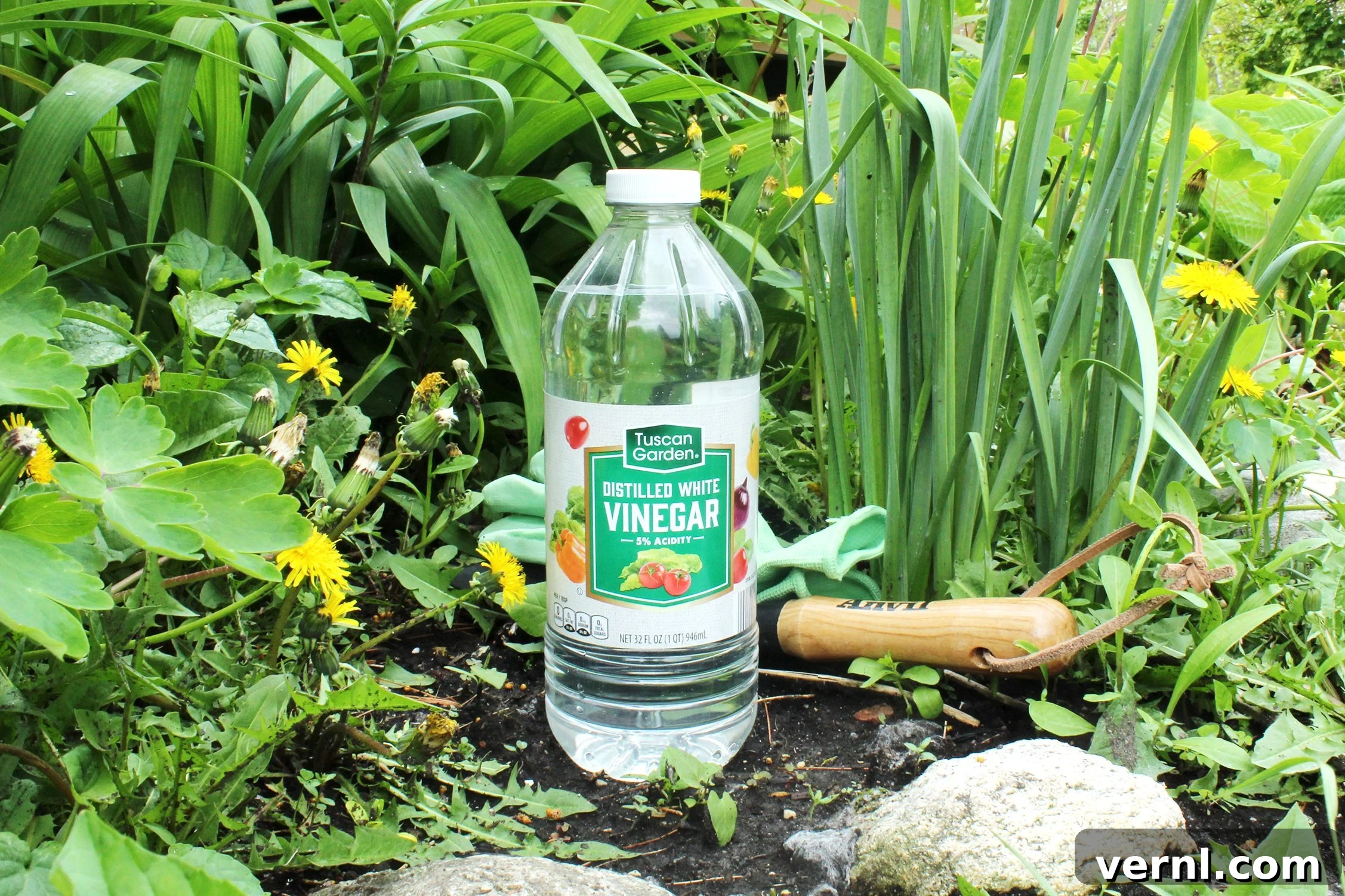
The notion of using common household vinegar as a versatile solution for myriad garden problems is a widespread belief, often passed down through generations or championed by environmentally conscious neighbors. While the appeal of an inexpensive, natural remedy is undeniable, the reality is often far more complex. A closer look, backed by expert research and horticultural insights, reveals that many of these touted practices are ineffective, potentially harmful, or simply not the best solution for your plants and soil.
“You can find lots of online articles about using vinegar in the garden,” notes C.L. Fornari, a Cape Cod-based speaker, writer, and radio host, affectionately known as Garden Lady. “However, in most cases, you should reserve household vinegar for salad dressing and keep it out of your garden.” This sentiment is echoed by many horticultural professionals who advocate for science-backed gardening practices over anecdotal remedies.
Let’s delve into seven commonly promoted uses for vinegar in the garden, dissecting each with a healthy dose of skepticism and expert advice to help you make informed decisions for your green space.
Weed Control: Is Vinegar a Truly Natural Weed Killer?
The idea of spraying vinegar directly onto garden weeds as a safer, natural alternative to synthetic chemical herbicides has gained significant traction. Many gardeners hope to eliminate unwanted plants without resorting to harsh chemicals. However, this popular method comes with significant limitations and potential drawbacks that often go unmentioned.
“In most cases, you will kill the leaves but not the weed roots, so you’ll have to reapply the vinegar frequently,” explains Katie Dubow, president of the Garden Media Group in Kenneth Square, Pennsylvania. This is because standard household white vinegar typically contains only five percent acetic acid. While this concentration is sufficient to scorch the foliage of young, shallow-rooted annual weeds, it rarely penetrates deeply enough to destroy the root system of established annuals or, more importantly, resilient perennial weeds. Without killing the roots, the weed will simply regrow, turning what seems like a quick fix into a never-ending chore.
For more aggressive weed control, one might encounter recommendations for stronger vinegar solutions, often containing 20- to 30-percent acetic acid, sometimes labeled as horticultural vinegar. While these higher concentrations are indeed effective at killing weeds down to the root, they pose significant risks. Fornari warns that such potent solutions are highly corrosive and can cause severe burns to skin and eyes, as well as damage to your respiratory system if inhaled. Furthermore, applying strong acetic acid indiscriminately can harm desirable plants, beneficial soil microbes, and other elements of your garden ecosystem. It’s crucial to understand that even “natural” products can be hazardous if misused or if their chemical properties are misunderstood.
Instead of relying on an unreliable or dangerous vinegar solution, Fornari suggests exploring numerous other organic weed-control alternatives that are both effective and safe for gardeners, their pets, and the environment. These include iron-based and citrus-based weed killers, which target broadleaf weeds without harming grasses, or physical methods such as hand-pulling, mulching, and using landscape fabric to suppress weed growth. Integrated pest management (IPM) strategies, which combine various tactics, offer the most sustainable and effective long-term weed management.
Lowering Soil pH: A Fleeting Fix for Acid-Loving Plants?
Certain plants, like blueberries, azaleas, and rhododendrons, thrive in acidic soil conditions. It’s a common belief that pouring vinegar onto the soil can effectively lower its pH, making it more hospitable for these acid-loving varieties. While vinegar is indeed acidic, its impact on soil pH is typically minimal and short-lived, especially in garden settings.
“Vinegar is not effective with lowering soil pH in any meaningful, lasting way,” Fornari states unequivocally. The five percent acetic acid in household vinegar is simply too weak and breaks down too quickly in the soil to create a sustained change in pH levels. You would need an impractical, exorbitant amount of vinegar to achieve even a temporary, slight reduction in pH, and this effect would diminish rapidly as the vinegar leaches out or is neutralized by the soil’s natural buffering capacity.
Moreover, indiscriminately altering soil pH without proper knowledge can be detrimental. “Let’s be honest: Are you going to pour around the base of your plants something that you thought was a good weed killer?” Fornari asks, highlighting the potential for unintended harm if vinegar is applied too liberally or too frequently. Instead, effective and stable soil pH adjustments are typically achieved using amendments like elemental sulfur or aluminum sulfate, which work over time to create a more lasting change. Research consistently backs the efficacy of these methods.
Before attempting any soil amendment, Dubow emphasizes the critical importance of conducting a professional soil test. Many gardeners try to “play around” with soil pH without knowing their current levels or what their soil truly needs. A comprehensive soil test will provide accurate information about your soil’s current pH, nutrient levels, and texture, allowing you to implement targeted and effective amendments. Services like Tertill’s free soil test (often bundled with their customized fertilizers) offer a convenient way to get started.
Cleaning Garden Tools: A Practical Application for Vinegar
One area where vinegar does find practical utility in the garden is for cleaning. Garden tools, pots, and outdoor furniture can accumulate dirt, sap, and rust, which not only affects their performance but can also harbor plant pathogens. Vinegar can be a moderately effective solution for these tasks.
“The vinegar smell is a little intense,” Dubow acknowledges, referring to its distinct aroma. Nevertheless, she confirms that vinegar can be used to clean various garden items. It works by dissolving mineral deposits and grime, making it easier to scrub away stubborn residue. Soaking tools in a vinegar solution can help loosen rust and dirt, while wiping down plastic pots or furniture can remove algae and general buildup.
Fornari agrees that there’s no harm in using vinegar for cleaning, but she also points out that it’s not a uniquely superior method. “But a stiff brush and water with soap or bleach do the job as well as anything else,” she says. For disinfecting tools to prevent the spread of plant diseases, a 10% bleach solution or rubbing alcohol is generally more effective than vinegar. Regular cleaning and maintenance of your garden tools, regardless of the agent used, is crucial for prolonging their lifespan and ensuring a healthy garden environment.
Keeping Animals Away: An Unreliable Deterrent
Gardeners often struggle with unwanted critters like deer, rabbits, and other pests feasting on their prized plants. A common home remedy suggests soaking rags in vinegar and placing them in low-lying areas of the garden to repel these animals with its strong odor. Unfortunately, this method rarely yields lasting results.
“The vinegar evaporates quickly,” Fornari explains, rendering its repellent effect temporary at best. As the scent dissipates, the animals quickly return. Moreover, many animals are not effectively repulsed by the smell of vinegar. While the initial strong scent might cause a momentary pause, most wildlife will quickly acclimate or simply ignore it if they are sufficiently motivated by hunger.
Fornari further points out that for herbivores like rabbits and deer, deterrents based on predator scents or those that mimic signs of danger (such as blood-, milk-, and egg-based solutions, or commercial repellents designed to taste bad) tend to be far more effective. Physical barriers like fencing, netting, or cages offer the most reliable protection against animal damage. Understanding the specific habits and preferences of the animals you’re trying to deter is key to choosing an effective strategy rather than relying on generalized home remedies.
Stimulating Seed Growth: Mostly Unnecessary Intervention
Some gardening folklore suggests that soaking seeds in a diluted vinegar solution (e.g., one part vinegar to four parts water) can help break down the seed’s tough outer layer, thereby expediting germination. This process, known as scarification, is indeed beneficial for certain seeds with particularly hard coats, allowing water to penetrate and trigger growth.
Dubow acknowledges this theory: “Soaking seeds in a solution of one part vinegar and four parts water helps break down the seed’s outer layer and expedite germination.” However, she quickly concurs with Fornari’s more practical view that for the vast majority of common garden seeds, soaking in vinegar is largely unnecessary and potentially counterproductive.
“To grow seeds, you just need water and sunlight (or appropriate light for germination),” Fornari emphasizes. “What do seeds do in nature? Is anybody out there pouring vinegar on seeds?” Her rhetorical question highlights the fact that nature’s process for germination is remarkably efficient without human intervention, let alone acidic solutions. For most seeds, simply providing optimal moisture, temperature, and light conditions is sufficient. Over-soaking in vinegar could even damage delicate seed embryos or introduce too much acidity, hindering rather than helping germination. If scarification is truly needed, methods like light sanding or nicking the seed coat are generally safer and more controlled.
Stopping Ants: A Targeted Approach
Ants can be a nuisance in the garden and, more critically, when they invade your home. Dubow shares a specific application of vinegar for ant management related to cut flowers: she sprays peony blooms with a solution of one part vinegar to two parts water to deter ants from hitchhiking into her house after she picks the flowers. “The last thing you want is ants in your house,” she explains, and for this specific, limited purpose, vinegar can act as a temporary deterrent on the flowers themselves, masking scents or making the surface less appealing for a short period.
However, it’s important to distinguish this targeted application from general ant control in the garden or home. While vinegar might temporarily deter ants from a specific surface, it is not an effective long-term solution for eradicating ant colonies or preventing widespread infestations. For garden ants, understanding their nesting sites and food sources is key. For household ant problems, sealing entry points, maintaining cleanliness, and using baits or targeted sprays are more effective strategies.
Killing Fruit Flies: An Effective, Targeted Trap
Fruit flies are a common kitchen pest, attracted to ripe fruits and decaying organic matter. Unlike many other purported uses, vinegar, specifically apple cider vinegar, proves to be quite effective as a component in a simple, homemade fruit fly trap. If you have fruit fly problems, Dubow recommends mixing apple cider vinegar, water, a few drops of dish soap, and a touch of honey in a jar, then hanging or placing the jar in affected areas. The sweet, fermented aroma of apple cider vinegar fatally attracts the fruit flies, while the dish soap breaks the surface tension of the liquid, causing them to drown.
This method capitalizes on the fruit fly’s strong attraction to fermented scents. It’s a localized, non-toxic solution that effectively reduces populations of existing fruit flies. However, for long-term prevention, it’s equally important to remove their breeding grounds: promptly refrigerate ripe produce, dispose of overripe fruit, keep drains clean, and empty compost bins regularly. While a highly effective trap, it should be part of a broader strategy for fruit fly management.
The Science Behind the Scrutiny: Why Caution is Key
The skepticism surrounding many vinegar applications in the garden stems from a fundamental understanding of its chemical properties and the complex biology of plants and soil. Household vinegar’s low acetic acid concentration makes it too weak for many tasks, while horticultural vinegar’s higher concentration makes it too dangerous without proper precautions.
Many “natural” remedies, including vinegar, often offer anecdotal success stories but lack the rigorous scientific testing required to prove consistent efficacy and safety. The risk of collateral damage to beneficial insects, desired plants, or the overall soil microbiome often outweighs the perceived benefits. Gardening is a delicate balance, and introducing substances without understanding their full impact can disrupt this equilibrium.
Seeking Reliable Gardening Advice: Navigating a Sea of Information
In the age of instant information, it’s easy to fall prey to gardening fads and unproven remedies found online. “The Internet can be a dangerous neighborhood,” warns Fornari, highlighting how “bad information gets passed along from site to site” without proper vetting. This echo chamber of misinformation can lead gardeners down ineffective or even harmful paths.
To ensure you’re making the best decisions for your garden, Fornari strongly recommends sticking with research and advice from credible, science-backed sources. University extension services, identifiable by their “.edu” domain, are gold standards for reliable horticultural information. These institutions conduct extensive research and provide evidence-based recommendations tailored to local conditions, ensuring that the advice you receive is sound, safe, and effective.
By approaching gardening solutions with a critical eye and consulting expert-backed resources, you can cultivate a thriving garden using methods that are genuinely beneficial for both your plants and the environment.
FAQ: Common Questions About Vinegar in the Garden
Does vinegar harm plants in the garden?
Yes, vinegar can definitely harm plants in the garden, especially if used improperly or in high concentrations. The acetic acid in vinegar can cause rapid burn to plant tissue, leading to wilting, scorching, and even death of the plant. While a 2002 USDA study on vinegar’s effectiveness as an herbicide was inconclusive, it did note that “spot spraying of cornfields with 20 percent vinegar killed 80 to 100 percent of weeds without harming the corn.” However, researchers at Purdue University stress that “vinegar causes a rapid burn to plant tissue of susceptible species, so unintended injury is quite likely without knowing more information.” This means that while some robust plants like corn might tolerate it, your delicate perennials, vegetables, or ornamental plants are highly susceptible to damage. Always test in low doses on an inconspicuous area if you decide to experiment, but it’s generally safer to avoid applying vinegar directly to desired plants.
What kind of vinegar should I use in the garden?
Most common household white vinegar contains about 5% acetic acid. This is the type typically referenced in home remedies. Stronger versions, often labeled “horticultural vinegar,” can contain 10% to 30% acetic acid. It’s crucial to understand that higher concentrations are significantly more potent and hazardous. For general garden cleaning, household vinegar might suffice, but for tasks like weed killing, stronger concentrations are needed, which in turn pose severe risks to skin, eyes, and lungs, as well as to desirable plants and beneficial soil life. Apple cider vinegar is sometimes recommended for specific traps (like fruit flies) due to its distinct aroma, but its acetic acid concentration is similar to white vinegar.
Is vinegar safe for all soil types?
While household vinegar’s impact on soil pH is generally temporary and minimal, repeated or large applications could potentially disrupt soil microbial activity. Soil microbes are vital for nutrient cycling and overall soil health. In sandy soils, where nutrients leach easily, adding large amounts of vinegar might temporarily alter the chemical balance more significantly than in rich, buffered loamy soils. However, given its weak and transient effect, vinegar is generally not a recommended or effective soil amendment for any soil type, and its indiscriminate use carries more risk than benefit.
Will vinegar kill beneficial insects?
Potent concentrations of horticultural vinegar (20-30% acetic acid) are indiscriminate. While they might kill weeds, they can also harm beneficial insects like bees, ladybugs, and predatory mites if they come into direct contact with the spray. Even household vinegar, if applied widely, could negatively impact smaller beneficial insects. When considering any garden treatment, it’s important to think about the broader ecosystem and prioritize solutions that minimize harm to non-target organisms.
What are truly eco-friendly alternatives to chemical weed killers?
There are many effective and truly eco-friendly alternatives. These include:
- Manual Removal: Hand-pulling, hoeing, or using specialized weeding tools.
- Mulching: Applying a thick layer of organic mulch (wood chips, straw, shredded leaves) suppresses weed growth by blocking sunlight.
- Groundcovers: Planting dense groundcover plants that outcompete weeds.
- Weed Barriers: Using landscape fabric or cardboard under mulch.
- Flame Weeding: For non-flammable areas like paths or driveways.
- Iron-Based Herbicides: These selectively kill broadleaf weeds without harming turfgrass.
- Corn Gluten Meal: Acts as a pre-emergent, preventing weed seeds from germinating.
- Boiling Water: Effective for weeds in cracks or on patios where collateral damage isn’t an issue.
These methods focus on prevention and targeted removal, fostering a healthier garden ecosystem.
About the Experts
- C.L. Fornari is a Cape Cod-based speaker, writer, and radio host, widely recognized as Garden Lady. She offers a wealth of knowledge and practical advice on sustainable gardening practices.
- Katie Dubow is the dynamic president of the Garden Media Group, located in Kenneth Square, Pennsylvania. Her expertise lies in garden trends, marketing, and effective communication within the horticulture industry.
Sources
- Spray Weeds With Vinegar? United States Department of Agriculture. 2002.
- Conquer Weed With Vinegar? Purdue University.