The mere mention of “bed bugs” is often enough to send shivers down one’s spine. These notoriously persistent, blood-sucking parasites have become a widespread nuisance, making their presence felt in homes, hotels, and public spaces across the globe. Their global ubiquity is largely a byproduct of our interconnected world, as we inadvertently transport them from one location to another, providing them with ample opportunities to thrive. Many individuals face the arduous challenge of eradicating these pests, often requiring multiple professional extermination attempts to reclaim their peace of mind.
However, what many don’t realize is that bed bugs have a lesser-known, yet equally fascinating relative: the bat bug. While sharing many characteristics with their more infamous cousins, bat bugs primarily target bats as their food source. Both species belong to the same genus, Cimex, a testament to their close evolutionary relationship. As Kait Chapman, an Extension Educator and Urban Entomologist at the University of Nebraska-Lincoln, highlights, their genetic proximity means they share many physical and behavioral traits.
Despite their similarities, encounters with bat bugs are generally less common, and their bites are often less irritating compared to those of bed bugs. Understanding the nuances between these two tiny adversaries is crucial for accurate identification and effective pest management. This comprehensive guide will delve into the distinct features, habitats, behaviors, and eradication methods for both bat bugs and bed bugs, equipping you with the knowledge to confront these pests head-on.
Understanding Bat Bugs: The Bat’s Unwanted Companion
Bat bugs are small, parasitic insects that primarily sustain themselves by feeding on the blood of bats. Their existence is intrinsically linked to bat populations, making them common inhabitants of areas where bats roost. However, in the absence of their preferred hosts, these adaptable insects are known to seek alternative blood meals from birds and various mammals, including humans. This adaptability is precisely why they can sometimes become an unexpected problem in human dwellings.
Emma Grace Crumbley, an entomologist at Mosquito Squad, notes, “Bat bugs are often mistaken for bed bugs as they share similarities in size, shape, and color.” Like bed bugs, they are not social insects and do not form structured colonies, nests, or hives. Instead, they operate as solitary feeders, although multiple individuals may be present in a heavily infested area.
What Do Bat Bugs Look Like?
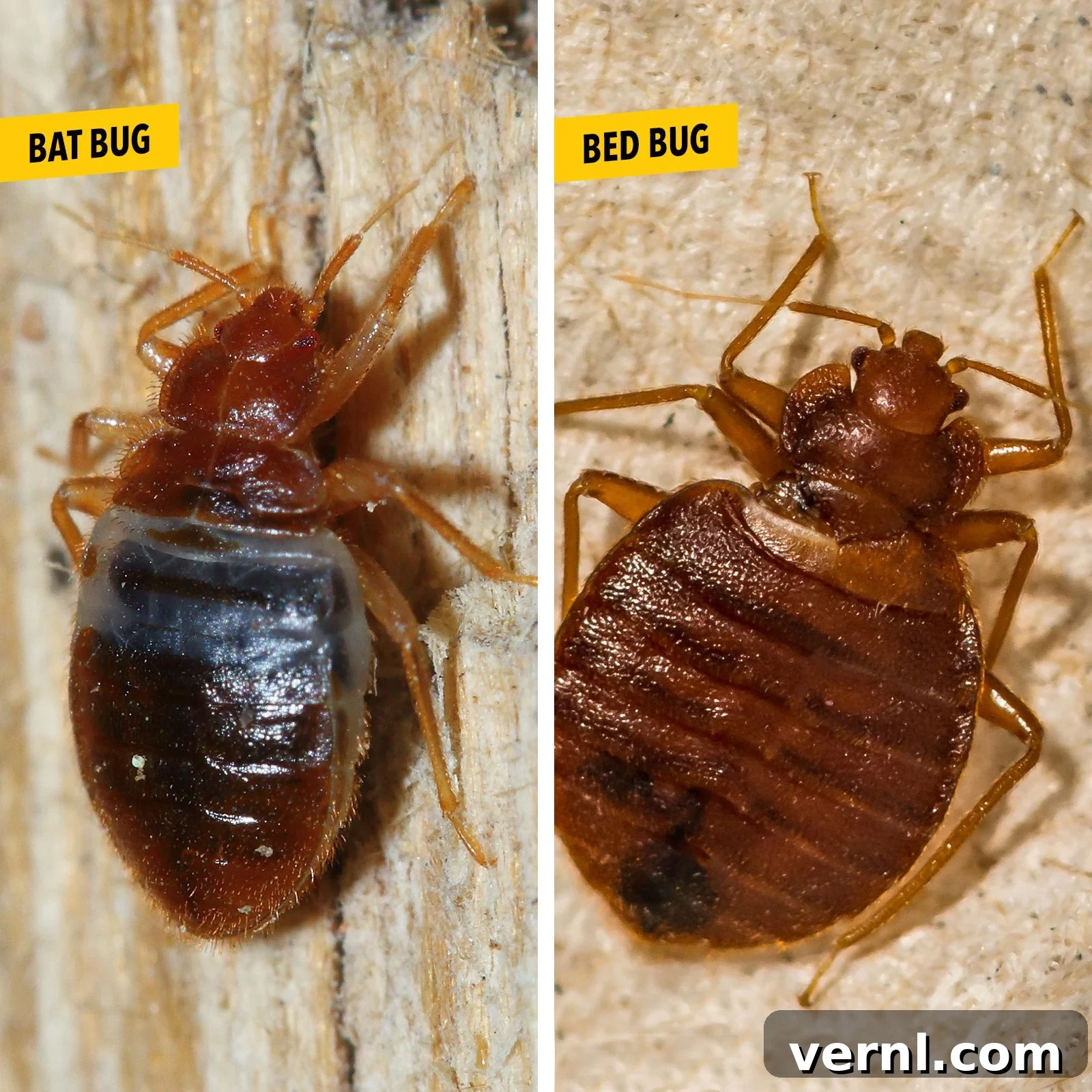
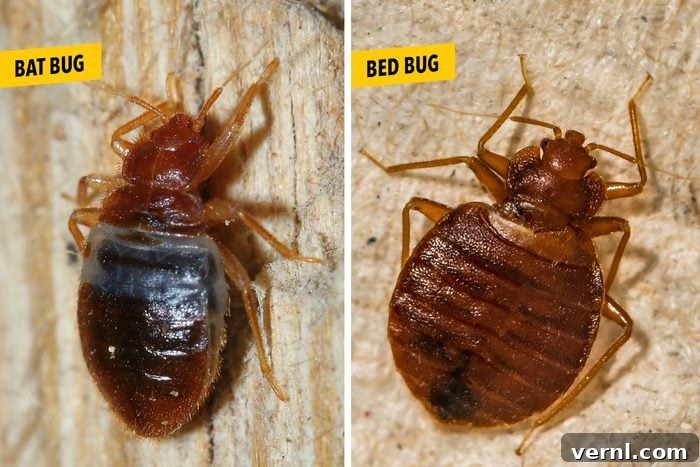
Bat bugs possess the classic appearance of a parasitic insect: they are wingless, flat, and oval-shaped. Adult bat bugs typically measure up to 1/4 inch long, roughly the size and shape of an apple seed. Their coloration ranges from brown to beige or a reddish-brown hue, which can deepen after a blood meal. Distinguishing them from bed bugs with the naked eye is a challenge, even for trained professionals.
According to Ian Williams, an entomologist and technical services manager at Orkin, “The biggest visual difference is that bat bugs possess longer and more hairs on their body than a bed bug.” This subtle hirsute characteristic is a key identifier for experts. However, he emphasizes that pinpointing this difference usually requires a professional entomologist and the aid of a magnifying lens, underscoring the difficulty of casual identification.
Where Do Bat Bugs Live and How Do They Infest Homes?
True to their name, bat bugs primarily reside wherever bats nest or roost. This typically includes attics, wall voids, chimneys, and other secluded spaces within structures that bats inhabit. Their presence is a strong indicator of an active or recent bat infestation. The critical moment for human encounters often arises when their primary hosts are no longer available.
When bats are excluded from a building, or when overwintering bat populations depart for warmer climates, bat bugs find themselves without a food source. At this juncture, they become desperate and may begin actively searching for new hosts. This search can lead them from bat-inhabited areas into human living spaces, particularly rooms on upper-level floors that are closest to their original bat roosts. Once inside, they tend to hide in dark crevices, behind molding, under baseboards, and within fabric folds of furniture and bedding, much like bed bugs.
Williams further explains their opportunistic nature: “They will even latch onto mice and rats, providing a convenient method of entry into kitchens or basements.” This indirect entry allows them to infiltrate even more areas of a home. Remarkably resilient, bat bugs can survive for more than a year without feeding, allowing them to lie dormant for extended periods in carpeting, furniture, and structural voids, patiently awaiting a host.
Do Bat Bugs Bite Humans?
Yes, bat bugs will readily bite humans if no bat hosts are available. While they prefer bat blood, human blood is a viable alternative when survival necessitates it. However, encounters leading to bites are less frequent than with bed bugs, largely because their initial habitat is typically confined to bat roosts, not human living spaces.
Crumbley points out that “Their mouthparts are so small that their bites often go undetected.” Many individuals may not even realize they have been bitten. Nevertheless, sensitive individuals or those with insect allergies may experience a reaction, manifesting as small, swollen, and itchy welts. These bites often resemble mosquito bites and can be difficult to distinguish without other evidence of an infestation.
Are Bat Bugs Dangerous?
Fortunately, bat bugs are not considered dangerous in terms of disease transmission. Unlike some other blood-feeding parasites, they are not known to transmit any pathogens to humans. The primary concern associated with their bites is localized skin irritation and the potential for secondary infections. Excessive scratching of an itchy bite can break the skin, creating an open wound susceptible to bacterial infection, which may require medical attention.
How to Effectively Get Rid of Bat Bugs
Addressing a bat bug infestation effectively requires a multi-pronged approach, with the first and most critical step being the resolution of any underlying bat problem. If you discover bat bugs in your home, it is a strong indication that bats are (or recently were) roosting somewhere within the structure. Initiating a humane bat exclusion program, following guidelines from wildlife control experts, is paramount to prevent re-infestation.
Once the bats have been safely and humanely removed, focus can shift to eliminating the bat bugs. Key steps include:
- Sanitizing Infested Items: Thoroughly wash and dry all linens, clothing, curtains, and other washable fabrics on the hottest setting possible. Heat is highly effective at killing bat bugs and their eggs. Items that cannot be washed can be tumble-dried on high heat for at least 30 minutes.
- Detailed Vacuuming: Conduct meticulous vacuuming of all affected areas. Pay close attention to molding, baseboards, window and door seals, and all carpeting. Use a crevice attachment to reach into cracks, seams of furniture, and any other tight spaces where these insects might hide. Immediately after vacuuming, dispose of the vacuum bag contents in a sealed outdoor trash bin to prevent re-infestation.
- Application of Insecticides: For persistent infestations, consider applying an insecticide. It is crucial to follow product instructions exactly and use only EPA-approved products specifically labeled for bat bugs or similar insects. Misapplication can be ineffective or even harmful. Focusing on cracks, crevices, and areas where bugs are suspected to hide is more effective than broad-surface spraying.
For severe or widespread infestations, or if you are unsure about the presence of bats or their complete removal, it is highly recommended to contact a certified professional pest control company. These experts possess the knowledge, equipment, and experience to accurately identify the pest, implement an integrated pest management plan, and ensure thorough eradication.
Bed Bugs: The Global Travelers
Bed bugs are small, nocturnal, wingless insects that have developed a notorious reputation for feeding exclusively on the blood of humans, typically during the hours of darkness when their hosts are asleep. While their name suggests a preference for beds, these resilient pests can infest a wide range of environments. Though commonly found in mattresses and bed frames, they readily inhabit and hide in other fabric items, including towels, upholstered furniture, and carpets, as well as cracks and crevices throughout a room.
Crumbley reiterates that “Bed bugs are not social insects, forming nests or colonies or nests like ants or bees, but they are rarely seen by themselves.” Their presence often indicates an infestation, where multiple individuals and their offspring can be found clustered in preferred hiding spots. While humans are their primary target, bed bugs are opportunistic and can also take blood meals from various animals, including domestic cats and dogs, especially in the absence of human hosts.
What Do Bed Bugs Look Like?
Adult bed bugs are remarkably similar in appearance to bat bugs. They are also about the size of an apple seed (approximately 1/4 inch long), with a flat, oval-shaped body, and lack wings. Their color typically ranges from a reddish-brown to a darker brown, darkening further after a blood meal. The striking resemblance between bed bugs and bat bugs is a primary reason for misidentification. Ian Williams from Orkin addresses a common misconception: “There’s a myth that bed bugs are too small to see with the naked eye, but that’s not true.” While they are small, adult bed bugs are clearly visible to the naked eye, especially when actively crawling.
Where Do Bed Bugs Live and How Do They Spread?
Bed bugs exhibit a strong preference for hiding in areas where people rest or spend significant amounts of time. This includes mattresses, box springs, bed frames, headboards, nightstands, and upholstered furniture like couches and recliners. Being nocturnal, they are experts at concealment during the day, making them challenging to spot unless you know where to look.
A significant factor in their widespread distribution is their ability to “hitchhike.” As Chapman explains, “Bed bugs are also notorious for hitchhiking on belongings, which is how they are spread from household to household.” They readily cling to luggage, clothing, used furniture, and other personal items, allowing them to be transported across vast distances. This makes travel, secondhand purchases, and communal living spaces prime vectors for their dissemination.
Crumbley further elaborates on their fascinating behavior: “Bed bugs are also positively thigmotactic, which means they like feeling pressure on all sides of their bodies.” This innate preference for tight spaces dictates their hiding patterns. “This means that bed bugs aren’t going to hang out on top of your sheets, but rather bed bugs like to be in the wrinkles, in between the sheets, in the cracks and crevices of the bed frame and in the mattress itself to feel safe and secure as they wait for their next meal,” she adds. This explains why they are so hard to find and why thorough inspection of seams and tight gaps is essential.
Do Bed Bugs Bite Humans?
Yes, bed bugs are exclusively human parasites, and their bites are the most common indicator of an infestation. Their bites typically appear as small, flat, or slightly raised red areas that can be swollen, blistered, and intensely itchy or even painful. These bites often occur in clusters or a linear pattern, commonly referred to as “breakfast, lunch, and dinner,” as the bug feeds multiple times while moving along the skin.
However, reactions vary greatly among individuals. Williams notes, “Bites may not become obvious for several days.” Furthermore, “many people do not react at all to the bite of a bed bug, so many bites leave no mark and go completely unnoticed.” This lack of reaction in some individuals can allow an infestation to grow unchecked for extended periods, as the initial warning signs are absent.
Are Bed Bugs Dangerous?
Similar to bat bugs, bed bugs are not known to transmit diseases to humans, alleviating a significant health concern often associated with other blood-feeding insects. The primary health risks revolve around the skin reactions to their bites. Beyond the characteristic red and itchy welts, intense scratching can lead to secondary skin infections, which may require antibiotic treatment. In extreme cases, bites can swell dramatically, become blistery, and lead to significant discomfort and potential allergic reactions.
Williams advises that if you or your pet develop a persistent rash or severe reaction after being bitten, it’s crucial to avoid scratching the affected area. If the bites become infected or if the reaction is unusually severe, contact a medical professional for advice and treatment. For pets, a veterinarian should be consulted.
How to Effectively Get Rid of Bed Bugs
Eradicating a bed bug infestation is notoriously challenging and often requires the expertise of pest management professionals. The difficulty stems from their cryptic hiding habits and their resilience. As Crumbley states, “Because bed bugs are small and fairly flat, they can easily hide in many areas throughout a room, making controlling bed bugs especially challenging.”
Successful bed bug removal typically involves a multi-step, integrated pest management approach that combines various chemical and non-chemical treatments:
- Professional Intervention: Most people find it necessary to call pest management professionals. They can accurately identify the scope of the infestation and apply targeted treatments.
- Chemical Insecticides: Professionals use a range of chemical insecticides, including residual sprays, dusts, and aerosols, applied to cracks, crevices, and other known hiding spots.
- Non-Chemical Treatments: These often include heat treatments (raising room temperatures to lethal levels for bed bugs), steam treatments for surfaces, and thorough vacuuming to remove bugs and eggs. Cryonite (freezing) treatments are also sometimes employed.
- Fumigation: In severe or widespread infestations, particularly in commercial or multi-unit settings, fumigation may be warranted as a last resort.
- Monitoring: Post-treatment monitoring using interceptor traps and regular inspections is crucial to ensure complete eradication and prevent recurrence.
Ultimately, your best defense against bed bugs is proactive prevention. Vigilance can significantly reduce the risk of bringing these pests into your home:
- Hotel Inspections: Be extremely wary of bed bugs in hotels. Always inspect mattresses, headboards, and luggage racks thoroughly upon arrival to avoid carrying them home in your luggage.
- New and Used Furniture: Carefully inspect any new or secondhand furniture, particularly mattresses and upholstered items, before bringing them into your home.
- Seal Entry Points: In multi-unit housing, seal up cracks and crevices in walls, around plumbing, and along baseboards between rooms. Williams points out, “In multiunit housing complexes, bed bugs have been known to travel along and through wall voids, using plumbing and electrical pathways,” highlighting the need for vigilance in shared living spaces.
About the Experts
Kait Chapman is an Extension Educator of Urban Entomology at Nebraska Extension and the University of Nebraska-Lincoln. Kait dedicates her expertise to leading educational programs on urban insects and other arthropods that significantly affect human wellbeing, including pressing concerns such as head lice, bed bugs, and ticks.
Emma Grace Crumbley is a respected entomologist at Mosquito Squad. A self-described “bug nerd,” she passionately uses her extensive knowledge and enthusiasm to educate the public about the fascinating and often misunderstood world of insects and their impact on our lives.
Ian Williams is a highly qualified board-certified entomologist and a certified wildlife control professional. Currently serving as a technical services manager at Orkin, he plays a vital role in training and educating Orkin professionals and the general public on effective pest management strategies and the intricacies of various pest species.