For many decades, devices designed to shield vehicle interiors from the sun have been a common sight on cars and trucks. The earliest iterations, often referred to as sun visors, were mounted externally, affixed to the vehicle’s roofline. These exterior visors served multiple functions: akin to the brim of a baseball cap, they effectively minimized sun glare, diverted rain, and often enhanced the vehicle’s aesthetic appeal and distinct personality. As automotive design evolved, these external visors gradually faded from popularity, replaced by interior sun visors which subsequently became a standard feature. While these interior visors offered crucial protection against blinding sun glare during driving, their utility was largely limited to this specific function.
Throughout my extensive career as a General Motors and ASE Master Technician, I’ve witnessed firsthand the devastating effects of prolonged sun exposure on vehicle interiors. I have personally replaced hundreds of costly interior plastic trim panels, dashboards, and other components—damage typically not covered by auto insurance—all victims of relentless sunlight and the dangerously high temperatures produced by the “greenhouse effect.” This phenomenon can rapidly transform a parked car into an oven. Without an effective sunshade and with windows sealed, the sun’s infrared (IR) radiation waves become trapped inside the vehicle, mirroring how heat, even on the coldest days, becomes intensely concentrated within a greenhouse.
While today’s advanced sunshades are not designed to block sun glare while driving, their primary and critical role is to significantly reduce interior temperatures and provide essential protection for vulnerable interior trim and surfaces. Join us as seasoned automotive and accessory experts share invaluable insights and practical tips on how to effectively utilize sunshades to safeguard your vehicle’s interior, enhance comfort, and ultimately make your driving experience far more enjoyable.
The Essential Role of Car Sunshades: More Than Just Shade
Car sunshades are specifically engineered to be a formidable barrier against the sun’s most damaging elements: ultraviolet (UV) radiation and infrared (IR) radiation waves. Both UV and IR rays effortlessly penetrate vehicle glass, subsequently heating every surface and object within the passenger compartment. “Sunshades offer tremendous benefits, playing a critical role in protecting interior trim, finishes, and various components from degradation,” states Melanie Musson, a renowned auto insurance and industry expert. As internal cabin temperatures soar under direct sunlight, this intense heat is relentlessly transferred to and absorbed by sensitive interior elements such as the dashboard, steering wheel, door trims, and seats.
“Without adequate protection, critical control switches and metal accents can quickly reach perilous temperatures of 180-200 degrees Fahrenheit in less than an hour,” warns Juliette Zambrano, owner of Innovative Wraps. Drawing from my own extensive professional experience, I have personally observed and remedied the widespread damage caused by relentless solar exposure: seats and fabric trims losing their vibrant color and fading, hundreds of dashboards and crash pads becoming severely cracked and buckled, steering wheels splitting apart, and numerous electrical components malfunctioning—all directly attributed to the sun’s destructive heat.
Unyielding Benefits of Using Car Sunshades
“Incorporating sunshades into your car care routine offers a multitude of advantages,” explains Zambrano. These significant benefits include:
- Preventing Interior Fading and Cracking: By blocking harmful UV rays, sunshades effectively prevent seat upholstery, dashboard materials, and color trim from fading prematurely, cracking, or warping. This preserves the aesthetic appeal and structural integrity of your vehicle’s interior.
- Significant Temperature Reduction: Sunshades actively block the sun’s infrared radiation, which is responsible for heat transfer, helping to maintain significantly lower interior temperatures on bright, sunny days. This makes entering your vehicle much more comfortable and reduces the initial blast of oppressive heat.
- Enhanced Fuel Efficiency: By lowering interior temperatures by 30 to 40 degrees Fahrenheit, sunshades substantially reduce the workload on your vehicle’s air conditioning (AC) system. A less strained AC system consumes less power from the engine, directly translating into noticeable fuel savings and reducing wear and tear on expensive AC components.
- Improved Interior Longevity and Comfort: Lowering internal temperatures results in “cooler touchpoints” such as the steering wheel, gear shifter, and seat surfaces, making them comfortable to handle immediately upon entry. This also contributes to a longer lifespan for all interior materials and electronic components, as extreme heat accelerates degradation.
- Preserving Resale Value: Protecting the interior from sun damage is a crucial factor in maintaining your car’s overall condition and appearance. “A well-preserved interior significantly helps to maintain your car’s resale value,” emphasizes Musson, making it a wise investment for future sales.
- Effortless Installation and Removal: Most modern sunshades are designed for user-friendliness. Once you understand the simple setup, they are typically very easy to install and remove, requiring no specialized tools or hardware. This convenience encourages consistent use.
- Protection for Electronics: High temperatures can severely damage sensitive in-car electronics, including infotainment screens, GPS devices, and charging ports. Sunshades help shield these components from overheating, prolonging their operational life and preventing costly repairs.
Potential Drawbacks and Considerations
While the benefits of sunshades are clear, it’s important to acknowledge certain limitations. Naturally, you cannot operate your vehicle with a sunshade obstructing the windshield. Additionally, it’s prudent to consult your local state motor vehicle laws regarding any restrictions on driving with side and back window curtains or mesh screens in place. Other potential drawbacks include:
- Universal Fit Limitations: “Universal,” or one-size-fits-all sunshades, frequently fall short of providing optimal coverage. They may leave noticeable gaps along the edges, allowing light and heat to penetrate, or they might require inconvenient trimming for a somewhat proper fit, compromising their effectiveness.
- Installation Challenges: Certain designs, such as accordion-fold or roll-up shades, can be cumbersome to install or remove, especially in tight vehicle interiors or smaller cars where maneuverability is limited.
- Suction Cup Marks: While integrated suction cups offer a stable and secure installation, they can sometimes leave unsightly “shadow marks” or residue on the windshield glass, requiring extra cleaning.
- Storage Inconvenience: Larger or custom-fit shades, while offering superior protection, can sometimes be tricky to fold, remove, or store neatly within your car without taking up significant space or becoming a nuisance.
- Partial Coverage: Many standard sunshades only cover the windshield. For comprehensive interior protection against the sun, you will need to invest in additional mesh window shades for side and rear windows.
- Material Degradation: Cheaply made sunshades, or those constructed from inferior materials, are prone to warping, wrinkling, and rapidly losing their essential ability to reflect IR and UV rays after only a few uses, rendering them ineffective.
- Cost of Premium Options: While offering the best fit and highest level of protection, custom-made sunshades can represent a significant upfront investment compared to their generic counterparts.
Ultimately, a careful evaluation of these pros and cons will guide you in determining if and which brand of sunshade aligns best with your specific needs and budget. Following this assessment, you can then focus on selecting the optimal type and design for your vehicle.
Do Car Sunshades Truly Deliver on Their Promise?
The unequivocal answer is a resounding yes. “They are remarkably effective at helping to regulate the internal temperature of your car, which significantly enhances comfort for occupants and extends the operational lifespan of sensitive in-car electronics,” affirms Paul Knoll, Senior Marketing Director at American Trucks. The benefits extend beyond immediate comfort; your entire vehicle, particularly its interior, is under constant siege from the sun’s relentless assault.
By actively blocking both UV and IR radiation, sunshades serve as the critical first line of defense against sun-induced damage and the development of blistering interior temperatures. They simultaneously contribute to a considerably “improved driving experience, especially prevalent on hot, sunny days,” as highlighted by Zambrano. Instead of stepping into a vehicle where interior surfaces have reached scorching temperatures capable of burning skin, employing sunshades helps maintain cabin temperatures at a much lower, more manageable level. This not only spares you from discomfort but also significantly reduces the punishing effects on your car’s precious interior components, preserving their integrity and appearance for years to come.
Why Material Choice is Paramount for Sunshade Effectiveness
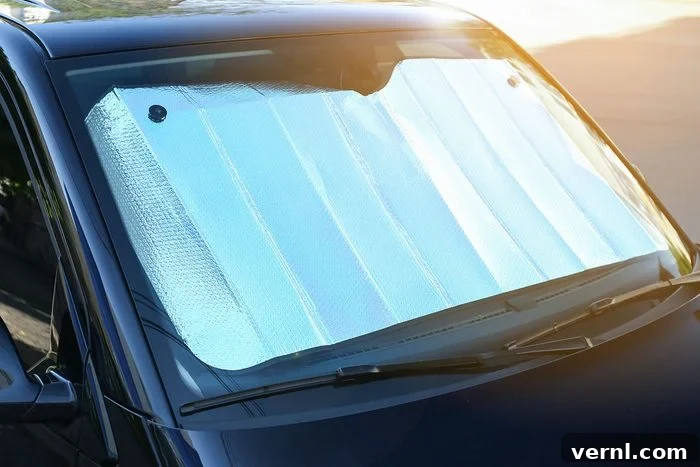
Indeed, the materials from which sunshades are constructed are critically important and directly correlate with their overall performance. “The most effective sunshades for superior heat reduction are those made from bright, highly reflective film that sits flush against the windshield glass, creating an optimal barrier,” advises Zambrano.
When selecting a sunshade, prioritize products that “seamlessly integrate highly reflective materials, such as metal-coated polyester, commonly known as Mylar,” suggests Knoll. He explains, “These materials perform exceptionally well because they actively reflect solar energy back away from the vehicle, rather than absorbing and trapping it within the cabin.”
“There is a diverse array of materials that demonstrate proven effectiveness in sunshade construction,” adds Musson. Premium sunshades often utilize durable 240T polyester fabric, frequently featuring multi-layered construction with a foam core. This foam core provides superior insulation properties compared to simpler fabric-only sunshades. Additionally, the incorporation of reflective vinyl coatings not only enhances the shade’s durability but also significantly boosts its heat resistance, ensuring long-lasting performance.
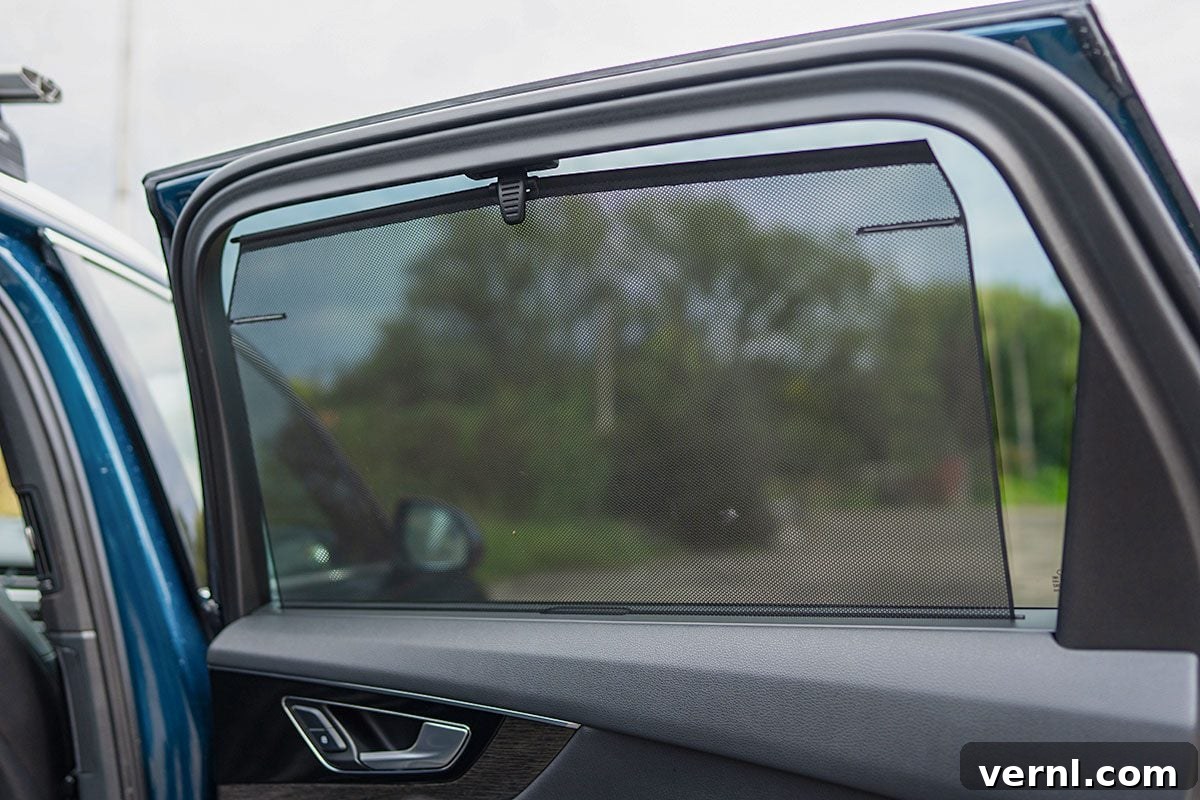
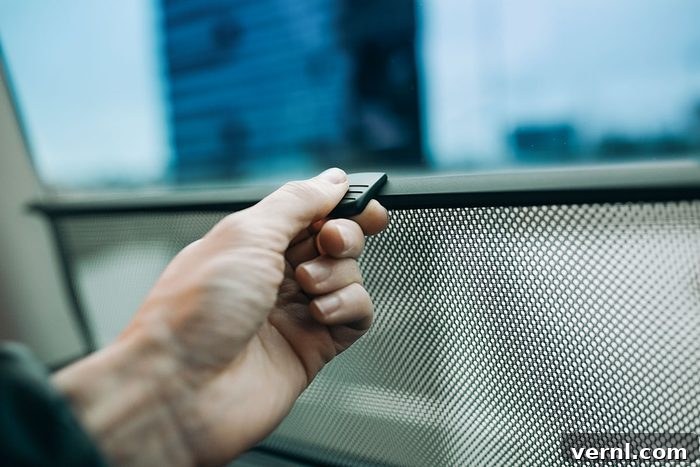
Zambrano also notes, “While mesh is an excellent choice for side and back windows to effectively cut down on harsh glare, it’s important to understand that it will not reflect heat with the same efficiency as a specialized reflective windshield shade.” For maximum heat rejection, a dedicated reflective windshield shade is indispensable, while mesh can perfectly complement it for side window glare control and privacy.
Selecting the Best Sunshade for Your Car: Key Factors
When searching for the optimal sunshade for your vehicle, a crucial specification to look for is a UV blockage protection rating of 90 percent or higher. According to Paul Knoll, “custom-fit sunshades consistently deliver the best possible coverage and superior protection compared to generic alternatives. Reputable manufacturers such as WeatherTech or Covercraft are renowned for producing precision-fit, highly reflective sunshades that are engineered to maximize cooling efficiency within the vehicle.” For enhanced daily usability and convenience, always opt for sunshades that are remarkably easy to set up and take down. The easier and quicker the process, the more consistently you will integrate them into your routine. “Foldable or accordion-fold shades generally offer the highest degree of ease for routine day-to-day use,” Musson further emphasizes, highlighting their practical advantages for busy vehicle owners.
Beyond fit and material, consider the type of sunshade that best suits your lifestyle:
- Accordion-Fold Shades: These are popular for their quick deployment and relatively compact storage. They often feature sturdy construction and provide good rigidity, ensuring a snug fit.
- Roll-Up Shades: Roll-up designs offer a sleek, unobtrusive storage solution, often tucking away neatly. However, they can take a little longer to deploy and may not always achieve the same level of rigidity as accordion types.
- Pop-Up/Twist-Fold Shades: Known for their extreme portability and ability to fold down into a very small disc, these are excellent for convenience. They might require a bit of practice to refold quickly but are ideal for those who prioritize minimal storage space.
- Rigid Panel Shades: These multi-panel shades offer exceptional insulation and custom fit. While they provide superior protection, they can be more cumbersome to store due to their less flexible nature.
Investing in a high-quality sunshade from a reputable brand not only provides superior protection but also ensures durability and a longer lifespan for the product itself.
Beyond Sunshades: Additional Strategies to Keep Your Car Cool
While sunshades are incredibly effective, combining them with other cooling strategies can maximize your car’s defense against heat. The simplest and most economical method to keep your car cool is strategic parking: always seek out shaded spots, park under a canopy, or utilize a parking garage whenever possible. Remember to always keep the sunroof sunshade closed to block additional heat ingress. When parking under trees, be prepared to remove any tree sap or bird droppings promptly to prevent paint damage. Several other effective methods can significantly contribute to lowering interior temperatures:
- Window Tinting: Modern window films are highly effective at blocking UV and IR rays, dramatically reducing heat buildup and protecting interiors.
- Reflective Dashboard Mats: These mats not only cover the dashboard but also reflect sunlight, preventing heat absorption by this large surface and further reducing glare.
- Solar-Powered Fans: While not a replacement for AC, small solar-powered fans can help circulate air and vent some hot air out of the cabin when parked, preventing extreme heat buildup.
- Side Window Shades: For rear and side windows, mesh shades or roller blinds can offer additional protection from direct sunlight, especially for passengers.
- Covering Interior Surfaces: Temporarily covering the steering wheel, seats, and dashboard with light-colored towels can block direct sunlight, keeping these specific surfaces cooler to the touch. However, this method will not significantly lower the ambient air temperature within the cabin.
- Car Covers: For extended parking, a full car cover offers comprehensive protection from sun, dust, and other elements, keeping the entire vehicle significantly cooler.
- Light-Colored Interior: While not an immediate solution, choosing a car with lighter interior colors can naturally absorb less heat than darker alternatives.
Frequently Asked Questions About Car Sunshades and Cooling
Is It Beneficial to Crack My Car Windows When Parked?
Slightly cracking your windows can offer a modest benefit by allowing some of the superheated air inside your car to escape, creating a slight venting effect. However, the impact on overall temperature reduction is often minimal. “It can certainly soften that initial intense blast of heat when you first get into your vehicle after it has been sitting under the sun all day,” notes Zambrano. When considering this approach, it is crucial to weigh security risks, as leaving windows open, even slightly, can compromise vehicle security. Additionally, unpredictable weather conditions, such as sudden rain, could lead to a wet interior. For these reasons, while it helps a little, it’s not a foolproof solution for significant cooling.
Does Window Tinting Play a Role in Keeping the Car Cooler?
Absolutely, window tinting is an incredibly effective solution for maintaining a cooler car interior. Today’s modern window tinting technologies are capable of reducing interior heat by a remarkable margin, often up to 60 percent. Furthermore, high-quality tints can block an astounding 99 percent of harmful UV rays and filter out up to 90 percent of the sun’s heat-generating infrared (IR) radiation, making the interior dramatically cooler and more comfortable. Some states permit the application of sun-blocking window tint on the top four to six inches of the windshield. Before undertaking any window tinting project, particularly if your vehicle already has factory-installed tint, it is imperative to consult your state’s specific tinting laws for legal limits and regulations. The Skin Cancer Foundation strongly advocates for reducing exposure to UV rays as a crucial defense against UV radiation, which is a primary contributing factor to skin cancer. Quality window tinting provides excellent protection for both your skin and your car’s interior.
Can I Accelerate the Cooling Process of My Car Once I Start Driving?
Yes, you can significantly expedite the cooling of your car once you begin driving. If your vehicle is equipped with a remote start feature, it’s highly advisable to engage it and allow the engine (and AC) to run for a few minutes before you get in. This pre-cooling period can make a substantial difference. Once you’re in the car and ready to drive, to effectively force out the superheated air trapped inside, open all the windows—and the sunroof if your vehicle has one—and simultaneously run the air conditioning at its highest fan setting. I personally have developed a habit of driving with all windows down for the initial few minutes of my journey. This strategy creates a powerful cross-breeze that rapidly evacuates the hot, stale air from the cabin, lowering interior temperatures much faster and allowing the AC system to cool the car to your desired comfort level much more efficiently.
About Our Esteemed Experts
Juliette Zambrano is the accomplished owner and primary installer at Innovative Wraps, boasting over 13 years of invaluable experience within the dynamic automotive industry. Alongside her husband, Chris, she has meticulously cultivated Innovative Wraps into one of Albuquerque’s most highly regarded automotive establishments, renowned for its expertise in vehicle wraps, paint protection film, and advanced ceramic coatings. Innovative Wraps proudly serves as a trusted and certified installer of both STEK and Avery Dennison paint protection films. (Electronic communication, Sep. 12, 2025)
Melanie Musson is a highly respected and published insurance and finance expert, contributing her insights to prominent platforms such as Clearsurance and AutoInsurance.org. As a fourth-generation professional in the insurance industry, she possesses specialized expertise in the automotive sector, offering a unique and invaluable perspective.
Paul Knoll holds the position of Senior Marketing Director at American Trucks. He is a deeply committed car and truck enthusiast whose lifelong passion for vehicles fuels his extensive knowledge and insights within the automotive community.
Comprehensive Resources and Citations
- Isabel Aguirre, Marketing Manager, Anytime Auto Glass, (Electronic communication, Sep. 10, 2025)
- American Trucks: “WeatherTech vs. Intro-Tech: What’s the Best Sunshade for Protection Against UV Rays?” (Oct. 13, 2023)
- Antique Automobile Club of America: “Visors and sun visors” (2023)
- AutoZone: “Do Car Sunshades Work and How to Use Them” (Sep. 12, 2025)
- Good Calculators: “Inside Car Temperature Calculator” (Sep. 10, 2025)
- Window Tint Law USA: “Window Tint Laws” (2025)