
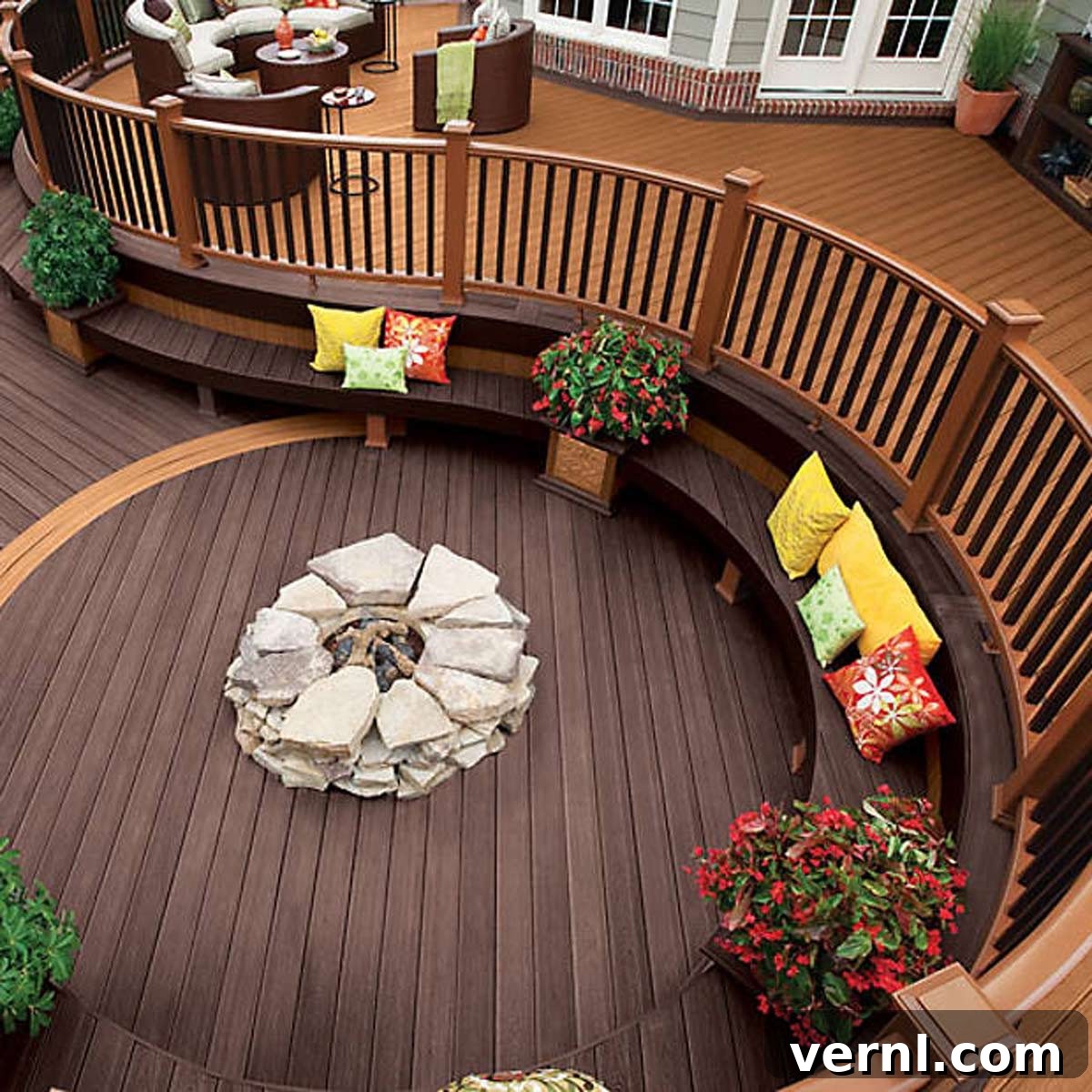
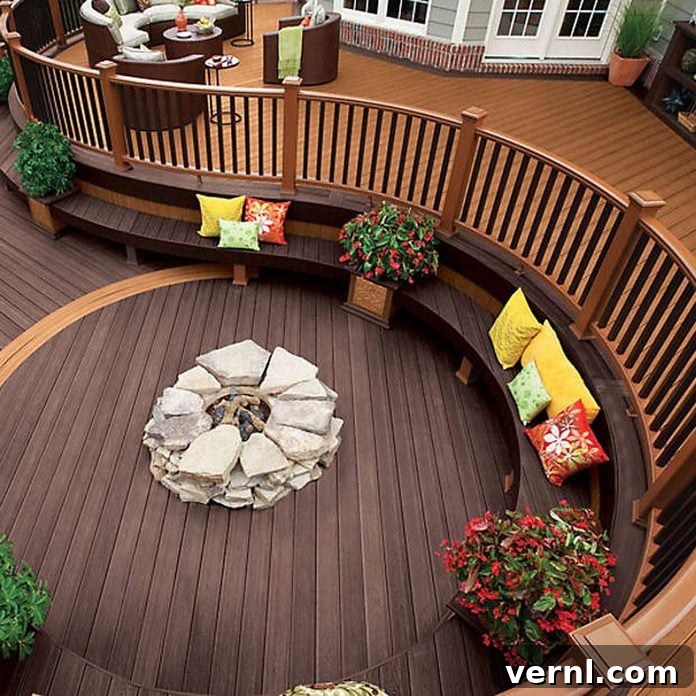
Embarking on home ownership often unveils a seemingly endless list of maintenance tasks. In this landscape, any new home improvement product or ingenious DIY solution that promises to solve a problem while significantly reducing ongoing time and monetary investment invariably captures widespread attention. Such innovations become particularly noteworthy when they consistently deliver on their promises. This enduring appeal explains why Trex, a pioneer in virtually maintenance-free composite decking, achieved immense popularity almost immediately after its market debut in 1996, and why it continues to be a leading choice for homeowners today.
You might wonder if composite decking, especially Trex, remains a fashionable and practical choice in contemporary home design. According to industry experts, the answer is a resounding yes. Reuben Saltzman, a seasoned second-generation home inspector and the CEO of Structure Tech Home Inspections, affirms this trend: “Composite decking has not only maintained its popularity but has also evolved significantly. Modern product lines now offer an extensive range of stylish colors and sophisticated textures that beautifully complement today’s diverse home design aesthetics.” He adds, “It represents a solid, long-term investment for homeowners prioritizing durability and desiring an outdoor space that requires minimal upkeep.”
Indeed, Trex decking continues to be a widely discussed topic, whether in online forums or among neighbors seeking reliable outdoor solutions. If you’re contemplating whether Trex genuinely lives up to its reputation and all the enthusiastic reviews, consider this your definitive guide. We will delve deep into the product’s composition, installation considerations, long-term affordability, and how its aesthetics and tactile feel compare to traditional wood. This comprehensive overview will empower you to make an informed decision on whether Trex composite decking is the ideal solution for your home and outdoor living aspirations.
What is Trex Decking? The Ultimate Low-Maintenance Decking Solution
At its core, Trex Company specializes in producing a unique wood fiber-polymer composite material. This innovative blend is expertly engineered and formed into non-structural surface components primarily used for building decks. While Trex initially gained recognition for its high-performance decking boards, the brand has significantly expanded its offerings. Today, Trex manufactures a complete, integrated system for deck construction, applying its low-maintenance composite technology across a diverse array of products designed to enhance and extend the versatility of any outdoor living space, from railings and pergolas to outdoor lighting and even hidden fastening systems.
The inherent advantages of Trex composite material are manifold and directly address many common frustrations associated with traditional wood decking. Crucially, Trex never requires labor-intensive refinishing, a task that demands considerable time and resources for wood decks. It is meticulously engineered to resist the detrimental effects of rot, splintering, and warping as it ages, ensuring a consistent and safe surface for decades. Furthermore, Trex composite is impervious to insect damage, eliminating the need for chemical treatments and ongoing pest control concerns, making it an ideal choice for durable outdoor living.
A key innovation distinguishing Trex decking is its advanced, durable outer shell. This protective layer encapsulates the composite core, providing superior resistance against everyday wear and tear, unsightly fading caused by harsh UV exposure, and the growth of mold and mildew. This shell not only preserves the cosmetic quality and authentic wood grain appearance of the deck boards but also dramatically simplifies maintenance, reducing it to nothing more than occasional cleaning with basic soap and water. This innovative design ensures your Trex deck looks beautiful with minimal effort for years to come.
Sustainability at the Core of Trex: An Eco-Friendly Choice
Beyond its practical benefits and aesthetic appeal, Trex boasts an impressive commitment to environmental sustainability. The manufacturing process for Trex composite products consumes an astonishing 95% recycled materials. This dedication to recycling has a substantial impact: at one point, the company reported consuming as much as half of all available recycled plastic film in the United States. Between 2007 and 2012 alone, Trex diverted over 2.5 billion pounds of plastic and wood scrap from landfills, transforming waste into high-value building materials. To put this into perspective, a typical 500-square-foot Trex deck contains the equivalent of 140,000 recycled plastic bags, underscoring the brand’s profound positive environmental footprint and its role in promoting a circular economy.
The Origin Story: History of Trex Decking
The journey of Trex decking is a testament to innovative problem-solving and sustainable entrepreneurship, largely thanks to chemist and visionary Roger Wittenberg. Wittenberg built his career on the ingenious principle of transforming waste streams into valuable revenue streams. In the 1980s, his enterprise, which focused on manufacturing chicken feed from bakery leftovers, serendipitously led to the production of marketable breadcrumbs derived from waste loaves. While the breadcrumb business proved profitable, it presented a new challenge: thousands of empty plastic bread bags accumulated daily from the cheap, surplus bread used as raw material. It was the pursuit of a solution for this specific waste stream that ultimately paved the way for Trex’s groundbreaking technology.
By 1988, Wittenberg had successfully developed a method to bind a robust composite material from two distinct waste products: plastic film, predominantly recycled grocery bags, and wood scrap, such as sawdust and tailings from furniture manufacturing. Recognizing the potential of this groundbreaking technology, Mobil Oil acquired it in 1992. Later, the Exxon/Mobil merger led to the divestment of Mobil’s plastics division. Crucially, before this divestiture, the company had identified decking as the prime target market for Wittenberg’s revolutionary composite wood substitute. In 1996, Wittenberg, alongside a dedicated team of investors, acquired the technology and the Trex brand was officially born, setting the stage for its future as an industry leader in outdoor living solutions.
Unleashing Potential: Best Uses for Trex Composite Decking
Given that the composite material forming the core of Trex products is designed for surface applications and does not bear structural loads, its primary and most impactful use remains for deck surfaces. However, product development at Trex has continuously pushed boundaries, focusing on enhancing cosmetic performance with increasingly realistic wood grain textures, improving resistance to heavy foot traffic, and offering superior protection against sun exposure and various spill stains. This ensures that Trex decks not only look stunning but also perform exceptionally well under diverse conditions, providing a durable and beautiful foundation for any outdoor oasis.
The versatility of Trex composite extends far beyond just traditional deck boards. With a little imagination and creative planning, Trex can be transformed into an array of outdoor features that elevate your living space. Consider crafting durable outdoor benches, stylish planters, engaging yard games, custom outdoor furniture, or practical shelving units. Its consistent dimensions and resistance to the elements make it suitable for a wide range of custom outdoor projects. It’s important to remember that Trex deck boards are engineered to distribute body weight loads across spans of 12 to 16 inches, with a typical deck designed to support approximately 40 pounds per square foot. Always adhere to manufacturer guidelines and local building codes when designing and constructing any outdoor project with Trex to ensure safety and longevity.
Trex Decking: A Balanced Perspective – Pros & Cons for Homeowners
Regardless of how you envision utilizing composite decking, its extended lifespan and remarkable consistency are among the most significant advantages, as highlighted by Reuben Saltzman. For homeowners considering this investment, understanding the full spectrum of benefits and drawbacks is crucial. Here’s a comprehensive overview of the key pros and cons associated with Trex decking, helping you weigh your options effectively:
Pros of Trex Decking:
- Extremely Low-Maintenance: This is arguably the biggest selling point for Trex decking. It virtually eliminates the need for the tiresome and costly annual maintenance associated with wood. Homeowners can say goodbye to sanding, staining, or sealing their deck. Its durable shell only requires occasional cleaning with basic soap and water to maintain its pristine appearance and structural integrity.
- Exceptional Durability and Longevity: Built to withstand the rigors of heavy foot traffic and harsh weather conditions, Trex boards are incredibly robust. They are designed to easily last for decades without succumbing to common wood problems like rotting, splintering, warping, or cracking. This translates to a significantly longer functional lifespan and consistent performance, often backed by substantial warranties.
- Aesthetically Versatile and Consistent: Trex offers an extensive palette of realistic wood grain patterns and a wide array of sophisticated color choices, enabling homeowners to perfectly match their exterior decor and architectural style. Crucially, the appearance of Trex deck boards remains remarkably consistent over time, resisting fading and maintaining its vibrant color, unlike natural wood which can weather and gray unevenly.
- Eco-Friendly Composition: A major environmental advantage, Trex decking is made from up to 95% recycled materials, including reclaimed wood fibers and recycled plastic film. Choosing Trex means actively contributing to waste reduction and supporting sustainable building practices, minimizing your carbon footprint.
- Splinter-Free Surface: The smooth, consistent surface of Trex boards ensures a safe and comfortable experience for bare feet, eliminating the risk of splinters commonly associated with wood decks. This makes it an excellent choice for families with children and pets.
- Resistant to Pests and Fungi: Unlike wood, composite decking is not susceptible to damage from termites, carpenter ants, or fungal decay, further reducing maintenance worries and extending its lifespan without the need for chemical treatments.
Cons of Trex Decking:
- Higher Initial Investment: While it offers significant long-term savings, the upfront cost of Trex composite decking boards and their specialized installation can be notably higher than traditional pressure-treated wood. Homeowners should view this as an investment that pays off over time through drastically reduced maintenance and replacement costs.
- Heat Retention: Composite materials, particularly darker colors and denser boards, tend to absorb and retain more heat from direct sunlight than natural wood. This can make the deck surface quite hot to the touch on bright, sunny days. Lighter colors or shaded areas can help mitigate this concern.
- Potential for Slippery Surface When Wet: Depending on the specific grain pattern and finish selected, some composite decking can be more slippery than wood when wet. Modern Trex lines often incorporate enhanced texturing to improve traction, but caution should always be exercised, especially in rainy or humid conditions.
- Cannot Be Refinished Like Wood: While Trex is highly resistant to scratches and stains, significant damage or deep gouges cannot be sanded out or refinished in the same way natural wood can be. Prevention and careful use are key to preserving its appearance.
- Less Natural Feel (for some): Despite advanced textures designed to mimic wood, some homeowners might still prefer the unique, organic feel, sound, and scent of real lumber underfoot.
Is Trex Decking a DIY-Friendly Project? Installation Insights
For many enthusiastic do-it-yourselfers, the prospect of building or upgrading a deck can be an exciting and rewarding endeavor. Trex recognizes this passion and, despite recommending a proprietary hidden fastener system for a sleek, screw-free finish, the product is remarkably DIY-friendly. The company provides an abundance of comprehensive resources specifically designed to guide homeowners through every step of the process. From initial estimations and design conceptualization to ordering materials, site preparation, and the actual installation, Trex ensures you have the support you need to successfully complete your project. Their official website offers an invaluable collection of video tutorials and downloadable PDF files that meticulously illustrate every aspect of deck construction with Trex, catering to various skill levels.
However, a crucial piece of advice for DIYers comes from seasoned expert Reuben Saltzman: “If you’re planning to replace existing wood deck boards with composite, it’s absolutely essential to read the manufacturer’s instructions with utmost care. Composite decking often requires more robust structural support than traditional wood boards, particularly when constructing stairways.” This attention to detail ensures not only a successful installation but also the long-term safety, stability, and warranty compliance of your Trex deck. While the installation process is manageable for many, homeowners should possess basic carpentry skills and a commitment to following detailed instructions for optimal results.
Understanding Trex Decking Costs: An Investment Perspective
When considering the financial aspect of Trex decking in comparison to wood, it’s important to look beyond the initial purchase price and evaluate the total cost of ownership over its lifespan. Trex offers various product lines designed to cater to different budget points and aesthetic preferences. For instance, the Trex Enhance Basics line is specifically engineered to be competitive with the cost of pressure-treated wood decking, providing an accessible entry point into the composite market. From there, costs scale up for lines offering enhanced features, richer aesthetics, and advanced durability, such as the Trex Select and Trex Transcend collections.
Trex emphasizes that while the initial investment for composite decking might be higher than for wood, this cost difference is often offset—and even surpassed—by the significant long-term savings. The recurring expenses and effort required to maintain a wood deck on an annual basis (sanding, staining, sealing, repairs due to rot or splinters) are virtually eliminated with Trex. Over its decades-long lifespan, a Trex deck has the substantial potential to save homeowners considerable money and invaluable time, making it a wise investment in the long run. Factors influencing overall cost include the specific Trex product line chosen, the complexity of the deck design, the total square footage, and whether you opt for professional installation or tackle it as a DIY project.
Where Can You Purchase Trex Decking?
Accessing Trex decking is straightforward, with various options available depending on your needs and the specific product line you’re interested in. For a limited selection of commonly requested Trex decking boards and accessories, you can often find them off-the-shelf at major home improvement retailers like The Home Depot and Lowe’s. These stores are convenient for smaller projects or for homeowners looking for basic options.
For a wider selection of colors, finishes, and specific Trex product lines that may not be standard stock, special ordering through these same retailers is typically an option. To explore the full breadth of the Trex product catalog and gain access to specialized components, custom orders, or expert advice, it is highly recommended to contact a local lumber yard or a dedicated decking supply dealer. These specialized outlets often carry the complete range of Trex products, including various railing systems, lighting options, and hidden fasteners. The official Trex website provides a convenient dealer locator tool to help you find authorized retailers and TrexPro contractors in your area, ensuring you receive genuine products and knowledgeable support for your decking project.
Trex Decking vs. Wood: A Comprehensive Comparison for Your Outdoor Space
Choosing between Trex composite decking and traditional wood remains one of the most significant decisions for prospective deck builders. While both offer a functional outdoor space, their characteristics, long-term implications, and overall value propositions differ considerably. Let’s delve into a detailed comparison to help clarify which option aligns best with your priorities and lifestyle.
Appearance and Aesthetics:
- Wood: Offers a natural, organic look and feel with unique grain patterns. Cedar and redwood are prized for their inherent beauty, while pressure-treated lumber is a more budget-friendly option. However, wood will naturally weather, fade, and can develop cracks or splinters over time if not regularly maintained with stains or sealants.
- Trex: Designed to meticulously mimic the beauty of real wood with highly realistic grain patterns and a wide range of sophisticated, fade-resistant colors. The aesthetic remains remarkably consistent year after year, resisting the weathering and graying common to natural wood. Trex also offers unparalleled design flexibility, including the ability to create dramatic curves with its CustomCurve system, something virtually impossible with traditional wood.
Maintenance Requirements:
- Wood: Requires significant ongoing maintenance. This includes annual or bi-annual cleaning, sanding, staining or sealing to protect against moisture, UV damage, rot, and insect infestations. Neglecting maintenance drastically shortens the lifespan and diminishes the appearance of a wood deck. As Reuben Saltzman recounts from personal experience, “After I refinished a wood deck for the first time, I decided I would never use wood deck boards again,” highlighting the labor intensity involved.
- Trex: Known for its exceptionally low maintenance. It never needs sanding, staining, or sealing. Routine cleaning with just soap and water is typically all that’s required to keep it looking new, freeing up homeowners’ time and eliminating recurring material costs associated with upkeep.
Durability and Lifespan:
- Wood: Lifespan varies greatly depending on the wood type, climate, and maintenance regimen. Pressure-treated wood might last 15-20 years, while cedar or redwood can last longer with meticulous care. However, wood is inherently prone to rot, insect damage, splintering, and warping, which can compromise its structural integrity and safety.
- Trex: Engineered for extreme durability and longevity. It resists rot, insects, splintering, warping, and fading, thanks to its robust composite core and advanced protective shell. Trex decks typically come with warranties extending for 25 years or more, often significantly outlasting wood decks with far less effort and worry.
Initial Cost vs. Long-Term Value:
- Wood: Generally has a lower initial material cost, especially for pressure-treated lumber. This makes it attractive for budget-conscious upfront investments.
- Trex: Has a higher initial purchase price. However, when factoring in the elimination of ongoing maintenance costs (stains, sealers, cleaners, tools, and labor) over its extended lifespan, Trex often proves to be the more cost-effective choice in the long run. As Saltzman notes, “Composite costs more initially but pays off in the long run with less upkeep.”
Environmental Impact:
- Wood: Sourced from trees, which are renewable, but harvesting can contribute to deforestation if not sustainably managed. Chemical treatments (for pressure-treated wood) can have environmental considerations regarding runoff and disposal.
- Trex: Highly eco-friendly, made from up to 95% recycled materials, significantly reducing landfill waste and minimizing the demand for virgin timber. This makes it a responsible choice for environmentally conscious homeowners.
Addressing Common Concerns about Trex Decking
Prospective deck owners often have specific questions regarding the performance and characteristics of composite decking. Here, we address some common concerns to provide further clarity.
Is composite decking slippery when wet?
This is a common concern for many homeowners, and the answer is nuanced. As Reuben Saltzman wisely points out, “It depends on the brand and the texture.” He elaborates, “Some older or cheaper composites can indeed be slick, particularly when wet. However, newer products, including advanced Trex lines, often feature intricately textured surfaces specifically engineered to significantly reduce the risk of slips and falls, even in damp conditions.” While no outdoor surface is entirely slip-proof, modern composite decking has made considerable strides in enhancing traction and safety through innovative surface designs and materials.
Does Trex decking fade over time?
One of the key advantages of Trex decking, especially its capped composite lines (like Trex Transcend and Trex Enhance), is its superior fade resistance. The durable outer shell mentioned earlier is specifically designed with UV inhibitors to protect the composite core from the sun’s harsh rays. While some minimal, initial weathering might occur (often referred to as ‘board seasoning’ in the first few weeks as the product settles), Trex is engineered to maintain its vibrant color and aesthetic appeal for decades, backed by impressive fade and stain warranties. This stands in stark contrast to natural wood, which can noticeably gray and lose its original color without consistent staining or sealing.
Can Trex decking be painted or stained?
No, Trex decking is designed to be a low-maintenance product that never requires painting or staining. Its colors and finishes are integrated directly into the material and protected by the durable outer shell. Attempting to paint or stain Trex decking is generally not recommended as it will void the warranty, may not adhere properly, and can introduce maintenance requirements that the product is specifically designed to eliminate. If you desire a different color, it’s best to choose from Trex’s wide range of available factory colors or consider replacing the boards.
Expert Contributor
Reuben Saltzman is a distinguished second-generation home inspector and the CEO of Structure Tech Home Inspections, based in Maple Grove, Minnesota. His extensive expertise in home construction, building materials, and maintenance makes him a trusted authority in the field. Beyond his leadership role, he also serves as a Director for The Examination Board of Professional Home Inspectors (EBPHI) and is a sought-after educator, teaching comprehensive home inspector seminars across the United States. His insights provide invaluable perspective on the long-term performance and practical considerations of building materials like Trex decking, making him a reliable source for homeowners and industry professionals alike.