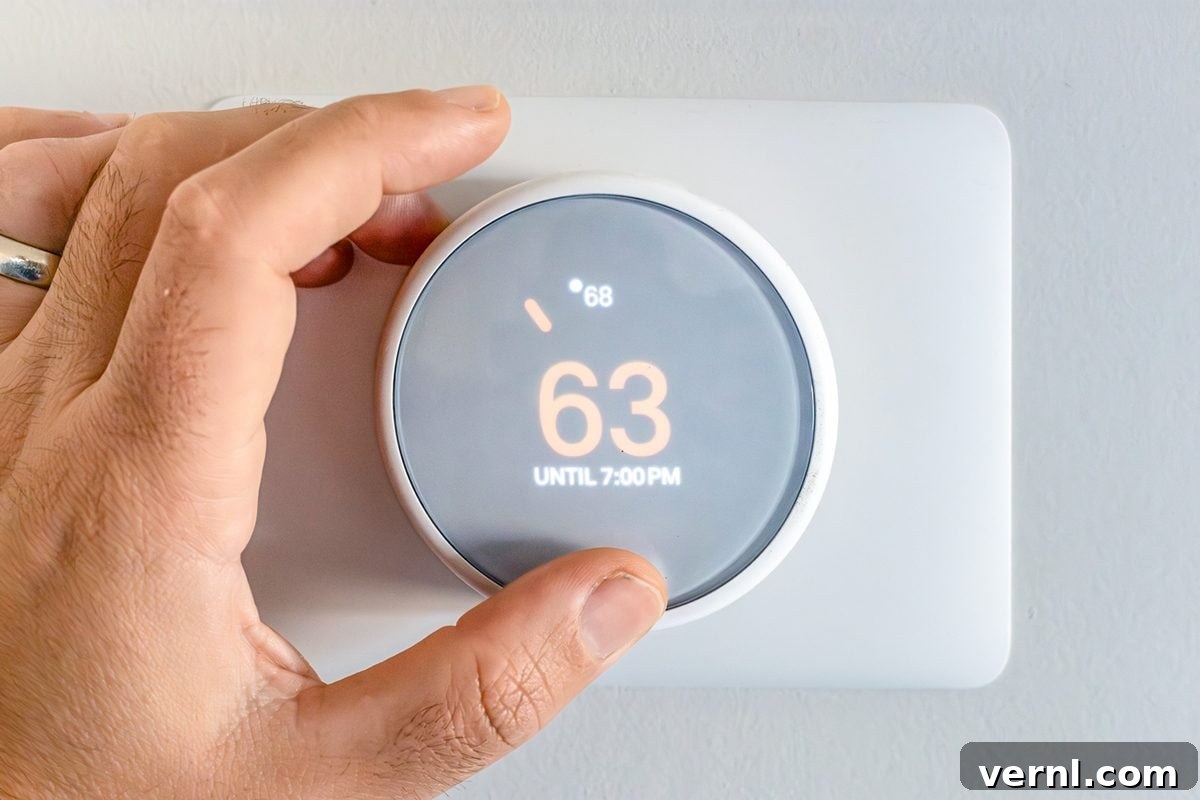
I’ve been avoiding my electricity bill for a while. It’s on auto-pay, and I only glance at it now and then with a resigned sigh. That complacency is becoming unaffordable. Electricity prices rose 6.1% since April 2025, and broader energy costs—especially surging gas prices—are pushing bills higher. One effective way to rein in costs is to use off-peak power when utilities charge less.
What Is Off-Peak Power?
Off-peak power refers to the electricity you use during the hours when utility companies charge the lowest rates. Many utilities offer time-of-use rate plans where the price per kilowatt-hour varies throughout the day. On-peak hours—when power is most expensive—often fall roughly between mid-morning and mid-afternoon, while off-peak hours are the times outside that window. Exact hours depend on your provider, but mornings and evenings often qualify as off-peak in many areas.
Why Timing Your Energy Use Matters
Using electricity during off-peak hours matters for both your wallet and the grid. Utilities face sharp demand peaks, especially in summer, and they can’t quickly ramp up large power plants to meet sudden surges. To avoid costly new generation and grid upgrades, utilities use time-of-use pricing and other incentives to shift consumption to less busy hours.
Shifting usage helps avoid expensive infrastructure investment that would otherwise push everyone’s bills even higher. Time-of-use plans, thermostat rebates and other programs encourage households to reduce consumption during peak windows, easing stress on the grid and lowering long-term system costs.
Understanding Your Local Rate Plan
The first step is to check your utility’s rate plans. Many people skip this, but every utility offers different options to match diverse schedules. Review the available time-of-use plans and pick one that aligns with when you can reasonably shift major energy uses. Revisit your plan annually and especially before peak seasons—rates and windows can change, and a plan that once made sense may no longer be optimal.
For example, homeowners sometimes see bills climb even when usage is constant because their plan moved major consumption into on-peak hours without them realizing it. Identifying and correcting that can produce immediate savings.
Heating & Cooling Strategies
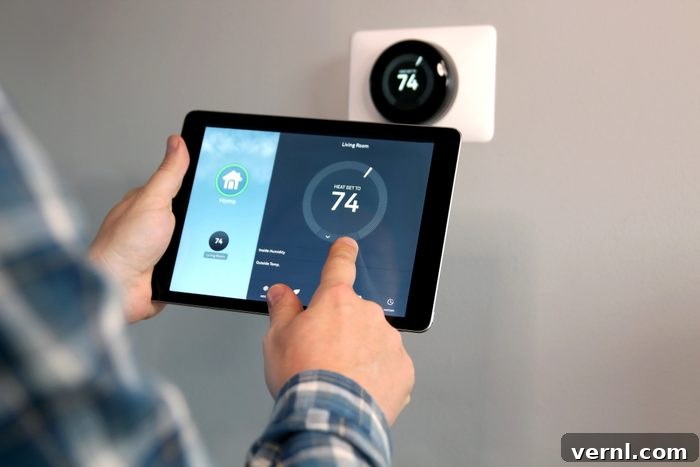
To maximize off-peak savings, focus on heating and cooling tactics that shift demand. The most effective approach is pre-cooling or pre-heating your home during off-peak hours when energy is inexpensive. If your home has adequate insulation, it can retain conditioned air for several hours.
Set the thermostat lower (for cooling) or higher (for heating) during off-peak windows, then let the house coast through on-peak hours. When rates drop again, resume conditioning. A smart thermostat simplifies this by automating schedules aligned with your utility’s rate plan. Many utilities also offer demand response programs where they may adjust your thermostat during peak events in exchange for rebates or bill credits; these programs often allow you to override adjustments if needed.
Be mindful to stagger major loads so multiple high-draw devices (pool pump, AC, water heater) don’t run simultaneously at the start of an off-peak window, which can create an unnecessary demand spike.
DIY and Other Improvements That Boost Off-Peak Savings
Beyond scheduling, home improvements can increase the effectiveness of off-peak strategies. Some are simple DIY projects; others may require a professional. Consider the following high-impact measures:
- Add window shades: Exterior shading blocks radiant heat before it enters, reducing the work your cooling system must do. Shade screens or DIY exterior shades can make a noticeable difference.
- Plant trees: Strategic tree planting on east and west sides of the house provides long-term shading that cuts solar heat gain during the hottest parts of the day.
- Insulate the attic: Proper attic insulation is a high-impact upgrade. Air-seal top plates and any penetrations first, then add insulation so it aligns fully with the attic surface to function effectively.
- Seal and insulate ductwork: Leaky ducts in unconditioned spaces waste conditioned air. Sealing and insulating ducts can reduce cooling bills by 10% to 30%, depending on the extent of leakage and insulation.
FAQ
Will my house actually stay comfortable if I change temperatures during peak hours?
Yes, if your home is properly prepared. With good insulation and air sealing, pre-cooling or pre-heating allows the house to hold comfortable temperatures through peak periods. The goal is to set a schedule you can tolerate—push temperatures as much as you reasonably can without creating discomfort for occupants or pets.
Is cycling temperatures hard on my HVAC system?
No, not by itself. What matters is avoiding simultaneous high-demand events that create spikes. Stagger major appliances and loads so the system doesn’t face a sudden combined draw. With reasonable scheduling and proper maintenance, your HVAC will handle time-of-use strategies without undue stress.
About the Expert
- Elena Chrimat is the owner of Ideal Air Conditioning & Insulation in Tempe, Arizona. She is a founding board member of the Building Performance Association and an advocate for utility energy-efficiency programs. Her company has received industry recognition for energy efficiency, and she brings extensive experience in residential energy savings and performance.