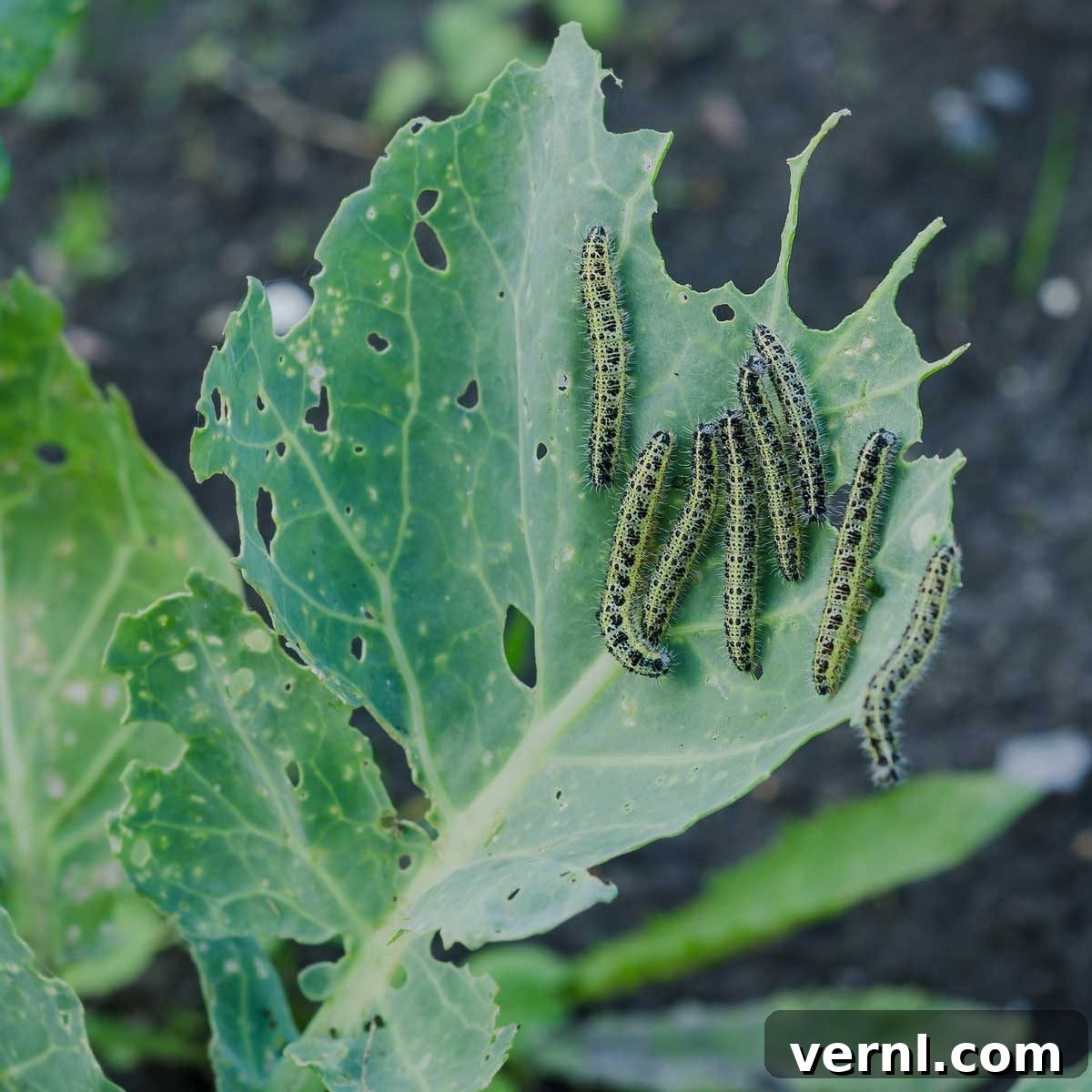
As spring transitions into the vibrant warmth of summer, gardeners across the nation eagerly anticipate the bounty of their labor. Yet, this season also brings the arrival of a seemingly innocent visitor: the dainty white butterfly with distinct black markings, fluttering gracefully among your prized vegetables. While these beautiful creatures add a touch of charm to your backyard, their presence often signals a silent, yet significant, threat to your garden’s health, particularly for those cultivating members of the Brassicaceae family.
The gentle fluttering of these butterflies is a harbinger of the impending arrival of their offspring: the notorious cabbage white caterpillars, also commonly known as imported cabbage worms. These tiny, voracious larvae have a particular fondness for the tender leaves of vegetables like cabbage, broccoli, cauliflower, kale, collard greens, kohlrabi, and Brussels sprouts. If you’ve painstakingly nurtured your brassicas throughout the season, a quick inspection might reveal the tell-tale signs of their feasting – small, pin-sized holes riddling the leaves, clear evidence of a garden invasion in progress.
Dealing with cabbage worms doesn’t require resorting to harsh chemical sprays that could potentially harm beneficial insects, pollinators, or even your family. Early detection and proactive intervention with safe and effective methods are key to protecting your harvest. This comprehensive guide will equip you with the knowledge and strategies to identify, understand, and naturally control cabbage white caterpillars, ensuring your garden remains a thriving sanctuary, free from unwanted pests.
Understanding the Cabbage White Caterpillar: An Invasive Garden Pest
Despite their common name, “cabbage white caterpillars” are actually green, masterfully camouflaged against the very leaves they consume. The “white” refers to the adult butterfly stage, a beautiful, small to medium-sized white butterfly (Pieris rapae) with one or two black spots on its forewings, depending on the gender. These invasive insects, originating from Europe, Asia, and North Africa, made their way to North America in the 19th century, likely through trade and migration, and have since become a ubiquitous garden pest.
Certified entomologist David Price, technical director for Mosquito Joe, a national pest control company, highlights their swift establishment across various climates. Their adaptability and rapid reproductive cycle have made them a persistent challenge for gardeners cultivating cruciferous vegetables. Oregon State University horticulturist Heather Stoven points out that their green coloration can make them challenging to differentiate from other green caterpillars, demanding a keen eye for identification. However, cabbage white caterpillars possess a distinctive characteristic: “They tend to be kind of velvety because they have small hairs on them,” Stoven notes, a texture that sets them apart from smoother green larvae.
The Cabbage White Life Cycle: From Egg to Butterfly
Understanding the life cycle of the cabbage white butterfly is crucial for effective pest management. It typically spans 32 to 45 days, allowing for multiple generations within a single growing season:
- Eggs: The female butterfly lays tiny, yellowish, bullet-shaped eggs, usually individually, on the underside of host plant leaves. These eggs are often challenging to spot due to their small size and placement.
- Larvae (Caterpillars): Within a few days, the eggs hatch into larvae, the destructive stage we know as cabbage worms. These velvety green caterpillars grow up to 1.25 inches long, often displaying a faint yellow stripe down their back. They are voracious eaters, feeding continuously for two to three weeks, causing the majority of garden damage.
- Pupae: Once fully grown, the caterpillar pupates, forming a chrysalis that can be green or brown, blending seamlessly with its surroundings. This stage can last anywhere from a week to several months, depending on environmental conditions.
- Adults: The pupa eventually emerges as the adult white butterfly, which then mates and continues the cycle, laying more eggs and perpetuating the infestation.
The speed of this life cycle means that unchecked, a small problem can quickly escalate into a severe infestation, making early intervention paramount for protecting your garden.
Why Do Cabbage White Caterpillars Target Brassicaceae?
The preference of cabbage white caterpillars for plants in the Brassicaceae (Mustard) family is not a random culinary choice but rather a fascinating example of co-evolution. These plants produce a group of natural chemicals called glucosinolates, which are responsible for the pungent flavor characteristic of mustard, horseradish, and, of course, cabbage and broccoli.
For most insects, glucosinolates act as a deterrent, signaling toxicity. However, cabbage white butterflies and their caterpillars have evolved a unique mechanism to not only tolerate these compounds but also to use them as feeding stimulants and even as a defense mechanism. David Price explains, “(The butterflies) lay their eggs on the underside of the leaves … and then those eggs will hatch, and the larvae feed on the leaves of those vegetables, and that is where the damage happens.”
The caterpillars are highly attracted to the chemical signature of these plants, making them irresistible host sites for egg-laying and subsequent larval feeding. This specialized diet ensures a readily available and predictable food source for the developing larvae. The damage they inflict can be substantial, as they consume leaf tissue rapidly throughout their larval stage, leading to reduced plant vigor, stunted growth, and significantly diminished yields. Beyond the visible holes, severe infestations can lead to skeletonized leaves, leaving only veins intact, rendering the produce unmarketable or unappetizing.
Identifying and Preventing Cabbage White Caterpillar Infestations
Vigilance is your strongest defense against cabbage white caterpillars. Regular inspection of your Brassicaceae plants is critical. Look for:
- Pin-sized holes: The most common and earliest sign, indicating young caterpillars are at work.
- Larger, irregular holes: As caterpillars grow, their appetite increases, leading to more significant damage.
- Frass: Small, dark green pellets of caterpillar excrement often found on leaves or at the base of the plant.
- Visible caterpillars: Green, velvety larvae on the undersides of leaves or nestled among florets.
- Eggs: Tiny, yellowish, bullet-shaped eggs laid individually on the undersides of leaves.
The moment you spot any of these signs, it’s time to act. Fortunately, cabbage white caterpillars are not harmful to humans, and vegetables they’ve chewed through are perfectly safe to consume after a thorough washing. Still, no gardener wants to share their hard-earned harvest with these pervasive pests. Here are several safe and effective strategies to manage and eliminate cabbage white caterpillars:
1. Physical Barriers: Butterfly-Proof Netting
One of the most effective non-chemical methods to prevent cabbage white butterflies from laying eggs on your plants is to use physical barriers. Installing fine-mesh garden netting or row covers over your plants can physically exclude the adult butterflies, preventing them from accessing the leaves to lay their eggs. Price advises installing the netting in early springtime, as soon as young plants are set out, ensuring the edges are securely sealed to the ground to prevent butterflies from crawling underneath. Regular weekly inspections of the netting and the undersides of leaves are still necessary to catch any eggs or larvae that might have slipped through. “If you do see any eggs (they’re yellowish and elongated), remove them. This will stop that lifecycle so they will never become larvae and start feeding,” Price explains. Choose netting with a mesh size small enough to block butterflies (typically 0.6mm to 1.0mm) but large enough to allow light and water penetration.
2. Attract Natural Predators
Harnessing nature’s own pest control squad can significantly reduce cabbage white caterpillar populations. Many birds and beneficial insects consider these caterpillars a tasty meal.
- Birds: House sparrows, goldfinches, skylarks, and even chickens (if you allow them in your garden) are natural predators of caterpillars. Encourage birds to visit your garden by providing water sources (bird baths), bird feeders with appropriate seeds, and planting native shrubs and trees that offer shelter and nesting sites.
- Beneficial Insects:
- Parasitoid Wasps: Species like Cotesia glomerata are particularly effective. These tiny wasps lay their eggs inside the cabbage white caterpillars. The wasp larvae then feed on the caterpillar from within, eventually killing it. These wasps are often used in integrated pest management systems. You can attract them by planting nectar-rich flowers like dill, fennel, parsley, and sweet alyssum.
- Generalist Predators: Ladybugs, lacewings, ground beetles, and spiders will also prey on caterpillar eggs and young larvae. Create a hospitable environment for them by avoiding broad-spectrum pesticides, providing diverse plant habitats, and leaving some garden areas undisturbed.
3. Employ Biological Controls: Bacillus Thuringiensis (BT)
For a targeted and environmentally friendly approach, Bacillus thuringiensis (BT) is an excellent choice. BT is a naturally occurring soil bacterium that is highly effective against various caterpillar species, including cabbage worms, while being harmless to humans, pets, beneficial insects, and other wildlife. Price emphasizes its safety and efficacy, stating it “will kill the larvae without negatively affect pollinators or other creatures. It isn’t toxic to you or your family, either.”
When caterpillars ingest BT, the bacterium produces a protein that crystallizes in their alkaline digestive tract, paralyzing their gut and causing them to stop feeding within hours. They eventually die from starvation and infection within a few days. The most common strain used for caterpillars is Bacillus thuringiensis kurstaki (BTK).
- Application: Apply BT as a spray, ensuring thorough coverage of both the top and undersides of the leaves where caterpillars feed. Since BT must be ingested to be effective, timing is crucial. Apply it when you first notice small caterpillars and reapply after rain or every 7-10 days if the infestation persists. Always follow the product label instructions for mixing and application rates.
- Safety: According to the Environmental Protection Agency (EPA), BT poses “no significant risk to the environment or human health,” making it a cornerstone of organic pest control strategies.
4. Manual Removal and Garden Hygiene
Sometimes, the simplest methods are the most effective.
- Hand-picking: Regularly inspect your plants, especially the undersides of leaves, and physically remove any visible caterpillars. Drop them into a bucket of soapy water to dispatch them. This method is particularly effective for small infestations and for gardeners who enjoy a hands-on approach.
- Squash Eggs: If you find the tiny, yellowish eggs, simply crush them with your fingers or wipe them off the leaves. This prevents them from hatching into destructive larvae.
- Garden Cleanup: After harvest, remove all plant debris, including fallen leaves and spent plants, from your garden beds. This eliminates potential overwintering sites for pupae and reduces the chances of a re-infestation the following season. Proper crop rotation also helps break the pest cycle.
5. Companion Planting
Strategic planting can naturally deter cabbage white butterflies and caterpillars.
- Repellent Plants: Many herbs and flowers emit scents that are unpleasant to cabbage white butterflies. Planting herbs like mint, rosemary, thyme, sage, and dill near your brassicas can help mask the attractive scent of the host plants. Onions, garlic, and marigolds are also believed to have repellent properties.
- Trap Crops: Consider planting a “trap crop” like nasturtiums a short distance from your main crop. Cabbage white butterflies are often more attracted to nasturtiums than to cabbage. They will lay their eggs on the trap crop, which you can then regularly inspect and destroy to manage the caterpillars, saving your valuable brassicas.
While these measures offer excellent protection, total elimination of cabbage white butterflies might be an unrealistic goal. As Heather Stoven wisely points out, “The butterflies are pretty ubiquitous. I don’t know that you are going to get rid of them … (because) butterflies have such a large range.” The aim is to effectively manage their populations to minimize damage and ensure a healthy, productive garden.
Integrated Pest Management (IPM) for Long-Term Success
The most successful approach to managing cabbage white caterpillars, and indeed most garden pests, is through Integrated Pest Management (IPM). IPM is a holistic strategy that combines cultural, biological, and chemical (as a last resort) methods to manage pests in an ecologically sound manner. For cabbage white caterpillars, an IPM strategy would involve:
- Monitoring: Regular inspection for eggs, larvae, and signs of damage.
- Prevention: Using row covers, companion planting, and garden hygiene.
- Biological Controls: Encouraging natural predators and applying BT.
- Cultural Practices: Practicing crop rotation and maintaining healthy soil to boost plant resilience.
By adopting an IPM philosophy, you create a balanced garden ecosystem that is naturally more resistant to pest outbreaks, reducing your reliance on interventions and fostering long-term garden health.
Conclusion: Cultivating a Resilient Garden
The presence of cabbage white butterflies in your garden can be a mixed blessing – a symbol of natural beauty and a harbinger of potential pest issues. However, with a comprehensive understanding of their life cycle, dietary preferences, and a commitment to safe, natural pest control methods, you can effectively protect your cherished brassicas. From physical barriers and encouraging beneficial insects to targeted biological sprays and diligent manual removal, a multi-faceted approach empowers you to maintain a thriving, chemical-free garden. Embrace vigilance, experiment with different strategies, and enjoy the satisfaction of harvesting healthy, beautiful vegetables, even in the face of these common garden challenges.
FAQ
What should I do if my plants are heavily infested with cabbage worms?
If your plants are heavily infested with cabbage worms, a multi-pronged natural approach is recommended. First, manually remove as many visible caterpillars as possible and crush any eggs you find. Discard any severely damaged leaves, as these may contain hidden larvae or pupae. Immediately follow up by spraying your garden with Bacillus thuringiensis (BT). BT is a safe and effective biological control that targets caterpillars specifically without harming other beneficial organisms in your garden or posing risks to your family’s health. Apply it thoroughly, ensuring coverage on both sides of the leaves, and repeat applications after rain or every 7-10 days until the infestation is under control. Consider also installing physical barriers like row covers after treatment to prevent further egg-laying by adult butterflies.
Can I use chemical pesticides on cabbage worms?
While chemical pesticides can be used on cabbage worms, it’s crucial to carefully consider their potential impact on your garden ecosystem and the environment. Many broad-spectrum chemical pesticides can harm beneficial insects such as pollinators (bees, butterflies), ladybugs, and parasitic wasps, which are vital for a healthy garden. These beneficial insects often play a significant role in naturally controlling pest populations. Opting for natural and organic solutions like BT, physical barriers, and encouraging natural predators is generally recommended as a safer and more sustainable approach to pest management, especially for edible crops.
Are cabbage worms harmful to humans?
No, cabbage worms are not harmful to humans. They do not sting, bite, or carry diseases that can affect people. The damage they cause is purely to the plant foliage. Vegetables that have been chewed by cabbage worms are still safe to consume after they have been thoroughly washed to remove any potential caterpillar remnants or frass (excrement).
Can I eat plants with cabbage worm damage?
Yes, you can absolutely eat plants with cabbage worm damage. The holes in the leaves are purely cosmetic and do not affect the safety or nutritional value of the vegetable. Simply wash the leaves thoroughly to remove any caterpillars, eggs, or frass before cooking or eating. If the damage is extensive, you may choose to trim away the most heavily affected parts, but the rest of the plant remains perfectly edible.
What do cabbage white butterfly eggs look like?
Cabbage white butterfly eggs are quite small, typically less than 1 mm in length. They are usually yellowish or pale green and have a distinctive bullet or spindle shape with fine ridges running along their surface. They are typically laid individually on the undersides of host plant leaves, making them somewhat difficult to spot without close inspection. Finding and removing these eggs is an excellent early intervention strategy.
How long do cabbage worms live?
The larval (caterpillar) stage of the cabbage white butterfly, commonly known as the cabbage worm, typically lasts for about two to three weeks, depending on environmental conditions like temperature and food availability. During this period, they feed continuously and grow rapidly before pupating. The entire life cycle, from egg to adult butterfly, usually spans 32 to 45 days, allowing for multiple generations within a single growing season.
About the Experts
David Price is a certified entomologist and the technical director for Mosquito Joe, a national pest control company.
Heather Stoven is a horticulturist at Oregon State University.