Samsung Green Dot: Your Essential Guide to Android Privacy Indicators
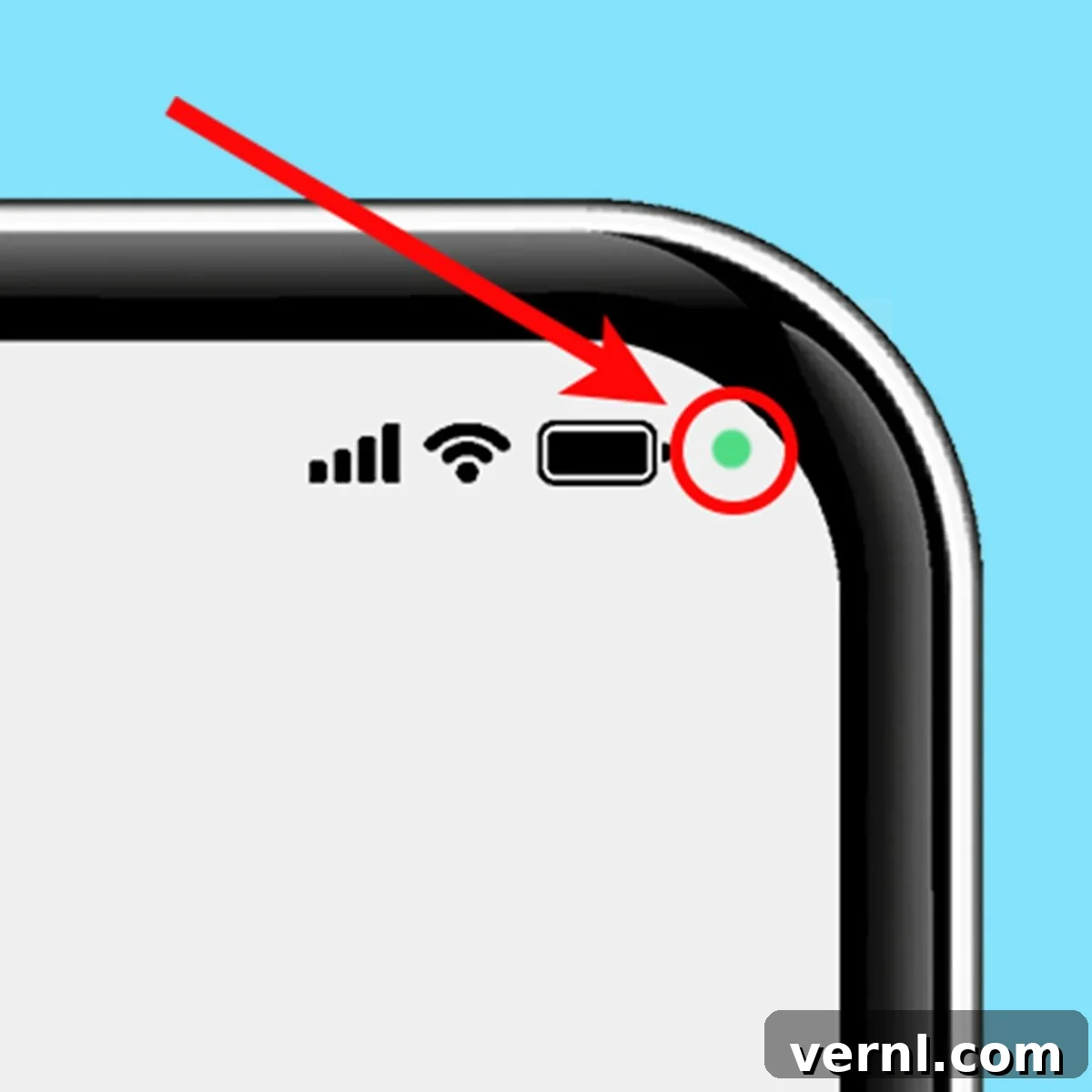
In an era where digital privacy is paramount, smartphone manufacturers are constantly evolving to provide users with more transparency and control over their personal data. Samsung, a leading force in the Android ecosystem, has implemented several intuitive features designed to keep you informed. Among these, the unassuming green dot appearing in the upper right-hand corner of your screen stands out as a critical privacy alert. While some notifications are self-explanatory, many users frequently inquire about the precise meaning of this small but significant indicator. This comprehensive guide will demystify the Samsung green dot, empowering you to understand its purpose, identify its triggers, and take necessary actions to safeguard your privacy.
Samsung has deliberately incorporated this feature to enhance customer confidence and provide a tangible sense of control over their device’s privacy settings. Once you grasp its meaning, you’ll be better equipped to determine whether your phone’s privacy and permissions settings require your immediate attention or if everything is functioning as expected within your comfort zone.
What Does the Green Dot Mean on Your Samsung Android Phone?
Unlike its iOS counterpart, which distinguishes between camera and microphone usage with separate green and orange dots, Android phones, including Samsung devices, employ a single, unified green dot icon to signal various privacy-related activities. If this green dot illuminates in the corner of your screen, it serves as an immediate alert: one of the applications currently running on your device is actively utilizing either the microphone, the camera, or both. This real-time notification is a cornerstone of modern smartphone privacy, designed to bring background activities to the forefront of your awareness.
The Purpose Behind the Indicator: Empowering User Control
The core philosophy behind the green dot is transparency. In today’s interconnected world, apps often require access to your device’s hardware, such as the camera for video calls or photos, and the microphone for voice commands or calls. While these permissions are often necessary for app functionality, there can be instances where an app might access these components without your explicit knowledge or when it’s not strictly required. The green dot acts as your digital sentry, notifying you of such access in real-time. This allows you to quickly discern whether the usage is legitimate and expected (e.g., you’re actively on a video call) or if it’s unexpected and warrants further investigation, potentially signaling an app misbehaving or even malicious activity.
A Unified Approach to Privacy Alerts on Android
Samsung’s decision to use a single green dot for both camera and microphone access simplifies the alert system, making it consistent across the Android platform. While some users might initially prefer separate indicators, the unified approach streamlines the user experience. The key takeaway is that any appearance of the green dot signals active sensor use, prompting you to remain vigilant and ready to check which app is responsible. This feature significantly boosts your awareness, ensuring that you are never left guessing about what your apps are doing in the background regarding sensitive hardware access.
What Should You Do If You See the Green Dot? Your Privacy Action Plan
Observing the green dot on your Samsung Android phone is not necessarily a cause for alarm, but it is always a prompt for awareness. Samsung has made it straightforward to investigate the source of the alert and manage your permissions effectively. Here’s a detailed, step-by-step guide on how to react when the green dot appears:
Step 1: Initial Observation and Quick Identification
When the camera or microphone is first activated by an app, the notification will briefly appear larger, often displaying a specific icon indicating whether the alert is about the camera, the microphone, or both. This transient icon provides an immediate visual cue. After a few moments, it will shrink to become just the small green dot, subtly positioned in the upper right corner of your screen, alongside any other active system indicators like Wi-Fi or battery status. The crucial first step is simply noticing its presence and acknowledging that an app is using a critical sensor.
Step 2: Unveiling the Culprit App
To pinpoint exactly which application is accessing your camera or microphone, follow these quick and intuitive steps:
- Swipe Down the Notification Bar: From the top of your screen, swipe down twice. The first swipe will reveal your initial notifications, and a second swipe will fully expand the Quick Settings panel, revealing more details and options.
- Tap on the Green Dot/Indicator: Within the expanded Quick Settings panel, you will see a larger representation of the green dot. Tap on this dot (or the accompanying icon that indicates camera/microphone use).
- Review the Dialogue Box: Tapping the indicator will open a clear dialogue box. This pop-up will explicitly state what hardware is currently being used (e.g., “Camera access,” “Microphone access,” or “Camera & Microphone access”) and, most importantly, will tell you which specific app is utilizing them (e.g., “Google Chrome is using your camera”). This immediate feedback is designed to give you clarity and control.
Step 3: Taking Action – Managing Permissions and Ensuring Security
Once you’ve identified the app, you can proceed based on whether the access is expected or not:
Scenario A: Legitimate and Expected Usage
If the dialogue box identifies an app you are actively using, and its access to the camera or microphone is entirely expected (e.g., you’re on a video call with Zoom, recording a voice note with your messenger app, or taking a photo with the default camera app), then you are good to go. No further action is required from your side. The green dot has served its purpose by informing you, and you can continue using your device with peace of mind. This scenario reinforces the transparency aspect of the feature.
Scenario B: Unexpected or Suspicious App Activity
However, if the app indicated by the green dot is one you’re not actively using, or if it’s an app that shouldn’t typically require camera or microphone access in the background (e.g., a simple calculator app or a game), then you might have an issue. This situation warrants immediate action to protect your privacy:
- Navigate to App Permissions: From the dialogue box that appears after tapping the green dot, you will often find an option to “Manage permissions” or “App info.” Tap on this to be directed straight to the specific app’s settings page. Alternatively, you can go to your phone’s main Settings menu, then navigate to “Apps,” find the problematic app, and tap on “Permissions.”
- Toggle Permissions Off: Within the app’s permissions settings, you will see a list of hardware components the app can access. Locate “Camera” and “Microphone” and toggle their respective permissions off. This will immediately revoke the app’s ability to use these sensors.
- Consider Uninstalling the App: If the notification indicates that the culprit is an application you no longer use, or worse, an app you don’t even recognize, it’s highly recommended that you delete it from your device. Unused apps can still pose security risks, especially if they have broad permissions. Uninstalling provides an extra layer of peace of mind and frees up valuable storage.
Beyond the Green Dot: Proactive Privacy Management on Samsung Android
While the green dot is an excellent real-time indicator, managing your digital privacy goes beyond just reacting to alerts. Adopting proactive habits can significantly enhance your smartphone security. Here are some key strategies for comprehensive privacy management on your Samsung Android device:
Regularly Review Your App Permissions
The green dot is a reactive tool, but you should also be proactive. Periodically review the permissions granted to all your installed applications, even those you trust. Android’s Privacy Dashboard (found in your phone’s main Settings, usually under “Security and Privacy” or just “Privacy”) offers a centralized view of which apps have accessed your camera, microphone, location, contacts, and other sensitive data over the last 24 hours. This dashboard is a powerful tool for identifying apps that might be requesting or using permissions unnecessarily.
- Filter by Permission Type: The Privacy Dashboard often allows you to filter apps by specific permission types (e.g., “Microphone,” “Camera”). This makes it easy to see all apps with access to a particular sensor at a glance.
- Adjust as Needed: If you find an app with permissions that seem excessive for its function, don’t hesitate to revoke them. An app for editing photos, for instance, might need camera access, but a simple flashlight app certainly doesn’t need your contacts or location.
Understand App Intent and Trustworthiness
Before downloading any new application, especially outside of the Google Play Store, consider its source and reputation. Stick to official app stores whenever possible, as they have vetting processes in place. Always:
- Read Reviews: Pay attention to user reviews, especially those mentioning privacy concerns or excessive permissions.
- Check Developer Information: Reputable developers usually have clear contact information and a history of well-regarded apps.
- Be Wary of “Free” Apps: If an app offers an incredible service for free without any apparent business model, it might be collecting your data as its product.
- Grant Least Privilege: Only grant apps the absolute minimum permissions they need to function. You can always grant more permissions later if an app fails to work without them.
Keep Your Software Updated
Regularly updating your Samsung phone’s operating system (Android) and all your installed apps is crucial for security. Updates often include critical security patches that fix vulnerabilities which could otherwise be exploited by malicious software. Ensure automatic updates are enabled for both your system and your apps to maintain the highest level of protection against emerging threats.
Consider Additional Security Measures
While Android’s built-in features are robust, you might consider an additional layer of security, such as a reputable mobile antivirus or security application. These apps can offer real-time scanning for malware, privacy advisories, and other features that complement your phone’s native protections.
Conclusion: Take Charge of Your Digital Privacy
The green dot on your Samsung Android phone is far more than just a simple light; it’s a powerful symbol of your right to privacy and an invaluable tool for maintaining control over your personal data. By understanding what it means, how to investigate its appearance, and how to proactively manage your app permissions, you transform from a passive user into an empowered guardian of your digital life. Samsung’s commitment to user privacy, exemplified by this clear indicator, ensures you are always in the loop regarding your device’s most sensitive hardware. Make it a habit to pay attention to these small signals, and you’ll foster a safer, more secure, and ultimately, more private smartphone experience.
Source
Know what the green dot at the top of your screen means, Samsung, 2022.