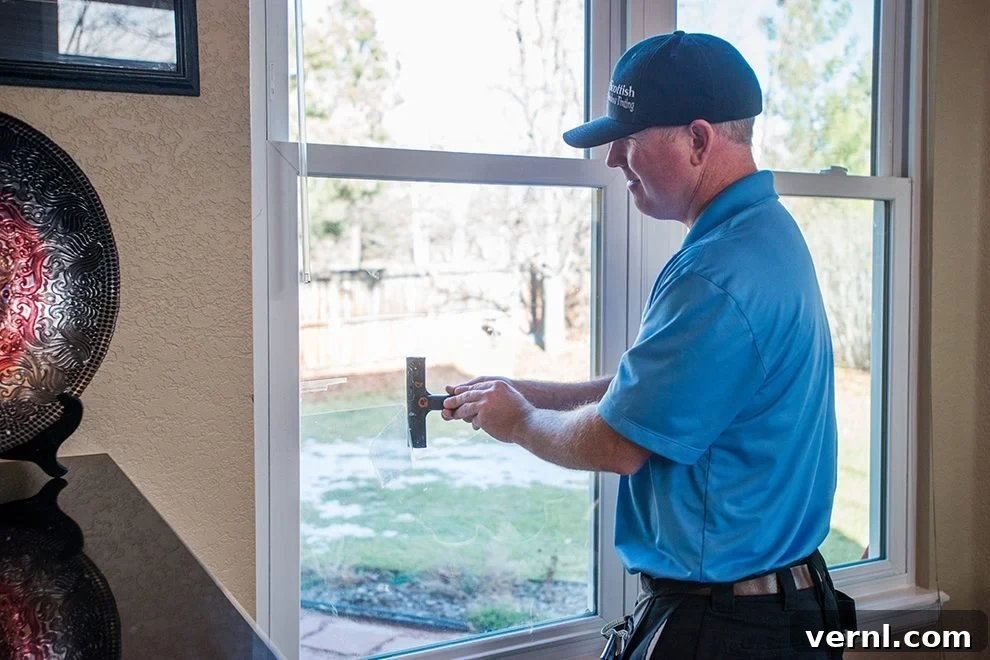
For millennia, specialized glass treatments were the exclusive domain of opulent cathedrals, majestic mosques, and grand palaces across Mesopotamia and Europe. Five decades ago, cutting-edge window coatings were breakthroughs reserved solely for top scientists at advanced space agencies like NASA. Yet, in our modern era, the landscape has dramatically shifted. Today, sophisticated window tints and films have become an incredibly accessible and affordable retrofit solution for everyday homeowners seeking to significantly boost energy efficiency, enhance privacy, and elevate overall comfort. Dive into this comprehensive guide to understand everything you need to know about integrating this smart home improvement.
What Exactly is Home Window Tinting?
At its core, home window tinting involves the application of a remarkably thin, multi-layered film directly onto the existing glass surfaces of your windows. This process serves as an economical and highly effective alternative to the often-costly endeavor of replacing old windows with brand-new energy-efficient models. Beyond its primary role in energy conservation, modern window film also plays a crucial part in bolstering privacy, mitigating glare, and even subtly enhancing the ambiance of your living spaces.
You might be picturing faded, peeling, or unsightly bubbling film from an old car window – perhaps that iconic early ’80s sedan with mismatched tint. Rest assured, the technology for residential window film has evolved leaps and bounds. Today’s home window tints are engineered with advanced materials and installation techniques that virtually eliminate these outdated concerns. They are designed for durability, clarity, and long-term performance, ensuring a pristine look that lasts for years. While you’re exploring the benefits for your home, you might also be interested in how to tint car windows, but remember, the residential application is a different beast entirely.
“Modern films are truly remarkable in their design; they can be crafted to be nearly invisible, providing exceptional clarity without any visual distortion,” explains Martin Faith, president of Scottish Window Tinting, a leading expert based in Centennial, Colorado. “Crucially, these high-quality films are engineered to resist bubbling, peeling, or cracking over time, maintaining their pristine appearance for decades. They can actually enhance the view looking out, sharpening details and reducing haze, and they do not necessitate any reflective appearance from either the interior or the exterior unless that specific aesthetic is desired.
“To put it simply, experiencing the world through a window enhanced with a premium, high-quality film is akin to wearing an exceptionally expensive pair of polarized sunglasses – everything becomes clearer, more vibrant, and remarkably comfortable on the eyes.”
Diverse Types of Home Window Tinting Films
Window films are meticulously engineered from a variety of advanced materials, each designed to serve distinct purposes and meet specific homeowner needs. The sophistication of these films means that some can block an astonishing 70% to 80% of the sun’s oppressive solar heat during the scorching summer months. While renowned for their heat rejection capabilities, many films also contribute to improving insulation during colder temperatures, though their primary strength lies in managing solar gain.
“From an energy-saving perspective, window films deliver more substantial benefits in summer by drastically reducing cooling costs than in winter, where their insulation properties are generally less impactful,” notes Faith. “The exact savings depend heavily on your existing windows, but the most significant impact is seen in how much energy is wasted throughout the summer from continuous air conditioning use.”
Consequently, installing the right window tint can dramatically slash your cooling bills, while also providing superior protection by blocking the vast majority of harmful UV rays and a significant portion of infrared heat. The market offers a vast array of over 300 residential film options, varying widely in shades of tint – measured by their Solar Heat Gain Coefficients (SHGC) and Visible Light Transmittance (VLT) – ranging from almost transparent to decently dark. Each type is tailored for specific functions:
- Solar Control Films: These are the workhorses of energy efficiency, designed to reject solar heat, block UV rays, and reduce glare. They often incorporate ceramic, metallic, or dyed layers to achieve these effects without significantly altering visibility. Options range from nearly clear to darker shades, allowing homeowners to customize light levels and heat rejection.
- Privacy Films: Ideal for bathrooms, bedrooms, or street-facing windows, these films come in various forms. Mirrored films create a one-way effect during daylight hours, while frosted, decorative, or sandblasted-effect films offer complete visual obscurity while still allowing light to enter.
- Safety and Security Films: Thicker and more robust than standard films, these are engineered to hold shattered glass together upon impact, preventing dangerous shards from scattering. This not only enhances safety for occupants but also makes forced entry more difficult, acting as a deterrent against break-ins and offering peace of mind for home security.
- Decorative Films: Beyond functionality, some films are purely aesthetic, designed to mimic etched glass, stained glass, or patterned designs. These can enhance curbside appeal, add a touch of elegance to interior spaces, or create unique visual elements without the expense of custom glass.
- Glare Reduction Films: Specifically formulated to cut down on excessive brightness, these films are perfect for rooms with televisions, computer screens, or home entertainment systems, significantly improving viewing comfort and reducing eye strain.
Typically, these films are applied to the interior surface of the window glass, though some specialized exterior films are available for unique applications.
Compelling Reasons to Tint Your Home Windows
Investing in home window tinting offers a wealth of benefits that enhance comfort, protect your assets, and contribute to a more sustainable lifestyle. Here are some of the most impactful advantages:
- Exceptional Energy Efficiency and Cost Savings: Window film significantly reduces the amount of solar heat entering your home in warm weather, drastically cutting down the workload on your air conditioning system. While primarily a summer-saving solution, certain films also help retain indoor heat during colder months, leading to noticeable reductions in both heating and cooling bills year-round. Over time, these savings can be substantial, often making the investment pay for itself within a few years.
- Enhanced Indoor Comfort: By controlling solar heat gain, window film eliminates uncomfortable hot spots near windows and helps maintain more consistent, even temperatures throughout your home. This means you can enjoy every part of your living space, even those directly exposed to sunlight, without experiencing uncomfortable temperature fluctuations.
- Superior Sun Protection for Interiors: The sun’s powerful UV rays are a leading cause of damage to interior furnishings. Window film effectively blocks up to 99% of these harmful rays, providing critical protection for your valuable furniture, carpets, hardwood floors, artwork, and curtains, preventing them from fading, cracking, and deteriorating prematurely. This extends the lifespan and preserves the beauty of your home’s interior.
- Skin Protection from Harmful UV Rays: Beyond protecting your belongings, window film acts as a powerful shield for your skin. By blocking virtually all UVA and UVB rays, it offers the equivalent of an SPF 1,000 sunscreen, significantly reducing your exposure to radiation linked to skin aging, sun damage, and skin cancer, all while you relax indoors.
- Increased Daytime Privacy: Many films, especially reflective or mirrored varieties, create a one-way visibility effect during daylight hours. This allows you to see clearly outside while making it incredibly difficult for outsiders to see in, offering enhanced privacy without sacrificing your view or natural light.
- Significant Glare Reduction: Harsh glare from the sun can be irritating and make it difficult to work on computers, watch television, or even read comfortably. Window film effectively diffuses intense sunlight, reducing glare by up to 90%, thereby improving visibility on screens and reducing eye strain, creating a more pleasant indoor environment.
- Enhanced Safety and Security: In the unfortunate event of glass breakage due to an accident, severe weather, or an attempted break-in, safety and security films hold the shattered glass shards together. This prevents dangerous flying debris, reduces the risk of injury, and makes it considerably more challenging for intruders to gain entry, adding an extra layer of protection to your home.
- Modest Outside Noise Reduction: While not its primary function, the added layer of film on your windows can provide a slight dampening effect on external noise, contributing to a quieter and more peaceful indoor atmosphere, especially beneficial for homes in busy areas.
- Controlled Light and Darkening Spaces: For rooms that receive excessive sunlight, leading to uncomfortable brightness or heat, window film can effectively darken the space to a desired level. This is perfect for home theaters, nurseries, or any room where controlled lighting is preferred, creating a more inviting and functional environment.
- Improved Curb Appeal: Modern window films can provide a uniform, sleek, and sophisticated look to your home’s exterior. Whether you opt for a subtle tint or a decorative film, it can instantly update your home’s aesthetic, making it more attractive and potentially increasing its resale value.
- Reduced Carbon Footprint: By making your home more energy-efficient and reducing the demand on your HVAC system, window tinting indirectly contributes to a lower carbon footprint, aligning with environmentally conscious living.
Important Considerations: Why Not Tint Home Windows?
While the benefits of home window tinting are extensive, it’s crucial to be aware of potential drawbacks and considerations before making a decision. Understanding these factors will help you make an informed choice that best suits your specific circumstances:
- Potential Window Warranty Issues: Some window manufacturers’ warranties may be voided if aftermarket films are applied to their glass, particularly with older or double-pane windows where improper film could cause thermal stress. It is absolutely essential to check your existing window warranty and consult with reputable film manufacturers, as many film companies offer their own warranties that may match or even exceed the original window warranty.
- Installation Challenges on Older Windows: Really old windows, with their unique frames, latches, and smaller glass panes (lites), can present significant challenges for film installation. The intricacies of these designs can make it difficult to achieve a seamless, bubble-free application, potentially increasing labor costs or limiting film options.
- Risk of Visually Unappealing Results: Poor application by an inexperienced installer can lead to unsightly bubbles, creases, peeling edges, or trapped dust particles. These imperfections can detract significantly from your home’s aesthetic and necessitate costly reapplication, highlighting the importance of hiring a certified professional.
- Counteracting Passive Solar Heat in Colder Climates: While beneficial in summer, darker or highly reflective films can unintentionally block desirable passive solar heat gain during winter months in colder climates. This means you might lose out on some natural warming that could otherwise help reduce heating bills. A careful assessment of your climate and window orientation is crucial to choose a balanced film.
- Impact on Outside Views with Darker Shades: While providing excellent glare reduction and privacy, very dark window films can noticeably diminish the clarity and brightness of your outside view, especially on overcast days or during dusk and dawn. This can make interiors feel darker and less connected to the outdoors.
- Compliance with Homeowners Association (HOA) Regulations: Changing the exterior appearance of your home, including the tint or reflectivity of your windows, might violate specific Homeowners Association (HOA) regulations or local ordinances. Always check with your HOA or local planning department before committing to an installation to avoid potential fines or demands for removal.
- Upfront Investment Cost: Although window tinting is generally more affordable than window replacement and offers long-term savings, there is an initial upfront cost for materials and professional installation that homeowners must budget for.
- Nighttime Privacy Limitations: While mirrored films offer excellent daytime privacy, their effect reverses at night. If the interior of your home is lit, and it’s dark outside, people can often see in, while you may struggle to see out clearly. For nighttime privacy, additional window coverings like blinds or curtains would still be necessary.
- Potential for Thermal Stress on Certain Glass Types: In rare cases, applying window film to specific types of glass, especially older double-pane units or those with existing imperfections, can cause increased thermal stress leading to glass cracking. Reputable professionals will assess your windows to mitigate this risk and recommend appropriate film types.
Should You DIY or Hire a Professional for Window Tinting?

When it comes to home window tinting, the unanimous recommendation from industry experts is to **go pro**. While the idea of a DIY project might seem appealing for potential cost savings, the reality is that achieving a flawless, durable, and aesthetically pleasing finish is incredibly challenging for the average homeowner. Most people opt to hire a tinting professional for a simple reason: the overall cost, including installation, is surprisingly affordable, especially when considering the long-term benefits and the potential pitfalls of a botched DIY job.
Professional installation requires meticulous attention to detail, specialized tools, and extensive knowledge of various tint materials and application techniques. Achieving perfectly straight cuts, seamless edges, proper adherence, and completely bubble-free results across multiple windows is an art form honed through years of experience. An improperly installed film can quickly peel, bubble, crack, or trap dust and debris, not only looking unsightly but also failing to deliver the promised energy efficiency and protection. Entrusting the job to certified experts ensures that your investment is protected and that you receive the maximum benefits from your high-quality window film.
Common Home Window Tinting Mistakes to Avoid
Forewarned is forearmed. Being aware of these common mistakes can save you significant time, money, and frustration when considering home window tinting:
- Inadequate Window Preparation: Not thoroughly cleaning windows prior to tinting, or cleaning them with inappropriate solutions like rubbing alcohol, is a recipe for disaster. Any dust, lint, streaks, or residue left on the glass will be permanently trapped beneath the film, creating unsightly imperfections and compromising adhesion. Professionals use specific cleaning agents and methods to ensure a pristine surface.
- Hiring an Unqualified or Non-Specialized Installer: Opting for a less-than-reputable installation company, or one that primarily specializes in automotive tinting rather than residential applications, is a critical error. Residential window tinting requires different expertise, film types, and installation techniques. Always seek out companies with a proven track record, specific experience in home window films, proper licensing, insurance, and excellent customer reviews.
- Using the Wrong Type of Film: Applying an incompatible film can have severe consequences, including causing thermal stress that can crack some types of double-pane windows or low-e glass. Different films are designed for different window constructions and climates. An experienced professional will assess your specific window types and recommend a film that is safe, effective, and compliant with manufacturer warranties.
- Purchasing Non-Certified Tinting Products: Always ensure that the window film you choose is certified by recognized industry bodies such as the National Fenestration Rating Council (NFRC). NFRC certification means the film’s performance data (like SHGC, VLT, and UV rejection) has been independently verified, ensuring you get a product that performs as advertised and delivers the expected energy savings and comfort.
- Rushing the Installation Process: Whether DIY or a rushed professional job, hurrying through the application leads to errors. Proper film installation requires patience, precision, and careful technique to ensure correct positioning, smooth application, and removal of all water and air bubbles.
- Ignoring Post-Installation Curing Instructions: After film application, there’s a crucial curing period during which the adhesive bonds fully to the glass. Ignoring manufacturer instructions regarding this period – such as cleaning too soon or attempting to open windows prematurely – can lead to bubbling, peeling, or permanent damage to the film.
Understanding the Cost of Home Window Tinting
The cost of home window tinting can vary based on several factors, including your window size, shape, and accessibility, as well as your geographic location. According to Martin Faith, a typical 3-ft. x 5-ft. tinted window usually costs between $120 and $200 for professional installation. To break it down further, window film materials themselves generally range from $2 to $8 per square foot, with labor charges typically falling between $5 and $10 per square foot. This puts the total average cost per square foot for material and installation between $7 and $18.
While this represents an initial investment, Faith highlights that energy-efficiency tint projects often pay for themselves through reduced utility bills within just three or four years. This rapid return on investment makes window tinting a highly attractive home improvement. Furthermore, many utility companies recognize the energy-saving potential of window films and offer valuable rebates for their installation. It’s also worth investigating if your local municipalities provide any tax incentives or credits for homeowners who make such energy-efficient upgrades. These programs can further reduce your net cost and accelerate your payback period.
Should You Tint All of Your Windows?
The decision of whether to tint all your windows depends primarily on your home’s solar exposure and your specific climate. “The more direct sun that comes through your windows, the greater the energy savings you’ll realize from the film,” advises Faith. “Therefore, south, west, and east-facing windows are typically the prime candidates for film application, as these receive the most intense sunlight throughout the day.”
If budget constraints mean you can only afford to tint a few windows, prioritize based on impact. If you run your air conditioning frequently, focus your efforts on the south and west-facing windows first, as these often contribute most significantly to indoor heat gain. For homes in colder climates, a careful evaluation is necessary. Consider the benefit of passive solar heat that naturally warms your home through sunnier windows during winter. Weigh whether the summer savings achieved by reducing solar gain in these windows justifies potentially lessening that beneficial winter warmth. A professional installer can provide a tailored assessment, recommending the optimal film types and placement to maximize benefits while addressing your unique climate and living preferences.
Essential Home Window Tinting Maintenance Tips
With proper installation and diligent care, high-quality window film can maintain its pristine condition and perform optimally for an impressive 15 to even 25 years. Interestingly, because window film is less porous than bare glass, it typically doesn’t accumulate grime as quickly, potentially reducing the frequency of your window cleaning chores. To ensure the longevity and sustained performance of your window film, adhere to these best practices:
- Ditch the Paper Towels: Trade in abrasive paper towels for a soft, non-abrasive sponge or a lint-free microfiber cloth. Paper towels can scratch the film’s surface or leave behind tiny fibers, diminishing its clarity over time.
- Squeegee and Polish: After gently cleaning, use a high-quality squeegee to remove excess water. Then, polish the film with a clean, dry, lint-free microfiber cloth to prevent water spots and ensure a streak-free finish.
- Choose Gentle Cleaners: Steer clear of harsh, abrasive chemicals, ammonia-based cleaners (like many standard glass cleaners), or industrial solvents. These can degrade the film’s adhesive, cause discoloration, or damage its protective coating. Instead, opt for gentle, natural cleaners such as a solution of mild dish soap and water, or a diluted vinegar and water mixture.
- Allow for Full Curing: Crucially, resist the urge to clean your newly tinted windows immediately after installation. Window film requires a specific curing period (typically 30 days, depending on climate and film type) for the adhesive to fully bond and the moisture to evaporate. Cleaning too soon can disrupt this process and lead to bubbling or peeling.
- Annual Silicone Polish Application: For an added layer of protection and to maintain the film’s slick surface, consider applying a silicone-based polish annually. This can help repel dust and water, making future cleanings even easier and extending the film’s aesthetic appeal and protective qualities.
- Avoid Sharp Objects: Be mindful when cleaning or adjusting window coverings to avoid accidental scratches or nicks from sharp objects like razor blades, rings, or hard-bristled brushes, as these can permanently damage the film.