
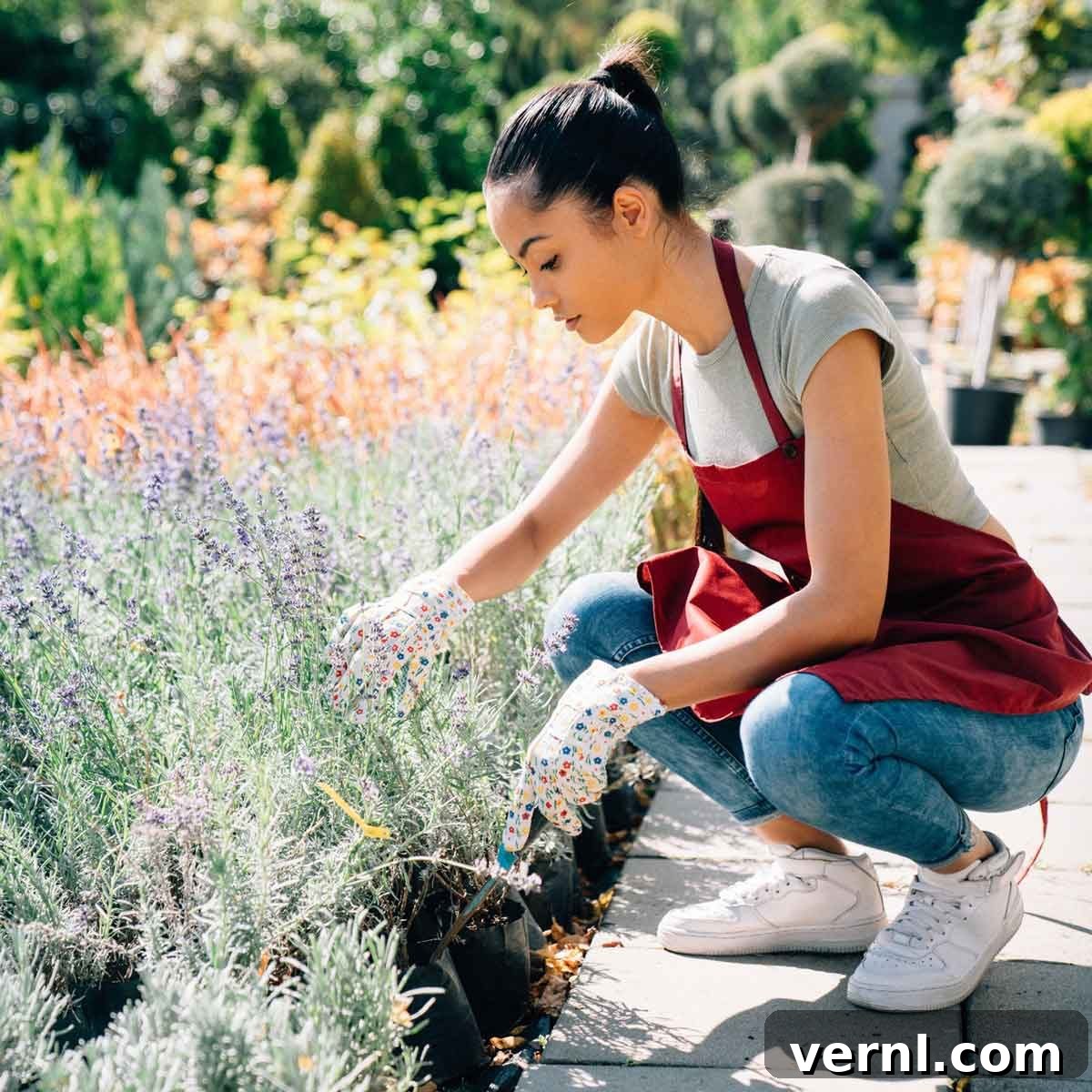
Cultivating a Low-Maintenance Landscape: Smart Strategies for a Beautiful Yard
In today’s fast-paced world, the dream of a beautiful garden often collides with the reality of limited time and energy. Many homeowners aspire to lush, vibrant outdoor spaces but dread the relentless chores of watering, weeding, and pruning. The good news is that you don’t have to sacrifice beauty for practicality. By implementing smart design principles and making thoughtful plant choices, you can create a stunning landscape that demands significantly less upkeep, allowing you more time to relax and enjoy your outdoor oasis.
This comprehensive guide explores effective strategies to transform your yard into a low-maintenance haven. From embracing water-wise flora to rethinking traditional lawn care, these approaches will help you cultivate an environment that thrives with minimal intervention, freeing you from constant yard work and enhancing the sustainability of your home.
Embrace Drought-Tolerant Plants for Water-Wise Gardening
Watering restrictions are becoming an increasingly common reality in many regions, making it essential to adopt gardening practices that conserve this precious resource. Beyond compliance, choosing plants, trees, and shrubs that require less water is a highly effective way to drastically reduce your watering chores and environmental footprint. This approach, often referred to as xeriscaping or water-wise gardening, doesn’t mean sacrificing beauty; instead, it opens up a world of resilient and captivating plant options.
There is an impressive array of drought-tolerant plants available that thrive in diverse soils and climates. From the delicate charm of wild strawberries to the rugged beauty of native succulents and ornamental grasses, you can discover countless options that will bring texture, color, and life to your garden. Consider exploring innovative ideas for a drought-tolerant lawn, such as replacing thirsty turf with ground covers or native meadows, which not only conserve water but also support local ecosystems.
The key to success with drought-tolerant plants lies in careful selection and establishment. It’s crucial to match the plant to its specific site conditions, considering factors like sunlight exposure, soil type, and drainage. While these plants are known for their resilience, they do require diligent watering during their initial establishment period—typically the first year or two after planting. This critical phase allows them to develop a strong, deep root system, which is vital for their long-term survival and ability to thrive with minimal supplemental irrigation. Once established, these plants will mature beautifully, requiring significantly less water and attention than their thirstier counterparts. By implementing these tips and hacks for yard work, you can enjoy a stunning, resilient landscape without expending unnecessary energy.
Transform Your Yard by Replacing Turf with Ground Covers
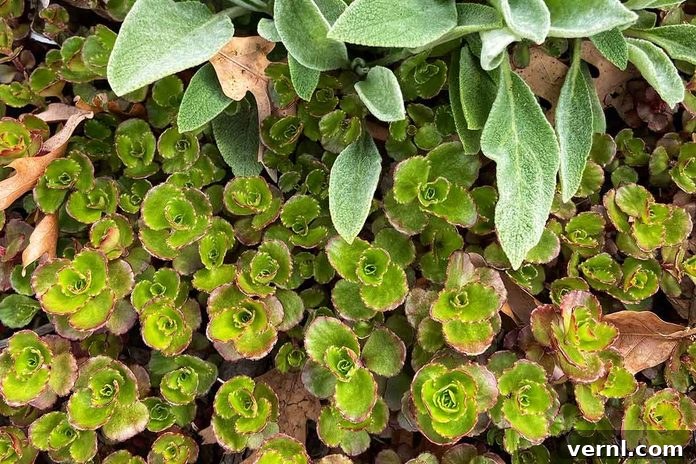
While many people cherish the classic aesthetic of a lush green lawn, the truth is that maintaining a good-looking lawn demands considerable effort, water, and often, chemical treatments. For those seeking to reduce their yard work without sacrificing visual appeal, replacing sections of traditional turf with appropriate ground cover plants offers an elegant and practical solution. This simple swap can dramatically slash your chore time, allowing you more leisure without compromising the beauty of your outdoor space.
Ground covers are an incredibly versatile category of plants that spread low and wide, creating a living carpet that can suppress weeds, prevent erosion, and add diverse textures and colors to your landscape. They are particularly effective in problem areas where traditional grass struggles to thrive. Consider replacing turf in challenging spots such as densely shaded corners, perpetually hot and dry patches, or rocky slopes. By selecting a ground cover plant specifically suited to those conditions, you can transform a troublesome area into a thriving, low-maintenance feature.
For instance, there are numerous ground cover succulents that excel in sunny, arid locations, providing striking visual interest with minimal water. In contrast, various types of moss, creeping thyme, or sedum can flourish in partial shade, offering a soft, verdant alternative to struggling grass. Before making your selection, it’s always wise to consult with your local extension service or a reputable nursery. They can provide a tailored list of appropriate plants that are native or well-adapted to your specific climate and soil conditions, ensuring long-term success and minimal fuss. The integration of ground covers not only reduces mowing and watering but also contributes to biodiversity and a more sustainable garden ecosystem.
Opt for Carefree Shrubs and Trees for Effortless Beauty
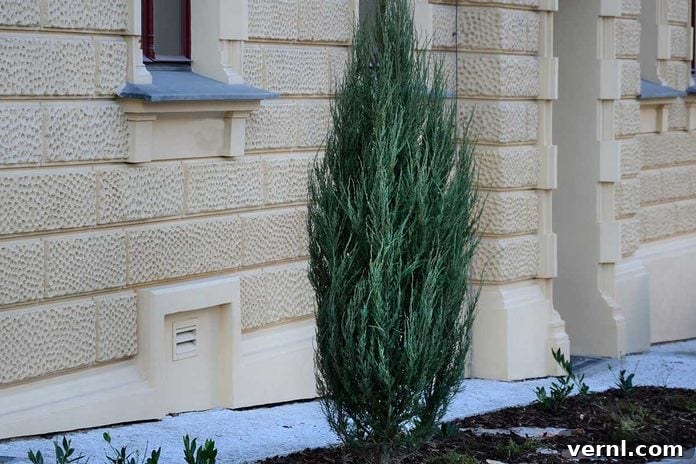
The foundation of a truly low-maintenance landscape often begins with the thoughtful selection of its structural elements: shrubs and trees. Choosing low-maintenance shrubs and trees that require minimal attention as they grow is a crucial step towards reducing long-term upkeep. Modern horticulture has made this easier than ever, with many new plant varieties specifically bred for their smaller, more manageable stature, as well as enhanced resistance to common diseases and pests.
When selecting trees and shrubs, prioritize varieties that naturally grow to an appropriate size for their designated space. Dwarf conifers, compact shrubs, and yard trees that mature at a height of 10 to 15 feet are excellent choices. Plants that fit their space perfectly will significantly reduce the need for constant pruning chores, which can be time-consuming and labor-intensive. Furthermore, selecting disease and pest-resistant varieties minimizes the need for chemical treatments or remedial care, ensuring healthier plants and a more natural garden environment.
Consider incorporating plants that offer year-round interest with minimal intervention. For example, a dwarf globe spruce provides unique texture and evergreen color, while an upright juniper offers structural elegance. Barberry varieties, often known for their vibrant foliage and drought tolerance, require little fuss. Similarly, smaller blooming ninebark varieties, such as ‘Seward Summer Wine’ or ‘Little Devil,’ offer beautiful seasonal interest with minimal pruning demands. These types of plants are bred to be resilient and beautiful, allowing them to play nicely together in your landscape year after year with truly minimal upkeep. By making smart selections at the outset, you invest in a garden that will provide lasting beauty without demanding constant vigilance.
Design Sustainable Spaces with Permeable Hardscape Materials
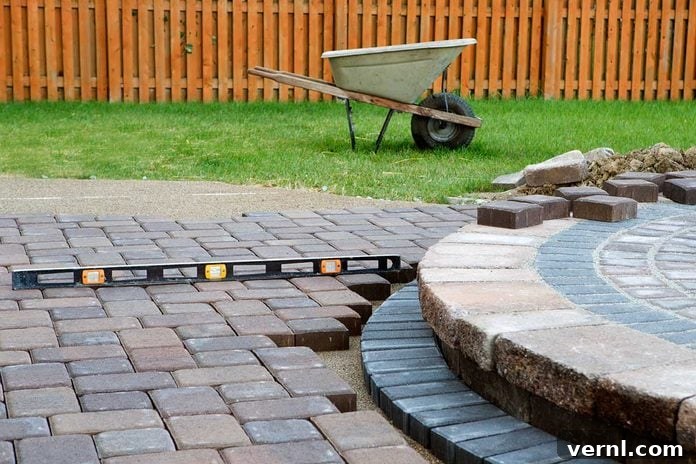
Hardscape elements – such as patios, walkways, and courtyards – are essential components of any well-designed yard, adding structure, functionality, and aesthetic appeal. Beyond their visual charm, carefully chosen hardscaping can dramatically reduce landscaping chores and contribute to environmental sustainability. A key strategy for creating an eco-friendly and low-maintenance outdoor space is to utilize permeable materials, which allow rainwater to infiltrate the ground rather than run off.
Imagine an elegant, simple, and environmentally friendly courtyard constructed from inexpensive patio pavers set in a grid and surrounded by trap rock or gravel. This design not only looks sophisticated but also serves a vital ecological function. Permeable hardscapes are designed to let rainwater seep directly into the soil below, effectively irrigating nearby plantings, minimizing surface runoff, and preventing soil erosion. This approach helps to recharge groundwater, reduces the burden on storm drains, and can even mitigate urban heat island effects.
There is a growing variety of permeable materials suitable for different applications. Beyond traditional gravel and natural stone, consider advanced options like permeable pavers. These specialized pavers have wider joints filled with aggregate, or feature porous materials themselves, allowing water to filter through. Organic mulches, while not technically hardscape, also play a role in water retention and soil health within planting beds adjacent to hardscaped areas. By thoughtfully integrating permeable materials into your patio, pathway, and courtyard designs, you create beautiful, functional spaces that actively support your garden’s health and contribute to a more sustainable environment, all while reducing the effort required for water management.
Master Weed Control with Mulching, Minimal Soil Disturbance, and Dense Planting
Weeding is arguably one of the most tedious and time-consuming garden chores. Fortunately, a combination of smart horticultural practices can drastically reduce the amount of time you spend battling unwanted plants. The trifecta of heavy mulching, minimal soil disturbance, and dense planting creates an environment that naturally suppresses weeds, fostering a healthier and more manageable garden.
Firstly, mulching heavily is one of the most effective weed control strategies. A thick layer of organic mulch, such as shredded bark, wood chips, or finished compost, serves as a physical barrier that blocks sunlight from reaching dormant weed seeds in the soil. Without light, these seeds cannot germinate, significantly reducing weed growth. Beyond weed suppression, mulch also helps retain soil moisture, regulates soil temperature, and enriches the soil as it breaks down, leading to healthier plants that are more resilient to competition. Aim for a 2-4 inch layer of mulch, making sure to keep it a few inches away from plant stems to prevent rot.
Secondly, practicing minimal soil disturbance, often associated with “no-dig” gardening, is crucial. Every time you turn or dig the soil, you inadvertently bring dormant weed seeds to the surface, exposing them to light and oxygen – the very conditions they need to germinate. Instead of tilling, allow beneficial organisms like earthworms from your compost to do the cultivating for you. Their natural movements aerate the soil and integrate organic matter without disturbing the weed seed bank. This approach fosters a thriving soil microbiome and significantly reduces the influx of new weeds.
Finally, planting densely is another powerful weed-fighting technique. By spacing your desired plants closer together, their foliage will eventually grow to shade out the soil surface, effectively smothering weeds by blocking their access to sunlight. This strategy not only prevents weed germination but also creates a cooler, more humid microclimate that can benefit your plants by conserving moisture. When your garden beds are filled with the plants you want, there’s simply less room and fewer resources for weeds to take hold. By combining these three practices – heavy mulching, rare soil turning, and dense planting – you create a resilient, self-sustaining garden system that minimizes weeding and maximizes enjoyment.
Streamline Your Garden by Minimizing Labor-Intensive Plantings
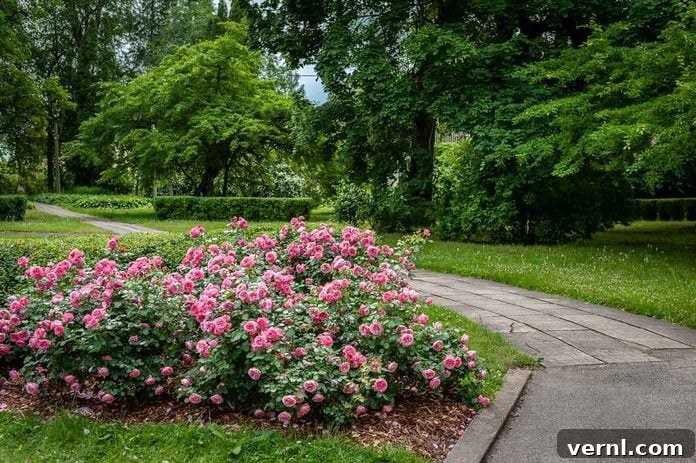
While the allure of certain plants, like classic roses, is undeniable, it’s important to recognize that many beloved varieties often require a substantial commitment of time and resources. Traditional roses, for example, typically demand copious amounts of water, frequent fertilization, and regular applications of pesticides to maintain their iconic beauty. This is not to say you should abandon every plant you adore, but rather to encourage a strategic and thoughtful approach to your planting choices.
The core principle of a low-maintenance landscape is to choose your plantings carefully, prioritizing those that naturally thrive in your environment with minimal intervention. If the majority of your landscape consists of relatively carefree, regionally appropriate plants, you’ll create a robust foundation that requires little ongoing attention. This calculated approach then provides you with the luxury of allocating more time and effort to a select few “finicky” plants you truly love. You can focus your energy on ensuring those high-maintenance favorites look their absolute best, without feeling overwhelmed by an entire garden of demanding flora.
Furthermore, if you are embarking on a yard renovation, remember to keep the needs and activities of your family in mind, especially children. Designing spaces that are not only beautiful but also safe, functional, and enjoyable for everyone can significantly reduce maintenance burdens. For instance, open play areas or robust, low-growing plants that can withstand occasional foot traffic can be far more practical than delicate flowerbeds requiring constant protection. By consciously minimizing the number of labor-intensive plantings and focusing on smart, resilient choices, you can create a vibrant, enjoyable outdoor space that serves as a sanctuary, not a source of endless chores.
In conclusion, creating a low-maintenance landscape is a journey of thoughtful design and plant selection. By embracing drought-tolerant varieties, integrating ground covers, choosing carefree shrubs and trees, utilizing permeable hardscapes, and implementing smart weed control strategies, you can significantly reduce the time and effort spent on yard work. These sustainable practices not only free up your valuable time but also contribute to a healthier environment, allowing you to truly relax and savor the beauty of your outdoor living space.