

As the festive season approaches, many families find themselves at the heart of a beloved holiday debate: to choose a real Christmas tree or an artificial one? This decision goes beyond mere aesthetics, touching upon tradition, convenience, cost, and environmental considerations. To help you make an informed choice that best suits your home and holiday spirit, this comprehensive guide explores the distinct advantages and disadvantages of both the authentic, fragrant real Christmas tree and the practical, reusable artificial Christmas tree.
The Enduring Appeal of Real Christmas Trees
Real Christmas trees have been a cherished emblem of holiday celebrations for generations, bringing a unique blend of tradition, natural beauty, and an unmistakable aroma into homes. Their appeal lies not only in their aesthetic presence but also in the rich sensory experience they offer, from the crisp scent of pine to the unique adventure of selecting one.
Discovering Popular Real Christmas Tree Species
The variety of real Christmas trees available ensures there’s a perfect match for every preference, each boasting distinct characteristics in terms of scent, needle texture, and overall shape. Understanding these differences can significantly enhance your tree selection process.
Noble Firs
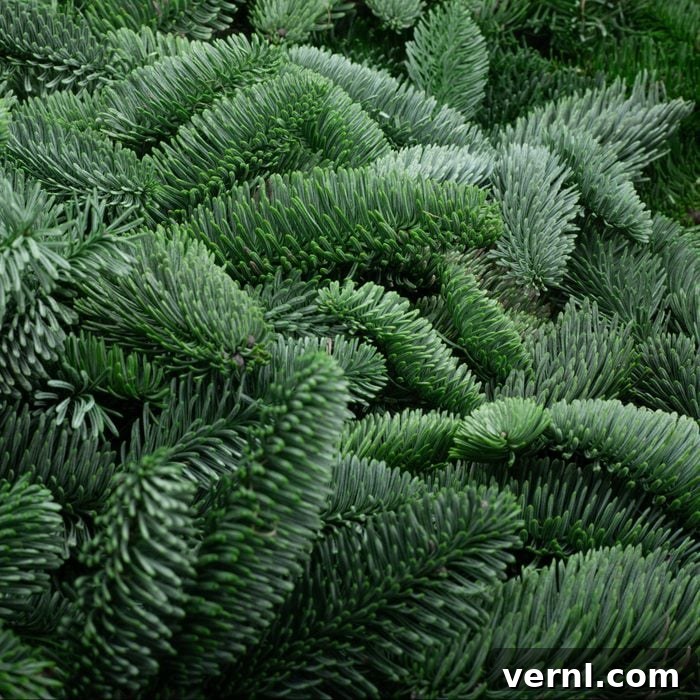
Noble firs are highly esteemed for their elegant, formal appearance, characterized by stiff, bluish-green needles that are typically 1 to 1.5 inches long. Their strong branches are perfect for supporting heavier ornaments, and their symmetrical pyramid shape provides a classic silhouette. Known for exceptional needle retention and a lovely, subtle evergreen fragrance, they are a premium choice for many.
Balsam Firs
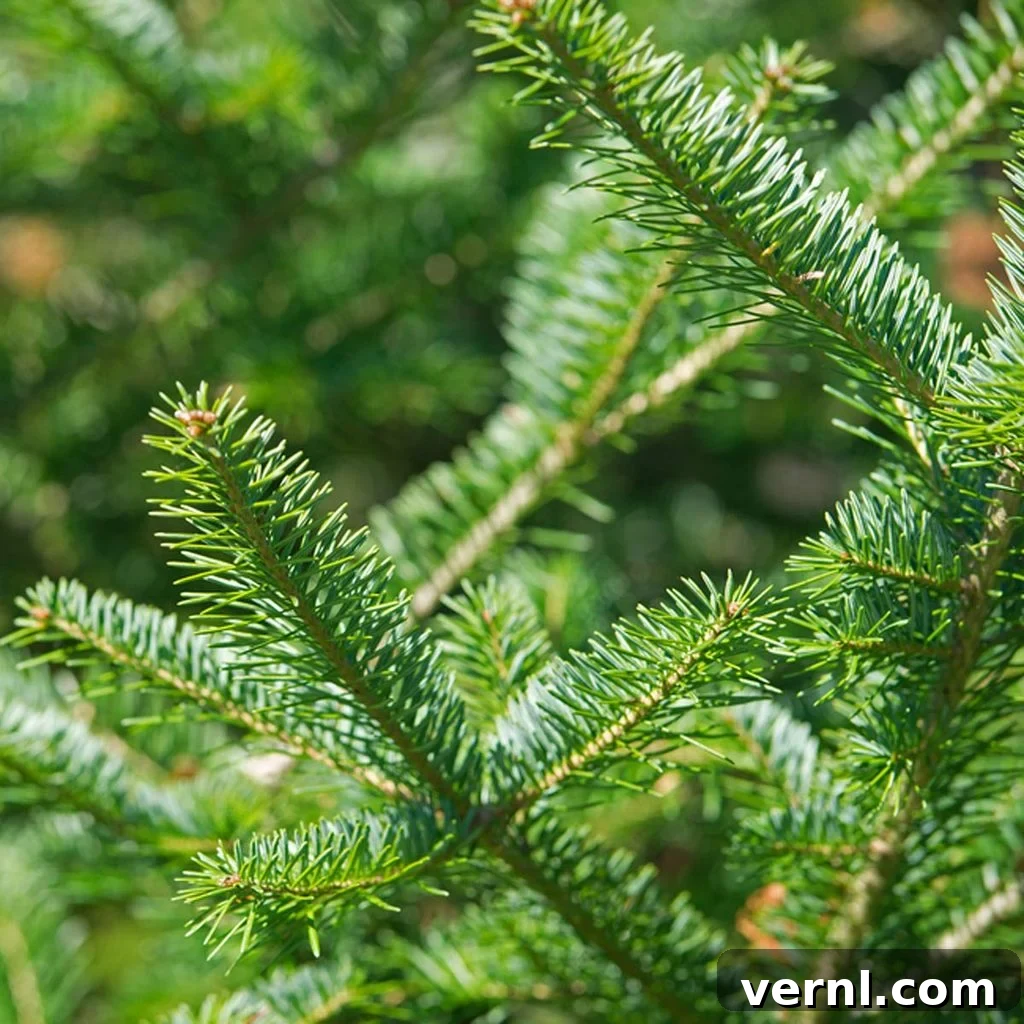
Balsam firs are perennial favorites, largely thanks to their iconic, refreshing Christmas tree scent that truly defines the holiday season. These trees display a dense, pyramid shape with beautiful dark green needles. Their excellent needle retention and robust branches make them a reliable and highly aromatic centerpiece for any festive home.
Fraser Firs
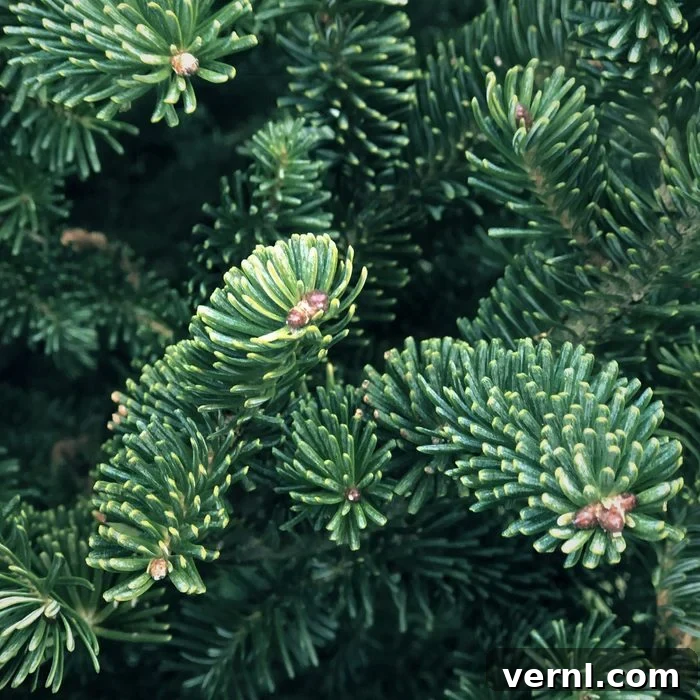
Fraser firs closely resemble Balsam firs in their classic pyramid form and appealing dark green needles. However, Fraser firs often feature a more compact and slender profile, making them an exceptionally popular choice for homes with limited space. They also offer superb needle retention and a delightful, fresh aroma, blending practicality with traditional charm.
Douglas Firs
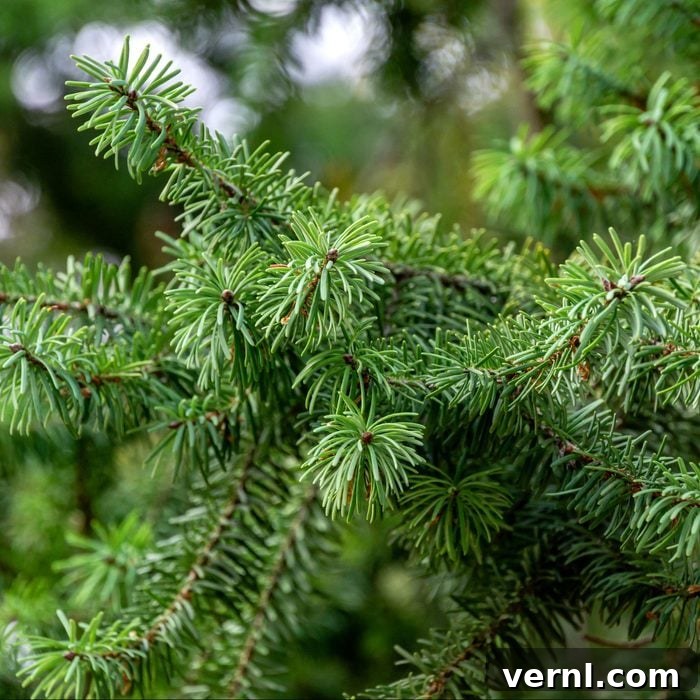
Douglas firs are celebrated for their incredibly soft, pliable needles, which are gentle to the touch and renowned for their long-lasting freshness on the tree. Available in various subspecies, their coloration ranges from deep green to blue-green. When crushed, their needles release a unique, sweet citrusy fragrance, adding a pleasant sensory layer to your holiday experience.
Colorado Blue Spruces
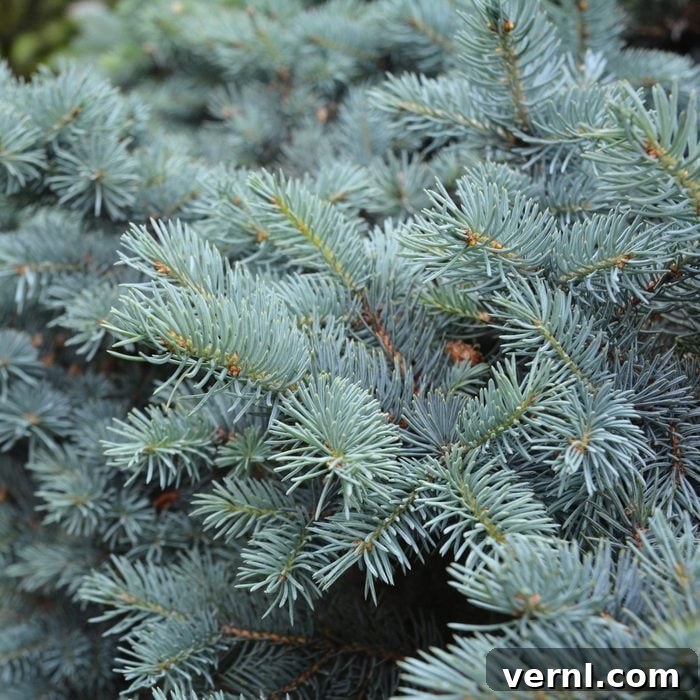
Colorado blue spruces command attention with their striking silvery-blue to greenish-blue needles, offering a distinctive color palette that brightens any festive display. While their pyramid shape is classic, it’s worth noting their needles are sharper than those of most other common species. Despite this, their vibrant color and excellent needle retention make them a bold and beautiful choice.
White Spruces
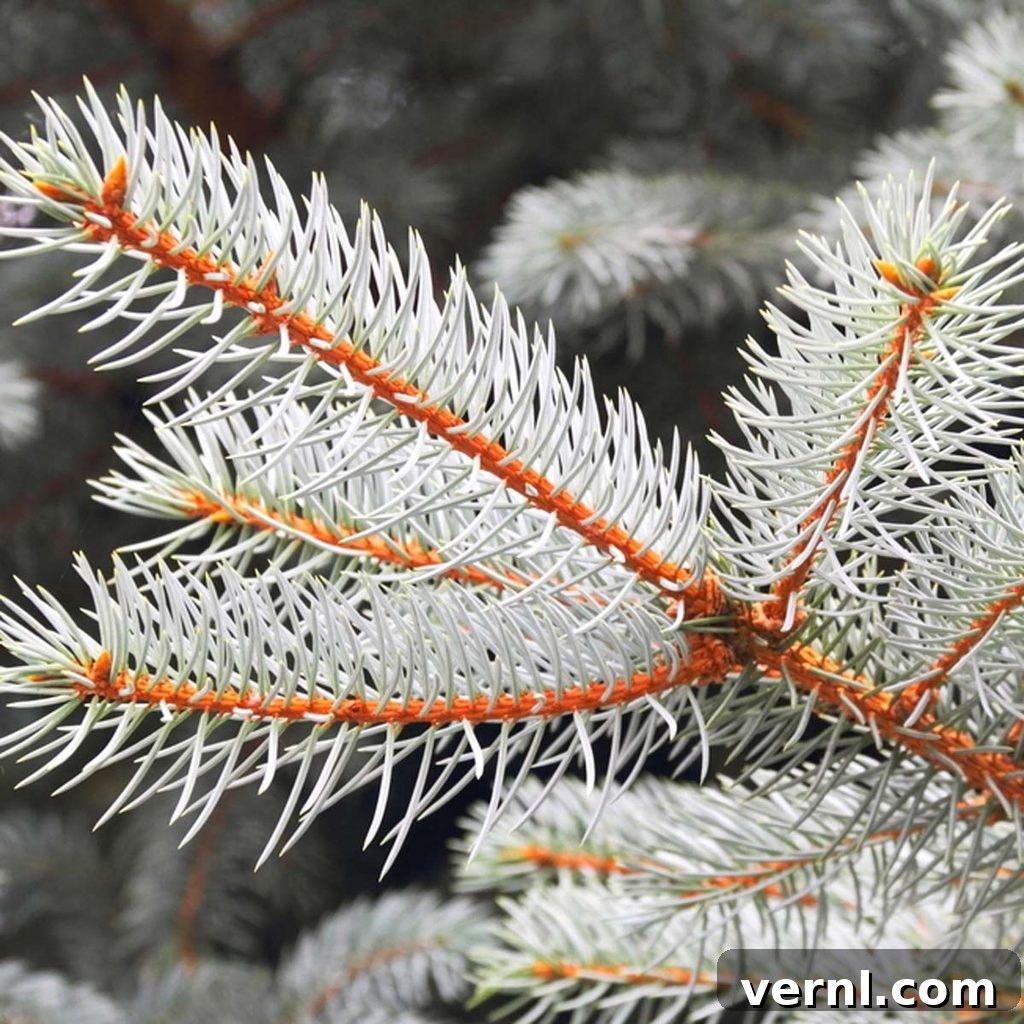
White spruces are recognized for their stately, often tall stature and attractive light green to bluish-green needles. They maintain a graceful conical shape, making them a dignified addition to any room. While their fragrance is generally milder compared to firs, they offer good needle retention when well-hydrated, providing a beautiful and classic backdrop for your holiday decorations.
Scotch Pines
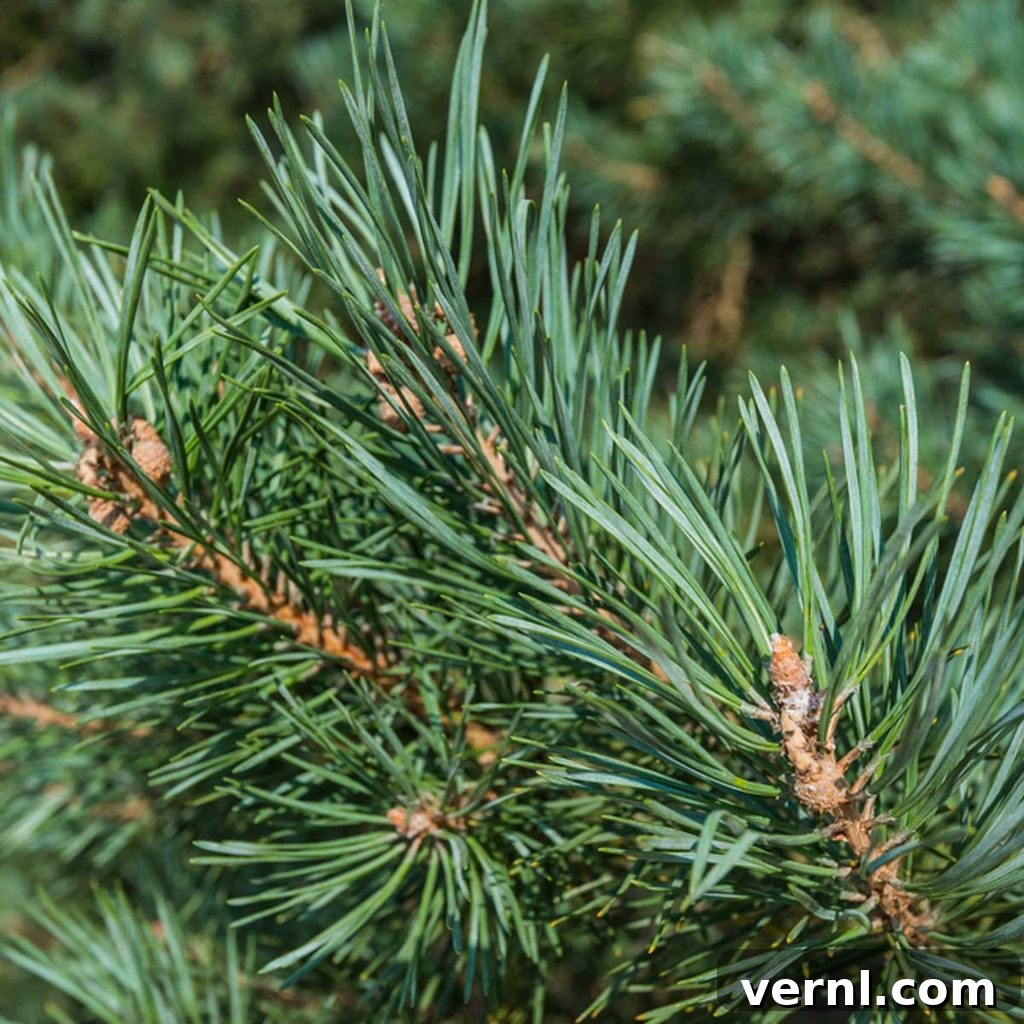
Scotch pines are highly favored for their remarkable needle retention, which ensures a long-lasting and mess-free display throughout the holiday season. These trees typically grow into an oval or pyramid shape, featuring blue-green needles that gradually deepen to a yellow-green hue. Their stiff branches are exceptionally strong, making them ideal for showcasing a generous collection of ornaments.
Eastern White Pines
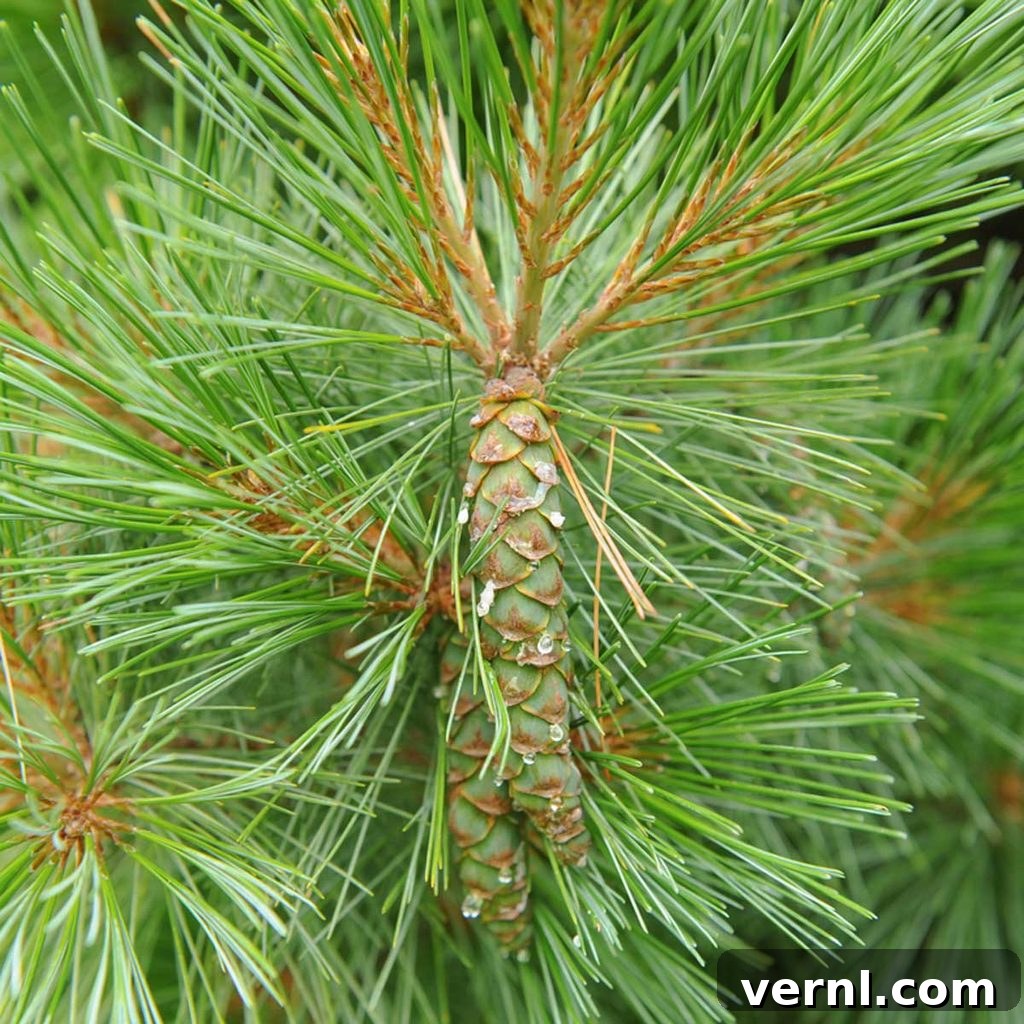
Eastern white pines are another popular choice, distinguished by their incredibly soft, long blue-green needles that are a joy to touch. They typically form an elegant oval or pyramid shape, offering a lush and full appearance. Although they possess a very subtle fragrance, their superior needle retention and dense foliage create an excellent canvas for elaborate holiday decorating, providing a soft and inviting presence.
Eastern Red Cedars
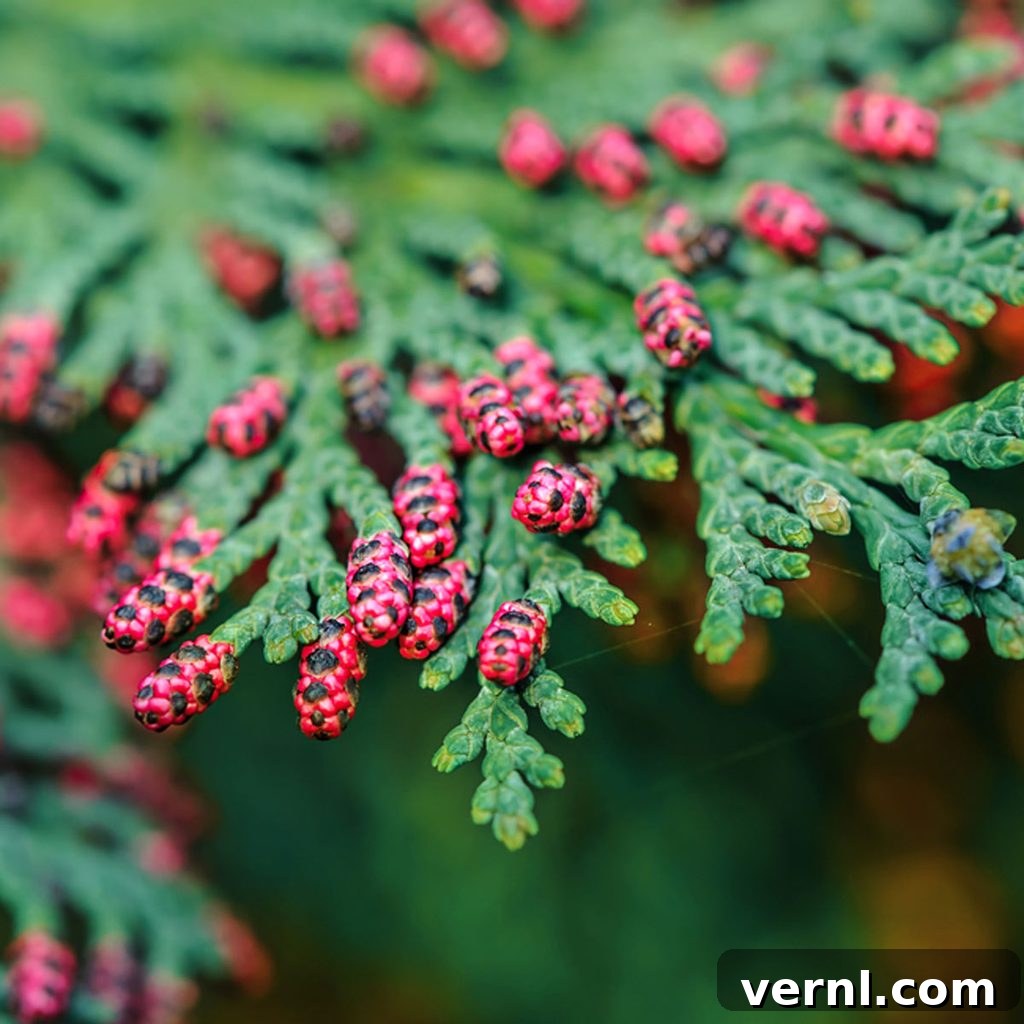
Eastern red cedars typically feature a distinctive pyramid shape and dense, medium green, often scale-like foliage. While not a traditional “fir” or “pine,” they offer a unique, woody, and slightly pungent aroma that some find wonderfully festive. They are also noted for their resilience and excellent ability to hold their foliage throughout the holiday period, making them a unique choice.
Leyland Cypresses
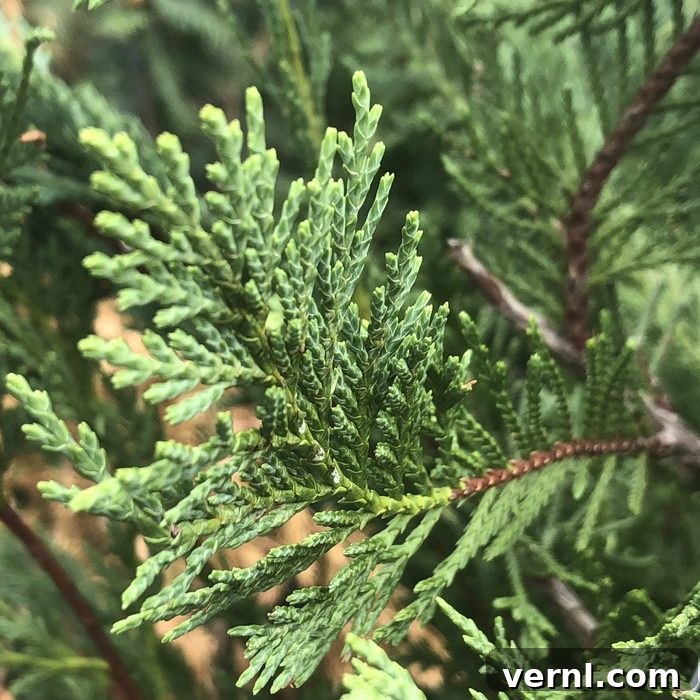
Leyland cypresses stand out for their more slender and columnar growth habit compared to other species, making them an excellent option for narrower spaces. Their soft, feathery needles typically appear in attractive shades of dark green or blueish-green. They are often favored by those who prefer a Christmas tree with very minimal scent, providing a graceful and understated elegance.
Key Advantages of Choosing a Real Christmas Tree
- Unrivaled Sensory Experience: The most compelling reason to choose a real tree is its unparalleled ability to fill your home with the authentic, fresh fragrance of evergreen. This natural aroma instantly evokes cherished holiday memories and creates an inviting, festive ambiance that artificial trees cannot replicate.
- Supporting Local and Sustainable Practices: The vast majority of real Christmas trees sold in the United States are grown on family farms by American farmers, as per the U.S. Department of Agriculture (USDA). Opting for a real tree directly supports these local agricultural businesses and contributes to a robust domestic economy, often involving sustainable farming practices.
- Significant Environmental Benefits: Christmas tree farms are dedicated agricultural operations that actively contribute to environmental health. While growing, these trees absorb carbon dioxide and release oxygen, purifying the air. They also provide crucial habitat for wildlife. Furthermore, for every tree harvested, farmers typically plant several new seedlings, ensuring a continuous cycle of reforestation and ecological benefit. Real trees are biodegradable and can be recycled into mulch or compost.
- Creating Cherished Family Traditions: The annual pilgrimage to a tree farm or local lot to select and cut down “the perfect tree” is a deeply cherished ritual for countless families. This hands-on experience fosters lasting memories and strengthens family bonds, becoming an integral part of the holiday season’s magic.
Potential Disadvantages of Real Christmas Trees
- Rising Costs and Annual Expense: The price of real Christmas trees has seen a steady increase in recent years, with the average price reaching $78 in 2021, according to the American Christmas Tree Association. This represents a recurring annual expense that can accumulate over time, potentially becoming more costly than a one-time investment in a quality artificial tree.
- Allergy Concerns and Irritants: For individuals sensitive to tree pollen, mold spores, or even certain pesticides occasionally used on farms, a real tree can unfortunately trigger allergic reactions, leading to sneezing, wheezing, or skin irritation. This can significantly detract from the joy of the holiday season for affected family members.
- High Maintenance and Safety Risks: Real trees require diligent care, most importantly consistent watering, to maintain freshness and safety. If neglected, they can quickly dry out, shedding needles excessively and becoming a serious fire hazard. Furthermore, real trees can sometimes host tiny insects or spiders, which, while usually harmless, can be an unwelcome surprise indoors.
- Inconvenience and Mess: Even with proper watering, real trees will inevitably shed some needles, necessitating regular cleanup. Sap can also be messy and challenging to remove from flooring or carpets. The process of safely disposing of a large real tree after the holidays can also be cumbersome and inconvenient.
Where to Find Your Perfect Real Christmas Tree
The quest for the ideal real Christmas tree can be a festive event in itself. Local tree farms offer the most immersive “choose and cut” experience, allowing you to select the freshest tree directly from its growing environment. Many garden centers, nurseries, and large retail stores also feature extensive selections of pre-cut trees. Additionally, various community organizations such as the Boy Scouts or Lions Club often operate temporary tree lots during the holiday season, providing a convenient way to purchase a tree while supporting charitable causes.
Setting Up Your Real Christmas Tree for a Safe and Beautiful Display
Proper setup is fundamental for both the longevity and safety of your real Christmas tree. Start by making a fresh cut (about one inch) across the base of the trunk to enable optimal water absorption. Immediately place the tree in a sturdy, high-quality stand with a generous water reservoir, ensuring it is perfectly upright and stable. Fill the stand with fresh water and check the water level daily, refilling as needed to keep the tree hydrated and minimize fire risk. Position your tree away from heat sources like fireplaces, radiators, and heating vents. When decorating, it’s generally easiest to string lights first, followed by garlands or tinsel, and finally, delicate ornaments and your cherished tree topper. This systematic approach ensures an organized and beautiful display.
The Modern Appeal of Artificial Christmas Trees
For those prioritizing ultimate convenience, long-term financial savings, or seeking relief from potential allergy issues, artificial Christmas trees offer an excellent and increasingly sophisticated solution. While they do require dedicated storage space, their durability means they are a one-time purchase that can be enjoyed for many years, eliminating the annual expense and effort of finding a new tree. Modern artificial trees are often crafted with remarkable realism and frequently come pre-lit, further simplifying holiday preparations.
A Diverse Selection: Types of Artificial Christmas Trees
The market for artificial trees has expanded dramatically, offering a vast array of styles, sizes, and innovative features to complement any home decor. Here’s a look at some popular options:
- Realistic Fir and Spruce Replicas: These high-end trees are meticulously designed to emulate specific real tree species, such as Blue Spruce or Balsam Fir, often utilizing “real-feel” (PE) needles for an incredibly authentic look and texture. An example of this realism is Balsam Hill’s Blue Spruce Premium Artificial Christmas Tree.
- Classic Pine Trees: Offering a timeless and traditional aesthetic, artificial pine trees typically feature full, dense branches with classic PVC needles. They provide a sturdy and versatile base for all types of ornaments. Best Choice Products’ Artificial Christmas Pine Tree is a popular and accessible option.
- Pop-Up Trees: Engineered for ultimate ease, pop-up trees arrive largely preassembled. Setting them up involves simply pulling up the central pole, allowing the branches to fall effortlessly into place. They are ideal for quick decoration, temporary displays, or for individuals seeking a minimal-effort solution. Holiday Peak offers a range of stylish pop-up designs.
- Flocked Trees: These trees are specially treated with a coating that mimics the appearance of freshly fallen snow, instantly creating a magical “winter wonderland” effect. Flocked trees add a unique, cozy ambiance to your holiday decor. You can even learn how to make a flocked Christmas tree yourself, or explore options like the Holiday Stuff 5 Foot Light Flocked Balsam Fir Christmas Tree.
- Pencil-Thin or Slim Trees: Designed specifically for compact living spaces, small apartments, or narrow entryways, these tall and slender trees provide full height without occupying much floor space. They are a popular choice for urban dwellers or for adding multiple festive accents throughout the home. For example, SVNVIOZ offers a sleek 6.5ft Fir Pencil Christmas Tree.
- Pre-Lit and Smart Trees: Many artificial trees now come with integrated lighting, saving considerable decorating time. Advanced “smart trees” feature customizable LED lights that can change colors, patterns, and even be controlled via smartphone apps, offering unparalleled flexibility and modern flair.
Key Advantages of Opting for an Artificial Christmas Tree
- Unmatched Convenience and Simplicity: Artificial trees are celebrated for their ease of use. They are typically straightforward to set up and disassemble, and their pristine appearance remains consistent year after year without any need for maintenance. Once the holidays are over, simply pack them away, ready for the next season, saving considerable time and effort.
- Long-Term Financial Savings: While the initial investment for a high-quality artificial tree can be greater than a single real tree, artificial trees prove to be significantly more economical over time. As a one-time purchase designed to last for many years, they eliminate the recurring annual expense of buying a new tree and any associated care costs.
- Mess-Free and Allergy-Friendly: One of the most significant benefits of artificial trees is their clean, hassle-free nature. There are no dropped needles to constantly vacuum, no daily watering rituals, and no unwelcome insects. This makes them an ideal choice for individuals suffering from allergies to pollen or mold, allowing everyone to enjoy the festive atmosphere without discomfort.
- Diverse Customization and Design Options: The artificial tree market offers an incredibly broad spectrum of choices in terms of sizes, shapes, and colors, including vibrant red Christmas trees, classic white, and unique black options. Many come pre-lit with various lighting choices, from traditional warm white to dynamic multi-colored LEDs, offering immediate decorating solutions and endless creative possibilities.
- Consistent Durability and Appearance: Artificial trees are built for endurance. Their carefully constructed branches are designed to hold ornaments without sagging, and their overall appearance remains consistently fresh and festive throughout the entire holiday season, from the day you set it up until it’s time to pack it away.
Potential Disadvantages of Artificial Christmas Trees
- Environmental Impact and Non-Biodegradability: The primary ecological concern with artificial trees stems from their material composition. Most are made from PVC (polyvinyl chloride), a petroleum-based plastic that is not biodegradable and notoriously difficult to recycle. This means that at the end of their lifespan, artificial trees typically contribute to landfill waste, where they can persist for centuries.
- Manufacturing and Sourcing Concerns: A vast majority of artificial Christmas trees are produced overseas, predominantly in Asia. This raises environmental questions concerning the substantial carbon footprint associated with global shipping. Furthermore, it can bring about ethical considerations regarding labor practices and manufacturing standards in certain regions.
- Potential Fire Hazards: Although often perceived as safer than dry real trees, artificial trees, particularly pre-lit models, can still pose a fire risk. Faulty wiring, manufacturing defects, or improper use of electrical components can lead to electrical fires, sometimes originating in the base. It is imperative to purchase artificial trees that are safety certified (e.g., UL listed) and to diligently follow all usage instructions.
- Absence of Natural Scent and Experience: A common point of contention for artificial trees is the lack of the authentic, invigorating aroma of fresh pine or fir. While scent diffusers or sprays can be used, they rarely replicate the genuine experience. The cherished sensory ritual of choosing and bringing home a real tree is also forgone with an artificial alternative.
Where to Purchase Your Artificial Christmas Tree
Artificial Christmas trees are readily available across a wide range of retail channels. You can explore extensive selections at major hardware stores, home goods retailers, department stores, and numerous online vendors such as Amazon or specialized Christmas tree websites. Prices typically vary, ranging from approximately $60 for smaller, basic models to $350 or more for larger, highly realistic, and advanced pre-lit premium trees. When making your selection, consider factors like tree height, overall fullness, the quality of the materials (e.g., PVC versus more realistic PE needles), and whether you prefer a pre-lit or unlit option.
Setting Up Your Artificial Christmas Tree for a Stunning Display
Most artificial Christmas trees include clear, step-by-step assembly instructions, ensuring a straightforward setup process. Typically, this involves connecting numbered sections of the central pole and then either hooking or hinging the individual branches into their designated positions. For unlit trees, stringing your lights is the initial step before adding any other decorations. If you’ve chosen a convenient pre-lit tree with integrated LED Christmas lights, simply connect the light strands between sections and plug it in. The most crucial step for achieving a realistic and full appearance is “fluffing” the branches – carefully shaping and spreading each individual branch and tip to eliminate any gaps and create a lush, natural silhouette. Once fluffed, lit, and perfectly shaped, your artificial tree is ready to be adorned with your favorite ornaments and a beautiful tree topper!
Optimal Storage Solutions for Artificial Christmas Trees
Once the festive season concludes, proper storage of your artificial Christmas tree is paramount for its longevity and to ensure a hassle-free setup in subsequent years. While storing a bulky artificial tree can sometimes seem challenging, efficient solutions exist to minimize space and effort, protecting your investment.
Consider this ingenious tip for compact storage: acquire two eight-inch-diameter concrete form tubes, readily available at hardware stores. As you systematically disassemble your tree, tightly wrap each layer of branches with twine or self-adhesive bandage wrap. Neatly slide approximately half of the tree’s layers into each tube. Clearly label each tube with the corresponding layer numbers to simplify reassembly next year. These cylindrical tubes can then be easily stored horizontally in your garage rafters or attic space, offering a perfect, dust-free, and space-saving solution that safeguards the branches from damage and maintains their shape.
Many artificial Christmas trees are designed with color-coded layers or numbered sections for straightforward assembly. However, after several seasons, these codes might fade, or the original instructions could be misplaced, potentially leading to confusion during reassembly. If you encounter this challenge, try this simple yet effective trick for seamless setup:
When you take down your tree at the end of the season, proceed one level at a time. Once all branches from a single level have been removed, gather them into a neat bundle, secure them with duct-tape or string, and clearly label the bundle with its corresponding layer number using a permanent marker. Repeat this process for each level of the tree. This organized approach ensures that next year, your tree will come together effortlessly, saving you valuable time and preventing any festive frustrations!
Bonus artificial Christmas tree storage tip: Many artificial trees originally come with ribbons or ties to secure the boughs of each section for storage. If these ties wear out over time, an excellent and durable substitute is self-adhesive bandage wrap. It’s robust, reusable, relatively inexpensive, and, crucially, it won’t damage the tree’s delicate needles or branches. Simply wrap it around each bundled section before carefully packing your tree away for the off-season.
Prioritizing Christmas Tree Safety: A Festive Imperative
Regardless of whether you choose the natural charm of a real tree or the modern convenience of an artificial one, ensuring safety throughout the holiday season must be your absolute top priority. Both types of trees carry specific risks, and understanding how to mitigate these is essential for a truly worry-free celebration.
For those with a **real Christmas tree**, the primary concern is fire hazard, largely due to the potential for dry needles. Make it an unwavering habit to regularly check and diligently refill the water level in your tree stand, ideally on a daily basis. A well-hydrated tree is significantly less flammable. Crucially, always position your real tree a safe distance from all heat sources, including fireplaces, radiators, heating vents, and candles. Furthermore, a critical safety warning: never use electric lights on metal Christmas trees, as this combination can create a severe electrocution hazard.
When it comes to **artificial Christmas trees**, the main safety considerations revolve around electrical components, especially prevalent in pre-lit models. Always thoroughly inspect all cords and light strands for any signs of fraying, cuts, or damage before assembly. It is vital to ensure that any electrical components bear a UL (Underwriters Laboratories) listing, which signifies they meet stringent safety standards. Avoid overloading electrical outlets. While artificial trees generally don’t dry out, some materials can be flammable, so it remains prudent to keep them away from open flames and excessive heat sources.
For both real and artificial trees, opting for LED lights whenever possible is highly recommended. LED bulbs generate significantly less heat than traditional incandescent bulbs, making them a much safer option and substantially reducing the risk of fire. As a consistent safety practice, always unplug all tree lights and decorations at the end of the night or whenever you leave your home for an extended period. By adhering to these crucial safety guidelines, you can ensure your Christmas tree remains a joyful, dazzling focal point throughout the festive period, free from worry and hazard.
How Long Can You Expect a Real Christmas Tree to Last Indoors?
The indoor lifespan of a real Christmas tree is influenced by a combination of key factors: its specific species, its inherent freshness at the moment of purchase, and the diligence of its care once it’s brought into your home. On average, a meticulously maintained real Christmas tree can last indoors for approximately four to six weeks. Certain species, such as Fraser or Noble firs, are particularly renowned for their superior needle retention and can remain fresh longer, while other varieties might begin to show signs of drying sooner.
To maximize your tree’s freshness and significantly extend its festive display, adhere to these essential care tips: always make a fresh, clean cut across the base of the trunk (about one inch) just before placing it in the stand, as this re-opens its vital water-absorbing cells. Ensure the tree stand is consistently filled with fresh water; consider adding specialized tree preservatives to the water, which can further aid in its hydration. Crucially, position your tree strategically, keeping it away from direct sunlight, heating vents, fireplaces, and any other heat sources, as these will dramatically accelerate its drying process. After this optimal period, the tree will inevitably begin to dry out, shed its needles profusely, and, most importantly, become a serious fire hazard. At this critical point, it is imperative to dispose of it properly and promptly, often through local recycling programs or designated drop-off points, to ensure both household safety and environmental responsibility.
Ultimately, whether you decide to adorn your home with a traditional real Christmas tree or a convenient artificial Christmas tree this holiday season, one fundamental component remains constant: you will undoubtedly need a robust and stable stand to hold your festive centerpiece securely in place. For those who relish a hands-on project, you can follow our detailed, step-by-step guide on how to build a Christmas tree stand, ensuring your magnificent holiday display stands tall, proud, and perfectly steady throughout the joyful celebrations.