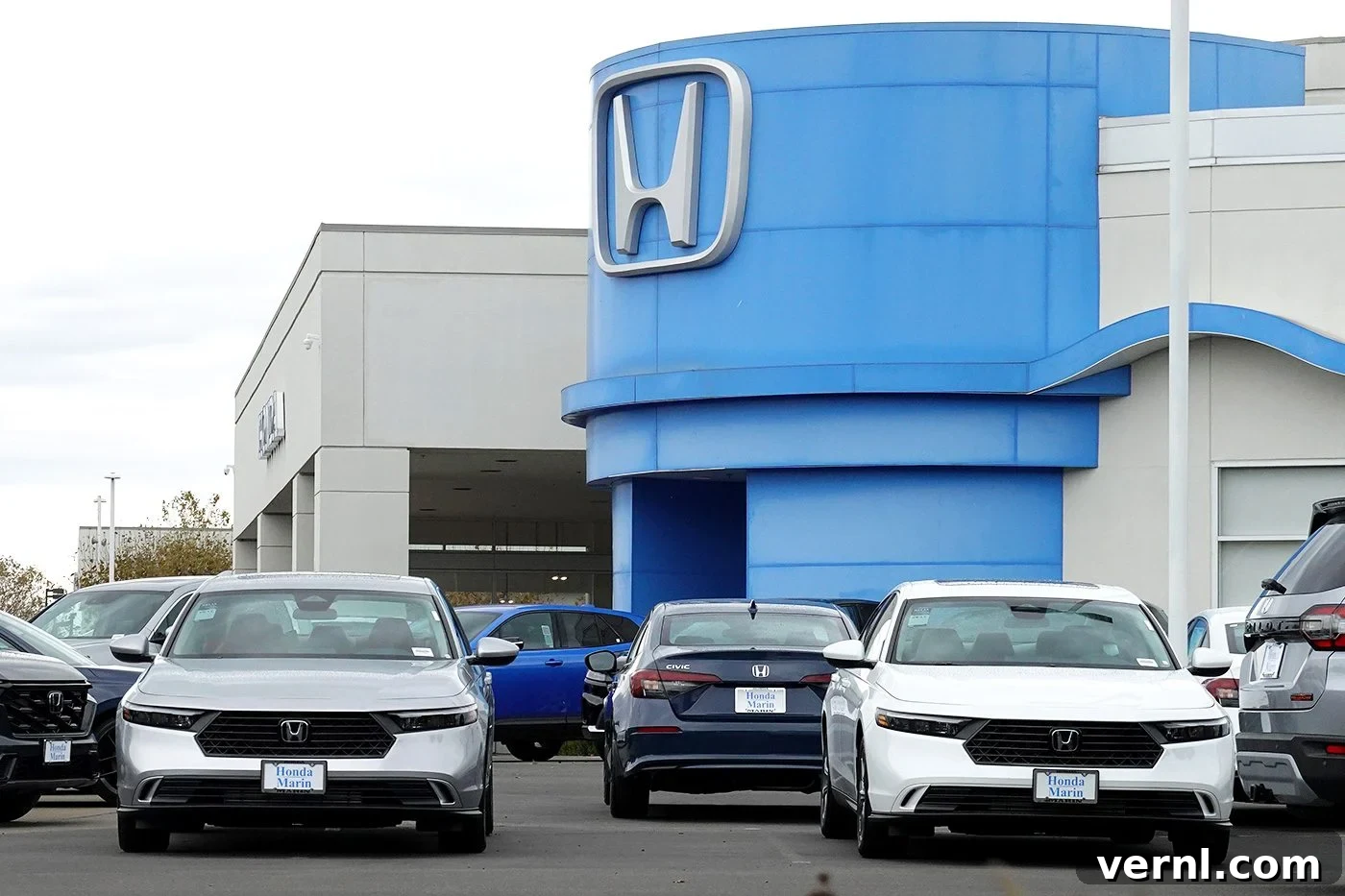
Urgent Honda Recall: High-Pressure Fuel Pump Defect Impacts Nearly a Million Vehicles
In a significant safety announcement, Honda has initiated a critical recall impacting approximately 720,000 vehicles across the United States. This comes swiftly after a separate recall in early October involving over 1.7 million Hondas for a steering issue, highlighting the manufacturer’s ongoing commitment to vehicle safety and proactive measures. The latest recall, officially announced on October 15, addresses a potentially serious defect in the high-pressure fuel pump, which could lead to fuel leaks, fire, and even pose a risk of accidents. While Honda has thankfully reported no crashes or injuries directly linked to this specific issue thus far, the potential dangers are substantial and should not be overlooked.
This comprehensive guide will provide you with all the essential information regarding this vital recall. We will detail the specific Honda models affected, delve into the technical reasons behind the defect, explain the potential risks involved, and most importantly, outline the crucial steps you need to take if your vehicle is included. Your safety on the road is paramount, and understanding this recall is the first step towards ensuring it. Do not delay in taking action if your car is identified as part of this recall.
Which Honda Vehicles Are Affected by This Recall?
The current recall targets a substantial number of popular Honda models from the 2023 to 2025 production years, encompassing both traditional gasoline and hybrid variants. Owners of these vehicles should pay close attention to the following list:
- 2023-2024 Honda Accord and Accord Hybrid: These widely popular sedans are a significant part of the affected population.
- 2025 Honda Civic Sedan and Civic Sedan Hybrid: Certain models from the upcoming 2025 lineup are also included, indicating a broad production period for the potentially faulty components.
- 2023-2025 Honda CR-V Hybrid: The hybrid version of Honda’s best-selling compact SUV is also under scrutiny for this fuel pump issue.
Honda plans to directly notify all registered owners of affected vehicles via mail starting in December. However, waiting for official correspondence is not necessary, nor is it recommended given the nature of the defect. Proactive measures can be taken immediately to determine if your specific vehicle falls under the recall. We will detail how to check your vehicle’s status further down in this article, empowering you to act swiftly and confidently.
Understanding the Core Issue: The Defective High-Pressure Fuel Pump
At the heart of this recall lies a critical component: the high-pressure fuel pump. This integral part of a vehicle’s fuel injection system is responsible for delivering fuel from the tank to the engine at precise pressures, crucial for efficient combustion and overall engine performance. Honda has identified a manufacturing defect where cracks can develop inside the body of this pump during normal operation. These cracks compromise the integrity of the pump, leading to the potential for fuel leaks.
The high-pressure fuel pump operates under immense internal pressure, making any structural defect particularly hazardous. Even a microscopic crack can, over time and repeated use, expand and allow fuel to escape the sealed system. While the immediate effects might initially be subtle, such as a faint fuel smell, the underlying issue has serious ramifications.
The Dangerous Consequences of a Fuel Pump Defect
The risks associated with a defective high-pressure fuel pump extend far beyond a mere inconvenience. Honda has outlined several potential dangers, and while no related injuries or crashes have been confirmed to date, the possibility remains a significant concern:
- Noticeable Fuel Smell: One of the most common and immediate indicators of a fuel leak is the distinct odor of gasoline. Owners might detect this smell both inside and outside the vehicle, particularly when the car is idling, driving, or shortly after it has been parked. Any persistent fuel smell should be investigated immediately, as it is a clear sign that fuel is escaping the sealed system.
- Elevated Risk of Fire: A fuel leak introduces a highly flammable substance into areas of the vehicle where heat sources (like the engine block or exhaust system) and potential ignition sources (electrical components, sparks) are present. This combination creates a severe fire hazard. A fire originating from a fuel leak can spread rapidly, endangering occupants and causing catastrophic damage to the vehicle. This is arguably the most critical and life-threatening risk associated with the defect.
- Increased Risk of Crash or Injury: Beyond the immediate fire risk, a compromised fuel system can also lead to engine performance issues. If the fuel pump fails completely or significantly malfunctions, the engine may stall unexpectedly while driving, especially at high speeds or in heavy traffic. Such an abrupt loss of power can result in the driver losing control of the vehicle, increasing the likelihood of a collision and potential injuries to both occupants and others on the road. Moreover, a sudden failure could leave you stranded in a dangerous location.
- Environmental Impact: While not a direct threat to immediate safety, fuel leaks are also detrimental to the environment. Gasoline contains harmful chemicals that can contaminate soil and water sources, posing ecological risks.
- Potential for Component Damage: A continuous fuel leak can also damage other sensitive components within the engine bay, leading to further repair costs and complications down the line, even if a fire doesn’t occur.
It cannot be stressed enough that despite the absence of reported incidents so far, the inherent risks associated with this defect are very real and severe. Prompt action is crucial to mitigate these potential dangers and ensure your continued safety and the reliability of your Honda vehicle.
What Are the Symptoms of a Defective Fuel Pump?
While the primary concern is the potential for fuel leaks leading to fire or engine failure, vehicle owners should be aware of possible signs that could indicate a problem with their high-pressure fuel pump even before a leak becomes evident or a recall notification arrives. Being vigilant can save lives and prevent accidents.
- Strong Fuel Odor: As mentioned, this is the most direct and unmistakable symptom. If you smell gasoline inside or around your car, especially if it persists, it’s a critical red flag. Pay attention to how strong the smell is and if it intensifies under certain conditions, such as after driving, when the engine is hot, or when the car is idling.
- Check Engine Light: Although a check engine light can indicate a myriad of issues, a fault within the fuel system, including a pressure irregularity or an emissions leak from the fuel pump, can trigger this warning. Do not ignore a lit check engine light; it warrants immediate professional diagnosis.
- Reduced Engine Performance: A failing fuel pump may struggle to deliver the correct amount of fuel pressure to the engine. This can manifest as hesitant acceleration, a loss of power, rough idling, or the engine sputtering, particularly under load or at higher speeds.
- Difficulty Starting the Vehicle: If the fuel pump isn’t building sufficient pressure, the engine may crank for an unusually long time before starting, or it might not start at all.
- Visible Fuel Leaks: In some cases, you might observe actual drips or puddles of fuel underneath your vehicle, particularly in the area beneath the engine or near the fuel tank. This is an extremely dangerous sign that demands immediate attention.
If you experience any of these symptoms, it’s imperative to exercise extreme caution. Avoid driving the vehicle if a strong fuel smell or visible leak is present, and contact your dealership or a reputable mechanic for immediate assistance.
Crucial Steps: What to Do If Your Honda Is Recalled
If you own one of the Honda models listed and are concerned about the fuel pump defect, taking prompt and decisive action is essential. Here’s a clear, step-by-step guide on what you need to do:
- Verify Your Vehicle’s Recall Status Immediately: Do not wait for a mailed notification from Honda. The quickest and most reliable way to ascertain if your specific vehicle is affected is by using your Vehicle Identification Number (VIN).
- Online: Visit Honda’s official recall website. This dedicated portal allows you to enter your VIN and instantly check for any open recalls specific to your car.
- By Phone: You can also directly contact Honda Customer Service by calling (888) 234-2138. Have your VIN ready when you call, as the representative will need it to look up your vehicle’s recall status.
- Schedule a Free Inspection and Repair: If your VIN confirms that your vehicle is part of the recall, your next step is to contact an authorized Honda dealership to schedule an inspection.
- The Inspection: Honda dealerships are equipped to perform a thorough inspection of your vehicle’s high-pressure fuel pump. This service will be provided completely free of charge to you, the owner.
- The Repair: If the inspection confirms that your vehicle contains a defective fuel pump or a component that falls within the recall’s scope, the dealership will proceed with replacing the faulty part. This repair, including all necessary parts and labor, will also be covered entirely by Honda, meaning there will be no cost to you.
- Loaner Vehicles: Depending on the anticipated duration of the repair and dealership availability, you may be eligible for a loaner vehicle while yours is being serviced. It’s advisable to inquire about this when scheduling your appointment.
- Keep Records: Once the inspection and repair are completed, ensure you receive and retain documentation of the service performed. This record serves as proof that your vehicle has addressed the recall and can be useful for future reference or if you decide to sell your vehicle.
Where to Find Your VIN: Your VIN is a unique 17-character alphanumeric code that identifies your vehicle. You can typically find it on the driver’s side dashboard (visible through the windshield), on a sticker inside the driver’s side door jamb, or on your vehicle registration and insurance documents.
It’s important to reiterate that vehicle recalls are a manufacturer’s commitment to safety and quality assurance. Honda is taking proactive steps to address this issue and ensure the continued safety and reliability of its vehicles. Cooperation from vehicle owners is vital in making these safety campaigns successful. Do not postpone this critical check and necessary repair. Prioritize your safety and the safety of those around you by acting promptly.
Honda’s Commitment to Safety and the Broader Context of Recalls
Automotive recalls, while concerning, are a vital mechanism for consumer protection and safety. They underscore a manufacturer’s responsibility to address potential defects that could impact vehicle performance or, more critically, passenger safety. In this instance, Honda’s swift action in issuing this recall demonstrates its commitment to identifying and rectifying issues, even when no direct injuries or crashes have been reported. This proactive approach helps prevent future incidents and maintains consumer trust in the brand.
Recalls typically occur when a widespread design flaw or manufacturing defect is identified in a specific batch of vehicles or components. The process usually involves internal investigations by the manufacturer, often prompted by customer complaints, warranty claims, or supplier notifications. Once a defect is confirmed and determined to pose an unreasonable risk to safety, the manufacturer is legally obligated to initiate a recall and provide a free remedy to affected owners. This system, overseen by regulatory bodies like the National Highway Traffic Safety Administration (NHTSA) in the U.S., is designed to protect drivers and ensure that vehicles on the road meet stringent safety standards.
This latest Honda recall serves as a powerful reminder for all vehicle owners to stay informed about potential recalls affecting their cars. Regularly checking for open recalls using government or manufacturer websites is a good habit. While this specific recall addresses a manufacturing defect, general vehicle maintenance also plays a crucial role in overall road safety. Addressing dashboard warning lights promptly, adhering to service schedules, and being attentive to unusual smells or sounds from your vehicle can often prevent minor issues from escalating into major safety hazards. Your diligence combined with the manufacturer’s commitment forms a robust safety net for everyone on the road.
Sources
Honda News: “American Honda Recalls Approximately 720,000 Vehicles in the U.S. to Inspect and Replace Defective High-Pressure Fuel Pumps” (2024)
Family Handyman: “Honda Motors Recall Over 1.7 Million Vehicles For Steering Issue” (2024)