
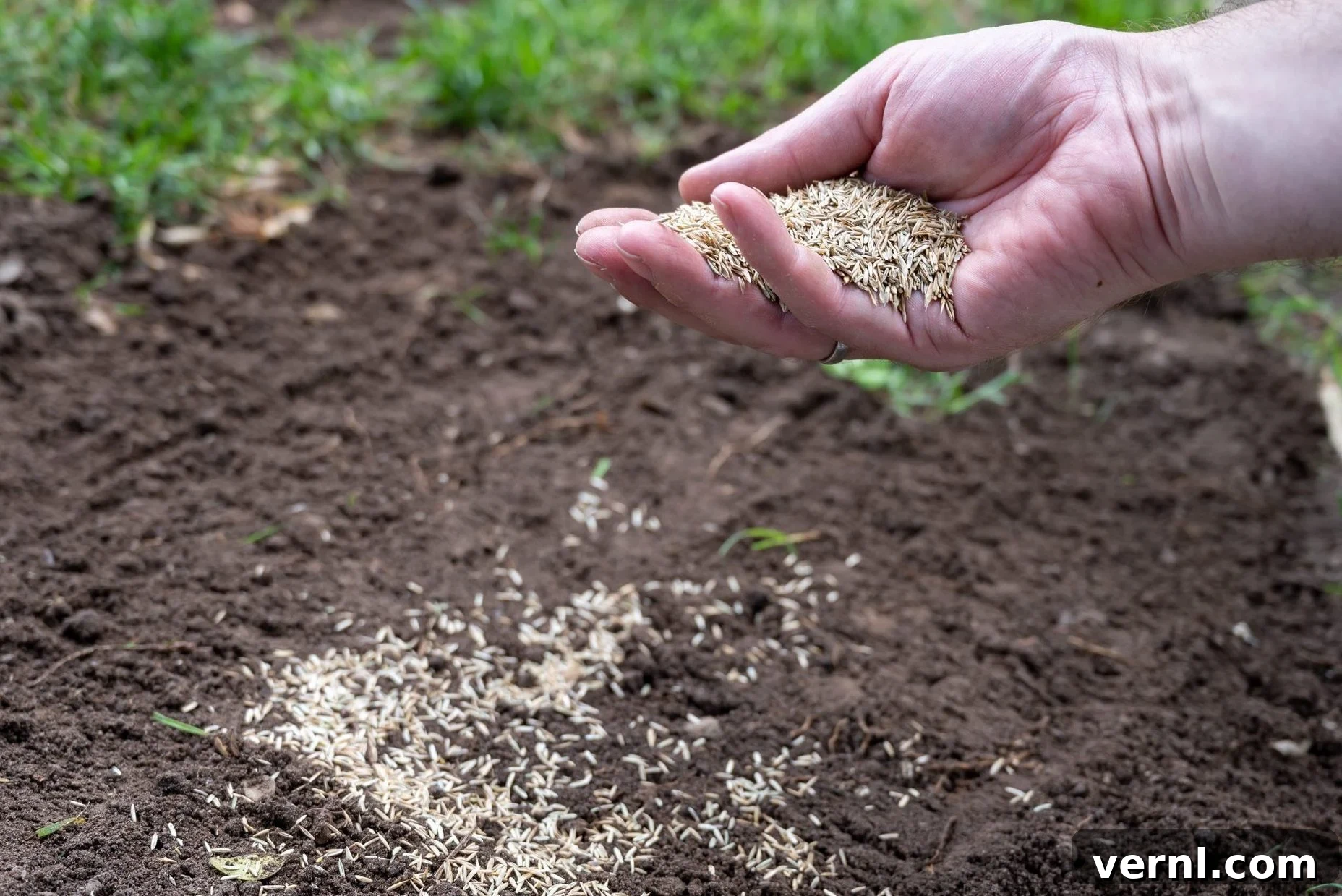
Have you always assumed that spring is the definitive best time for planting everything, including your lawn? Prepare for a pleasant surprise! When it comes to grass seed, the odds of successful establishment and a vibrant, healthy lawn dramatically increase if you postpone planting until early fall. In fact, many lawn care experts consider spring to be among the worst times to plant grass seed. This comprehensive guide will delve into the compelling reasons behind this recommendation, equipping you with professional tips and a detailed roadmap for highly successful fall grass planting.
Understanding Grass Seed Growth Cycles
The foundation of successful lawn establishment lies in comprehending the intricate growth cycles of grass. While general planting guidelines exist, optimal seeding times are influenced significantly by your geographic location and the specific type of grass you intend to grow. This article primarily focuses on recommendations for Northern lawns, typically situated north of Interstate 70, and specifically targets cool-season grasses. These varieties, including popular choices like Kentucky bluegrass, fine fescue, and perennial ryegrass, thrive in cooler temperatures. It’s important to note that the precise timing for seeding can fluctuate by several days or even weeks within this broad region, largely depending on the distinct arrival of winter weather patterns in each localized area.
Cool-season grasses are characterized by their vigorous growth during the cooler periods of spring and fall, often becoming dormant or less active during the peak heat of summer. Understanding this inherent biological rhythm is crucial for timing your seeding efforts. Planting during their active growth phase maximizes germination rates, root development, and overall seedling vigor, setting the stage for a resilient and thriving lawn.
Why Early Fall is the Prime Time for Planting Grass Seed
Late summer and early fall present an unparalleled window of opportunity for either reseeding an existing lawn or establishing a brand-new one from scratch. This period offers a unique confluence of environmental factors that are perfectly aligned for optimal grass seed germination and robust seedling development. Here’s a deeper look into why fall reigns supreme:
- Ideal Soil Temperature: During late summer and early fall, the soil retains much of the warmth accumulated over the summer months. This consistent warmth is paramount, as soil temperatures between the upper 60s and low 70s Fahrenheit create the perfect conditions to trigger rapid and vigorous seed germination. In contrast, spring soil often remains too cold for an extended period. Seeds lying dormant in cold, damp soil for weeks without germinating are highly susceptible to rotting and fungal diseases, leading to wasted effort and resources. The consistent warmth of fall soil provides the ideal incubation environment, ensuring quick sprout emergence and efficient nutrient uptake crucial for early growth.
- Optimal Air Temperature: Beyond soil warmth, ambient air temperatures play an equally vital role. As late summer transitions into early fall, daytime temperatures remain comfortably warm, promoting robust photosynthesis, which is the process by which grass plants convert sunlight into energy for growth. Crucially, nighttime air temperatures begin to cool significantly. This provides new seedlings with a much-needed reprieve from warmer daytime conditions, allowing them to recover and direct energy towards critical shoot and root development without undue stress. Furthermore, these cooler nighttime conditions are highly effective in minimizing the activity and spread of various turf diseases. Tender new sprouts are incredibly vulnerable, and a sudden outbreak of disease can decimate an entire patch of new grass in mere hours, a risk substantially reduced in the cooler, less humid fall environment.
- Reduced Weed Competition: One of the most significant advantages of fall seeding is the dramatic reduction in weed competition. In spring, your lawn becomes a battleground where countless weed seeds, from dandelions to crabgrass, emerge aggressively. These newly sprouted weeds are formidable competitors, vying fiercely with delicate new grass seedlings for essential resources like water, sunlight, and vital nutrients. Given their generally faster growth rates, weeds can easily outcompete and smother new grass, preventing proper establishment. By late summer and early fall, the life cycles of many common annual weeds, such as crabgrass, are nearing their end or have already ceased growth. This gives your newly planted lawn seed a clear, unobstructed path to access the necessary space, water, and nutrients, ensuring a much higher success rate for healthy sprouting and sustained growth.
- Consistent Moisture Availability: While not always guaranteed, fall often brings more consistent and gentle rainfall compared to the unpredictable and sometimes intense downpours or prolonged dry spells of spring and summer. This natural moisture, combined with cooler temperatures, helps maintain the consistently moist soil conditions essential for seed germination and seedling establishment without the risk of overwatering or rapid evaporation. This consistent, natural hydration can reduce the burden of frequent manual irrigation, making the establishment process smoother.
Determining How Late You Can Plant Grass Seed
The precise timing for how late you can effectively plant grass seed in the fall is largely dictated by your specific geographic location and its typical first hard frost date. Generally, the farther south you reside, the later you can comfortably sow fall grass seed. For instance, someone living near the Canadian border might need to complete their seeding six to eight weeks earlier than a resident in a more temperate climate like Kansas City.
The fundamental principle is to ensure your new seedlings have ample time to germinate, develop a robust root system, and mature sufficiently before the arrival of harsh winter weather conditions. If you procrastinate and plant too late, the initial hard frost can severely damage or even kill tender new seedlings that have only recently emerged from the soil, effectively negating all your efforts.
A widely accepted and practical rule of thumb is to aim for your newly seeded lawn to have undergone at least two mowings before the severe grip of winter weather sets in. Similar to the rest of your established lawn, new grass seedlings require time to transition into a dormant state and “harden off” in preparation for ground freezing and snow cover. For example, if you reside in a region like Chicago, where the first hard frost typically occurs around October 25th, it would be prudent to have your lawn completely seeded by approximately September 15th. This strategic timing provides those new seeds with adequate weeks to germinate, establish a foundational root system, and be mowed a couple of times, strengthening them before Old Man Winter makes his official appearance. The entire process, from the day of seeding to the second successful mowing, can comfortably span up to eight weeks, necessitating diligent planning well in advance.
Waiting too late to plant will inevitably prevent new seedlings from properly establishing and maturing. This unfortunate scenario often creates a frustrating situation where you might feel compelled to reseed again in the subsequent spring, a season that, as we’ve discussed, offers conditions far less than ideal for successful grass establishment. Prioritizing fall planting within the optimal window is key to avoiding this cycle of re-seeding and ensuring a thriving lawn.
Essential Tips for Successful Fall Grass Planting
Achieving a lush, healthy lawn through fall seeding requires more than just good timing; it demands meticulous preparation and consistent care. Here are crucial tips to ensure your efforts yield the best results:
- Research and Select Quality Seed Mixture Options: This is not the time to compromise on quality to save a few dollars. Generally, the higher the price, the better the seed. Look for seed mixes specifically designed for your climate zone and sun exposure (e.g., full sun, shade blend, high traffic). Examine the seed label carefully for key information:
- Purity: A high percentage indicates fewer inert materials and weed seeds.
- Germination Rate: A higher percentage (e.g., 90% or more) means more seeds will sprout.
- Weed Seed Content: Aim for 0% or an extremely low percentage to avoid introducing new weed problems.
- Variety Blend: Often, a mix of cool-season grasses (like Kentucky Bluegrass, Perennial Ryegrass, Fine Fescue) provides better disease resistance and adaptability than a single variety. Choose varieties known to perform well in your specific region.
Investing in a premium seed mixture ensures you’re planting viable, resilient grass that is best suited to thrive in your environment.
- Thorough Soil Preparation is Key: Before scattering any seed, proper soil preparation is paramount for ensuring excellent seed-to-soil contact, which is vital for germination. Begin by clearing the area of any debris, dead grass, or weeds. Loosen the top layer of soil by lightly scratching the surface with a garden tool, such as a sturdy bow rake or a dethatching rake. For compacted lawns, consider aerating beforehand to improve air and water penetration. If your soil quality is poor, incorporating a thin layer of compost or other organic matter can significantly enhance fertility and drainage. A soil test can also inform you if pH adjustments or specific nutrient additions are necessary.
- Sow Precisely and Fertilize Smartly: Accurately sow the recommended amount of seed for either overseeding an existing lawn or establishing a new one. Refer to the seed bag for specific application rates, often measured in pounds per 1,000 square feet. Using a broadcast spreader or drop spreader ensures even distribution. Immediately after sowing, apply a quality starter fertilizer. Starter fertilizers are typically high in phosphorus, which is essential for robust root development in new seedlings. Gently scratch both the seed and the starter fertilizer into the top quarter-inch of soil using a rake, ensuring they are no deeper than this for optimal germination.
- Maintain Consistent Moisture for Establishment: This is arguably the most critical step for successful germination and initial seedling growth. The newly seeded area must be kept consistently moist – not soggy – during the entire seedling establishment period, which typically lasts for four to six weeks after planting. This often means light watering multiple times a day, especially on warmer or windy days, to prevent the tiny seeds and delicate new sprouts from drying out. A gentle sprinkler is ideal to avoid washing away seeds. This consistent hydration ensures those tender new seedlings develop into a thick, healthy turf.
- Apply a Second Starter Fertilizer Application: Approximately 30 to 45 days after your initial seeding, apply a second round of starter fertilizer. This follow-up application provides a crucial boost of nutrients to support the ongoing development of the young grass plants, helping them to build stronger roots and blades before winter dormancy. This strategic feeding helps fortify the new grass, preparing it for the colder months ahead and promoting vigorous growth come spring.
Also, it’s beneficial to find out why grass seed goes bad and what you can do about it to ensure you’re always using viable seed.
Frequently Asked Questions About Fall Grass Planting
How Do I Measure Frost Dates for Planting Timing?
Measuring frost dates is a crucial step in precisely timing your fall grass planting. Fortunately, numerous online resources and tools are readily available to assist you. Websites from agricultural extension offices, reputable gardening sites, and even local weather services often provide typical first and last frost dates based on your specific geographical area or ZIP code. These tools utilize extensive historical meteorological data to estimate the earliest and latest probable frost occurrences in your region, empowering you to schedule your planting activities more effectively and minimize the risk to your tender new grass seedlings.
How is Climate Change Impacting Planting Schedules?
Climate change is undeniably introducing significant unpredictability and challenges to traditional planting schedules, including those for grass seed. We are observing shifts in the timing of seasons, with warmer temperatures extending later into fall and earlier into spring, coupled with increased variability in weather patterns. These changes can adversely affect grass seed planting schedules in several ways. Unseasonably warm periods can stress new seedlings, while erratic precipitation patterns can lead to either drought conditions or excessive moisture, both detrimental to germination and seedling vigor. Early spring planting, if attempted in response to warmer winters, could inadvertently increase the risk of fungal infections due to prolonged dampness and fluctuating temperatures. Furthermore, over the long term, warmer average temperatures and altered precipitation regimes are likely to influence the distribution and composition of existing grass species, potentially necessitating the selection of more heat-tolerant or drought-resistant varieties in the future.
Does Grass Grow in the Winter?
With all this discussion about fall seeding, you might naturally wonder: does grass grow in winter? The answer largely depends on your geographic location and the severity of your winters. If you reside in a warm region with mild winters (e.g., USDA zones 8 and above), certain types of grass, particularly warm-season varieties, might exhibit some growth or remain green throughout the winter months. However, if you live somewhere with consistently cold winters, where the ground freezes and is covered by snow, cool-season grasses will enter a dormant state. During dormancy, their growth slows dramatically or ceases entirely, and they may turn brown. For these regions, it’s essential to complete your seeding early enough in the fall to allow for full establishment before dormancy. While “dormant seeding” (planting seed on frozen ground to germinate in spring) is a technique, it’s distinct from fall planting for establishment and carries its own risks and specific requirements. Therefore, for most regions experiencing true winter, active grass growth is generally not expected.
Sources
- Scotts: “Fall is the best time to seed and feed”
- GreenView: “Is it too late to seed my lawn?”
- University of Massachusetts: “Late Season Establishment Considerations”
- Hoffman Nursery: “Get ahead with late season production”
- Garden Safe: “Understanding Frost dates”
- Pure Lawn: “winter dormant grass seeding”
- LandZie: “overseeding your lawn for winter success”