
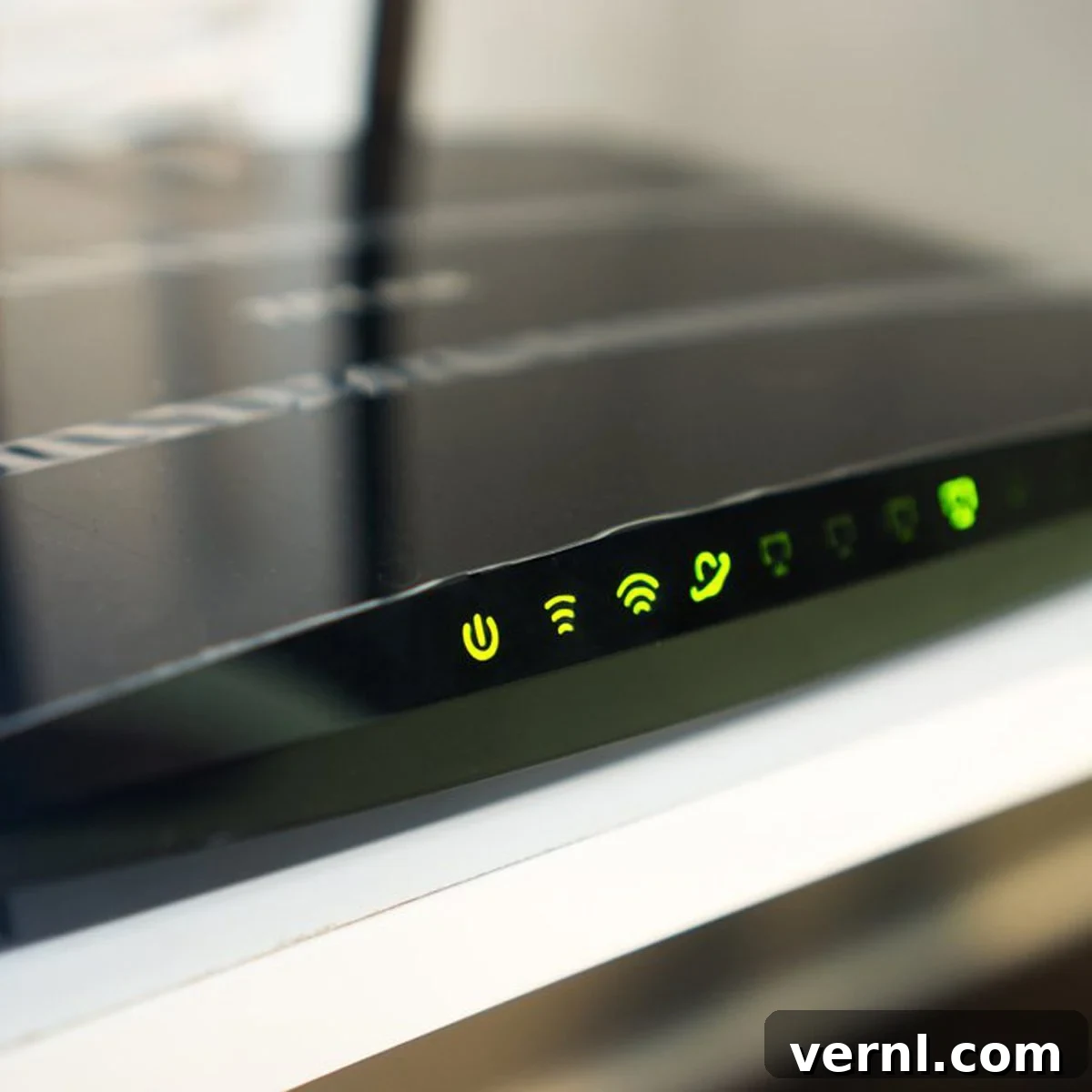
If you’ve had your internet router for a few years, it’s highly probable that it no longer meets the demanding needs of your modern household. The digital landscape evolves at an astonishing pace, and what was once considered sufficient might now be a significant bottleneck to your daily online activities. From streaming high-definition content across multiple devices to participating in critical video conferences for work or school, a reliable, fast, and stable internet connection is no longer a luxury but a fundamental necessity. An outdated router can lead to frustrating slowdowns, constant disconnections, buffering issues, and a generally subpar online experience for everyone in your home.
Modern households are more connected than ever before. With an ever-increasing number of smart devices, the proliferation of high-bandwidth activities like 4K streaming and online gaming, and the shift towards remote work and learning, your home network is under constant strain. An aging router simply isn’t equipped to handle this complex environment, leading to a host of problems that can detract from your digital life. To help you assess whether your current setup is truly optimized for today’s internet usage, ask yourself the following critical questions. These diagnostic indicators will reveal if it’s indeed time to invest in a new, modern internet router that can keep pace with your family’s growing digital demands, ensuring a seamless, fast, and secure online environment.
Is Your Wi-Fi Slow? Unraveling the Mystery of Lagging Speeds
The most immediate, frustrating, and common indicator that your router might be failing or simply outdated is persistently slow Wi-Fi. This isn’t just a minor inconvenience; it can significantly disrupt nearly every aspect of your daily digital life. Imagine endless buffering while attempting to stream your favorite 4K movie, frustrating lag spikes during an important online gaming session, or pixelated and choppy video calls with colleagues or loved ones. Slowdowns can also manifest as extended loading times for simple web pages, difficulty uploading large documents or photos, or a general unresponsiveness across all connected devices in your home network.
Identifying the Symptoms of Slow Wi-Fi
- Buffering & Lag: Video streaming services constantly pause, games experience frequent disconnects or high ping.
- Slow Downloads/Uploads: Files take an unusually long time to transfer, and websites load sluggishly.
- Poor Video Call Quality: Calls are pixilated, audio cuts out, or connections drop altogether.
- Device Disconnects: Devices frequently lose connection to the Wi-Fi network, requiring manual reconnection.
- Inconsistent Performance: Internet speed varies wildly throughout the day or across different areas of your home.
How to Accurately Test Your Internet Speed
Before jumping to conclusions and blaming your router, it’s crucial to accurately measure your internet performance. Performing an internet speed test is a straightforward way to determine if your connection is underperforming. There are numerous free online speed test tools available (e.g., Speedtest.net, Fast.com). For the most accurate results, especially when troubleshooting, connect a computer directly to your router via an Ethernet cable and run the test. This bypasses any potential Wi-Fi interference or signal degradation, providing you with a clearer picture of the maximum speed reaching your router from your Internet Service Provider (ISP).
Interpreting Your Speed Test Results
Once you have your speed test results (download speed, upload speed, and latency/ping), compare them against the internet speeds you are paying for from your ISP. If your actual download and upload speeds are consistently and significantly lower than your subscribed plan, this could point to one of two primary issues:
- ISP Issue: Your internet package might not be delivering the advertised speeds to your home, in which case a call to your provider is warranted. They can perform remote diagnostics or send a technician.
- Router Bottleneck: More commonly, especially with older equipment, your router might not be capable of efficiently processing and distributing the fast speeds that your ISP *is* delivering. An older router, designed for slower internet tiers (e.g., 50-100 Mbps), simply cannot handle the gigabit or multi-gigabit speeds common in many areas today.
Furthermore, consider not just the raw speed, but also latency (ping). High latency leads to noticeable lag, particularly in real-time applications like online gaming and video conferencing. An aging router can contribute to higher latency due to inefficient processing, struggling hardware, or an inability to prioritize traffic effectively. If your speed tests consistently show that your router isn’t living up to performance standards, even when your ISP is delivering, it’s a strong indication that an upgrade is overdue. A new router can unlock the full potential of your internet plan, ensuring a smooth and responsive experience for all your online activities.
How Much Bandwidth Are You Truly Using? Assessing Your Network Demands
Even if your old router was a powerhouse when you first purchased it, the definition of “powerful enough” has drastically changed. The sheer volume of devices and the types of online activities in a typical household have exploded over the past few years, placing unprecedented demands on home networks. Your router’s capacity is measured not just in raw speed, but crucially, in its ability to efficiently handle multiple simultaneous connections and diverse data streams without faltering. The more devices and bandwidth-intensive activities occurring concurrently, the more robust your router needs to be.
The Proliferation of Connected Devices
Take a moment to inventory how many devices are connected to the internet in your home right now. Beyond traditional computers and smartphones, modern homes are brimming with smart TVs, streaming sticks (Roku, Apple TV, Fire Stick), gaming consoles (PlayStation, Xbox, Nintendo Switch), tablets, smart speakers (Amazon Echo, Google Home), security cameras, smart thermostats, smart lighting systems, smart doorbells, and even smart appliances like refrigerators or robotic vacuums. Each of these devices consumes a portion of your available bandwidth, and when many are active simultaneously, they can quickly overwhelm an older, less capable router, leading to slowdowns and instability.
The Rise of Data-Intensive Activities
Beyond the sheer number of devices, the *type* of data usage has also become significantly more demanding. Consider these common bandwidth-hungry activities:
- 4K/8K Video Streaming: High-resolution video content consumes a massive amount of data. If multiple family members are streaming 4K movies on different devices simultaneously, an older router will struggle to allocate enough bandwidth to each stream, resulting in buffering and reduced picture quality.
- Online Gaming: Modern multiplayer games require not only low latency but also consistent, high data transfer rates to avoid “lag” and ensure a smooth, competitive experience. Packet loss and high ping due to an overloaded router can ruin a gaming session.
- Video Conferencing: The shift to remote work and learning, particularly intensified during periods like the coronavirus pandemic, means many households rely heavily on services like Zoom, Microsoft Teams, and Google Meet. These platforms demand stable upload and download speeds to maintain clear audio and video, and an old router can quickly become a bottleneck.
- Cloud Services: Backing up files to the cloud, syncing large documents, accessing cloud-based applications, and utilizing online storage solutions all add to the constant network load.
- Large Downloads/Software Updates: Operating system updates, game downloads, and software installations can consume significant bandwidth for extended periods, impacting other network activities.
If these examples resonate with your household’s current usage patterns, and you’ve noticed a significant change in your internet’s reliability, consistency, or speed, it’s a clear sign that your existing internet router might simply lack the processing power, memory, and advanced features (like MU-MIMO, OFDMA, or beamforming found in Wi-Fi 5 and Wi-Fi 6 routers) to efficiently manage your diverse and bandwidth-hungry Wi-Fi needs. Newer routers are specifically designed with more robust processors, multiple antennas, more efficient radio technologies, and better memory management to handle this multi-device, multi-activity, and high-traffic environment, ensuring that every device gets the bandwidth it needs without compromising overall network performance.
Are You Constantly Rebooting Your Router? A Sign of Distress and Overload
There are few things more frustrating than being engrossed in an important online meeting, a crucial school lecture, or the climax of your favorite show, only for the internet to suddenly cut out, forcing you to get up and reboot the router. While occasional reboots can resolve minor glitches and clear temporary memory issues, a router that requires constant manual restarts is sending a clear distress signal that it’s struggling to cope with its workload or is experiencing internal failures.
Understanding Why Routers Need Rebooting (Sometimes)
Like any computer, routers are complex electronic devices that run operating systems and software. They can experience minor software glitches, memory leaks (where processes fail to release memory they no longer need), or temporary IP address conflicts that can be resolved by a fresh restart. Rob Rohrman, head of IT at CompTIA, rightly notes, “In general, it’s a great idea to reboot the main internet router every couple of months.” This routine maintenance can help maintain optimal performance by clearing out old connections, refreshing the system’s internal state, and applying any pending configuration changes. Many advanced users even schedule automatic reboots in their router settings or utilize smart plugs to automate this process and avoid manual intervention, ensuring peak performance without interruptions.
When Frequent Reboots Become a Critical Problem
However, if you find yourself performing this routine weekly, daily, or even multiple times a day, and performance isn’t improving significantly, that’s a strong indication of a deeper underlying issue with your device. Constant, unscheduled reboots suggest that your router is struggling profoundly to maintain a stable connection or efficiently manage network traffic, possibly due to:
- Overheating: Internal components getting too hot can cause the router to become unstable, leading to spontaneous crashes and reboots as a self-preservation mechanism.
- Hardware Failure: Electronic components can simply wear out or degrade over time, leading to intermittent failures that manifest as reboots.
- Outdated Firmware: Old or buggy firmware might have unaddressed issues, security vulnerabilities, or lack optimizations for modern network conditions and protocols, causing instability.
- Overload: The router might be consistently overwhelmed by the sheer number of connected devices, the intensity of bandwidth usage, or the complexity of network traffic, causing its processor or memory to freeze or crash.
- Power Supply Issues: A faulty or insufficient power adapter can lead to intermittent power delivery, causing the router to restart unexpectedly or lose power altogether.
Checking Your Router’s Health Indicators
When your router acts up, take a moment to observe its status lights. Check which lights are displaying and consult your device’s manual to see if everything is illuminated properly according to normal operating conditions. Most routers have indicator lights for power, internet connectivity (WAN), Wi-Fi activity (2.4GHz and 5GHz), and sometimes individual Ethernet ports. If a critical light (like the internet or Wi-Fi indicator) is off, blinking erratically, or showing an error color (e.g., red instead of green/blue), it’s a clear sign of trouble. While troubleshooting steps like checking cable connections, updating firmware (if available), or resetting to factory defaults might offer temporary fixes, persistent issues with frequent and necessary reboots usually point towards an exhausted device that’s no longer fit for purpose, making it a prime candidate for replacement. A new router will offer greater stability and reliability, minimizing frustrating interruptions.
Is Your Router Warm or Noisy? Physical Symptoms of Overload and Failure
Beyond digital slowdowns and frustrating reboots, your router can also exhibit physical symptoms that signal its impending demise or current struggle. An excessively warm, hot-to-the-touch, or unusually noisy device is a significant warning sign that your router is overworked, inefficient, or nearing the end of its operational life and can no longer adequately handle your current internet needs. These physical indicators often point to underlying hardware issues that can severely impact performance and reliability.
The Dangers of Overheating
It’s normal for electronic devices to generate some heat during operation; components like processors and wireless radios naturally get warm. However, if your router feels excessively warm or hot to the touch, especially hotter than it used to be, it indicates that its internal components are running at dangerously high temperatures. Sustained overheating can lead to several severe problems:
- Performance Throttling: To prevent damage and catastrophic failure, the router’s internal processor might automatically reduce its operating speed. This thermal throttling directly translates to slower Wi-Fi performance, reduced data throughput, and a less responsive network.
- Component Degradation: High temperatures accelerate the wear and tear of internal electronic components, such as capacitors and circuit boards. This significantly shortens the router’s lifespan and increases the likelihood of intermittent failures or complete device breakdown.
- Instability: Overheating is a common cause of system instability, leading to crashes, dropped connections, and the frequent reboots discussed earlier.
- Safety Concerns: In rare and extreme cases, severe and prolonged overheating can pose a minor fire hazard, although this is more common with faulty or poorly designed consumer-grade electronics.
To mitigate overheating, ensure your router is placed in a well-ventilated area, not tucked away in a closed cabinet, stacked under other electronics, or covered by anything that could restrict airflow. Dust accumulation within the vents can also impede cooling, so regular cleaning of the router’s ventilation openings with compressed air is advisable. If, despite optimal placement and cleaning, the device remains consistently hot, its internal cooling mechanisms or processor might be failing, or it’s simply being pushed beyond its design limits by your network traffic.
Unusual Noises from Your Router
Most standard home internet routers are designed to operate silently, as they typically don’t have moving parts like fans. Therefore, if your router is emitting any kind of audible noise – a buzzing, whirring, clicking, or grinding sound – it’s a strong indicator of a serious internal issue. While some high-performance or enterprise-grade routers might include small cooling fans, and a soft whirring from these is normal during heavy load, for a standard consumer router, noise is highly unusual and suggests:
- Failing Components: Internal electronic components such as capacitors, power coils, or other parts can sometimes make audible noise when they are faulty, strained, or nearing the end of their life.
- Overworked Power Supply: A power adapter that is struggling to provide sufficient, stable power to an overworked router might produce a hum or buzz. This could indicate the adapter itself is failing or that the router is drawing more power than the adapter can comfortably supply.
Consult your manual’s troubleshooting guide to see if there is a simple solution for these physical symptoms. However, if the issue persists, especially in conjunction with slow speeds, frequent reboots, or dropped connections, it’s a definitive sign that your router is struggling under its current load and its hardware is degrading. Ignoring these physical warnings can lead to complete device failure and more prolonged internet outages. It might very well be time to invest in a new, more robust router capable of handling your household’s demands silently and efficiently, ensuring both optimal performance and peace of mind.
When Did You Last Buy a New Router? The Inevitable March of Technology
Like all technology, time inevitably catches up, rendering even the most advanced devices obsolete. What was once considered cutting-edge hardware quickly becomes outdated in the face of rapid advancements. If you’re wondering about the ideal lifespan of a router, the consensus among technology experts, including Tech Pro Journal, suggests that routers should ideally be replaced every four to five years. This recommendation isn’t arbitrary; it’s based on several crucial factors that significantly impact performance, security, and future compatibility.
The Relentless Evolution of Wi-Fi Standards
One of the primary drivers for router replacement is the continuous evolution of Wi-Fi standards. We’ve rapidly moved from older standards like Wi-Fi 4 (802.11n) to Wi-Fi 5 (802.11ac), and now widely to Wi-Fi 6 (802.11ax), with Wi-Fi 6E (extending into the 6GHz band) and the upcoming Wi-Fi 7 (802.11be, or “Ultra-High Reliability Wi-Fi”) already making waves. Each new standard brings significant improvements:
- Increased Speed: Dramatically faster theoretical and real-world speeds, capable of supporting gigabit and multi-gigabit internet plans.
- Enhanced Efficiency: Better management of multiple devices simultaneously through technologies like MU-MIMO (Multi-User, Multiple-Input, Multiple-Output) and OFDMA (Orthogonal Frequency Division Multiple Access) in Wi-Fi 6, which reduce network congestion and improve overall performance in dense device environments.
- Greater Capacity: Ability to handle a larger number of connected devices without slowing down, a crucial feature for modern smart homes.
- Improved Range and Coverage: Advanced beamforming technologies and more robust signal processing lead to stronger, more consistent Wi-Fi signals across larger areas.
- Better Battery Life for Devices: Features like Target Wake Time (TWT) in Wi-Fi 6 help conserve battery life for connected devices by scheduling when they need to wake up to send or receive data.
An older router operating on an outdated Wi-Fi standard simply cannot harness the full potential of your newer smartphones, laptops, smart TVs, or your high-speed internet plan, even if your ISP is delivering gigabit speeds. It effectively becomes the weakest link in your home network chain, creating a bottleneck that prevents you from experiencing the internet at its full potential.
Critical Security Vulnerabilities and Firmware Updates
Security is another paramount reason for regular router upgrades. As technology ages, manufacturers often stop providing firmware updates for older models. These updates are absolutely vital as they patch newly discovered security vulnerabilities, protect against emerging cyber threats, and improve overall system stability. An unpatched, old router can become a significant security risk, leaving your entire home network vulnerable to hacking, data breaches, malware infections, and other cyberattacks. Newer routers, on the other hand, come with enhanced security protocols (like WPA3, the successor to WPA2) and more robust firewall capabilities, offering better and more proactive protection for your digital life and personal data.
Hardware Degradation and ISP Policies
Over time, the internal electronic components of a router naturally degrade, much like any other electronic device. Capacitors dry out, soldering connections weaken due to heat cycles, and processors become less efficient. This natural wear and tear contribute directly to the performance issues, instabilities, and eventual failures discussed earlier. If you’re renting your router from your internet provider, you might be eligible for an upgraded device if you’ve been on the same plan for a number of years. ISPs periodically refresh their hardware inventory, and requesting an upgrade can often net you a modern, capable device at no extra cost, or for a minor rental fee, saving you the hassle and expense of purchasing one outright.
If you’ve owned your device for a long time – especially beyond the recommended four to five years – it’s unequivocally time for an upgrade. Investing in a new router isn’t just about achieving faster speeds; it’s about ensuring a stable, efficient, reliable, and secure foundation for your entire digital household for years to come. When you’re in the market for a new router, make sure to check out the best wireless options that leverage the latest Wi-Fi standards. Look for features like dual-band or tri-band capabilities, mesh Wi-Fi support for larger homes, and robust security features to truly speed up your internet and future-proof your home network against evolving technological demands.
Conclusion: Empowering Your Digital Home with a Modern Router
Your internet router is far more than just a box that connects you to the internet; it is the central hub of your digital home, a critical piece of infrastructure that dictates the quality, speed, and reliability of your entire online experience. Ignoring the clear signs of an aging or inadequate router can lead to persistent frustration, missed opportunities, reduced productivity, and even potential security risks that could compromise your personal data. By attentively monitoring your Wi-Fi speed, understanding your true bandwidth consumption across all devices, noting any frequent reboots, observing physical symptoms like overheating or unusual noise, and acknowledging the sheer age of your device, you gain clear insights into its current state and its ability to meet modern demands.
The transition to a new, modern router is more than just an expense; it’s a vital investment in a smoother, faster, and significantly more secure digital life for every member of your household. With the advent of cutting-edge technologies like Wi-Fi 6, Wi-Fi 6E, and the upcoming Wi-Fi 7, contemporary routers offer unparalleled performance, enhanced efficiency, broader coverage, and advanced security features specifically designed to meet the escalating demands of today’s hyper-connected world. Don’t let an outdated piece of equipment be the bottleneck holding back your internet connection and diminishing your online experience. Empower your home network with a timely upgrade and unlock the full potential of your broadband connection, ensuring seamless streaming, lag-free gaming, crystal-clear video calls, and robust, reliable connectivity for all your smart devices and digital activities, now and into the future.