
Transform Your Yard: The Surprising Benefits of Lawn Painting for a Year-Round Green Landscape
We’ve all seen them: the perfectly manicured, impossibly green sports fields and golf courses that dominate our screens. While some might be artificial turf, a significant number achieve their vibrant hue through a clever application of grass paint. What was once a secret of professional groundskeepers is now a rapidly growing trend among homeowners. The practice of painting lawns green has gained immense popularity in recent years, presenting itself as a potentially revolutionary approach to lawn maintenance that many have been eagerly awaiting.
But this innovative approach naturally raises questions. Is this paint detrimental to your lawn’s health? What is the practical purpose of coloring your lawn green if nature intends for it to become dormant and brown during the colder months or dry seasons? To delve into these inquiries and understand whether this popular trend is something you should consider for achieving a greener, lush lawn at home, we consulted with Dr. Jim Baird, a distinguished turfgrass specialist at the University of California, Riverside. His insights provide a comprehensive look into the science and practicality behind lawn painting.
Why Are More Homeowners Choosing to Paint Their Lawns Green?
The burgeoning popularity of this particular yard maintenance trend can be attributed to several compelling factors, with the primary driver being the remarkable potential for water conservation. In an era where resource management and environmental responsibility are paramount, painting your lawn offers a compelling alternative to traditional, water-intensive methods.
Significant Resource Conservation and Cost Savings
Firstly, opting to paint your lawn dramatically reduces the need for constant irrigation, chemical fertilizers, and pesticides typically required to maintain a vibrant, green appearance. Traditional lawn care can be a costly endeavor, encompassing high water bills, regular purchases of fertilizers and weed killers, and potentially expensive landscape services. By embracing lawn paint, homeowners can significantly cut down on these recurring expenses. Modern grass paints are designed for longevity, meaning a single application can provide a lush look for months, further amplifying the cost-saving benefits compared to the continuous investment in water and chemicals.
Unparalleled Environmental Benefits
Secondly, the environmental advantages of lawn painting are substantial. Less water is consumed, directly contributing to vital water conservation efforts, especially in regions prone to drought. Furthermore, the reduced reliance on synthetic chemicals and fertilizers means fewer harmful substances making their way into local ecosystems, groundwater, and storm drains. This decreases a homeowner’s overall carbon and water footprint, supporting a healthier planet. This practice is particularly invaluable in arid regions of the United States, such as California, where stringent water conservation guidelines are often enforced during prolonged drought periods. Painting a lawn allows residents to comply with these regulations while still enjoying an aesthetically pleasing yard.
Instant Curb Appeal and Year-Round Vibrancy
Beyond conservation, painting your lawn offers an immediate aesthetic upgrade. A vibrant, green lawn significantly enhances a property’s curb appeal, making it more inviting and potentially increasing its market value. While dormant lawns are a natural part of many climates, a brown or yellow lawn can sometimes convey a sense of neglect. Lawn painting eliminates this concern, ensuring a consistently lush appearance regardless of season, temperature fluctuations, or water restrictions. It provides an instant “lawn makeover” without the extensive effort and resources required for traditional turf rejuvenation.
Is Lawn Painting a Safe Practice for Your Grass and Environment?
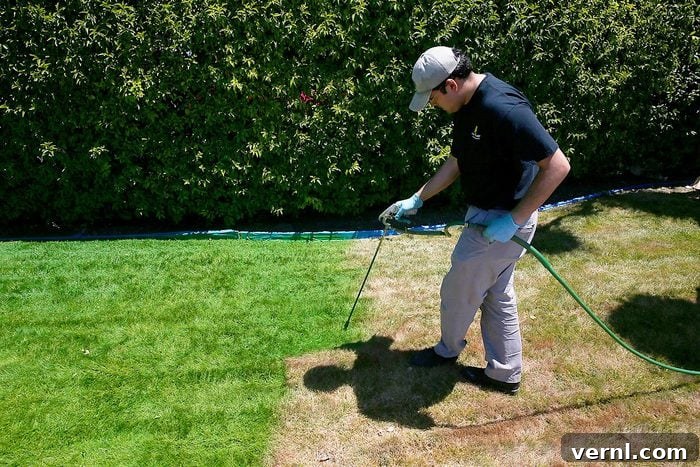
A crucial question for anyone considering this trend is its safety. Thankfully, painting grass is generally a safe and environmentally sound practice when the right products are used. The vast majority of commercially available grass paints are formulated with organic, non-toxic pigments, often derived from natural sources, making them completely safe for children, pets, and the local ecosystem. These specialized paints are designed to adhere to the grass blades without suffocating them or hindering their natural processes.
“I see nothing wrong with the practice, especially in a place like California which is trying to get more homeowners to move toward planting warm-season grasses—grasses that inherently use less water, yet depending on where you are and how cold it gets, go dormant in the wintertime,” affirms Dr. Baird. “So that’s a situation where painting the grass could be really helpful.” Dr. Baird’s statement highlights how lawn painting complements sustainable landscaping trends, providing an aesthetic solution for grasses that naturally lose their green color during their dormant phase.
Intriguingly, Dr. Baird’s research on painting grass has also uncovered an additional benefit: the paint can actually contribute to the grass greening up quicker once it exits dormancy. “It’s helping the plant to green up quicker in the winter because it will absorb more heat when it is darker,” he explains. This phenomenon occurs because the darker pigment of the paint helps the grass blades absorb more solar radiation, effectively warming the plant tissue and encouraging earlier spring growth. This means painted lawns don’t just look better during dormancy; they may also rebound more robustly when conditions improve.
Mastering the Best Technique for Painting Grass
Achieving a professional-looking, natural green finish requires attention to detail and following expert advice. According to Dr. Baird, the optimal time to apply a coat of grass paint is before your lawn fully enters its dormant phase for the winter, while it still retains some of its natural green hue.
Timing and Preparation are Key
“These products work better when the grass is still green,” Dr. Baird emphasizes. “Put them down before they go into dormancy [and] the color of the grass tends to look more realistic instead of waiting until it goes brown.” Applying the paint to already green grass ensures a more natural and blended appearance, rather than a stark artificial color on completely brown blades. This pre-emptive approach is particularly beneficial for residents in regions with seasonal irrigation restrictions, where preserving water in warmer climates is critical. “It’s probably better for them to put those products down before it gets too bad because if you wait long enough you may risk losing the grass completely.”
Before you even pick up the sprayer, proper preparation is essential. Start by thoroughly mowing your lawn to your desired height, removing any clippings, leaves, or debris. This ensures an even application and prevents the paint from clumping. While minor bare spots will be visually camouflaged by the paint, larger damaged areas might benefit from some prior repair or overseeding for the best long-term results.
Application Tips for a Flawless Finish
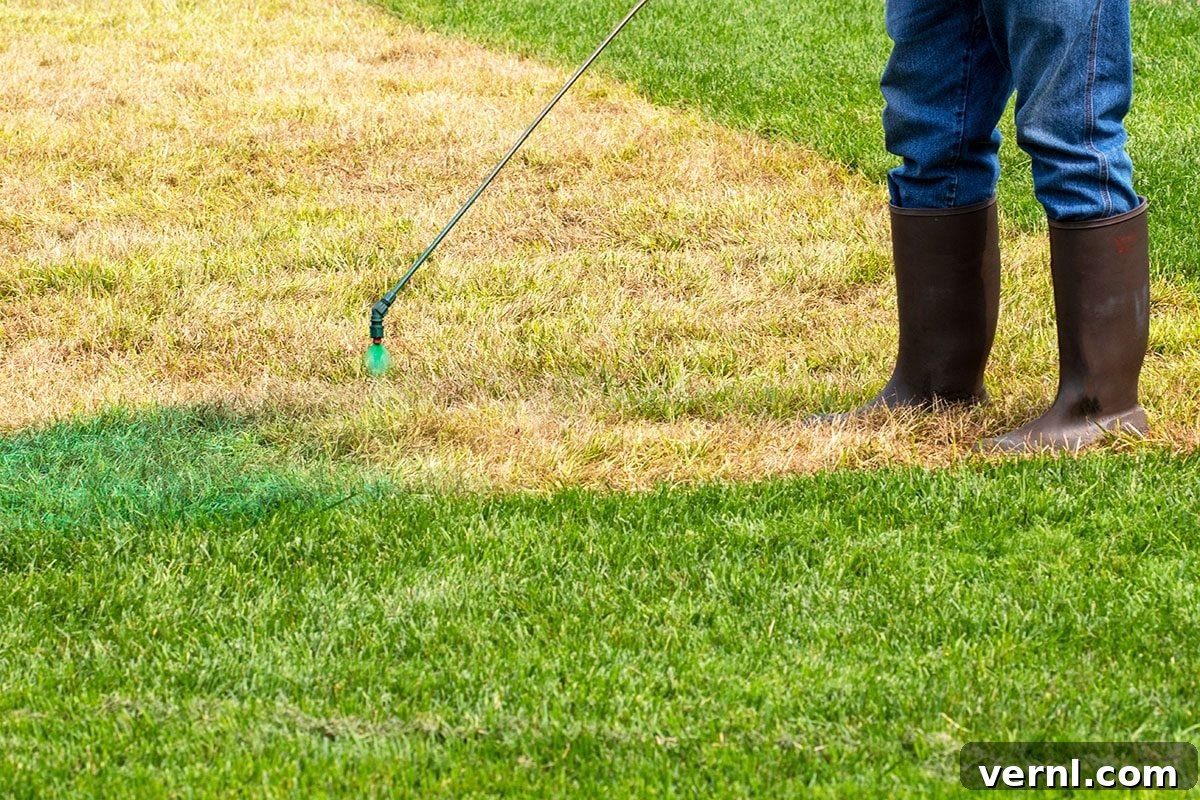
When it comes to the actual application, Dr. Baird offers a crucial warning: these products can permanently stain concrete areas surrounding your lawn, such as driveways, walkways, or sidewalks. “There were some products I used that took two or three years to go away,” he recounts. “So it’s important that if someone is going to do this at home and you get it on the sidewalk, they need to wash it off as soon as possible before it dries.” To prevent this, consider using cardboard or plastic sheeting as a shield along edges and borders. Apply the paint in light, even coats, moving the sprayer in a consistent, sweeping motion. Over-applying in one area can lead to an unnatural, clumpy look or uneven drying. Many experts recommend starting with a lighter shade and building up to the desired intensity with multiple passes.
Using a pump sprayer designed for garden applications typically works well, but specialized turf sprayers offer finer control for a truly professional result. Always read the specific instructions on your chosen grass paint product, as dilution ratios and application techniques can vary. Avoid painting on windy days to prevent overspray onto unwanted surfaces, and ensure the weather forecast predicts dry conditions for at least 24 hours to allow for proper curing. Once the painting is finished, ensure ample time for it to dry completely—typically, it shouldn’t take more than 24 hours before your lawn is ready for normal use, including foot traffic and pet activity.
How Long Can You Expect Your Painted Grass to Last?
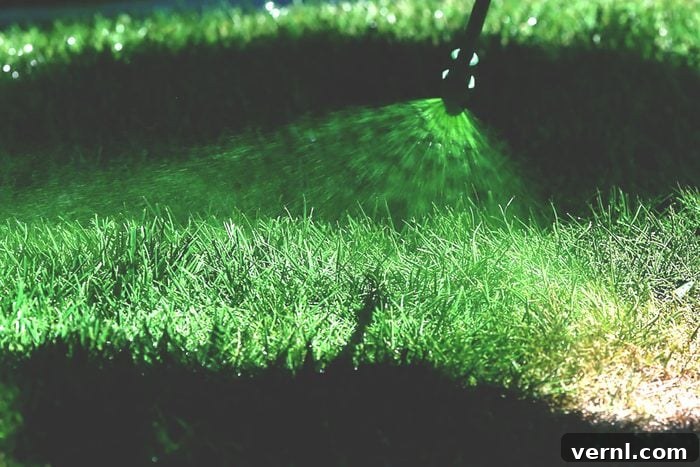
The longevity of your freshly painted lawn is a common concern for homeowners. While it can depend on the specific type and quality of grass paint you choose to use, experts generally advise that painted grass will maintain its vibrant green appearance for approximately two to three months on your lawn. Several factors influence this duration, including how often you mow, the rate of new grass growth, local weather conditions, and the amount of foot traffic the lawn receives.
Factors Influencing Durability and Maintenance
Frequent mowing will gradually trim away the painted tips of the grass blades, necessitating reapplication sooner. Similarly, periods of rapid grass growth will introduce unpainted new growth, diluting the green effect. Heavy rain, prolonged sun exposure, and high foot traffic can also contribute to the paint fading or wearing off more quickly. To maximize the life of your painted lawn, it is advisable to mow the lawn thoroughly first, allowing the paint to coat a more consistent length of grass. Additionally, always spray on a sunny, dry day. This not only facilitates an easier and faster drying process but also helps the paint adhere better to the grass blades. Any puddles of water present during application can dilute the product, leading to uneven coloring and a streaky finish.
It’s important to remember that grass paint is a temporary solution, not a permanent dye. It fades naturally over time as the grass grows and the elements take their toll. When the green begins to diminish, you can simply reapply another coat to restore its vibrant look. This flexibility allows homeowners to manage their lawn’s appearance proactively and sustainably, adapting to seasonal changes and personal preferences without the heavy resource drain of traditional methods.
Embracing the Future of Lawn Care: A Balanced Perspective
Lawn painting represents a significant shift in how homeowners can approach yard aesthetics and maintenance. It offers a practical, eco-conscious alternative to traditional methods that are often resource-intensive. From its proven safety for both the environment and inhabitants to its undeniable advantages in water conservation and immediate curb appeal, the benefits are clear. While it requires careful application to avoid staining and consideration for factors like mowing frequency, the overall consensus from experts like Dr. Baird points towards it being a valuable tool in the modern homeowner’s arsenal.
As communities face increasing pressure to conserve water and reduce chemical use, solutions like grass painting will only become more vital. It allows individuals to maintain the aspirational look of a lush, green lawn without compromising environmental responsibility or financial stability. By understanding the techniques, benefits, and longevity of this innovative practice, you can confidently transform your outdoor space into a vibrant, sustainable haven that stands out year-round.