
Ultimate Guide to Defogging Car Windows: The Kitty Litter Hack and More for Crystal Clear Visibility
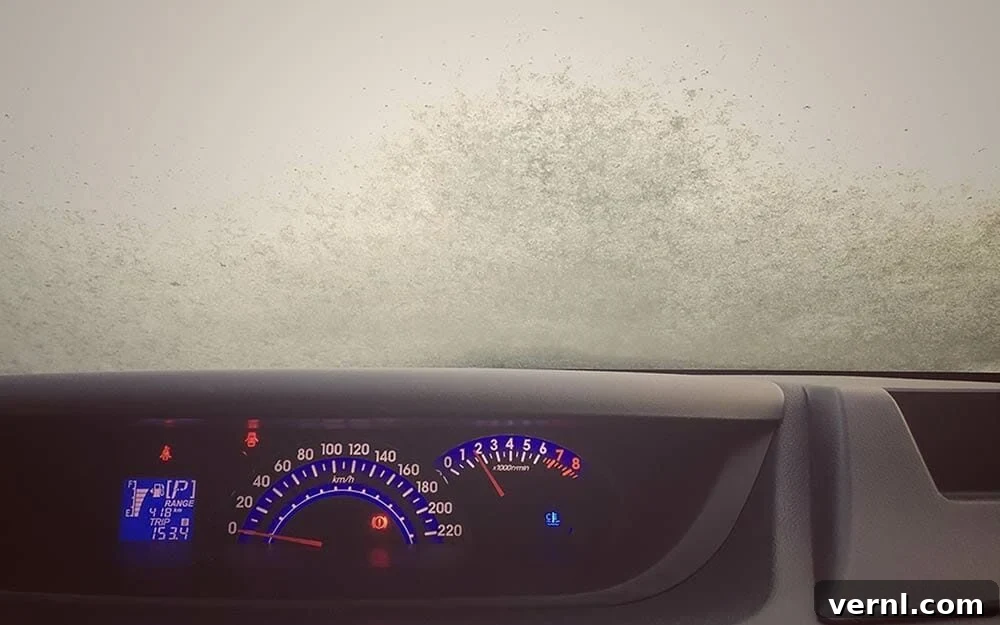
There’s nothing quite as frustrating as stepping out on a chilly morning, ready to start your day, only to find your car windows completely obscured by a thick, opaque layer of fog. This common nuisance isn’t just an annoyance that delays your commute; it presents a significant safety hazard, severely impairing your ability to navigate the roads. While luxury vehicles might boast advanced defogging systems or convenient remote starters, allowing you to warm up your car before you even step outside, these features are less common for many drivers, especially those with older car models. Moreover, the typical morning rush often leads to forgetting such preventative steps, leaving you to contend with a misty windshield.
“Fogged-up car windows are a universal frustration, yet they are a completely normal and incredibly common occurrence for drivers across all seasons,” explains Sara Sam, an esteemed auto expert at Way.com. She further elaborates on the surprising causes of this phenomenon: “It might be astonishing to discover that even something as simple as a forgotten coffee cup or a damp jacket left behind in your car can significantly contribute to interior moisture, turning your windows and windshield into a challenging, if not dangerous, visual obstruction.” Thankfully, there’s an ingeniously simple and highly effective hack that promises to prevent your car windows from fogging up in the first place, offering a much-needed reprieve from one less morning worry.
The Critical Dangers of Driving with Foggy Windows
Beyond the sheer inconvenience, attempting to drive with a condensation-caked windshield poses grave dangers. Your primary line of defense against road hazards is clear vision. When this is compromised, your ability to perceive other vehicles, pedestrians, traffic signals, and sudden obstacles is severely diminished. This impaired visibility dramatically increases your risk of involvement in an accident, even over short distances. Automotive safety experts universally emphasize the importance of clear windows for safe driving. While your vehicle’s integrated defrost setting is designed to clear condensation, it often requires several minutes to reach full effectiveness – precious time you may not have when you’re already behind schedule. This highlights the immense value of a preventative solution.
To proactively combat this pervasive problem and ensure your car windows remain crystal clear, you don’t need to invest in expensive automotive gadgets or complex chemical treatments. The solution is surprisingly straightforward and utilizes three readily available household items: a clean tube sock, a bag of moisture-absorbing kitty litter, and a simple pouring aid like a roll of tape or an empty paper towel tube. This ingenious DIY hack directly addresses the root cause of fogging: excessive humidity and moisture trapped inside your vehicle’s cabin.
Understanding the Science: Why the Kitty Litter Hack Works So Effectively
“The brilliant simplicity of this hack lies in the fundamental principle of absorption: kitty litter, specifically engineered for its impressive moisture-wicking capabilities to absorb cat urine, is equally proficient at drawing out ambient humidity from your car’s interior, which is the primary culprit behind glass fogging,” clarifies Roslyn McKenna, currently the insurance manager at ValuePenguin and former car insurance publisher for Finder. Driven by curiosity, McKenna and her dedicated team conducted rigorous tests on this unconventional trick, and their findings were decisively positive. “During our comprehensive evaluation, the car’s windshield and all other windows remained completely free of fog and condensation, even under environmental conditions where they would typically become obscured,” she reported, underscoring the hack’s efficacy.
However, it’s important to note that not all kitty litter types are equally effective for this application. For optimal moisture absorption, selecting the correct variety is paramount. McKenna’s extensive testing revealed a clear winner: non-clumping or crystal litters consistently outperformed traditional clumping clay or pellet-based options. Non-clumping silica gel crystals, in particular, are highly porous, lightweight, and exceptionally efficient at drawing moisture from the air, making them the superior choice for this car defogging strategy. Regarding the sock itself, prioritize one crafted from a material with high-wicking properties, ensuring that moisture can easily penetrate its fabric to reach the absorbent litter inside. Standard cotton tube socks work well, but athletic socks designed to wick sweat might offer even better performance. For a mess-free assembly, a simple roll of adhesive tape, an empty paper towel roll, or even a kitchen funnel can serve as an excellent aid for cleanly pouring the litter into the sock.
Step-by-Step Guide: Crafting Your Ultimate DIY Car Defogger
Creating your powerful, reusable car defogger is a surprisingly quick and straightforward process, requiring minimal effort and common household items:
- Gather Your Essential Materials: Begin by collecting your supplies: you’ll need one clean, dry tube sock (preferably made from breathable cotton or a high-wicking synthetic material), a bag of non-clumping or crystal kitty litter (silica gel is ideal), and a pouring aid, such as a roll of masking tape, an empty paper towel tube, or a small funnel.
- Prepare the Sock for Filling: To facilitate a clean and easy pour, insert your chosen pouring aid into the opening of the tube sock. This creates a wider, more stable funnel-like structure, significantly reducing the chances of spillage.
- Carefully Fill the Sock: Slowly and deliberately pour the kitty litter into the sock through your makeshift funnel. Aim to fill the sock up to approximately two-thirds of its capacity, or roughly where your ankle would begin. It’s crucial not to overfill, as you’ll need sufficient slack to tie a secure knot and allow the sock to remain somewhat flexible for placement.
- Securely Tie the Sock: Once the desired amount of litter has been added, carefully remove your pouring aid. Firmly tie off the top of the sock with a strong knot. Double-check that the knot is tight enough to prevent any litter from escaping, even if the sock is accidentally bumped or moved.
- Optional: Add a Second Layer for Durability: For enhanced durability, increased peace of mind against accidental tears, or simply to make the device more aesthetically discreet, you have the option of stuffing the entire litter-filled sock into a second clean tube sock. This creates an extra protective barrier.
Optimal Placement and Usage for a Consistently Fog-Free Commute
Now that your powerful homemade moisture absorber is complete, the secret to its long-term effectiveness lies in consistent and strategic placement. Simply place the litter-filled sock on your car’s dashboard, positioning it close to the windshield, every time you park and exit your vehicle. The advanced silica gel crystals or non-clumping litter within the sock will diligently work around the clock, drawing out and absorbing excess humidity from the air inside your car’s cabin. This proactive absorption significantly reduces the internal moisture levels, effectively preventing the conditions necessary for condensation to form on your windows. By establishing this as a regular habit, those frustrating morning fog problems will genuinely become a thing of the past, replaced by consistently clear, unobstructed views.
But what if you occasionally forget to place your trusty sock and wake up to a still-foggy window? Don’t despair! Your litter-filled sock remains a powerful tool for quick defogging. Instead of resorting to your hand or a standard hand towel, which can often smear moisture rather than absorb it effectively, gently run the litter-filled sock along the inside surface of your windshield and other windows. The absorbent properties of the litter will rapidly draw away the clinging moisture, clearing your view much more efficiently than traditional methods. To ensure you always have it on hand and remember to use it, make it a permanent fixture in your car, perhaps by tucking it discreetly into a side door pocket, a console compartment, or even under the seat when it’s not positioned on the dashboard.
Beyond the Hack: Holistic Strategies for Reducing Car Humidity and Enhancing Air Quality
While the ingenious kitty litter hack offers a fantastic preventative measure, integrating a few other best practices can further enhance your car’s interior air quality, significantly reduce humidity, and ensure maximum visibility, contributing to safer and more comfortable drives:
Regular Ventilation and Optimized Air Circulation
One of the simplest yet most effective ways to manage car humidity is through proper ventilation. “When engaging your car’s defroster, it’s crucial to ensure you circulate outside air rather than recirculating cabin air,” advises Sara Sam. Recirculating internal air, especially when it’s already laden with humidity, traps and intensifies moisture within the cabin. By introducing fresh, drier air from the outside, you help to balance the internal humidity levels, making defogging more efficient and lasting.
Furthermore, whenever weather conditions permit, opening the windows periodically, even for a brief few minutes, can make a substantial difference. Chris “Moose” Pyle, an experienced automotive expert with JustAnswer, suggests, “During warmer months or in temperate climates, open the windows to help vent and dry out the car from the high heat and any accumulated moisture, whether you’re actively driving or simply parked.” This allows stagnant, humid air to escape and fresh, drier air to circulate throughout the interior, preventing moisture buildup.
Maintain Your Car’s AC and Heating System for Dehumidification
Many drivers mistakenly believe their car’s air conditioning system is solely for cooling. In reality, the AC system also functions as a powerful dehumidifier. Running the air conditioner, even on a cold day with the heat on, actively removes moisture from the air inside your vehicle. It’s imperative to ensure your AC system is well-maintained and operating at peak efficiency, as a poorly performing AC can actually exacerbate humidity issues within the cabin.
Minimize Moisture Intrusion from External Sources
Be mindful of the external moisture you inadvertently introduce into your car. Avoid wearing sweat-soaked clothing into the vehicle, and pay attention to tracking in excessive water. As Pyle notes, “If it’s raining or snowing, try to minimize the times you get in and out, as your shoes and clothing will inevitably track in water or melting snow.” Even seemingly small amounts of moisture from wet umbrellas, snow-covered boots, or damp groceries can introduce a surprising volume of humidity into a sealed cabin. Make it a habit to shake off excess water from clothing and items before entering, and consider using durable, all-weather floor mats that can effectively contain melted snow or rainwater, preventing it from soaking into the carpet.
Investigate and Repair Leaks or Blocked Drains
Persistent and excessive humidity that seems difficult to control might indicate a more serious underlying issue. It’s advisable to thoroughly inspect your car for any signs of water leaks, paying close attention to areas around window seals, door seals, the sunroof (if applicable), and the trunk. Additionally, clogged AC drain lines can cause condensation to back up and accumulate inside the vehicle’s cabin, leading to damp carpets and increased humidity. Addressing these underlying structural or mechanical problems is crucial for long-term moisture control and preventing potential mold growth.
Commercial Products and Innovative DIY Alternatives for Effective Defogging
While the highly effective kitty litter hack remains a favorite for its simplicity and affordability, the market also offers a variety of specialized products designed to combat car window fogging. Furthermore, there are several other ingenious DIY solutions you can explore for a truly fog-free driving experience:
Advanced Commercial Anti-Fog Products
- Reusable Silica Gel Packs: These small, powerful desiccant packets, often found packaged with new electronics or goods, are excellent moisture absorbers. Larger, specially designed versions for car interiors are widely available and typically can be “recharged” by heating them in a conventional oven, allowing for repeated use.
- Activated Charcoal Bags: Renowned for its exceptional absorbent properties, activated charcoal excels at absorbing not only unpleasant odors but also ambient moisture. Strategically placing charcoal bags in various areas of your car can help purify the air and significantly reduce humidity levels.
- Desiccant Beads/Dedicated Dehumidifiers: Similar in principle to silica gel, various types of desiccant beads or compact, dedicated car dehumidifiers (many of which are reusable and rechargeable) are specifically formulated to absorb and lock away airborne moisture.
- Anti-Fog Sprays and Wipes: These specialized products work by creating a microscopically thin, invisible coating on your car windows. This coating effectively lowers the surface tension of the glass, preventing water droplets from condensing into a fog. They are typically applied directly to the interior glass surface and then buffed dry with a clean cloth.
Creative DIY Anti-Fog Solutions for the Resourceful Driver
For those who prefer a more hands-on, homemade approach to car care, automotive expert Pyle offers some simple yet remarkably effective DIY anti-fog solutions that utilize common household items:
- Shaving Cream Application: Apply a thin, even layer of regular shaving cream to the inside surface of your car window. Allow it to sit for a moment, then vigorously wipe it off completely with a clean, dry microfiber towel. The residual film left behind by the shaving cream acts as a temporary barrier, preventing condensation from forming into fog.
- Alcohol and Vinegar Cleaning Solution: Create a potent anti-fog spray by mixing equal parts rubbing alcohol, white vinegar, and water in a spray bottle. Generously spray this solution onto the interior of your car’s glass surfaces, then immediately wipe it clean and dry with a microfiber towel. The alcohol helps the mixture evaporate quickly, leaving behind a streak-free, fog-resistant finish.
- The Humble Potato Slice: Believe it or not, rubbing a freshly cut potato half across your windshield and then thoroughly wiping it clean can also leave behind a thin, invisible film that helps to prevent fogging. The starch in the potato creates a barrier against water droplets.
Important Note: For any applied solution, whether commercial or DIY, always perform a small spot test on an inconspicuous area of your window first. This ensures that the product or mixture does not cause any damage, streaking, or discoloration to your vehicle’s glass or tints.
About Our Esteemed Automotive Experts
We are committed to providing you with the most accurate, reliable, and practical automotive advice, drawing insights from leading professionals in the field:
- Chris “Moose” Pyle: A highly respected master-certified technician boasting over two decades of extensive, hands-on automotive experience. Since 2006, Chris has been an invaluable expert contributor for JustAnswer, where he consistently addresses hundreds of intricate car maintenance and repair questions daily, providing accessible, clear, and trustworthy solutions to a global audience.
- Sara Sam: As a distinguished senior writer and accomplished auto expert with the innovative Way.com auto app, Sara specializes in crafting insightful guidance on all facets of vehicle care, essential maintenance, and crucial safe driving practices. Her expertise transforms complex automotive topics into easily digestible and understandable advice for everyday drivers.
Expert Sources Providing Core Insights
Our content is reinforced by the expertise of:
- Roslyn McKenna: Currently serving as the proficient insurance manager at ValuePenguin, Roslyn previously held the distinguished position of car insurance publisher at Finder. Her extensive background encompasses deep knowledge in car insurance policies, meticulous automotive product testing, and comprehensive consumer financial advice.