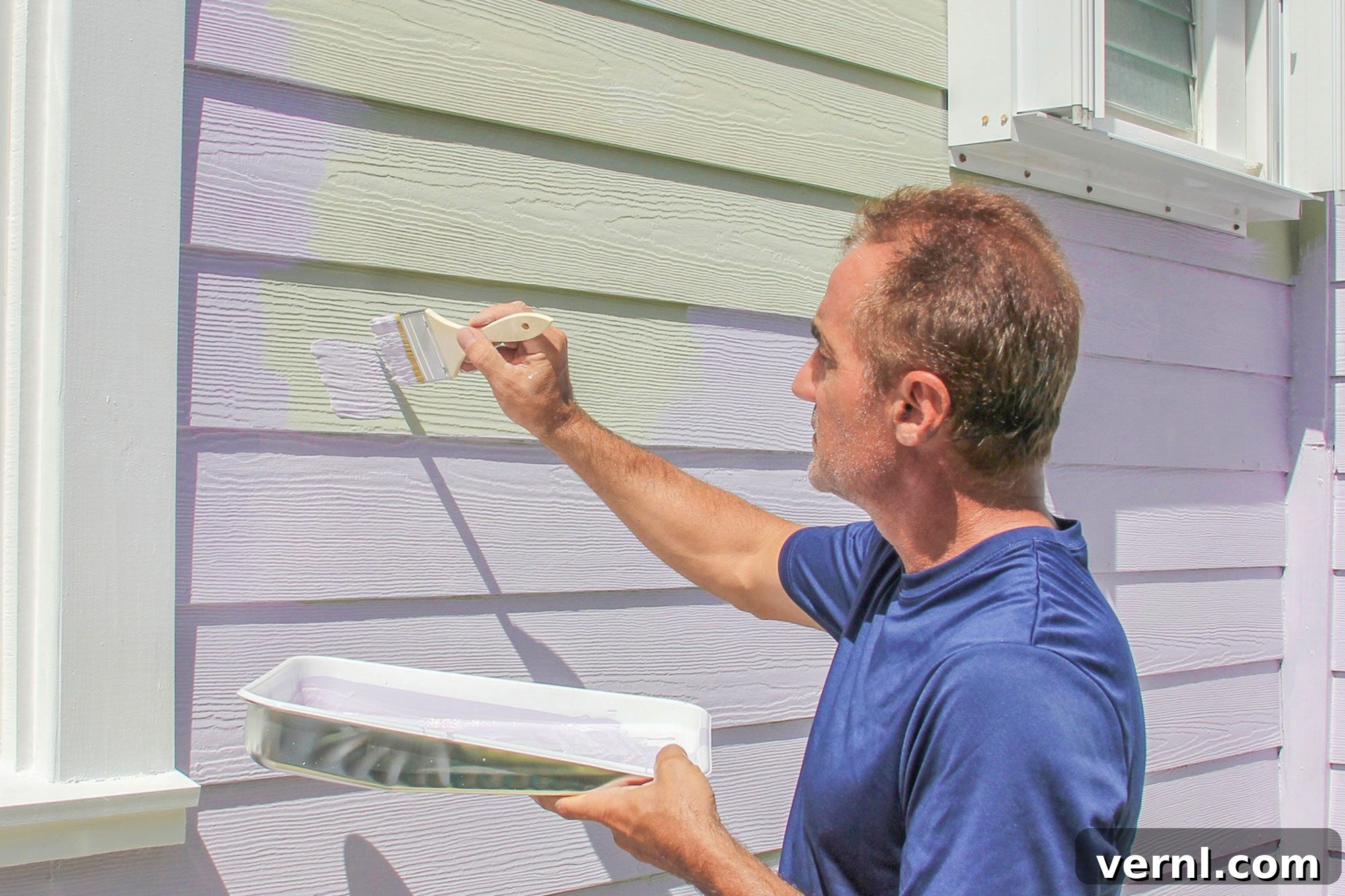
Transform Your Home: A Comprehensive Guide to Painting Vinyl Siding
Replacing faded or worn vinyl siding can be a surprisingly pricey and time-consuming endeavor, leading many homeowners to wonder about more economical alternatives. For decades, the conventional wisdom suggested that painting vinyl siding was a recipe for disaster. However, significant advancements in paint formulations and application techniques have revolutionized this perception. What was once considered a bad idea is now a viable, cost-effective solution for refreshing your home’s exterior.
This guide will delve into the modern approach to painting vinyl siding, addressing common questions and providing essential insights. We’ve consulted with Nick O’Keefe, founder of Oak City Coatings and a seasoned professional painter with extensive experience in the industry. He shares his expert advice, correcting outdated beliefs and opening up a world of options for today’s homeowners looking to update their curb appeal without the high cost of full replacement. We’ll explore everything you need to know, from selecting the right materials and understanding critical color choices to executing the project as a DIY task, along with a balanced look at the pros and cons.
Can You Paint Vinyl Siding? The Modern Answer
The unequivocal answer from industry experts like Nick O’Keefe is a resounding “Yes, absolutely you can paint vinyl siding.” This clear statement reflects a major shift in the capabilities of modern paint products. Gone are the days when paint would simply crack, peel, or cause the siding to warp under heat. Today’s specialized paints are engineered to adhere flawlessly and withstand the unique characteristics of vinyl.
However, this affirmative answer comes with a crucial caveat: you cannot simply use any old exterior paint. The success of painting vinyl siding hinges entirely on selecting the proper paint and adhering to specific guidelines. Ignoring these can still lead to the very issues that once gave painting vinyl a bad reputation. Understanding these specifics is the first and most critical step towards a successful and long-lasting finish.
Selecting Paint Specifically Formulated for Vinyl Siding
The dynamic nature of vinyl siding is its defining characteristic and its biggest challenge for paint manufacturers. Vinyl expands and contracts significantly with temperature fluctuations – a phenomenon known as thermal movement. A traditional, rigid paint film cannot cope with this constant movement, leading to premature cracking, peeling, and adhesion failure.
This is where specialized paint formulations come into play. Leading paint companies now offer base coats and topcoats specifically engineered to address vinyl’s unique requirements. As O’Keefe emphasizes, “You want to make sure you are choosing a paint that is recommended for vinyl siding.” These advanced paints are typically high-quality exterior acrylic latex formulations. Acrylic latex paints inherently possess excellent flexibility, allowing them to stretch and contract with the siding without compromising their integrity. Furthermore, many of these “vinyl-safe” paints incorporate specialized additives that enhance adhesion and durability on plastic substrates.
When shopping for paint, always check the manufacturer’s recommendations printed on the side of the can. Look for explicit statements indicating suitability for vinyl siding. If in doubt, do not hesitate to consult a professional at your local paint store who can guide you to the correct product range. Investing in these specialized paints, while potentially slightly more expensive upfront, is non-negotiable for ensuring a successful and enduring result.
The Critical Importance of Color When Painting Vinyl Siding
Perhaps one of the most surprising and critical considerations when painting vinyl siding is color selection. Unlike traditional wood siding, where your palette is virtually limitless, painting vinyl imposes significant restrictions. This is not merely an aesthetic preference but a fundamental engineering concern directly related to the material’s properties.
Thin vinyl siding is susceptible to warping and distortion if it retains too much heat. Siding manufacturers design their products, including thickness and composition, based on the assumption that the siding will maintain its original factory color. Painting the siding a darker color dramatically increases its heat absorption, potentially causing the material to overheat, warp, buckle, or even melt beyond repair. This risk is very real and can be extremely costly to remedy.
Nick O’Keefe explains the science behind vinyl-safe colors: “Special vinyl-safe formulas leave out certain colorants that attract too much heat and will melt your vinyl siding.” These advanced pigments are designed to reflect a higher percentage of solar energy, thereby minimizing heat buildup on the siding’s surface. Because of this inherent risk, O’Keefe strongly advises against selecting a darker color for vinyl siding. Instead, he urges homeowners to choose a color that is similar to or lighter than the existing siding color.
The risks associated with dark colors are so severe that many professionals, including O’Keefe, will refuse jobs that involve painting vinyl siding a significantly darker hue. “If a customer does want a darker color, we will not take the job and walk away,” he states. “I have seen one too many vinyl jobs go sideways with darker colors, and we’ve decided to just not paint the house rather than be liable to replace someone’s whole siding.” This uncompromising stance underscores the gravity of the color choice. Homeowners must prioritize the structural integrity of their siding over a specific dark aesthetic when considering this project.
A Step-by-Step Guide: How to Paint Vinyl Siding Like a Pro
Once you’ve selected the appropriate vinyl-safe paint and a suitable color, the actual painting process shares many similarities with painting wood siding, but with careful attention to specific details unique to vinyl. Proper preparation and application are paramount for a durable and attractive finish.
1. Watch the Weather: The Ultimate Timing Factor
Weather conditions impact vinyl siding more profoundly than other exterior materials, influencing both the paint’s adhesion and the siding’s stability. For optimal paint adhesion and curing, plan your project for overcast skies and moderate temperatures, ideally between 50-85 degrees Fahrenheit (10-30 degrees Celsius). High humidity can slow drying times, while direct, intense sunlight can cause the paint to dry too quickly on the surface, leading to blistering, bubbling, or an uneven finish before it has a chance to properly bond with the vinyl. Avoid windy days as well, which can carry dust and debris onto your wet paint and accelerate drying too much. Patience in waiting for the ideal weather window will pay off in the longevity and appearance of your painted siding.
2. Thoroughly Clean the Siding: Foundation for Adhesion
Even if your home appears clean from a distance, vinyl siding accumulates a surprising layer of dirt, dust, pollen, chalking (a powdery residue from oxidized paint), mold, and mildew over time. This grime creates a barrier that prevents new paint from properly adhering. A meticulous cleaning process is non-negotiable.
- Tools: A garden hose with a spray nozzle, a soft-bristle brush, or a pressure washer (used with extreme caution on a low setting, keeping the nozzle moving and at a distance to avoid damaging the siding or forcing water behind it).
- Cleaning Solutions: For general dirt, a simple mixture of warm water and a mild detergent (like dish soap) can work. For mold and mildew, a solution of one part bleach to three parts water, or a commercial vinyl siding cleaner, is often necessary.
- Application: Apply the cleaning solution from the bottom up to avoid streaking. Let it dwell for 5-10 minutes, then scrub gently with a soft brush.
- Rinsing: Rinse thoroughly from top to bottom, ensuring all cleaning solution and loosened debris are completely removed. Any residue left behind can affect paint adhesion.
Allow the siding to dry completely—typically 24-48 hours, depending on humidity and temperature—before proceeding. Moisture trapped beneath the paint can cause blistering and peeling.
3. Prime as Needed: Enhancing Adhesion and Coverage
Not all vinyl siding projects require a primer, but it can be a critical step for certain conditions. Siding that has significantly worn, showing signs of extreme fading, chalking, or becoming pitted and porous, will greatly benefit from a coat of primer. Primer serves several vital functions:
- Enhanced Adhesion: It creates an ideal surface for the topcoat to bond to, especially on chalky or difficult surfaces.
- Improved Coverage: It helps the topcoat achieve a uniform color and finish, reducing the number of topcoats needed, particularly when making a significant color change (within vinyl-safe limits).
- Stain Blocking: If your siding has persistent stains that cleaning couldn’t fully remove, a stain-blocking primer can prevent them from bleeding through the new paint.
Just like with your topcoat, always choose an exterior primer specifically formulated for use on vinyl siding. Apply it evenly and allow it to dry according to the manufacturer’s instructions before applying the finish coats.
4. Repair Minor Damage: A Pre-Painting Essential
Before any paint touches your siding, take the time to inspect for and address minor damages. Small cracks, holes, or loose sections should be repaired. Use a paintable exterior caulk specifically designed for flexibility to fill minor cracks. For small holes, a bit of epoxy filler or a patch kit designed for vinyl can be used. Ensure all repairs are smooth, cured, and sanded if necessary to blend seamlessly with the surrounding siding. Painting over damaged siding will only highlight imperfections and shorten the lifespan of your paint job.
5. Cut In with a Brush: Precision for Edges
Using a high-quality angled sash brush (typically 2-3 inches wide), carefully paint around windows, doors, corners, utility boxes, and any other areas that cannot be reached with a roller or sprayer. Apply the paint smoothly and consistently, being mindful not to overload the brush to prevent drips. This “cutting in” step ensures crisp lines and complete coverage in intricate areas.
6. Apply Main Coats with a Roller or Sprayer: Achieving Uniformity
For the main body of the siding, you have two primary application methods:
- Rolling: Using an extension stick and a roller with a 1/2-inch nap (for slightly textured vinyl) or 3/8-inch nap (for smoother vinyl), apply the paint in even, overlapping strokes. If the siding has any texture or is slightly irregular, a technique called “back brushing” is highly recommended. This involves applying the paint with the roller, then immediately following with a wide, soft brush (often a 4-inch or 5-inch brush) to work the paint into the surface and ensure maximum adhesion and a smooth finish. This technique helps push the paint into all crevices and minimizes roller marks. You will typically need to apply two coats for optimal coverage and durability, allowing adequate drying time between coats as per manufacturer instructions.
- Spraying: Applying paint with an airless sprayer can be significantly faster and result in a very smooth, factory-like finish. However, it requires more setup, including extensive masking of all non-painted surfaces (windows, doors, trim, landscaping) to prevent overspray. While spraying saves time on application, the masking and cleanup can be substantial. Even with spraying, professionals often recommend a light “back-roll” or “back-brush” immediately after spraying, especially on textured surfaces, to force the paint into the surface and ensure superior adhesion. If you choose to spray, consider renting a quality airless sprayer and familiarize yourself with its operation or hire a professional.
7. Allow for Proper Drying and Curing: The Final Crucial Step
Understand the difference between “dry to touch” and “fully cured.” While paint might feel dry within hours, it can take several days or even weeks for it to fully cure and achieve its maximum hardness and durability. During this curing period, treat the freshly painted siding gently. Avoid leaning ladders against it or scraping it. Adhering to manufacturer guidelines for drying and curing times will ensure the best possible long-term performance of your paint job.
Pros and Cons of Painting Vinyl Siding: A Balanced Perspective
Deciding whether to paint your vinyl siding involves weighing several factors. While modern paint technology has made it a viable option, it’s essential to understand both the advantages and potential drawbacks.
Cons of Painting Vinyl Siding
- Ongoing Maintenance Cycle: The single biggest “con” is that painting vinyl siding transforms it into a surface that requires periodic repainting, much like traditional wood siding. Unlike new vinyl siding, which is designed to be virtually maintenance-free for decades, painted vinyl will likely need a fresh coat of paint every 3-7 years, depending on the paint quality, color, weather exposure, and prep work. This introduces a long-term commitment that homeowners might not have anticipated.
- Potential Warranty Void: Many vinyl siding manufacturers’ warranties specifically state that painting their product will void the warranty. This is a critical point to research. If your siding is still under warranty, painting it could eliminate your coverage for manufacturing defects or premature failure. Weigh the benefits of painting against the potential loss of warranty protection.
- Limited Color Palette: As previously discussed, the restriction to lighter, heat-reflective colors is a significant limitation. If your heart is set on a dark, dramatic exterior, painting vinyl siding is likely not the appropriate solution, risking irreparable damage to your home.
- Risk of Improper Application: While DIY painting is possible, improper surface preparation, incorrect paint selection, or poor application techniques can lead to premature peeling, blistering, or fading, forcing you to redo the job sooner than expected or face costly repairs.
Pros of Painting Vinyl Siding
- Significant Cost Savings: The most compelling advantage is the potential for substantial cost savings compared to a full siding replacement. Replacing vinyl siding is a major renovation project, often costing tens of thousands of dollars. Painting offers a fresh look for a fraction of that expense, making it an attractive option for budget-conscious homeowners.
- Dramatic Aesthetic Transformation: A fresh coat of paint can dramatically update your home’s curb appeal, giving it a modern, clean, and refreshed look. It’s an excellent way to change your home’s entire aesthetic without the upheaval of major construction.
- Extending the Life of Existing Siding: If your vinyl siding is structurally sound but merely faded, chalky, or showing minor cosmetic wear, painting can effectively “resurface” it, protecting it from further UV degradation and weathering, thereby extending its functional lifespan.
- Addressing Faded or Damaged Sections: Matching existing, aged vinyl siding can be incredibly challenging, especially if the original color is no longer manufactured or has been significantly altered by sun exposure. If you have limited damage that needs repair, painting the entire house allows for seamless integration of new or repaired sections, ensuring a uniform and sharp appearance across your home’s exterior.
- Environmentally Friendly: Painting existing siding reduces waste by keeping functional materials out of landfills, making it a more sustainable choice than complete replacement.
When is Painting Vinyl Siding NOT the Best Option?
While painting vinyl siding has become a legitimate option, there are specific scenarios where it might not be the ideal solution:
- Severely Damaged Siding: If your vinyl siding is extensively cracked, broken, warped, or exhibits significant structural damage, painting will not fix these underlying issues. In such cases, replacement or extensive repair is necessary before considering paint.
- Very Old and Brittle Siding: Extremely old vinyl that has become brittle and fragile might not withstand the cleaning and painting process, or it may simply be at the end of its useful life, making replacement a more prudent investment.
- Uncompromising Desire for Dark Colors: If your heart is absolutely set on a very dark color and you are unwilling to consider vinyl-safe alternatives, painting existing vinyl siding is too risky and could lead to permanent damage.
- Active Manufacturer Warranty: If your siding is still under an active warranty and you are concerned about voiding it, then painting might not be the best choice. Carefully review your warranty documents before proceeding.
About the Expert
Nick O’Keefe is the esteemed founder of Oak City Coatings, a highly regarded painting company. With over a decade of dedicated experience in the paint and coatings industries, Nick has cultivated a deep understanding of materials and application techniques. His career includes working with some of the largest manufacturers and top distributors of paint and stains globally, serving a diverse clientele in both residential and commercial markets. His expertise ensures that homeowners receive reliable, professional advice and high-quality results for their exterior painting projects.