
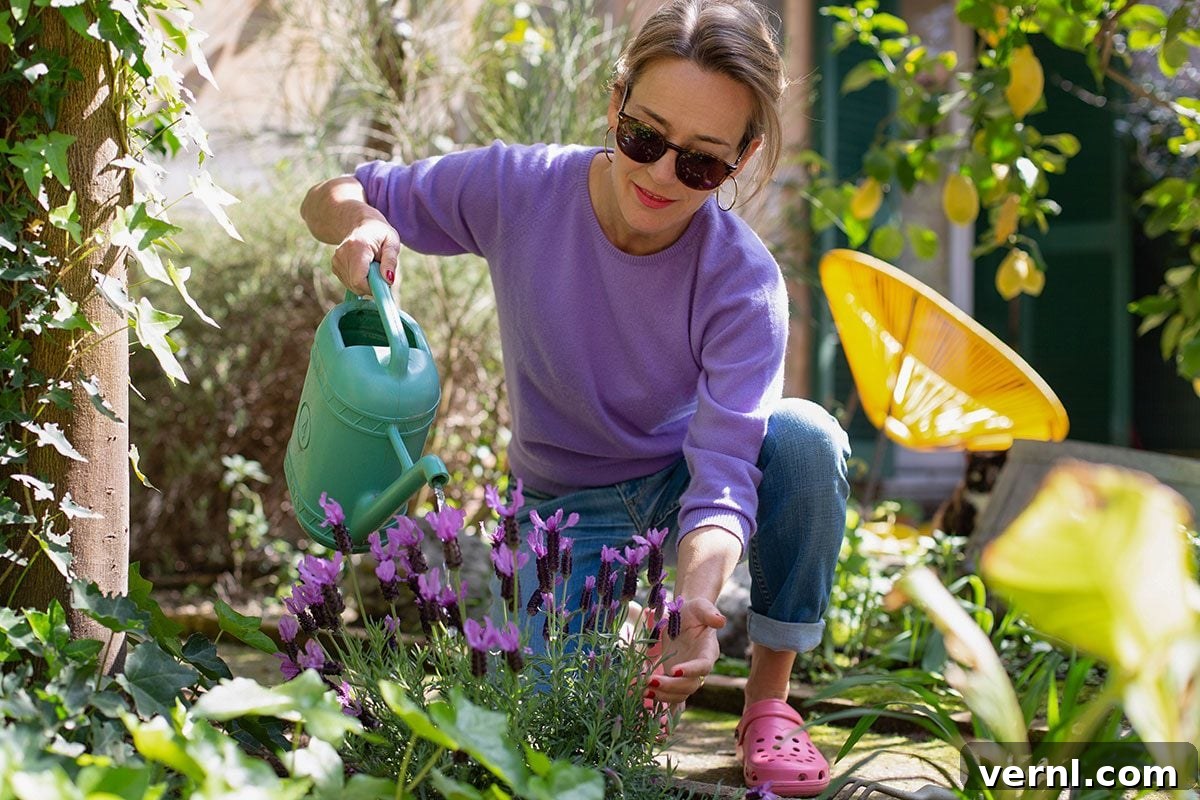
As gardeners, we spend so much time in the sun that some dermatologists compare our cumulative skin damage to that of lifeguards. Many gardeners underestimate how much sun exposure they get and the long-term risks that come with it.
“Gardeners often misjudge their sun exposure as they move between plants, shade and tasks,” says skin expert Dr. Daniel Careaga. “But the time you spend gardening adds to your lifetime UV exposure, and should warrant the same dedication as watering, pruning and planting.”
We spoke with skin-care professionals about sun protection tailored for gardening: how to choose the right sunscreen, how to apply it, and what other measures matter. Here is their guidance.
Sun Protection Is Essential
Gardening frequently takes place during the hours when UV rays are strongest—typically between 10 a.m. and 4 p.m. “And unlike a day at the beach, where you know you’re in the sun, gardening feels low stakes,” says health and wellness expert Jason Vaught. “You’re just pulling weeds or watering plants, and that casual feeling is exactly what makes it dangerous.”
It isn’t only sunburns that cause harm; repeated, cumulative exposure to UV light leads to progressive skin damage. Protective clothing helps significantly, but sunscreen remains important because UV rays reflect off surfaces like concrete, fences and soil. “That means you’re getting hit from multiple directions at once, not just from above,” says Vaught.
Common skin damage gardeners overlook
Exposure to UV light triggers oxidative stress, which can cause a range of skin problems: dark sun spots, wrinkles, rough texture, precancerous changes and skin cancer. Clinicians see consistent patterns of damage in gardeners over time.
Basil Russo, founder of Bar Beauty Medical, notes a frequent pattern of hyperpigmentation across the neck and chest that clinicians refer to as the “gardener’s V.” Other common findings include sun spots on the backs of hands and actinic keratoses on the temples and bald scalp. “Forearms and hands take the worst of it because they get sun every session and rarely get SPF reapplied,” Russo says. “And the damage shows up 15 to 20 years later.”
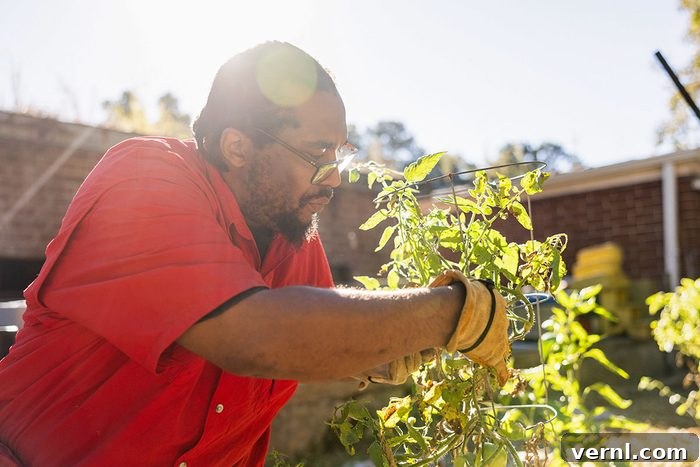
Choosing the Right Sunscreen for Gardening
Experts recommend a broad-spectrum sunscreen (protecting against both UVA and UVB rays) with an SPF of at least 30 for daily use and SPF 50 or higher for prolonged work in intense sunlight. Choose formulas that offer at least 80 minutes of water and sweat resistance. If you sweat heavily or have sensitive skin, mineral sunscreens containing zinc oxide or titanium dioxide are good options because they sit on the skin and begin blocking UV immediately.
“There is no best sunscreen; it’s how you use the sunscreen products that make the difference,” says dermatologist Dr. Susan Massick. Proper application, consistent use, and timely reapplication are what really protect skin.
Understanding SPF
SPF, or Sun Protective Factor, estimates how long it takes protected skin to burn compared with unprotected skin. Higher SPF numbers offer more protection, but protection plateaus around SPF 50. “The common belief that SPF 100 gives you double the protection of SPF 50 is flat out wrong,” says Vaught. “It gives you maybe one additional percent of blockage.”
Packaging SPF assumes a full ounce of product is applied to the body. Most people apply much less, so actual protection is often far lower than the labeled SPF. Note: SPF indicates protection primarily against UVB rays, which cause sunburn; UVA rays drive long-term damage and aging, so choosing a broad-spectrum product is important.
What Gardeners Should Look For In Sunscreen
- Broad-spectrum protection against UVA and UVB rays.
- SPF 50+ for intense sun exposure, SPF 30+ for everyday gardening.
- Water and sweat resistance rated for at least 80 minutes.
- Mineral-based formulations with zinc oxide or titanium dioxide when possible; they work immediately by physically blocking rays. If choosing a chemical sunscreen, look for avobenzone for UVA coverage.
Vaught suggests fragrance-free products, since fragrances can irritate skin already exposed to plants, soil and fertilizers. Russo recommends applying a lightweight moisturizer containing niacinamide and ceramides after washing to help restore the skin barrier.
How to Apply Sunscreen Correctly
- If using a chemical sunscreen, apply it about 15 minutes before going outside.
- Use roughly 1/4 teaspoon for the face and about one ounce for the full body when dressing for full-body coverage.
- Reapply every two hours, or immediately after heavy sweating or towel drying.
“You can never put on too much sunscreen,” Massick says. Apply liberally and remember sensitive areas like the scalp, ears, back of the neck, tops of the feet and lips.
Don’t Forget Protective Clothing
Sunscreen is a crucial defense, but protective clothing reduces overall oxidative stress from UV exposure and offers reliable long-term protection. PharmD Lily Shapiro highlights clothing as an essential layer of defense.
- UPF 50+ long-sleeve gardening shirts
- A wide-brimmed hat with at least a 4-inch brim
- Wraparound sunglasses that block UV rays
- Gardening gloves with cuffs that cover the wrist
FAQ
Why do gardeners need sunscreen even on cloudy days?
Up to 80% of UV rays can penetrate cloud cover. “It’s actually the sneakiest burn because the heat is lower so you don’t notice the exposure,” Russo says.
How often should gardeners reapply sunscreen?
Reapply every two hours, and more frequently if you are sweating heavily or get wet.
Can I get sunburned while gardening in the shade?
Yes. Shade reduces direct rays, but UV light still reflects off surfaces like concrete, water and light-colored objects, producing diffused exposure.
About the Experts
- Dr. Susan Massick is a board-certified dermatologist and associate professor of dermatology at The Ohio State University Wexner Medical Center.
- Basil Russo is founder of Bar Beauty Medical, a Toronto-based medical aesthetics clinic.
- Jason Vaught is an expert in consumer health and wellness products and director of content and marketing at SmashBrand.
- Dr. Daniel Careaga is a U.S. board-certified plastic surgeon and founder of Careaga Plastic Surgery in Miami.
- Lily Shapiro, PharmD, specializes in nutritional dermatology and skin aging and is founder of ATIKA skin support products.