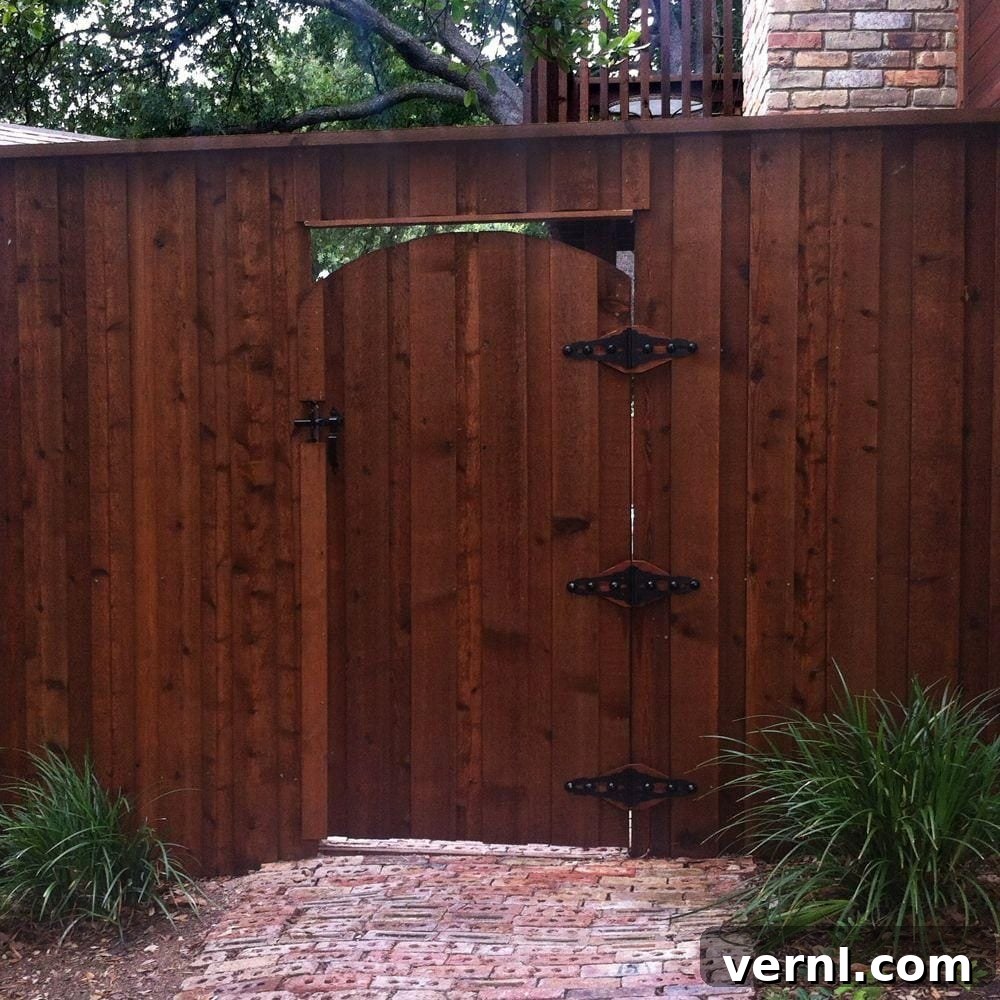
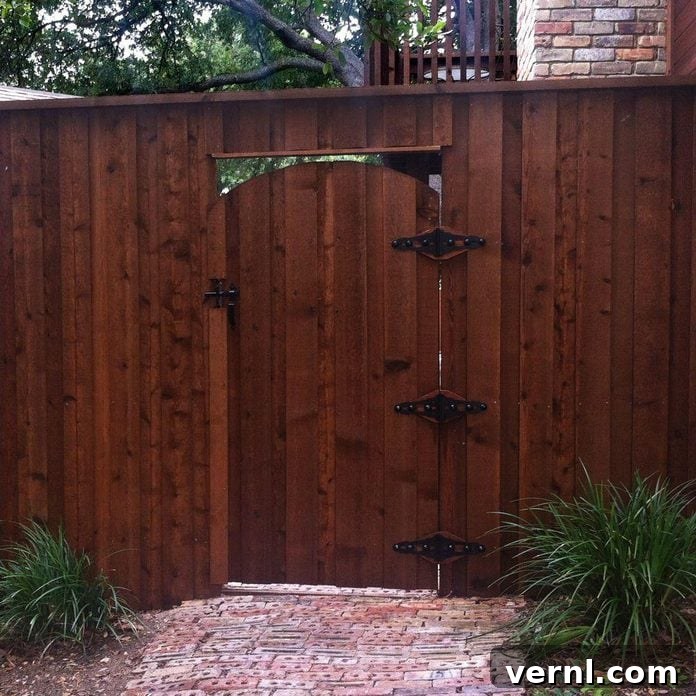
In the vast world of hardware, hinges often play a supporting role, designed to be discreet, almost invisible. Think of the modern concealed hinge, a masterpiece of minimalist design that allows doors to seemingly float without visible support. But what if the hinge itself could be a focal point? What if it could contribute to the aesthetic narrative of your home or project, rather than merely facilitating movement? Enter the strap hinge – a robust, visually striking piece of hardware that not only performs its function with unwavering reliability but also makes an undeniable design statement. This ‘loud and proud’ hinge stands out, transforming a utilitarian component into an integral part of your space’s character, all while providing an unmatched, smooth swing for gates and doors that other hinge types might struggle to manage.
What is a Strap Hinge? Unveiling its Distinctive Design
At its core, a strap hinge is defined by its distinctive long and narrow leaves, with at least one, and often both, extending significantly across the surface it’s mounted on. This unique form factor is not just for show; it’s a fundamental design choice that provides exceptional stability and distributes weight over a much larger area compared to compact butt hinges. This inherent strength makes strap hinges the preferred choice for heavy-duty applications where robust support is paramount.
A notable variation of the strap hinge is the T-hinge. As its name suggests, a T-hinge combines a long strap on one side with a shorter, butt-style leaf on the other, creating a ‘T’ shape when viewed from above. T-hinges offer a compromise, allowing for the decorative and supportive qualities of a strap hinge while sometimes simplifying installation on narrower door frames or posts where a full strap might not fit on both surfaces. Both strap hinges and T-hinges are celebrated for their ability to securely support weighty doors and gates, making them a staple in both outdoor and indoor settings.
Versatile Applications: Where Strap Hinges Shine
The practical and aesthetic benefits of strap hinges lend them to a wide array of applications:
- Outdoor Gates: Perhaps their most iconic use is on garden gates, barn doors, and large entry gates. The long leaves provide the necessary structural integrity to support heavy timber and metal gates, ensuring they swing smoothly and remain secure against the elements and frequent use. Their surface-mounted nature also makes them easy to install on various gate materials.
- Sheds and Outbuildings: For utility structures that require durable, reliable door hardware, strap hinges are an excellent choice. They can withstand harsh weather conditions and constant operation, securing tools and equipment effectively.
- Cabinets and Furniture: Indoors, strap hinges are increasingly popular for cabinetry, especially in rustic, farmhouse, industrial, or even contemporary minimalist designs where a deliberate visual element is desired. They add character to pantry doors, entertainment centers, and custom furniture pieces, turning everyday utility into a design statement.
- Interior Doors: Beyond cabinets, strap hinges can elevate the look of interior doors, particularly in period homes or those embracing a specific architectural style. Large, decorative strap hinges on a heavy solid wood door can create an impressive focal point.
- Restoration Projects: For antique furniture, vintage gates, or historical building restorations, authentic strap hinges are crucial for maintaining historical accuracy and integrity.
Materials and Finishes: Crafting Durability and Style
Strap hinges are available in a diverse range of materials and finishes, each offering unique properties in terms of durability, corrosion resistance, and aesthetic appeal:
- Iron: Often associated with traditional and rustic aesthetics, iron strap hinges provide immense strength and a classic, hand-forged look. They are durable but may require protective finishes to prevent rust, especially in outdoor or humid environments.
- Steel: A common and versatile material, steel offers excellent strength and can be zinc-plated for corrosion resistance (a popular choice for outdoor gates) or powder-coated in various colors for added protection and aesthetic versatility. Stainless steel variants provide superior rust resistance, ideal for coastal areas or perpetually damp conditions.
- Brass: Prized for its elegant appearance and inherent resistance to corrosion, brass strap hinges are often chosen for fine furniture, marine applications, or high-end architectural details where a polished or antique look is desired. They develop a beautiful patina over time.
- Bronze: Similar to brass, bronze offers excellent corrosion resistance and a rich, warm aesthetic. It’s particularly favored for architectural hardware and can complement a range of design styles from traditional to art deco.
- Specialty Finishes: Beyond the base materials, strap hinges come in a myriad of finishes, including matte black, oil-rubbed bronze, antique iron, polished chrome, satin nickel, and more. These finishes not only protect the metal but also allow the hinge to seamlessly blend with or dramatically stand out against your chosen design scheme. Powder coating is a common durable finish for outdoor hinges, offering exceptional resistance to chipping, scratching, and UV damage.
How Do You Choose the Right Strap Hinge? A Comprehensive Guide
Selecting the ideal strap hinge goes beyond mere aesthetics; it involves a careful consideration of weight, application, and structural needs. Making the right choice ensures longevity, functionality, and safety.
1. Traditional Strap Hinge vs. T-Hinge: What’s Best for Your Project?
- Traditional Strap Hinge: Best for projects where both sides of the hinge need to extend over a broad surface for maximum support and a strong visual statement. This is often the case for heavy wooden gates, barn doors, or large cabinet doors. They offer superior weight distribution.
- T-Hinge: Ideal when one mounting surface (like a door frame or cabinet stile) is too narrow to accommodate a full strap, but you still want the support and look of a strap on the door itself. T-hinges can be a good compromise for medium-weight applications where space is limited but strength is still required.
2. Weight Capacity: The Foundation of Your Choice
The weight of your door or gate is the most critical factor. A hinge that is undersized for the load will lead to sagging, premature wear, and eventual failure. Always choose a strap hinge that can handle at least the weight you need, preferably with a safety margin. Thicker, longer straps generally indicate a higher load capacity. Consult manufacturer specifications diligently. Factors influencing capacity include:
- Hinge Thickness: Thicker gauges of metal are inherently stronger.
- Strap Length: Longer straps distribute weight over a greater area, reducing stress points.
- Material: The tensile strength of the material (e.g., steel vs. aluminum) plays a role.
- Number of Screws: More mounting points mean better load distribution.
3. Door/Gate Dimensions and Number of Hinges
The size of your door or gate dictates both the length and number of hinges required. As a general rule of thumb:
- Hinge Length: The strap portion of the hinge should ideally be between one-third and one-half the width of the door or gate. This proportion ensures adequate support and aesthetic balance.
- Number of Hinges:
- For most standard-sized doors or gates up to 60 inches (150 cm) in height, two hinges are usually sufficient.
- For doors or gates between 60 and 90 inches (150-230 cm), or those that are particularly heavy or wide, three hinges are recommended. The third hinge should be placed closer to the top to help prevent warping.
- For exceptionally tall or heavy doors, or those subjected to high winds, four or more hinges may be necessary.
- Remember, using this guide or similar resources can help you determine the precise size and quantity of hinges for optimal performance.
4. Aesthetic Alignment: Form Meets Function
Beyond functionality, the visual impact of your strap hinge is significant:
- Style: Match the hinge’s design to the architectural style of your home or project. Rustic, traditional, colonial, modern farmhouse, or industrial themes all have corresponding strap hinge styles.
- Finish: Consider how the finish complements existing hardware and the overall color palette. A matte black hinge can offer a striking contrast on a light-colored door, while an oil-rubbed bronze might blend seamlessly with natural wood tones.
- Strap End Designs: Strap hinges come with various decorative ends – spearpoint, bean, pintle, plain, or elaborate scrollwork. Choose a design that enhances the visual appeal without overpowering it.
5. Functionality and Security Features
- Offset Hinges: Some strap hinges have an offset design, which allows the door to open completely flat against the wall, important for maximizing clearance.
- Removable Pins: Hinges with removable pins can be convenient for taking doors off their frames for painting or moving large items.
- Security: For outdoor gates, consider hinges with non-removable pins or those that are secured from the inside to deter tampering.
How Do You Install a Strap Hinge? A Step-by-Step Approach
Installing strap hinges, particularly the surface-mounted variety, is a straightforward process, but precision is key to ensuring proper alignment and smooth operation. The general principle involves carefully marking screw holes and ensuring the hinge leaves are perfectly aligned.
General Installation for Surface-Mounted Strap Hinges:
- Gather Your Tools: You’ll need a tape measure, pencil, level, drill, appropriate drill bits (for pilot holes), a screwdriver, and the correct screws for your hinge and mounting surface (wood screws, machine screws, lag screws, etc.).
- Position the Hinges: Determine the placement of your hinges. For two hinges, typically position the top hinge about 6-10 inches from the top of the door/gate and the bottom hinge 10-12 inches from the bottom. For three hinges, space them evenly, with the middle hinge centered.
- Mark Pilot Holes: Hold the hinge leaf firmly in position on the door/gate edge and use a pencil to mark the center of each screw hole. Use a level to ensure the hinge is perfectly straight. Repeat this for the corresponding leaf on the frame or post.
- Drill Pilot Holes: Using a drill bit slightly smaller than the shank of your screws, carefully drill pilot holes at each marked spot. Pilot holes prevent wood splitting and make driving screws easier, especially into hardwoods. Ensure the depth of the pilot hole is slightly less than the length of the screw.
- Attach the First Leaf: Secure one leaf of the hinge to the door or gate using the appropriate screws. Do not overtighten, as this can strip the wood or damage the hinge.
- Attach the Second Leaf and Align: Carefully position the door/gate with the attached hinges against the frame or post. Use shims if necessary to achieve the desired gap. Ensure the door is plumb and level. Mark the pilot holes for the second hinge leaf on the frame or post, drill pilot holes, and then secure the hinge.
- Test and Adjust: Once all hinges are installed, open and close the door/gate several times to check for smooth operation. If there’s any binding or sagging, minor adjustments to screw tightness or hinge alignment might be needed. Sometimes, fixing stripped hinge screws might be required if pilot holes were too large or screws were overtightened.
Specific Installation for T-Hinges:
T-hinges require a slightly different approach because of their butt-style leaf:
- Mortise the Butt Portion: The shorter, butt-style leaf of a T-hinge typically needs to be mortised (recessed) into the door frame or post.
- Measure the thickness of the butt leaf.
- Position the T-hinge on the frame/post and trace around the butt leaf.
- Using a chisel and mallet, carefully remove wood to the depth of the butt leaf’s thickness. The goal is for the butt leaf to sit flush with the surface.
- Surface-Mount the Strap Leaf: Once the butt portion is mortised and secured with screws, the long strap leaf is then surface-mounted onto the door or gate, following the general steps outlined above for marking, drilling pilot holes, and securing with screws.
- Final Alignment: Ensure that both the mortised butt leaf and the surface-mounted strap leaf align perfectly to prevent stress on the hinge and ensure smooth door movement.
What About Cost? An Investment in Durability and Design
The cost of strap hinges varies widely, reflecting a spectrum of materials, finishes, craftsmanship, and load capacities. You can find entry-level options for basic applications and robust, decorative hinges that represent a significant investment in your project’s longevity and aesthetic appeal.
- Budget-Friendly Options: Inexpensive strap hinges, such as simple zinc-plated 4-inch steel hinges, can start at less than $2 each. These are readily available at major hardware retailers like The Home Depot and are suitable for lighter gates, sheds, or non-critical indoor applications where extreme durability or unique aesthetics aren’t the primary concern. They offer functional value without breaking the bank.
- Mid-Range Options: As you move up in price, you’ll encounter hinges made from heavier gauge steel, with more durable powder-coated finishes, or basic brass/bronze options. These typically range from $10-$50 per hinge and offer a better balance of durability, corrosion resistance, and improved visual appeal. They are excellent for most residential gates, robust cabinet doors, or general home improvement projects.
- Premium and Decorative Hinges: At the higher end, you can spend considerably more for hinges that are handcrafted, made from premium materials like solid forged iron or high-quality brass, feature intricate decorative designs, or are designed for exceptionally heavy-duty or historical applications. Retailers like Signature Hardware offer a wide selection of such specialty hinges, where a single piece can cost upwards of $50, $100, or even more. These hinges are not just functional hardware; they are architectural elements, offering superior craftsmanship, unique finishes (like oil-rubbed bronze or antique copper), and a visual statement that significantly enhances the overall design.
The investment in a quality strap hinge is often justified by its enhanced durability, prolonged lifespan, and the distinctive character it adds to your doors and gates. When considering cost, factor in not just the initial purchase price, but also the long-term value, maintenance requirements, and the aesthetic impact on your project.
Conclusion: Embrace the Visual Power of the Strap Hinge
The strap hinge is a testament to the idea that hardware doesn’t have to be hidden to be functional. It’s a celebration of robust engineering and timeless design, offering unparalleled strength and a distinctive visual presence. Whether you’re securing a weighty barn door, adding a touch of rustic charm to kitchen cabinets, or ensuring the longevity of a garden gate, the right strap hinge provides the perfect blend of steadfast performance and captivating style. By carefully considering its type, weight capacity, material, and aesthetic, you can choose a strap hinge that not only meets your practical needs but also beautifully enhances the character and appeal of your space for years to come.