
The Indispensable Digging Bar: Your Ultimate Guide to Heavy-Duty Excavation
Every serious DIY enthusiast, landscaper, or construction professional knows the value of having the right tool for the job. When it comes to breaking stubborn ground, prying up entrenched objects, or digging deep, narrow holes, few tools are as versatile and robust as the humble digging bar. Often overlooked in favor of shovels and spades, the digging bar is a powerhouse designed to tackle challenges that lighter tools simply can’t handle. From breaking through compacted soil and clay to dislodging large rocks and severing tough roots, this heavy-duty metal bar is an essential component of any well-equipped toolkit.
This comprehensive guide will delve deep into the world of digging bars. We’ll explore what makes them so effective, dissect the various types available, highlight their unique applications, and provide expert tips on how to use them safely and efficiently. Whether you’re planning to install a new fence, remove a stubborn tree stump, or tackle a challenging excavation project, understanding the nuances of digging bars will empower you to work smarter, not harder.
What is a Digging Bar? An Overview of This Robust Tool
At its core, a digging bar is a substantial, solid metal bar used as a primary tool for breaking, prying, and levering during excavation tasks. While its name suggests a singular purpose, its utility extends far beyond simple digging. Made typically from hardened steel, these bars are designed for extreme durability and leverage, enabling users to apply significant force to tough materials.
The fundamental design of a digging bar usually involves a long, heavy shaft with specialized tips on one or both ends. These tips are engineered to perform specific functions, such as creating initial penetrations in hard soil, prying up embedded objects like rocks or concrete slabs, or breaking down dense earth into more manageable fragments. Their sheer weight and length provide the necessary momentum and leverage to overcome resistance that would quickly render a shovel or pickaxe ineffective.
Common scenarios where a digging bar becomes indispensable include:
- Starting Holes: For exceptionally hard or rocky ground, a digging bar can be used to break the surface and create pilot holes, making subsequent digging with a shovel much easier.
- Prying and Levering: Its primary strength lies in its ability to pry up heavy objects like large stones, roots, or sections of concrete that are embedded in the ground.
- Breaking Up Material: Whether it’s frozen ground, compacted clay, or old concrete, the pointed or wedge-shaped end of a digging bar can shatter and loosen these materials.
- Creating Narrow and Deep Holes: For tasks such as installing fence posts, footings, or signposts, a digging bar excels at creating deep, precise holes where wider excavation is unnecessary.
The specific shape and type of the digging bar’s tip dictate its optimal use, which is why understanding the different varieties is crucial for choosing the right tool for your project.
Why Every DIYer and Professional Needs a Digging Bar
A digging bar is more than just a heavy piece of metal; it’s a problem-solver. For anyone involved in outdoor projects, its benefits are manifold. It saves time and effort by allowing you to quickly overcome obstacles that would otherwise require more complex tools or significant manual labor. Imagine trying to dig a post hole through rocky soil with just a spade – it would be an arduous and frustrating task. A digging bar slices through the rock and compacted earth, preparing the way.
Moreover, using the correct digging bar minimizes strain and potential injury, as it leverages mechanical advantage over brute force. It’s an investment in efficiency and safety, providing the raw power needed for demanding tasks while protecting your body from excessive exertion. From professional landscapers facing diverse terrains to homeowners tackling backyard renovations, the digging bar proves its worth time and again by making challenging ground-breaking tasks manageable.
Explore the Diverse Types of Digging Bars
Digging bars come in various forms, each meticulously designed for specific functions and applications. Understanding these distinctions is key to selecting the most effective tool for your particular project.

Pinch Point Bar / Pry Bar
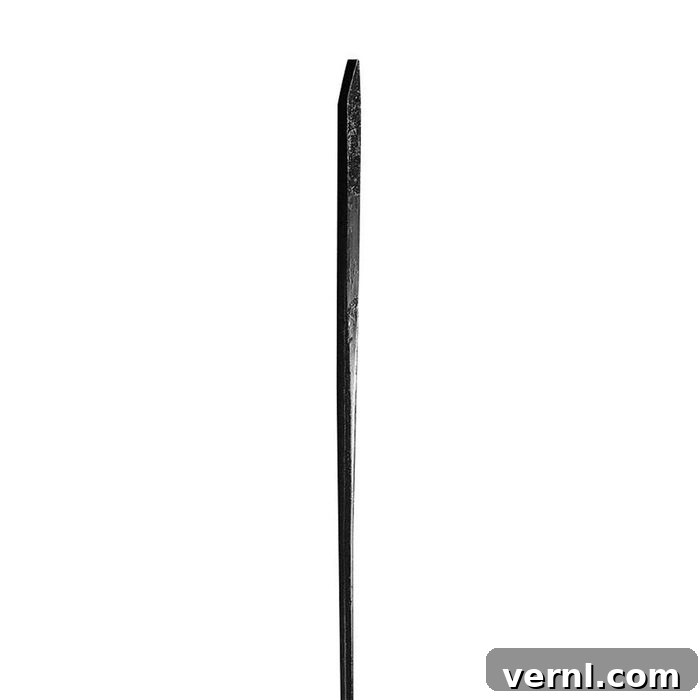
The pinch point bar, often referred to simply as a pry bar or crowbar (though a digging bar is generally heavier and longer than a typical crowbar), is characterized by its tapered, wedge-shaped tip. This design is engineered to create focused pressure, making it exceptionally effective for prying and levering. It excels at getting underneath stubborn objects and exerting significant upward force.
- Design & Function: The tip narrows to a sharp edge, allowing it to easily penetrate tight spaces and act as a fulcrum. The opposite end is often flattened or has a chisel point for additional utility.
- Primary Uses: Ideal for dislodging large rocks, pulling up old concrete slabs, removing stubborn roots, or separating planks of wood. Its prying action is unmatched when dealing with deeply embedded or heavy objects. It’s also excellent for breaking up frozen soil or asphalt.
For those looking to acquire a high-quality tool, consider options like the True Temper 1162500 Pinch Point Crowbar.
Post-Hole Digger (Specialized Tool for Post Holes)
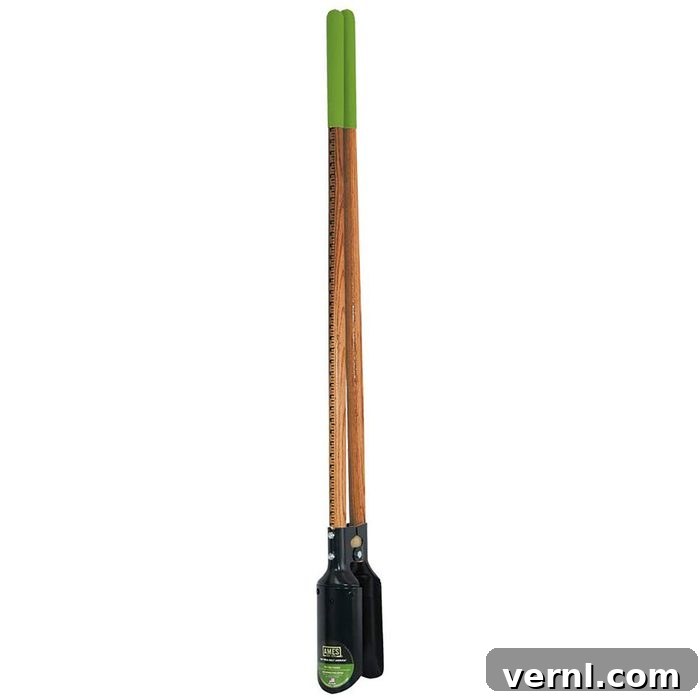
While technically a distinct tool and not a ‘bar’ in the same sense as the others, the traditional post-hole digger is an invaluable companion to digging bars when creating deep, narrow holes for posts and footings. This scissor-action tool is designed specifically for efficiently excavating cylindrical holes once the initial ground has been broken or loosened by a digging bar.
- Design & Function: It features two hinged shovel-like blades that are driven into the ground, then closed to scoop and lift loose dirt out of the hole. This design is perfect for maintaining a narrow hole profile.
- Primary Uses: Predominantly used for digging fence post holes, deck footings, mailbox posts, or any application requiring a deep, consistent diameter hole. A digging bar is often used first to break through any tough topsoil or rocky layers, then the post-hole digger takes over to remove the loosened material.
To enhance your post-hole digging efficiency, you might consider tools such as the AMES 2701600 Post Hole Digger.
San Angelo Bar / Diamond Point Bar
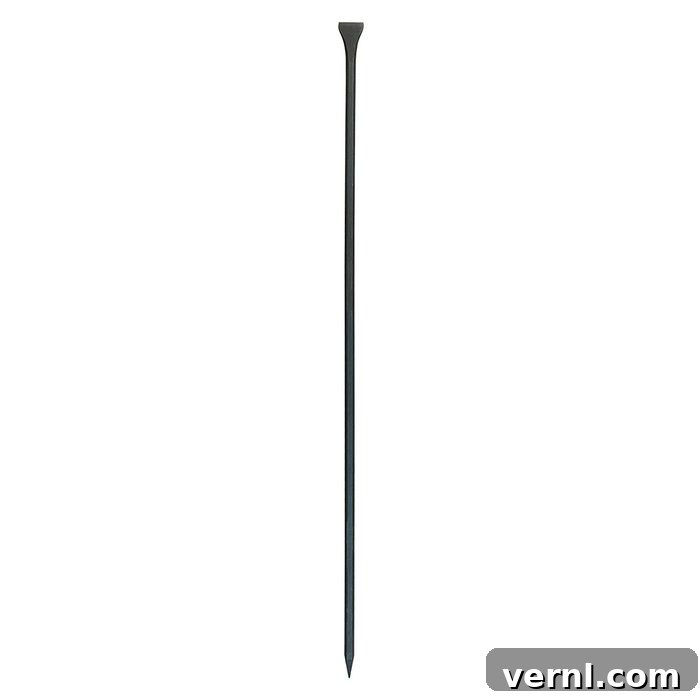
The San Angelo bar, also known as a diamond point bar, is the heavyweight champion of digging bars. It’s instantly recognizable by its robust construction and distinct diamond-shaped, pointed tip on one end, often paired with a chisel or tamper head on the other. This bar is built for serious demolition and penetration.
- Design & Function: The diamond point concentrates all the force of a swing onto a very small area, allowing it to pierce through extremely tough materials. Its substantial weight provides significant striking power.
- Primary Uses: Exceptional for breaking through heavily compacted clay, asphalt, concrete, frozen ground, and large, stubborn roots. It’s the go-to tool for initial ground breaking in challenging environments where other bars might struggle.
For maximum impact and durability, explore options like the True Temper 30664 Diamond Point San Angelo Bar.
Tamper Bar / Digging & Tamping Bar
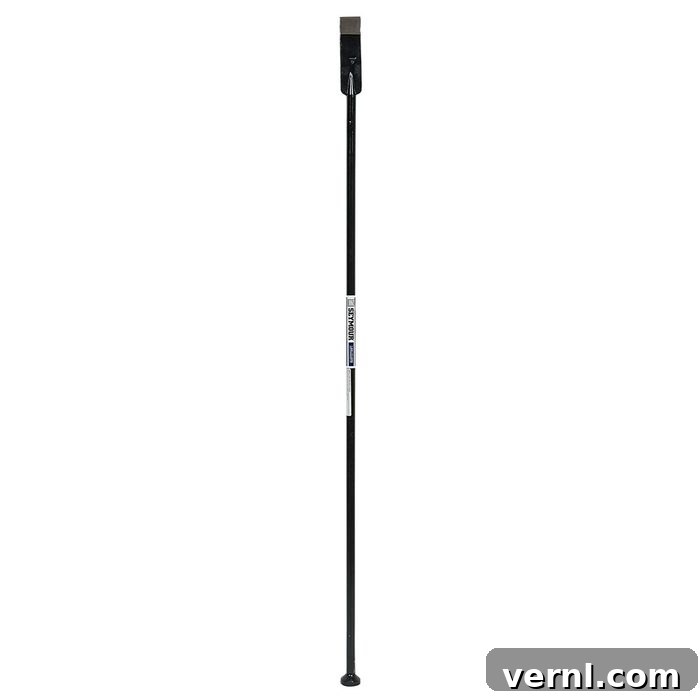
The tamper bar is a dual-purpose tool, ingeniously designed to both dig and compact soil. One end typically features a chisel or pointed tip for breaking ground, while the other end is equipped with a broad, flat tamping plate. This combination makes it incredibly efficient for tasks involving setting posts or creating level bases.
- Design & Function: The pointed end allows for breaking and prying, similar to other digging bars. The large, flat tamping plate, however, is its distinguishing feature, perfect for compacting soil around newly installed posts or for leveling small areas.
- Primary Uses: Most commonly used in conjunction with post-hole digging. After digging a hole and setting a post, the tamper end is used to compact the backfill soil around the post, ensuring stability and preventing settling. It’s also useful for leveling small patches of ground for stepping stones or small foundations.
Consider a versatile tool like the Seymour DG-19 Digger Tamper Bar for your projects.
Choosing the Right Digging Bar for Your Project
With several types available, selecting the ideal digging bar depends entirely on the nature of your task and the conditions of your work site. For general-purpose prying and breaking through moderately tough soil, a pinch point bar is an excellent all-rounder. If you’re encountering extremely hard ground, frozen earth, or require significant demolition power for roots and concrete, the San Angelo bar is your best bet.
When installing fence posts or similar structures, a tamper bar offers the invaluable dual function of breaking ground and compacting soil, streamlining your process. While not a bar itself, a traditional post-hole digger is an indispensable partner for creating clean, uniform holes once a digging bar has done the initial heavy lifting. Always assess the material you’ll be working with and the specific action required before making your selection.
How to Use a Digging Bar Effectively and Safely
Digging bars, regardless of their specific type, are powerful tools that demand proper technique and a strong emphasis on safety. Mastering their use can significantly improve your efficiency and reduce the risk of injury.
Effective Techniques:
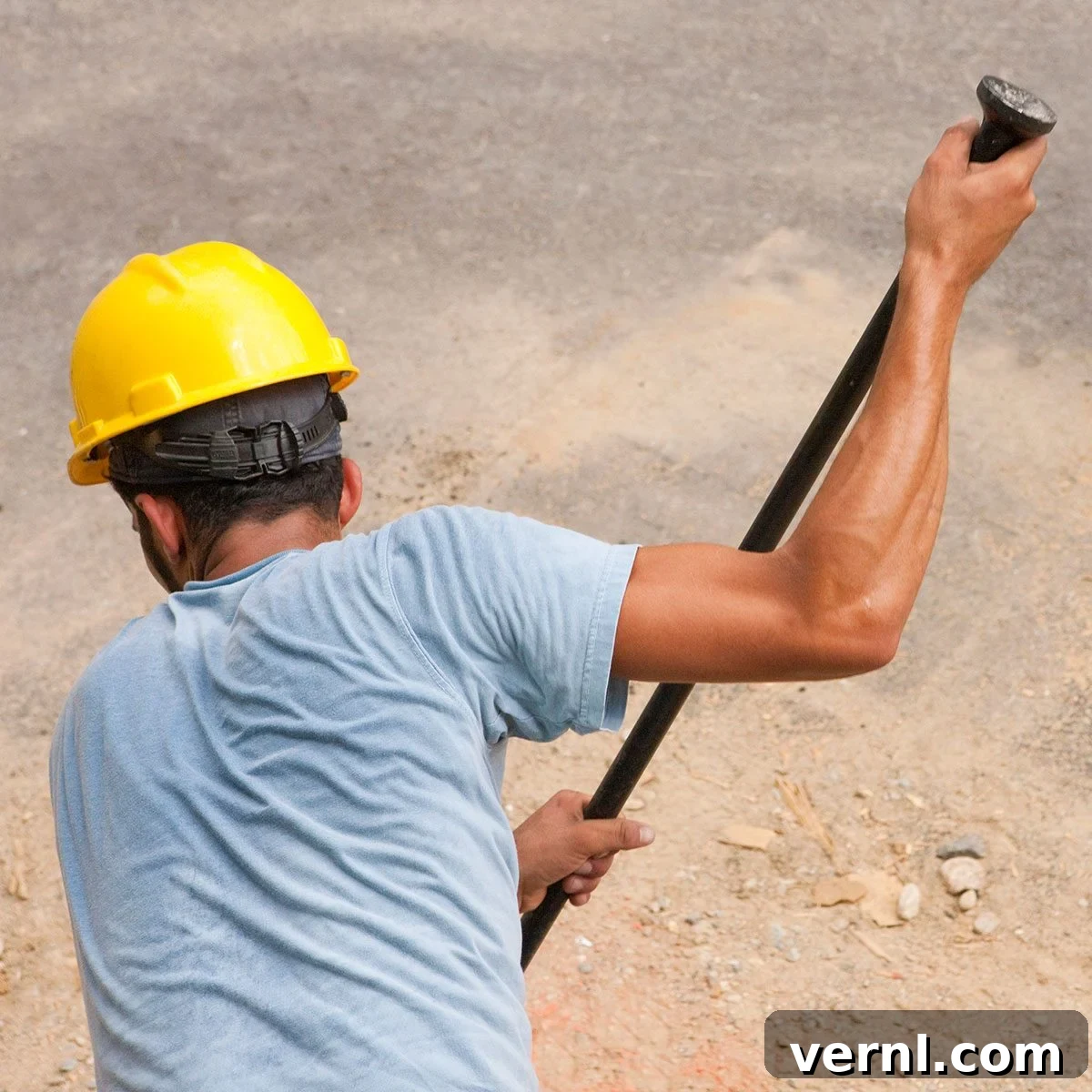
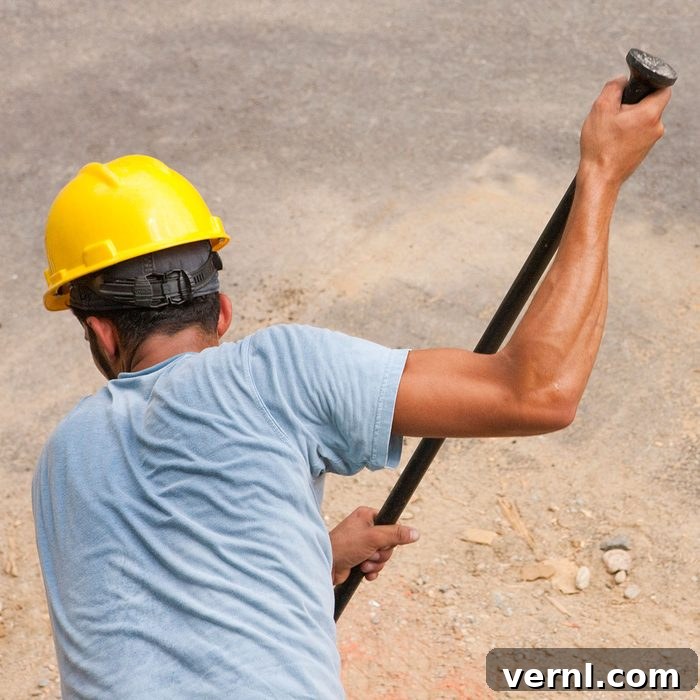
- For Breaking Ground: Hold the bar vertically and let its weight do most of the work. Lift the bar and drive the pointed or wedge end into the ground with controlled force. Repeat this motion to loosen and break up compacted soil, clay, or ice.
- For Prying and Levering: Insert the wedge or pointed end under the object you wish to move. Use the bar’s length as a lever, applying downward pressure on the free end to lift the object. Ensure you have a stable stance and good footing.
- For Starting Holes: For precise holes, mark your desired spot. Use the bar to repeatedly strike and twist into the ground, creating an initial pilot hole. Once the ground is loosened, you can switch to a shovel or a post-hole digger for deeper excavation.
- For Root Cutting: A sharp, chisel-ended digging bar or a pinch point bar can be driven down onto stubborn roots to sever them. Ensure a clear swing path and maintain control.
Essential Safety Precautions:
- Wear Protective Gear: Always wear heavy-duty work gloves to protect your hands from blisters and scrapes. Safety glasses are crucial to shield your eyes from flying debris, especially when breaking up concrete or rocks. Steel-toed boots can prevent foot injuries from accidental drops.
- Maintain a Stable Stance: Always keep a balanced posture with your feet shoulder-width apart. This provides stability and helps prevent falls or strains, especially when applying leverage.
- Mind Your Back: The heavy nature of digging bars means improper lifting or prying can lead to back injuries. Use your legs, not your back, when lifting or moving the bar. When prying, squat down and use your body weight for leverage rather than straining your back.
- Clear Your Work Area: Ensure no one is in the immediate vicinity of your swing path, and clear the area of any tripping hazards or unstable objects.
- Know Your Limits: Digging with a bar can be physically demanding. Take frequent breaks and avoid overexertion. If a task feels too difficult, consider using a different tool or seeking assistance.
Remember that a digging bar is a complementary tool, not a complete replacement for a traditional shovel or spade. They work best in tandem: the bar breaks the tough ground, and the shovel or post-hole digger removes the loosened material. Keeping this synergy in mind will allow you to tackle a wide range of outdoor tasks, from removing a stubborn tree stump to setting a sturdy fence or breaking up ice chunks on your driveway, with greater ease and efficiency.
Maintenance and Care for Your Digging Bar
To ensure your digging bar remains a reliable tool for years to come, basic maintenance is essential. After each use, clean off any dirt, mud, or debris. If the bar gets wet, dry it thoroughly to prevent rust. Applying a light coat of oil or rust preventative to the metal shaft and tips, especially during long-term storage, will extend its lifespan significantly. Store your digging bar in a dry place, either hanging it or leaning it securely to prevent it from falling and causing injury or damage.
Conclusion: Empowering Your Outdoor Projects with the Right Digging Bar
The digging bar, in its various forms, stands as a testament to simple yet effective engineering. It is an indispensable tool for anyone who frequently encounters challenging ground conditions, requiring leverage, penetration, or sheer breaking power. From the precise prying of a pinch point bar to the raw demolition force of a San Angelo bar and the dual utility of a tamper bar, each type offers unique advantages that streamline tough excavation tasks.
By understanding the different types of digging bars, their specific applications, and adhering to crucial safety guidelines, you can significantly enhance your efficiency and safety on any outdoor project. So, the next time you face compacted soil, embedded rocks, or stubborn roots, equip yourself with the right digging bar – your ultimate partner in breaking ground and making light work of heavy tasks.