
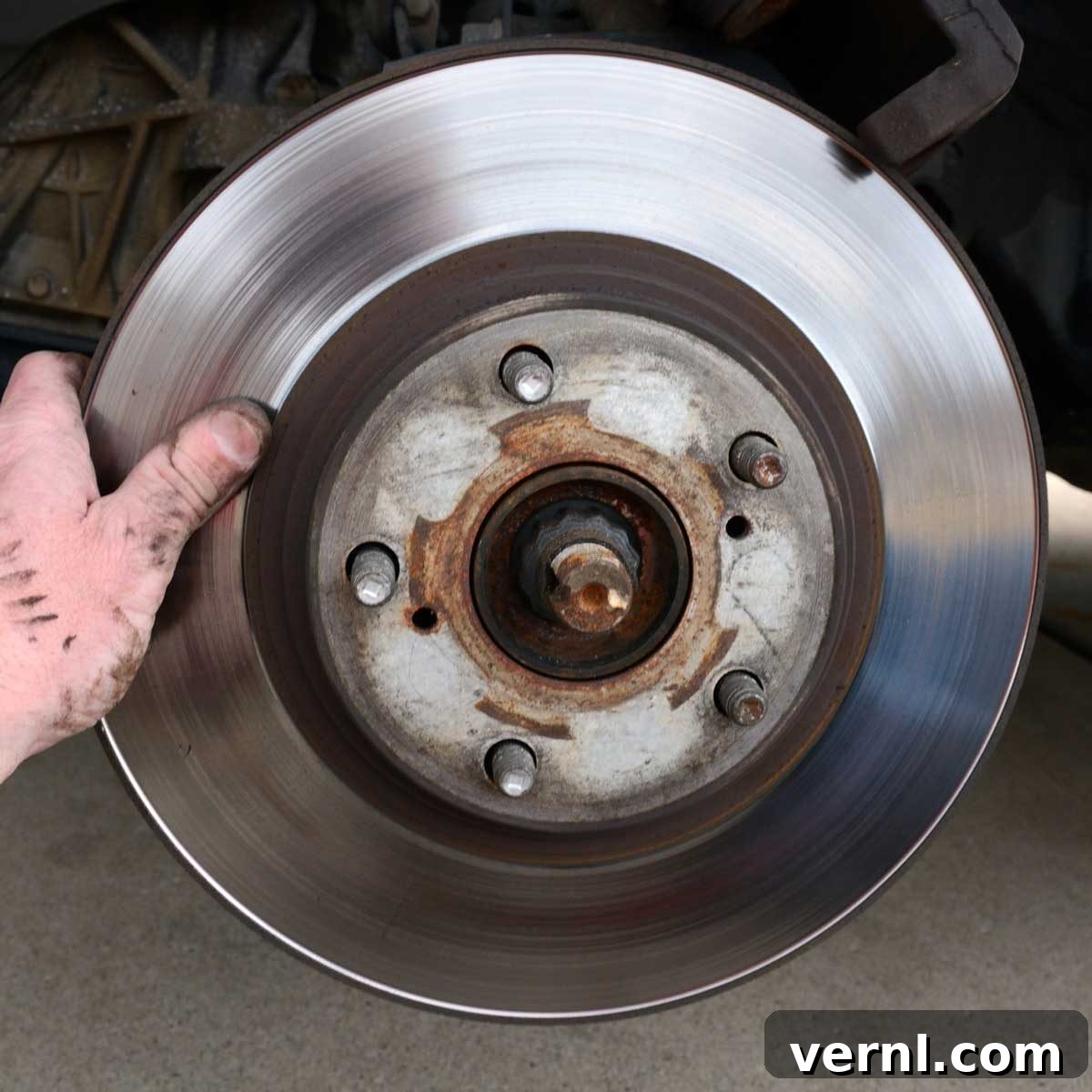
Vehicle owners understand that compromising on safety is never an option, and the braking system stands as the paramount component in ensuring that safety. Among its critical parts, disc brake rotors, often simply called discs, play an indispensable role. These vital components are engineered to endure immense stress, primarily generating significant heat to effectively bring your car to a halt. As they perform their duty, rotors are subjected to wear and tear, and several tell-tale signs can signal that they require attention. Indicators such as an unusual accumulation of dust on the wheels, a noticeable increase in the distance required to stop your vehicle, or strange noises and vibrations when braking can be clear warnings of potential rotor issues like warping, cracking, glazing, or scoring. Recognizing these symptoms promptly is crucial, and it’s often advisable to consider replacing them when such problems manifest to maintain optimal vehicle safety and performance.
What Are Brake Rotors and Why Are They Essential?
At the heart of your vehicle’s disc braking system are brake rotors. These are robust, circular, two-sided machined discs meticulously engineered and mechanically connected directly to the wheels. Their fundamental purpose is ingenious: they are designed to convert the kinetic energy of your moving vehicle into thermal energy, or heat, through the principle of friction. This conversion is what allows your car to slow down and eventually stop.
Typically constructed from durable cast iron, and sometimes from more advanced composite materials for performance vehicles, rotors are built to withstand incredible temperatures and forces. However, despite their robust design, rotors are not impervious to wear. Over time, the constant friction generated during braking, the natural wear-and-tear of disc pads rubbing against their surface, and environmental factors all contribute to their degradation. External elements such as mud, grime, and especially road salt, particularly in colder climates, can accelerate the formation of rust and corrosion, further diminishing a rotor’s effectiveness and lifespan. Understanding the critical function of these components underscores why their proper maintenance and timely replacement are non-negotiable for safe driving.
How Do Brake Rotors Function to Stop Your Vehicle?
The process by which brake rotors bring your vehicle to a stop is a marvel of engineering. When you press the brake pedal, a hydraulic system activates, causing the brake calipers to engage. These calipers act like powerful clamps, squeezing and pressing the brake pads down firmly onto the rotating disc rotors. As the brake pads make contact, the immense friction generated between the pad and the rotor surface initiates the braking action.
This friction is not merely a resistive force; it’s a process of energy transformation. The kinetic energy of the moving vehicle is rapidly converted into heat energy. This heat friction effectively slows down the rotation of the rotor and, consequently, the wheel to which it’s attached, ultimately bringing the entire car to a controlled stop.
A crucial aspect of rotor design is their ability to absorb the intense heat generated during braking and then dissipate it efficiently while the vehicle is in motion. However, despite these heat-dissipation capabilities, heat remains the primary culprit behind rotor wear and common issues. Excessive heat can lead to a condition known as glazing. This occurs when rotors are overheated to such an extreme that the metal surface hardens, transforming into a smooth, shiny, and glass-like finish. A glazed rotor significantly reduces its ability to create the necessary friction when the brake pads clamp onto it, severely compromising stopping power and safety. Beyond glazing, persistent overheating can also cause rotors to warp, crack, or develop deep scores, all of which necessitate immediate attention and often replacement.
What Factors Influence Brake Rotor Lifespan?
The lifespan of brake rotors can vary significantly, typically ranging from 30,000 to 70,000 miles or even longer under ideal circumstances. However, this is merely an estimate, as numerous factors intricately influence how long your rotors will last. Understanding these variables can help vehicle owners anticipate maintenance needs and extend the life of their braking system components.
Firstly, the type and design of the rotor play a crucial role. Solid rotors, often found on rear axles or lighter vehicles, may wear differently than vented, drilled, or slotted rotors, which are designed for enhanced cooling and performance. Secondly, your driving habits are paramount. Aggressive driving, characterized by frequent hard braking, rapid accelerations, and last-minute stops, generates excessive heat and places immense stress on the rotors, significantly accelerating their wear. Conversely, city driving, with its stop-and-go nature, tends to wear rotors faster than consistent highway driving where brakes are applied less frequently.
The type of vehicle itself also contributes. Heavier vehicles, such as SUVs and trucks, inherently require more braking force to stop, leading to increased heat generation and rotor wear compared to lighter sedans. Even seemingly minor habits, like “riding the brakes” (where the left foot barely rests on the brake pedal, causing slight, continuous friction), can generate unnecessary heat and premature wear.
Environmental conditions are another significant factor. Living in areas with high humidity or where road salt is frequently used during winter can accelerate corrosion and rust formation on rotors, even when the vehicle is parked. This surface rust, if not worn off during driving, can contribute to uneven pad wear and compromise braking efficiency.
Furthermore, underlying mechanical problems can drastically reduce rotor life. Issues such as binding brake calipers, which fail to release properly and continuously drag the brake pads against the rotor, cause constant friction and heat. A bad wheel bearing can lead to excessive runout or wobbling of the rotor, resulting in uneven wear and vibrations. The type of brake pads used also matters; semi-metallic pads, while offering good stopping power, can be more abrasive on rotors compared to ceramic pads.
Lastly, a often-overlooked but significant cause of rotor warping is improper lug nut tightening. Using an impact wrench without a torque stick or not tightening lug nuts to the manufacturer’s specified torque in a star pattern can lead to uneven pressure across the wheel hub and rotor mounting surface. This uneven clamping force can physically distort the rotor, causing it to warp and manifest as pulsation through the brake pedal. Therefore, ensuring correct installation and torque specifications for lug nuts is vital for rotor integrity and overall brake performance.
Resurface or Replace: Making the Right Decision for Your Rotors
When facing brake rotor issues, one of the most common dilemmas is whether to resurface the existing rotors or opt for complete replacement. The decision hinges on several critical factors, primarily concerning the rotor’s condition and the manufacturer’s specifications.
Rotors can only be successfully resurfaced if their friction surface is free from severe imperfections. This means no significant cracks, extreme warping that’s beyond the lathe’s correction, deep rust pitting, heavy scoring, or excessive grooves. The resurfacing process, performed by a specialized brake lathe, shaves a thin layer of metal from the rotor surface to restore flatness and smoothness. However, a paramount rule is to never machine a rotor past the manufacturer’s minimum thickness refinish specifications. Every rotor has a specific minimum thickness limit stamped on its edge, indicating the thinnest it can safely be.
Machining a rotor beyond this minimum thickness is a critical safety hazard. A rotor that is too thin cannot effectively disperse the immense heat generated during braking. This leads to several dangerous consequences: increased stopping distance due to reduced thermal mass, a higher risk of brake fade (where brakes lose effectiveness under heat), and, most critically, a heightened risk of disc failure due to cracking or complete structural breakdown under stress.
In modern vehicles, there’s a growing trend towards thinner, lighter rotors designed to reduce unsprung weight and improve fuel efficiency. These rotors often come with minimal surplus material for machining, making resurfacing less viable or even impossible without going below the minimum thickness. In such cases, or whenever significant damage is present, replacing both front (or rear) rotors is the recommended course of action. Replacing rotors in pairs on an axle ensures balanced braking performance, preventing issues like brake pulling to one side, uneven wear on new pads, and premature failure.
When replacing rotors, meticulous attention to detail during installation is vital. Always ensure that the rotor and wheel bearing mating surfaces are thoroughly cleaned. Any dirt, rust buildup, or debris between these surfaces can prevent the rotor from sitting perfectly flush, leading to uneven contact, immediate warping, or vibrations that manifest as pulsations through the brake pedal. Using a wire brush and brake cleaner to meticulously clean the hub before mounting the new rotor is a crucial step that prevents future problems and ensures proper brake function and longevity.
Essential Brake Rotor Maintenance for Longevity and Safety
Proactive maintenance of your brake rotors is key to ensuring their longevity, optimal performance, and, most importantly, your safety on the road. While some aspects require professional attention, there are several DIY checks and maintenance tasks that vehicle owners can perform.
Regular visual inspection is foundational. Both sides of the rotors should be carefully examined for any signs of cracks, excessive rust, or deep scoring and grooves. Hairline cracks can propagate under stress, leading to failure. Heavy surface rust, especially after a vehicle has been parked for an extended period or exposed to moisture, can temporarily reduce braking effectiveness and cause noise. Removing surface rust is often possible using a drill fitted with a wire brush attachment or an abrasive wheel, but care must be taken to only remove the superficial layer and not damage the rotor’s integrity. After cleaning, the friction surface should always be wiped down with a non-chlorinated spray brake cleaner to remove any dust, oil, or debris, ensuring a clean mating surface for the brake pads.
Beyond the rotors themselves, it’s beneficial to be knowledgeable about the entire braking system. For instance, understanding DOT 4 brake fluid is important. Brake fluid is the hydraulic medium that transmits pressure from your pedal to the calipers, and its quality and level are critical. Brake fluid should be checked regularly and replaced according to the manufacturer’s recommendations, as it can absorb moisture over time, leading to a reduced boiling point and potential brake fade.
In addition to these hands-on tasks, adopting good driving habits contributes significantly to rotor longevity. Avoiding aggressive stops, anticipating traffic flow to allow for gradual deceleration, and properly bedding in new brake pads and rotors after replacement can greatly extend their life. Bedding in involves a specific sequence of moderate stops followed by cooling periods, which helps to transfer an even layer of pad material onto the rotor surface, ensuring optimal performance and minimizing vibration.
Finally, regular professional brake inspections are highly recommended. A skilled technician can assess rotor thickness accurately, check for proper caliper function, inspect brake lines for leaks or damage, and identify any issues that might not be obvious during a DIY visual check. Combining diligent personal maintenance with professional oversight ensures that your vehicle’s braking system remains in peak condition, providing reliable stopping power and enhancing your safety on every journey. Investing time and care into your brake rotors is an investment in your peace of mind and the safety of everyone on the road.