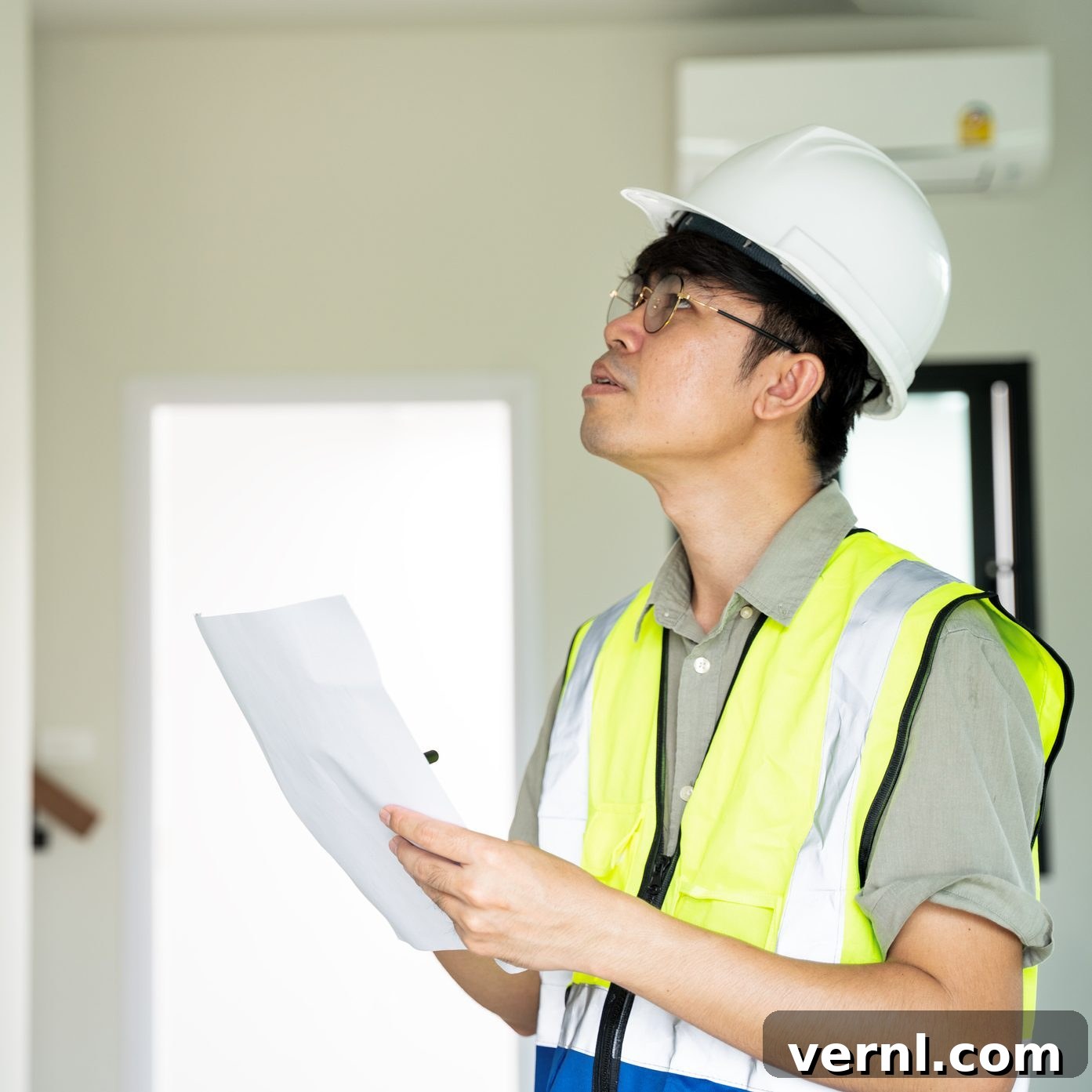
Buying a home is one of life’s most significant investments, often accompanied by a mix of excitement and apprehension. In a complex real estate market, ensuring you make a sound decision requires diligence. This is where a professional home inspection becomes invaluable, providing the crucial peace of mind that your dream home isn’t hiding costly nightmares.
As a seasoned real estate professional, I intimately understand the critical role a thorough home inspection plays. To offer a comprehensive perspective, I’ve gathered insights from industry experts: Chris Meis, a licensed home inspector and former owner of Honest Home Inspection, and Paul Tourville, a distinguished Graduate of the Realtor Institute (GRI) and an experienced real estate broker. Together, we’ll explore why a home inspection is essential, how to find the right inspector, what to expect regarding costs, and the various types of inspections available to protect your investment.
Why a Home Inspection is Crucial for Every Buyer
The overwhelming majority of home buyers stand to benefit immensely from a professional home inspection. While some highly experienced real estate investors with substantial cash reserves, licensed contractors capable of performing their own assessments, or buyers of brand-new homes still under builder warranty might consider foregoing an inspection, these are rare exceptions. For everyone else, particularly first-time homebuyers or those purchasing an older property, a home inspection is not merely a recommendation but a vital safeguard.
In today’s competitive real estate landscape, we’ve witnessed an unfortunate trend where buyers are skipping inspections to make their offers more attractive and gain an edge. This strategy, however, comes with significant risks that can far outweigh the perceived benefits of a quick closing. Paul Tourville strongly advises against this practice: “I think it’s always a good idea to get an inspection. But for a while, no one was getting them, and we saw the consequences.”
The financial implications of bypassing an inspection can be catastrophic. Imagine exhausting your entire budget on the purchase price, only to discover major structural defects, a failing HVAC system, or extensive plumbing issues shortly after moving in. Chris Meis cautions, “If you buy at the top of your game and then don’t have any money left for repairs, you end up in a really unfortunate situation.” Without an inspection, buyers could inadvertently pay a premium for a property riddled with hidden problems, leading to unexpected expenses that strain their finances and diminish the joy of homeownership. First-time homebuyers, especially, may be unaware of what warning signs to look for, making them particularly vulnerable to unforeseen issues.
A comprehensive home inspection identifies potential safety hazards, structural deficiencies, and failing systems, empowering you with critical information. This knowledge not only helps you avoid costly future repairs but also provides leverage during negotiations. It ensures you’re fully aware of the property’s true condition, enabling you to make an informed decision and budget realistically for any necessary improvements or repairs post-purchase. Ultimately, an inspection protects your investment and your peace of mind.
Finding the Right Home Inspector: A Step-by-Step Guide
Choosing a qualified and reliable home inspector is paramount to getting a thorough and accurate assessment of your potential new home. Here’s a detailed approach to finding the best professional for the job:
1. Seek Personal Recommendations
Start by tapping into your personal network. Ask family, friends, neighbors, and co-workers for their recommendations. Personal referrals often come with firsthand experiences, giving you valuable insight into an inspector’s professionalism, thoroughness, and communication style. Your real estate agent, lawyer, or mortgage broker can also be excellent sources of referrals, as they frequently work with inspectors and can recommend those with a proven track record. “We’ll have a list of suggestions, maybe three of them,” Tourville notes. “People we’ve had good experiences with that buyers can look up and research.”
2. Utilize Online Resources and Reviews
In today’s digital age, online platforms are invaluable for finding local professionals. Chris Meis suggests, “Google Maps is a great tool to find local inspectors in your area. You can look at their website, read reviews and check out some of their sample reports to see if it’s comprehensive.”
To conduct an effective online search:
- Keyword Search: Type “home inspection” along with the specific zip code or city where you’re buying. This will generate a list of local inspectors.
- Review Analysis: Pay close attention to customer reviews. Look for inspectors with a substantial number of reviews, indicating consistent service. Prioritize reviews that offer specific details about the inspection process, the inspector’s communication, and the clarity of their reports. “Good inspectors should have a lot of good reviews,” Meis emphasizes.
- Professional Associations: Check for membership in reputable organizations like the American Society of Home Inspectors (ASHI) or InterNACHI (International Association of Certified Home Inspectors). These associations often require members to adhere to strict standards of practice and continuing education.
3. Interview Prospective Inspectors
Once you have a shortlist, take the time to interview a few candidates. This is your opportunity to assess their expertise, communication skills, and suitability for your specific needs. Consider asking the following questions:
- Experience and Qualifications: How long have they been inspecting homes? What certifications do they hold? Are they licensed and insured in your state (if applicable)?
- Scope of Inspection: What areas and systems do they cover? Do they adhere to specific industry standards (e.g., ASHI Standards of Practice)?
- Reporting Style: Can they provide a sample report? Look for reports that are clear, easy to understand, comprehensive, and include photos and actionable recommendations.
- Availability and Timeline: How quickly can they perform the inspection? When can you expect the final report?
- Post-Inspection Support: Do they offer follow-up consultations or answer questions after you receive the report?
- Equipment: What kind of tools and technology do they use (e.g., thermal cameras, moisture meters, drone for roof inspection)?
A good home inspector should be transparent, willing to answer all your questions, and demonstrate a commitment to educating you about the property’s condition. Remember, this is a critical step in your home-buying journey, so choose wisely.
Understanding Home Inspection Costs: An Investment in Your Future
The cost of a home inspection is a small investment that can save you thousands, if not tens of thousands, of dollars in potential repairs down the line. Nationally, the average cost for a standard single-family home inspection hovers around $400, typically ranging from $300 to $500. However, this figure can fluctuate considerably based on several key factors:
Factors Influencing Inspection Costs:
- Home Size: This is often the primary determinant. “A lot of inspectors charge based on square footage,” Meis explains. Larger homes naturally require more time and effort to inspect thoroughly. For instance, his company charges $450 for a standard inspection of a 1,500-sq.-ft. property, with an additional $50 for every 500 square feet thereafter.
- Home Age: Older homes often present more complex systems, potential deferred maintenance issues, and outdated infrastructure, which can increase inspection time and cost.
- Property Complexity: Luxury homes or properties with unique features, multiple HVAC systems, several electrical panels, high-end appliances, or premium amenities like pools, saunas, and elaborate landscaping require specialized knowledge and extended inspection periods. These complex inspections can easily cost $1,000 to $1,500 or more. Outbuildings, detached garages, or guest houses will also add to the overall fee.
- Geographic Location: Inspection costs vary significantly by region. While you might pay a bit less in the Southern and Central United States, prices tend to be higher on the East and West Coasts. For example, Mississippi prices range from $250 to $600, whereas California inspections typically cost $500 to $700. Major metropolitan areas such as New York, Chicago, and Los Angeles also command higher rates, often between $600 and $800 for a 1,500-sq.-ft. home.
- Inspector Experience and Reputation: The level of expertise and reputation of your inspector can also influence the price. “I find the more experienced inspectors and chain companies tend to charge a little bit more,” Meis observes. “Newer inspectors tend to undercharge.” While a lower price might be tempting, an experienced inspector often brings a sharper eye, more comprehensive knowledge, and advanced equipment, making their service a better long-term value.
Consider the inspection fee as a vital component of your home-buying budget, akin to closing costs or appraisal fees. It’s a modest expenditure that yields significant returns in terms of risk mitigation and informed decision-making. Paying a few hundred dollars now could save you thousands in unexpected repairs later, making it one of the smartest investments you’ll make during the home-buying process.
Navigating the Different Types of Home Inspections
Not all home inspections are created equal. Depending on the stage of your home purchase, market conditions, and specific concerns, various types of inspections are available to meet your needs. Understanding these options will help you choose the right level of scrutiny for your prospective property.
Standard Home Inspection
The standard home inspection is the most common type, typically performed after a seller accepts a buyer’s offer but before both parties sign the formal purchase and sale agreement. This is a crucial “visual inspection” of the home’s major structural elements and systems, both inside and out. It covers key components such as the foundation, roof, attic, exterior siding, windows, doors, visible plumbing, electrical systems, HVAC units, interior walls, ceilings, and floors. The primary goal is to educate the home buyer about any major or minor repairs needed, identify safety hazards, and provide a comprehensive overview of the property’s general condition. While thorough, it’s important to remember that a standard inspection is non-invasive and does not involve destructive testing or examining areas that are inaccessible or hidden.
Pre-Offer Inspection (Walk-Through Inspection)
In highly competitive markets, some buyers opt for a pre-offer inspection. This involves hiring an inspector to assess the home’s major systems and structural elements during an open house or a brief, pre-arranged visit before submitting an offer. The report from a pre-offer inspection is typically less detailed and comprehensive than a standard report due to time constraints and limited access. However, it can provide crucial insights into significant issues, giving buyers an edge by submitting a more confident offer, sometimes even waiving a full inspection contingency. While less thorough, these inspections can cost 20% to 25% less than a standard inspection and help buyers make a more informed decision in a fast-paced market.
Post-Sale Inspection
A post-sale inspection is conducted after the closing of the property. Buyers might choose this option if they skipped a pre-purchase inspection in a competitive market or if new concerns arise after moving in. While it doesn’t offer negotiation leverage, it still serves a valuable purpose: to identify any potential issues so the new homeowner can budget and plan for repairs. “Whatever’s found is yours to own, but at least you can make a plan and won’t be surprised by it later,” Meis explains. The cost for a post-sale inspection is typically the same as a full, standard inspection.
Standard Inspection Add-Ons and Specialized Inspections
Beyond the standard inspection, a variety of specialized inspections or add-ons can be crucial depending on the home’s location, age, and specific characteristics. These extra inspections often come with an additional cost, usually ranging from $100 to $300 each, but they address specific risks that a standard inspection might not cover in detail:
- Wood-Boring Insects: This inspection specifically targets the presence of termites, carpenter ants, powderpost beetles, and other insects that can cause significant structural damage to homes. Early detection can prevent costly repairs.
- Radon Testing: Radon is a naturally occurring radioactive gas that can seep into homes and poses serious health risks, particularly lung cancer. This inspection determines the presence and concentration of radon gas and assesses the indoor air quality, especially recommended in areas with high radon levels.
- Thermal Imaging: Utilizing advanced infrared technology, thermal imaging checks for hidden air leaks, missing insulation, moisture intrusion behind walls, and electrical hotspots. It helps identify energy inefficiencies and potential water damage that isn’t visible to the naked eye.
- Mold Testing: This inspection determines the presence of unseen mold behind walls, under floor coverings, or in attic spaces. Mold can cause health issues and structural damage, making detection vital, especially in homes with a history of water leaks or high humidity.
- Water Quality Testing: Often crucial for homes with private wells, this inspection checks the water for contaminants such as lead, coliform bacteria, nitrates, pesticides, and other harmful substances, ensuring the water is safe for consumption.
- Lead Paint Testing: Essential for older homes (built before 1978), this test detects the presence of lead-based paint on interior and exterior surfaces. Lead paint is a health hazard, particularly for children, and its presence can require specific remediation strategies.
- Sewer Line Inspection: A camera is inserted into the main sewer line to assess its condition, identifying blockages, tree root intrusions, cracks, bellied pipes, or collapsed sections. This can prevent major plumbing disasters and expensive excavation work.
- Septic System Inspection: For homes not connected to a municipal sewer system, a specialized septic inspection evaluates the condition and functionality of the tank, drain field, and associated components.
- Well Inspection: Beyond water quality, a well inspection assesses the structural integrity of the well casing, pump, pressure tank, and overall system performance.
- Asbestos Testing: If a home contains materials suspected of containing asbestos (common in homes built before the 1980s), testing can confirm its presence and help determine appropriate management strategies.
By understanding the array of inspection options available, you can tailor your approach to the specific property you are considering, ensuring maximum protection and confidence in your home-buying decision.
About the Experts
Chris Meis is a recently retired licensed home inspector and former owner of Honest Home Inspection in Minnesota. His expertise and dedication earned him the 2021 Bronze Winner Minnesota’s Best: Home Inspector award.
Paul Tourville is a licensed broker with Canon Real Estate in Massachusetts. With an impressive career spanning since 1977, Paul brings decades of invaluable experience to the real estate industry.