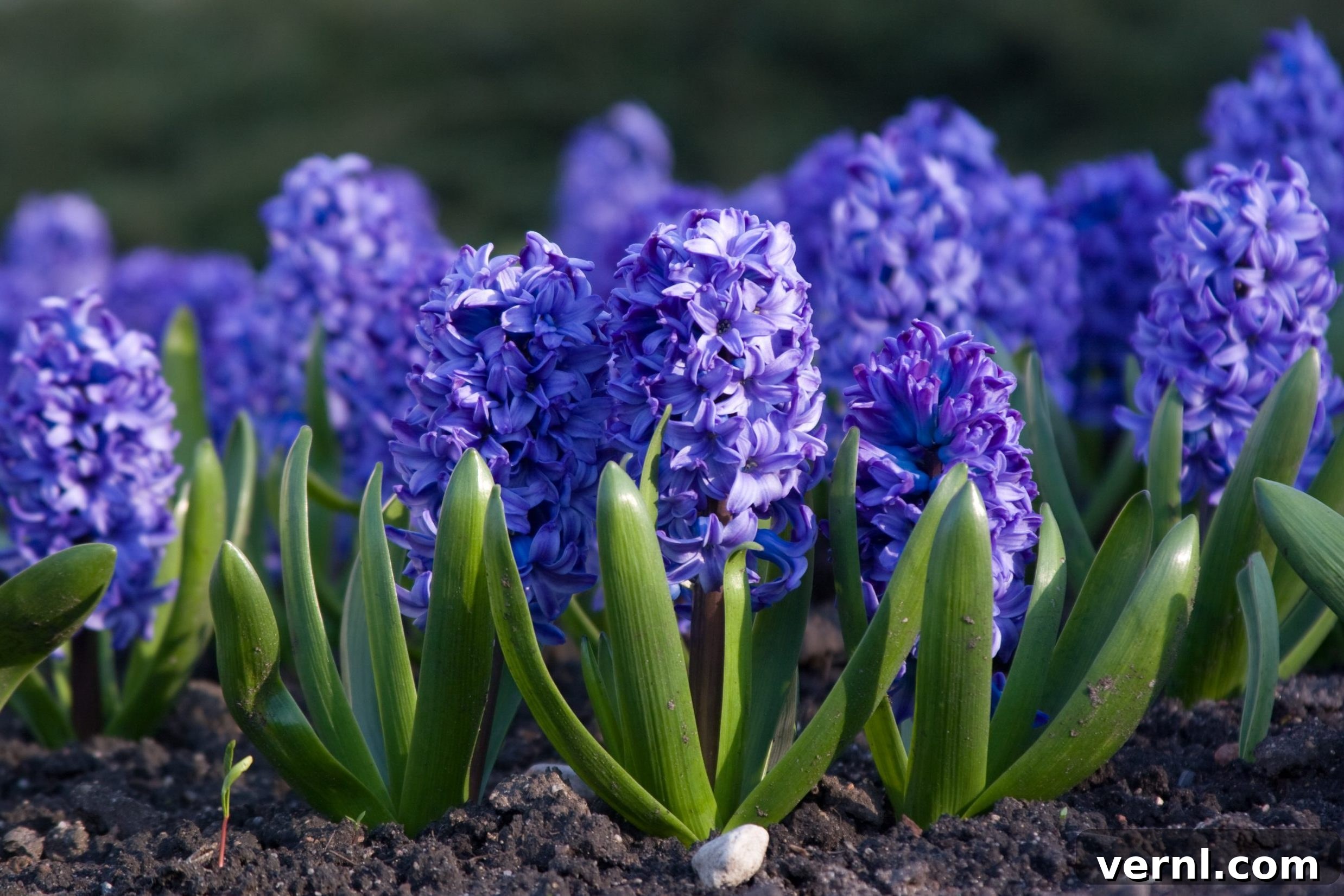
Every autumn, I eagerly embrace the cherished tradition of selecting and planting hyacinth bulbs, anticipating their vibrant transformation into fragrant blossoms by mid-January. It’s a truly rewarding experience to witness hyacinths blooming indoors, bringing a much-needed splash of color and intoxicating scent to the heart of winter, all with remarkably little effort. Beyond my indoor forcing projects, these enchanting flowers also flourish beautifully in my outdoor garden, heralding the arrival of spring with their cheerful display.
If the prospect of cultivating these delightful and aromatic blooms appeals to you, then you’ve come to the right place. This comprehensive guide will walk you through everything you need to know about planting hyacinth bulbs, offering expert seasonal care tips, innovative propagation techniques, and much more, ensuring your garden and home are filled with the unparalleled beauty and fragrance of hyacinths.
What Are Hyacinths?
Hyacinths, scientifically known as Hyacinthus orientalis, are among the most beloved spring-flowering bulbs, renowned for their strikingly dense clusters of highly fragrant flowers. These resilient perennials emerge from true bulbs, offering a spectacular show year after year when given the right conditions. Originating from the eastern Mediterranean region, particularly Turkey and Syria, these captivating flowers have been cultivated for centuries, cherished by gardeners for their exquisite beauty and powerful, sweet perfume.
- Common Name: Hyacinth, Dutch Hyacinth
- Botanical Name: Hyacinthus orientalis
- Family: Asparagaceae
- Plant Type: Perennial bulb
- Mature Size: Typically reaches 8 to 12 inches (20-30 cm) in height, with an equal spread, forming a compact, upright habit.
- Bloom Time: Mid-Spring, generally from early to late April, depending on climate and specific variety. Indoor forced hyacinths can bloom as early as January.
- Colors: Available in an astonishing array of colors, including vibrant blues, delicate pinks, pure whites, deep purples, fiery reds, and soft yellows, offering endless possibilities for garden design.
- Plant Hardiness Zones: Thrive in USDA Plant Hardiness Zones 4 through 8, demonstrating excellent cold tolerance.
- Toxicity: It’s important to note that all parts of the hyacinth plant, especially the bulbs, are considered toxic if ingested by humans or pets. Skin irritation can occur in sensitive individuals when handling the bulbs, so it is always advisable to wear gloves during planting and other care activities.
Why Grow Hyacinths in Your Garden? Unlocking Their Full Potential
Beyond their undeniable beauty, hyacinths offer a multitude of compelling advantages that make them an indispensable addition to any garden. These delightful spring-blooming bulbs are far more than just pretty faces; they bring practical benefits that savvy gardeners truly appreciate, transforming outdoor spaces with minimal fuss.
One of their most appealing attributes is their low maintenance requirement. Once established in appropriate conditions – well-drained soil and adequate sunlight – hyacinths are remarkably self-sufficient. They require little ongoing care, allowing you to enjoy their stunning display without constant intervention. This makes them a perfect choice for both novice gardeners and seasoned enthusiasts seeking high-impact, low-effort blooms.
For those plagued by common garden visitors, hyacinths offer a natural deterrent. Deer and rabbits, notorious for munching on garden favorites, typically steer clear of hyacinths. This inherent resistance makes them an ideal choice for gardens in areas where wildlife browsing is a persistent challenge, ensuring your beautiful blooms remain untouched.
However, perhaps the most enchanting feature of hyacinths is their unparalleled fragrance. Their sweet, pervasive aroma is truly one of nature’s finest perfumes. Strategically planting hyacinths along garden paths, near patios, or close to home entrances can create an immersive sensory experience, greeting you with their delightful scent each time you pass by. Imagine the refreshing fragrance wafting through an open window on a crisp spring morning – it’s an experience that defines the season.
These versatile bulbs also serve as magnificent early-season contributors to your garden’s aesthetic. They provide vibrant splashes of color and structural interest precisely when many other plants are still dormant or just beginning to stir. Hyacinths excel in spring garden beds, where they can be mass-planted for a breathtaking carpet of color, or integrated into mixed container displays alongside other spring annuals and perennials. For maximum visual impact and a truly welcoming curb appeal, consider incorporating hyacinths into thoughtfully designed front-yard flower beds, creating a memorable entrance that captivates visitors and passersby alike.
Popular Hyacinth Varieties: A Spectrum of Colors
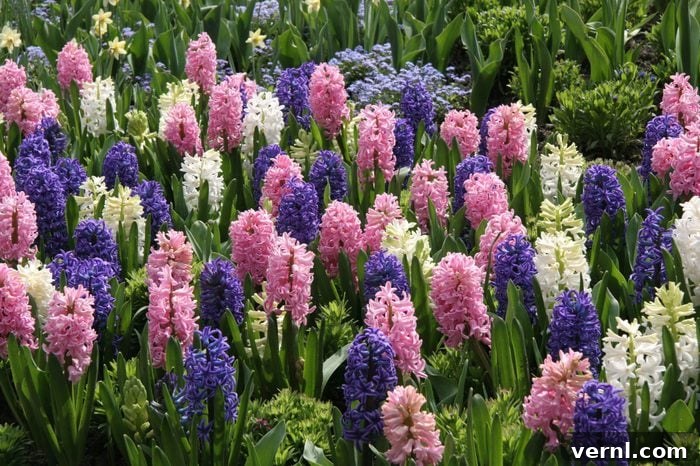
Hyacinths are available in a stunning palette of colors, allowing gardeners to select varieties that perfectly complement their desired aesthetic. From serene blues to passionate reds, there’s a hyacinth for every garden scheme. Here are some popular varieties:
- Royal Navy: This striking variety boasts incredibly deep, almost indigo-blue flowers, often featuring unique double florets that give the bloom a fuller, more luxurious appearance. Its intense color provides a dramatic contrast in any spring arrangement.
- Pearly White: As its name suggests, ‘Pearly White’ offers pristine, pure white flowers. These classic blooms bring an elegant and fresh look to the garden, reflecting light beautifully and standing out against darker foliage or blooms.
- Pink Pearl: A vibrant choice, ‘Pink Pearl’ produces rich, dark pink flowers that are truly eye-catching. The robust color holds well throughout the bloom period, making it a favorite for adding a cheerful pop to beds and containers.
- Yellowstone: For those seeking a softer hue, ‘Yellowstone’ delivers charming pale yellow flowers. These gentle blooms evoke a sense of calm and sunshine, perfect for creating a delicate spring landscape or pairing with other pastel shades.
- Delft Blue: Perhaps one of the most iconic hyacinth varieties, ‘Delft Blue’ is celebrated for its exquisite light blue flowers. The color is reminiscent of classic Dutch pottery, offering a timeless and universally appealing shade that blends seamlessly with other spring bulbs.
- Jan Bos: A truly fiery and impactful variety, ‘Jan Bos’ explodes with brilliant, intense red flowers. This bold hue is perfect for creating focal points and adding dynamic energy to your spring garden.
- Blue Jacket: Similar to ‘Delft Blue’ but often with a slightly deeper, more intense true blue color, ‘Blue Jacket’ is a reliable and popular choice for classic blue hyacinth displays.
- Gipsy Queen: An unusual and highly sought-after variety, ‘Gipsy Queen’ displays salmon-pink to apricot-orange flowers, offering a warm and unique color that stands out from more traditional hyacinth shades.
- City of Haarlem: This variety presents a lovely soft yellow color, often a bit deeper than ‘Yellowstone,’ adding a gentle warmth to the spring garden.
Step-by-Step Guide to Planting Hyacinth Bulbs for Success
Hyacinths are among the most fragrant bulb flowers, and fortunately, they are just as easy to plant as any other spring-blooming bulb, making them accessible to gardeners of all experience levels. Follow these steps to ensure a thriving display.
When to Plant Hyacinths: Timing is Key
The optimal time for planting hyacinth bulbs is in the fall, typically from September through November, or even into early December in milder climates. This coincides with the planting season for other popular spring bulbs such as tulips and daffodils. The key indicator for successful planting is soil temperature. Ideally, the soil should have cooled down to between 50 to 60 degrees Fahrenheit (10-15°C) but before the ground completely freezes solid. This period allows the bulbs sufficient time to establish a robust root system before winter dormancy sets in, setting the stage for vigorous spring growth and abundant blooms.
Choosing the Ideal Location and Prepping the Soil
For hyacinths to truly flourish and produce their most impressive blooms, careful consideration of their planting site is essential. They perform best in locations that receive full sun, meaning at least 6 to 8 hours of direct sunlight daily, particularly during their active growing season in spring. While they can tolerate partial shade, abundant sunlight encourages stronger stems, larger flower spikes, and a more vibrant display. In warmer climates, a location that offers some afternoon shade can help extend bloom time.
Crucially, hyacinth bulbs demand well-drained soil to prevent rot, which is their most common downfall. They are adaptable to various soil types but show a particular fondness for moderately fertile, sandy loam. If your garden has heavy clay soil, which tends to retain too much moisture, don’t despair! You can significantly improve both drainage and fertility by mixing in generous amounts of organic materials. Incorporate compost, well-rotted manure, or peat moss into the soil before planting. Aim for a soil pH between 6.0 and 7.0 (slightly acidic to neutral) for optimal nutrient uptake. Raised beds are also an excellent solution for areas with naturally poor drainage.
How Deep to Plant Hyacinths
The correct planting depth is vital for hyacinth bulbs. Plant hyacinth bulbs approximately six inches deep from the base of the bulb to the soil surface, and space them about six inches apart. Always place the bulb with its pointed tip facing upward, as this is where the new shoots will emerge. Planting at the proper depth provides adequate insulation against winter freezes and helps anchor the plant as it grows, preventing it from toppling over once the heavy flower spike develops.
Can Hyacinths Be Planted in Pots?
Absolutely! Planting hyacinth bulbs in pots is an excellent idea, offering versatility and portability. It’s particularly advantageous if you plan to force them to bloom indoors, allowing you to bring their captivating fragrance and beauty into your home during the colder months. When planting in containers, ensure the pot has ample drainage holes to prevent waterlogging. Use a good quality potting mix that drains well, and plant bulbs slightly closer together than in the ground for a fuller display.
How to Force Hyacinths to Bloom Indoors for Winter Color
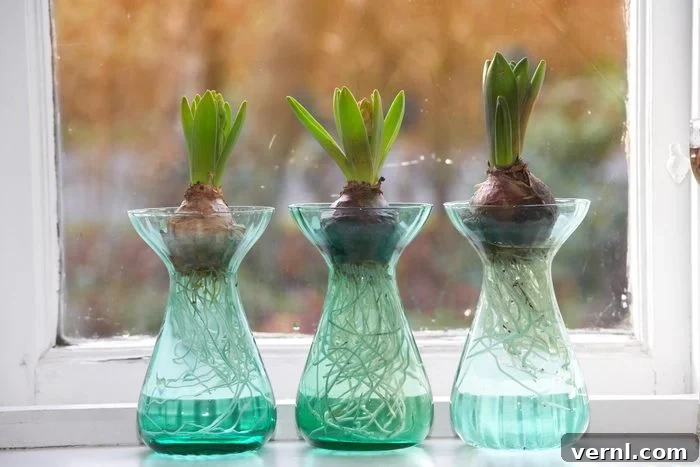
Forcing hyacinths to bloom indoors is one of my favorite gardening endeavors, transforming dark winter days with vibrant color and intoxicating scent. It’s surprisingly easy and incredibly rewarding. Here’s a detailed guide on how to achieve beautiful indoor hyacinth blooms:
- Chilling Period is Crucial: Begin by purchasing high-quality hyacinth bulbs in the fall. These bulbs require a specific chilling period to simulate winter conditions, which is essential for initiating flower development. Place the bulbs in a mesh or paper bag, or even loose in a shallow tray, and then store them in the back of your refrigerator. This cold treatment should last for approximately 12 to 15 weeks. It’s vital to avoid storing them in the same refrigerator compartment as ripening fruits, especially apples, as these release ethylene gas. Ethylene gas can damage the bulbs, preventing them from flowering properly. A dedicated mini-fridge or a cool, dark cellar can also work well, provided temperatures remain consistently cool (around 35-45°F or 2-7°C).
- Potting or Hydroponic Forcing: After the chilling period is complete, you have a couple of options. You can either pot the bulbs in a shallow dish filled with well-draining potting mix, ensuring the tip of the bulb is just at or slightly above the soil surface. Alternatively, for a unique and elegant display, use a specialized hyacinth vase (often found in floral departments or garden stores). These vases are designed to hold the bulb above water, allowing roots to grow into the water without the bulb rotting. Fill the vase with water, making sure the water level is just below the base of the bulb, never touching it directly.
- Bringing to Light and Warmth: Once potted or placed in a forcing vase, move your hyacinths to a sunny window in a cool room. Initially, roots will begin to form rapidly, followed by the emergence of green leaves. Maintain consistent moisture in the soil for potted bulbs, or replenish water in vases as needed. Within days, you’ll observe visible changes, and in a matter of weeks, the first signs of the flower stalk will appear.
- Enjoying the Blooms: As the flower spike develops and blooms, you can move the plant to a slightly warmer spot to encourage faster blooming, or keep it cooler to prolong the flowering period. Rotate the pot or vase occasionally to ensure even growth. The stunning blooms will fill your home with their characteristic sweet fragrance, providing a delightful respite from winter’s chill.
- Post-Bloom Care: After being forced into bloom indoors, hyacinth bulbs expend a tremendous amount of energy. While it is theoretically possible to replant them outdoors, their vigor is significantly diminished, and they rarely produce a strong bloom the following year. For this reason, most gardeners choose to compost the spent bulbs, considering them annuals after indoor forcing.
For an even simpler way to enjoy forced hyacinth blooms, keep an eye out for potted hyacinth bulbs available for sale in January and February at nurseries and grocery stores. I’ve even discovered them already growing in charming hyacinth vases, which is a wonderful way to acquire beautiful blooms and add another unique vase to my collection!
Seasonal Care for Healthy and Long-Lasting Hyacinths
Caring for hyacinth flowers is surprisingly straightforward, primarily requiring attention to a few fundamental needs. Once you understand these key principles, you can sit back and revel in the fragrant clusters of vibrant purple, pink, white, and blue flowers that eloquently announce the much-anticipated arrival of spring.
Light
Hyacinths perform best in a location that receives full to partial sun during their active growth period, from late winter through spring. This means they need at least 6 hours of direct sunlight daily to produce robust flower spikes and vibrant colors. As spring progresses and deciduous trees leaf out, partial shade is acceptable, especially in warmer climates where intense afternoon sun can shorten bloom time. Once the foliage begins to yellow and the plants enter dormancy in late spring or early summer, the amount of light they receive becomes less critical.
Soil
The absolute most critical factor for healthy hyacinths is well-drained soil. Bulbs are highly susceptible to rot if left in soggy conditions. If your garden soil is heavy clay, it’s imperative to amend it with organic matter like compost, peat moss, or coarse sand to improve drainage. Raised beds are an excellent solution for challenging soil conditions. While hyacinths appreciate moderately fertile soil, excessively rich soil isn’t necessary, and too much nitrogen can lead to lush foliage at the expense of flowers. A neutral to slightly acidic pH (6.0-7.0) is ideal.
Water
Generally, established outdoor hyacinths in garden beds do not require supplementary watering. They typically receive sufficient moisture from natural spring rains. However, during unusually dry spring periods, or if planted in containers, provide water when the top inch of soil feels dry to the touch. Ensure that the soil drains quickly after watering. Overwatering, especially during the dormant summer months, is a common cause of bulb rot and should be avoided at all costs.
Fertilizing for Future Blooms
To give your hyacinths the best chance at returning year after year with strong blooms, fertilize them after they have finished flowering but before the foliage begins to yellow and die back. This timing allows the plant to replenish energy in its bulb for the following year’s growth. Use a balanced, slow-release fertilizer or one with a higher phosphorus and potassium content (e.g., 5-10-10 or 10-10-10), specifically formulated for flowering bulbs. If you are blessed with good, rich garden soil that is regularly amended with compost, you may find that additional fertilizing is not necessary.
Hyacinth Flower Maintenance: Pruning and Deadheading
Pruning for hyacinths primarily involves deadheading. Once the flower spike has faded, cut back the spent blooms. This practice encourages the plant to put its energy into growing a larger, stronger bulb for the following year’s display, rather than expending energy on forming seeds. It also keeps the garden looking tidy. Allow the foliage to remain on the plant until it naturally yellows and begins to die back, typically in late spring or early summer. The leaves are crucial for photosynthesis, which creates the energy stored in the bulb for next year’s flowers. Resist the urge to cut off green foliage prematurely or tie it in knots, as this will weaken the bulb. Once the foliage has completely yellowed and withered, you can cut it off at ground level.
Pests and Diseases
One of the many joys of growing hyacinths is their general resilience. They aren’t bothered by many common garden pests or diseases. As mentioned earlier, deer and rabbits typically avoid them, which is a significant advantage in many areas. The most common issue encountered is bulb rot, almost exclusively due to poorly drained soil. Ensuring excellent drainage is your best defense against this problem. Occasionally, slugs and snails might nibble on new shoots, but severe damage is rare.
Propagating Hyacinths for Continuous Blooms and Garden Expansion
While hyacinth bulbs will often return for several years, their blooms may diminish in size or number over time. You can ensure a continuous supply of these beautiful flowers and even expand your hyacinth display without purchasing new bulbs by propagating them. Hyacinths naturally produce small offset bulbs, also known as bulblets, around the base of the main parent bulb. This is the most common and effective method for home gardeners to propagate hyacinths.
- Timing for Division: The ideal time to propagate hyacinths is after the plant’s foliage has completely died back and withered, signaling that the bulb has entered its dormant phase. This typically occurs in late spring to early summer, usually June or July.
- Careful Excavation: Gently dig up the parent hyacinth bulbs. Use a garden fork to carefully loosen the soil around the bulbs to avoid damaging them. Once unearthed, gently brush away excess soil.
- Locating Offset Bulbs: Examine the base of the main bulb carefully. You will likely locate several small offset bulbs that have formed naturally around the parent bulb. These bulblets are essentially miniature versions of the parent.
- Gentle Separation: Carefully remove the offsets from the main bulb. Often, they can be gently twisted or pulled away by hand. If they are firmly attached, a clean, sharp knife can be used to separate them, ensuring each bulblet has a small piece of the basal plate (the flat part where roots emerge).
- Immediate Replanting for Best Results: It is generally best to plant these newly separated bulblets immediately to ensure the best chance of survival and establishment. They can also be stored in a cool, dry, dark place for a short period if immediate planting isn’t feasible, but direct planting is preferred.
- Planting Conditions: Position the newly separated bulbs in soil conditions similar to what the parent plant enjoyed – well-drained, fertile soil in a sunny to partially shaded location. Plant these smaller bulbs at a depth roughly two to three times their height, and space them a few inches apart.
- Patience is a Virtue: Exercise patience with your new plantings, as these young offset bulbs typically require several growing seasons (often two to three years) before they mature enough to produce flowers. During this time, they will focus on growing larger and storing enough energy to bloom. Continue to provide them with good general hyacinth care.
- Optimized Process: This entire propagation process works best when the original hyacinths are already well-established and healthy in their current location, making propagation a natural extension of good plant care and a rewarding way to multiply your favorite fragrant blooms.
FAQ: Frequently Asked Questions About Hyacinths
How deep should I plant hyacinth bulbs?
The ideal hyacinth bulb depth is approximately 6 inches (15 cm) from the base of the bulb to the soil surface. Position them with the pointed tip facing upward. This planting depth provides crucial insulation, protecting the bulbs from harsh temperature fluctuations throughout the seasons, both freezing winter temperatures and scorching summer heat. It also offers good anchorage for the sturdy flower stalks.
Do hyacinths return every year?
Yes, under optimal conditions, hyacinths can return for several years. If you plant hyacinths in a location they truly thrive in – characterized by well-drained soil and abundant spring sunlight – they will often grace your garden with their presence annually. I’ve personally had some hyacinths rebloom for more than 10 years! However, hyacinths can also gradually diminish, either disappearing altogether or producing smaller, less vigorous blooms each year. If you desire a guaranteed, spectacular spring display, it’s a good practice to plant new bulbs in the fall every few years and diligently maintain your hyacinth flower care regimen, including deadheading and allowing foliage to mature.
How many times will a hyacinth bulb bloom?
A single hyacinth bulb typically produces just one magnificent flower spike in the spring. After this initial bloom, the bulb dedicates its energy to replenishing its reserves for the following year. While the bulb itself is a perennial, it only sends up one floral stalk per season.
Are hyacinths poisonous to pets?
Yes, hyacinths are indeed toxic to pets (and humans) if ingested. The bulbs are the most concentrated source of toxins, but the leaves and flowers also contain harmful compounds. Symptoms of ingestion can include vomiting, diarrhea, drooling, and skin irritation. It’s always best to exercise caution: wear gloves when handling the bulbs and ensure that pets do not have access to the plants. Wearing gardening gloves is a good practice for any bulb planting activity.
Do hyacinths need deadheading?
Yes, you should deadhead hyacinths. Once the vibrant flowers begin to fade, promptly remove the spent flower stalk. This strategic pruning prevents the plant from expending valuable energy on forming seeds, redirecting that energy instead towards nourishing and enlarging the underground bulb. A stronger, larger bulb holds more stored energy, significantly increasing the likelihood of robust and abundant blooms in the subsequent growing season.
What do hyacinths symbolize?
Hyacinths carry rich symbolic meanings, particularly from the Victorian era when the “language of flowers” was highly popular. According to Karen Azoulay in her insightful book “Flowers and Their Meanings,” different colors conveyed distinct messages. Blue hyacinths, with their serene hue, symbolized constancy and sincerity. Purple hyacinths were often used to convey an apology, signifying “I am sorry.” White hyacinths, elegant and pure, were a symbol for “unobtrusive loveliness,” representing beauty that is subtle yet profound. Yellow hyacinths could denote jealousy, while red hyacinths conveyed passion or play.
What are grape hyacinths?
It’s a common misconception, but grape hyacinths are entirely different flowers from true hyacinths (Hyacinthus orientalis). Grape hyacinths belong to the genus Muscari, most commonly Muscari armeniacum. While they are also spring-blooming bulbs, their flowers are much smaller, resembling tiny, dense clusters of grapes, hence their common name. They have a more naturalized, often wilder appearance compared to the larger, more formal spikes of Dutch hyacinths, and their fragrance is typically much milder.
Sources
- Oklahoma State University Extension: “Hyacinth Bulbs Need to go in the Ground Soon”
- Iowa State University Extension and Outreach: “Yard and Garden: Forcing Hyacinth Bulbs Indoors During Winter”
- University of Missouri Integrated Pest Management: “Planting Hyacinths Makes Scents”
- Dutch Bulbs: “How to Grow Hyacinths”
- Farmhouse & Blooms: “How To Plant Hyacinth Bulbs- Planting And Care”
- Gardenia.net: “Hyacinthus orientalis (Dutch Hyacinth)”
- Plantura Magazine: “Hyacinths: flowering season varieties & cultivation”
- Azoulay, Karen. “Flowers and Their Meanings.” Clarkson Potter Publishers, 2023