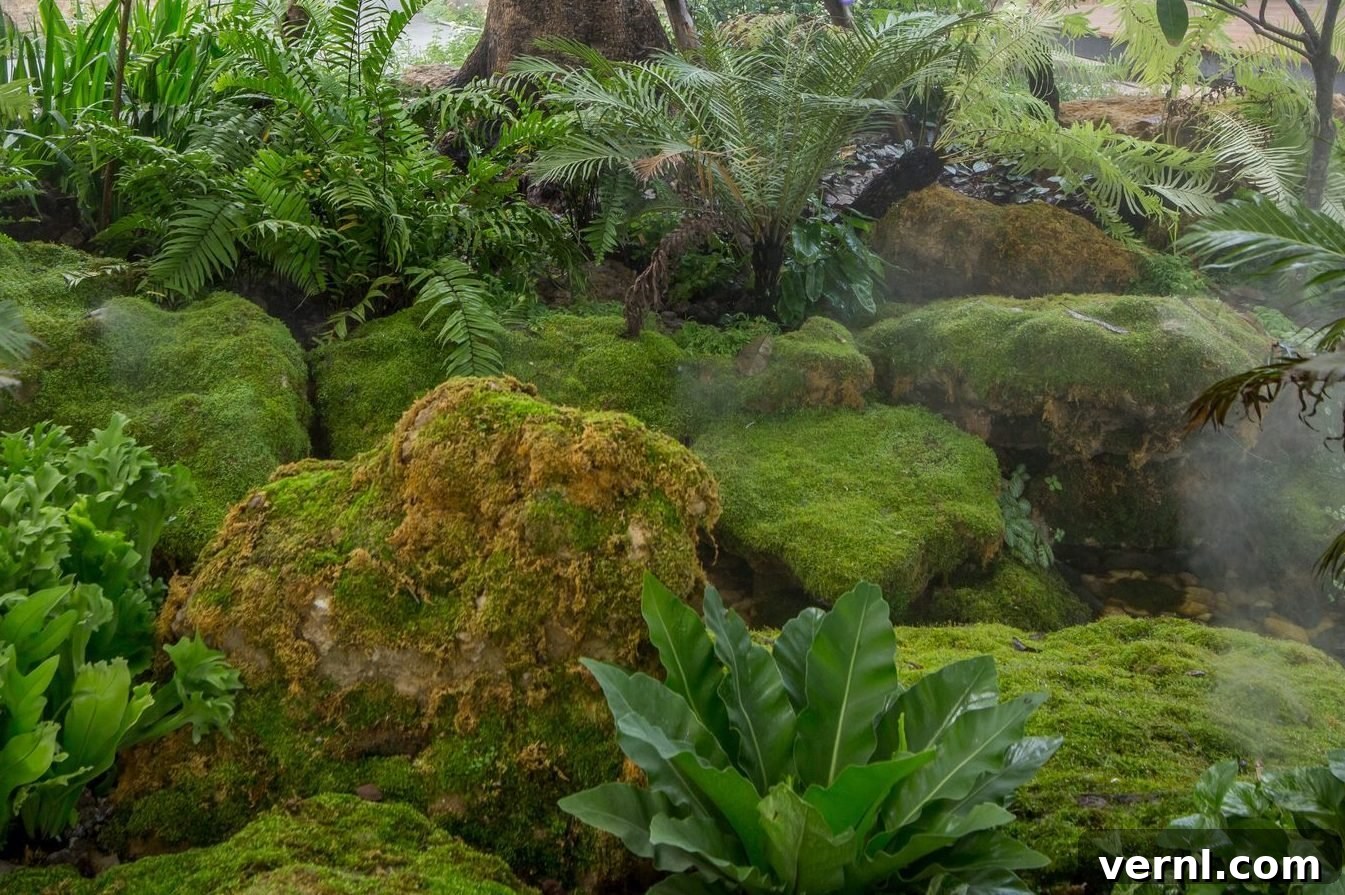
The Magical World of Moss Gardening: Your Essential Guide to Cultivating Tranquility
Step into a realm where vibrant greens carpet the earth with unparalleled grace, and maintenance demands are refreshingly minimal. It’s no wonder that North Carolina-based moss expert Annie Martin aptly titled her renowned book The Magical World of Moss Gardening. Mosses possess an inherent, almost otherworldly charm, captivating gardeners and nature enthusiasts alike with their intricate beauty and resilient versatility. Unlike many conventional plants, some species of moss thrive in environments others deem inhospitable, clinging to sun-baked asphalt, rugged concrete, or nutrient-poor soil. As Martin profoundly observes, “There’s a right moss for every right place,” underscoring the incredible adaptability of these ancient botanical wonders.
Annie Martin, a leading voice in the moss gardening movement, passionately advocates for the year-round visual appeal a moss garden offers. Imagine a landscape painted with a breathtaking spectrum of greens, interspersed with unexpected splashes of crimson, shimmering gold, and rich bronze, all varying in shape, size, and texture. Whether you are first drawn to their serene aesthetics, their unparalleled resilience, or their impressively low-maintenance nature, embarking on the journey of cultivating a moss garden promises to be a deeply rewarding and enriching experience. If you’re intrigued by the prospect of transforming a neglected corner of your yard into a verdant, living tapestry, or simply wish to understand the nuances of nurturing these captivating plants, read on. We’ll delve into expert advice and invaluable tips straight from Annie Martin herself, guiding you through every step of creating and maintaining your own mossy sanctuary.
What is a Moss Garden? Redefining Green Spaces
At its core, a moss garden is any outdoor space that is intentionally cultivated to prominently feature moss. While many envision a moss garden as an entirely moss-covered expanse, this isn’t necessarily the rule. Annie Martin, embracing a broader philosophy, notes, “You can be a purist, but I’m not. I want my grandmother’s daffodils in there, too.” This highlights the flexibility of moss gardening, allowing for integration with other plants or standing alone as a minimalist masterpiece. These gardens leverage mosses’ unique characteristics to create tranquil, verdant environments that often demand less effort than traditional lawns or flowerbeds.
Beyond outdoor landscapes, the appeal of moss extends indoors. Miniature moss gardens, often housed in terrariums or decorative containers, offer a captivating way to bring nature’s calm into your home or office. These indoor moss ecosystems require even less space and are perfect for urban dwellers or anyone seeking a touch of green without extensive outdoor commitment. Whether grand or miniature, a moss garden embodies a deliberate choice to celebrate the understated beauty and ecological prowess of these remarkable primitive plants.
Why Embrace Moss Gardening? A Host of Benefits
A moss garden offers far more than just visual appeal; it presents a compelling array of practical, ecological, and aesthetic advantages that make it an increasingly popular choice for modern landscapers and home gardeners.
Aesthetic Appeal and Year-Round Beauty
The beauty of moss is subtle yet profound. It creates a serene, emerald carpet that evokes a sense of ancient woodlands and peaceful contemplation. Unlike seasonal flowers, moss provides consistent, year-round visual interest, maintaining its vibrant green even through harsh winters when other plants lie dormant. The incredible diversity of moss species means a vast palette of textures and colors, from the velvety cushions of cushion moss to the feathery fronds of fern moss, and hues ranging from deep forest greens to vibrant lime, and even striking golds, bronzes, and crimson tips. This variety allows for intricate designs and dynamic landscapes that adapt beautifully to different light conditions, creating an ever-changing masterpiece of natural art.
Effortless Maintenance for the Modern Gardener
One of the most significant draws of moss gardening is its remarkably low-maintenance nature. Forget the weekly chore of mowing a lawn; moss requires no trimming whatsoever. It also eliminates the need for chemical fertilizers, as mosses absorb nutrients directly from the air and rain, not heavily from the soil. Once established, moss gardens are surprisingly drought-tolerant and require significantly less watering than traditional gardens, making them an eco-conscious choice. Furthermore, moss is naturally unpalatable to common garden pests like deer and rabbits, saving your landscape from unwanted nibbling. This hands-off approach makes moss gardening perfect for busy individuals or those seeking a more sustainable, less demanding garden solution.
Pioneering Environmental Contributions
The ecological benefits of moss gardens are truly compelling and highlight their importance in sustainable landscaping. As pioneer plants, mosses play a crucial role in breaking down rock into new soil, kickstarting ecosystem development in barren areas. Their dense, fibrous mats are exceptional at capturing and recycling vital nutrients, preventing runoff, and significantly controlling soil erosion, especially on slopes or exposed areas. This helps maintain soil health and stability. Moss gardens also provide essential micro-habitats for a diverse range of small creatures, including salamanders, numerous insect species, and various microfauna, contributing to local biodiversity.
Perhaps most importantly, mosses, particularly sphagnum moss found in peatlands, are global superheroes in the fight against climate change. Although these soggy wetlands cover only a mere three percent of the Earth’s land surface, they astonishingly store twice as much carbon as all the world’s forests combined! By cultivating moss, you’re not just creating a beautiful garden; you’re actively contributing to carbon sequestration and supporting critical ecological processes that benefit the entire planet. Moss also aids in soil moisture retention, benefiting any companion plants and reducing overall water usage in your garden.
Where Do Moss Gardens Flourish? Finding the Right Spot
The pervasive nature of moss is truly astonishing. Species of moss thrive across the globe, from bustling urban centers to remote wildernesses, even enduring the extreme conditions of Antarctica. This incredible adaptability means that mosses are generally immune to cold and can flourish across all U.S. Department of Agriculture Plant Hardiness Zones. Whether your home is nestled in a sunny rural landscape or perched within a shaded urban environment, experiencing sweltering heat or frozen winters, there is undoubtedly a moss species perfectly suited to your specific climate and conditions.
In her insightful book, Annie Martin introduces aspiring moss gardeners to 25 particularly resilient and beautiful species, providing an excellent starting point for beginners. These species exhibit diverse preferences: some thrive in alkaline soils, others prefer acidic conditions; some grow in charming, compact mounds, while others spread horizontally in delicate carpets. Before you dig in, Martin strongly recommends conducting some research to identify native or well-adapted moss species for your local area. Understanding the specific light, moisture, and soil pH requirements of different mosses will significantly increase your chances of creating a flourishing, long-lasting moss garden.
Mastering Moss Cultivation: Your Step-by-Step Guide
Cultivating a thriving moss garden is often simpler and more rewarding than many first-time gardeners anticipate. It doesn’t require a green thumb as much as an understanding of moss’s unique needs. Here’s how to get started.
Ethical Sourcing and Acquiring Your Moss
- **Scout Your Property First:** Before looking elsewhere, take a close look at your own landscape. You might be pleasantly surprised to find existing patches of moss already flourishing in damp, shady corners, between pavement cracks, or under shrubs. These native mosses are often the best candidates for expansion, as they are already adapted to your local conditions.
- **Embrace Responsible Foraging (with permission):** Annie Martin, with her ever-active “moss radar,” finds immense joy in rescuing live moss from locations where its destruction is imminent – think construction sites, forgotten corners behind dumpsters, or even sidewalk cracks slated for repair. While this is an excellent way to acquire moss, it is paramount to always obtain explicit permission before harvesting moss from any private property. More importantly, Martin emphatically implores individuals to never, under any circumstances, remove moss from public lands, nature preserves, or protected areas, as this can severely disrupt delicate ecosystems and is often illegal.
- **Purchase from Reputable Sources:** If foraging isn’t an option or you seek specific varieties, Martin strongly encourages purchasing moss from a dedicated mossery or a specialized nursery. These establishments ensure that the species are correctly identified and sustainably harvested or cultivated. Avoid the common mistake of buying dyed, dried, or preserved moss sold in craft stores. While decorative, these are no longer living plants and will not grow in your garden. Always seek live, actively growing moss for successful cultivation.
Preparing the Ideal Site for Your Moss Garden
While some seasoned moss gardeners ambitiously convert vast areas into solid moss carpets, Annie Martin advises beginners to “think small.” Start with a manageable project: “Find a beautiful tree and give it a moss skirt or apron, or create a smallish moss focal point.” This approach allows you to learn the ropes without becoming overwhelmed.
- **Clear the Ground Thoroughly:** Your chosen spot must be free of all existing plant life. If you discover moss lurking under a patch of grass, carefully remove the entire section, discard the grass (or compost it), and preserve the moss for propagation. Clear away weeds, old leaves, twigs, and any other debris. Moss does not compete for soil nutrients but requires an unobstructed surface for its rhizoids (root-like structures) to attach.
- **Compact the Soil:** Once clear, hard-pack the ground. This is crucial because moss rhizoids need a firm, stable surface to anchor themselves. You can achieve this by walking over the area repeatedly, using a hand tamper, or even gently rolling a heavy object over the surface.
- **Score the Surface:** Lightly score the compacted ground with a stick, a rock, or a pronged gardening tool. These shallow grooves create additional texture and small crevices, providing ideal attachment points for the moss fragments.
The Art of Planting Moss: From Fragments to Flourishing Colonies
- **Lay Down Your Moss Fragments:** Gently tear or cut your acquired moss into smaller fragments. Spread these fragments evenly over the prepared, scored ground. Ensure good contact between the moss and the soil surface.
- **Tamp for Attachment:** This is a critical step for establishment. Use a garden tamper to firmly press the moss fragments onto the soil. The goal is to maximize contact between the moss and the ground, encouraging its rhizoids to quickly anchor. If a tamper isn’t available, Annie Martin suggests simply walking over the fragments, applying firm, even pressure. You can also use a flat board to press them down.
- **Initial Watering Ritual:** For the crucial initial establishment phase, consistently water your new moss colony three times per day, ensuring each session lasts for at least three minutes. Moss absorbs water directly through its surface, so frequent, short bursts are more effective than infrequent, long soakings. This regular moisture is vital for the moss to settle in and begin growing.
Sustaining Your Moss Sanctuary: Essential Care Tips
Once established, a moss garden requires significantly less intervention than a traditional garden, but consistent, mindful care during the initial phase and ongoing maintenance will ensure its longevity and vibrant health.
Strategic Watering for Optimal Growth
What many perceive as the “leaves” of a moss plant often comprise the entire organism, sometimes being just a single cell thick. This unique anatomy dictates its watering needs: moss absorbs water directly through its entire surface. Therefore, frequent, short watering sessions are paramount for establishing and sustaining a robust moss colony. During the critical establishment period, Annie Martin, at her own mossery, meticulously waters each section three times daily for a minimum of three minutes. To make this task less arduous, especially for larger areas, she highly recommends installing a sprinkler system equipped with a timer. Once fully established, moss can tolerate periods of drought, but occasional watering during prolonged dry spells will help maintain its lush appearance. Observe your moss; if it looks dull or crunchy, it’s time for a drink.
Expanding Your Green Carpet: The Raking Method
One of the most exciting aspects of moss gardening is the ease with which you can propagate and expand your existing colonies. The “raking” method is an ingenious way to achieve this. Using either a light leaf rake or simply “finger-raking” with your hand, gently disturb an established patch of moss. As you rake, you’ll loosen small fragments of moss. Collect all these loosened fragments – congratulations, you now possess the beginnings of a new moss colony! To start a new patch, simply repeat the planting process: clear a new section of ground, hard-pack it, lightly score the surface, firmly tamp the collected moss fragments into place, and then initiate the short-but-frequent watering regimen. This method allows you to organically spread your moss garden across your landscape.
Mindful Weeding and Debris Management
Unlike vascular plants, mosses derive their nutrients predominantly from the sun and atmospheric moisture, not from the soil. This crucial distinction explains why diligent removal of weeds and plant debris is essential. Any weeds, conifer needles, bark chips, deciduous leaves, or other organic matter that lands on or grows up through your moss garden can stifle its growth, block sunlight, and create an environment conducive to unwanted pests or diseases. A small, precise tool like the CobraHead Weeder can make the task of weeding remarkably easy and efficient.
Annie Martin describes the act of weeding moss as a profoundly “zen experience.” She emphasizes the unique opportunity it provides to connect with some of the oldest living land plants on Earth. “Mosses are the oldest living land plants, and weeding allows you to get up close and personal with these ancient plants,” she explains. “To me, these tiny plants make my heart smile and my spirit soar.” This mindful engagement with your moss garden transforms a chore into an opportunity for quiet contemplation and appreciation of nature’s intricate beauty.
Frequently Asked Questions About Moss Gardening
Can Moss Coexist with Other Plants?
Absolutely! Mixing moss with other shade-loving plants is a highly popular and aesthetically pleasing gardening practice. Mosses lack true roots and therefore do not compete with companion plants for soil nutrients. In fact, their dense growth habit helps retain soil moisture, creating a more stable and beneficial microclimate for surrounding plants. This collaboration adds incredible visual interest and depth to your garden. Excellent companion plantings with moss often include hostas, ferns, astilbes, cyclamen, and various woodland wildflowers, all of which thrive in similar moist, shady conditions, creating a harmonious and vibrant ecosystem.
Are Moss Gardens Prone to Pests and Diseases?
Generally, moss gardens are quite resilient and less susceptible to the widespread pest and disease issues that plague many other garden plants. However, like any living organism, they can occasionally fall prey to specific problems. Fungal diseases might occur in areas with extremely poor air circulation or consistently waterlogged conditions, leading to discolored patches. Ensuring good drainage and avoiding excessive overhead watering can mitigate this risk. Common garden pests like snails and slugs might occasionally graze on moss, especially in very damp environments. Spider mites, though less common, could appear in dry, stressed conditions, while fungal gnats might be an issue in overly moist indoor terrariums. Most pest issues can be resolved with simple manual removal, improving air circulation, or adjusting watering practices. Chemical treatments are rarely necessary or recommended for moss.
Is Moss Slippery? Addressing a Common Concern
This is a common misconception! In general, healthy garden moss itself is not inherently slippery on flat surfaces. Its dense, slightly abrasive texture can actually provide some grip. However, slippery conditions are typically created by specific types of algae or certain liverworts that often grow in very damp, shaded conditions, particularly on hard, non-porous surfaces like concrete, stone, or wood that may become slick when wet. These are often confused with garden moss. To prevent any slick surfaces, ensure proper drainage in your garden and regularly clear any buildup of algae or organic debris from pathways and steps, maintaining good air circulation.
How Long Does It Take for a Moss Garden to Establish?
Patience is a virtue in moss gardening. While you’ll typically see initial signs of attachment and growth within a few weeks, a moss garden generally takes anywhere from six months to a full year to become well-established and achieve significant, continuous coverage. Factors influencing this timeline include the specific moss species, environmental conditions (light, moisture, temperature), and the consistency of your initial watering and care. With diligent preparation and consistent nurturing during this crucial establishment phase, your moss garden will gradually transform into the lush, tranquil sanctuary you envision.
Meet the Expert: Annie Martin, The Moss Whisperer
- Annie Martin is the esteemed author of the enchanting book The Magical World of Moss Gardening. She is widely recognized as a preeminent moss expert and a passionate advocate for seamlessly integrating moss into various landscaping and gardening designs. Through her work at Mountain Moss Enterprises, she has inspired countless individuals to discover the unique beauty and ecological benefits of these ancient plants, earning her the affectionate title of “The Moss Whisperer.”