
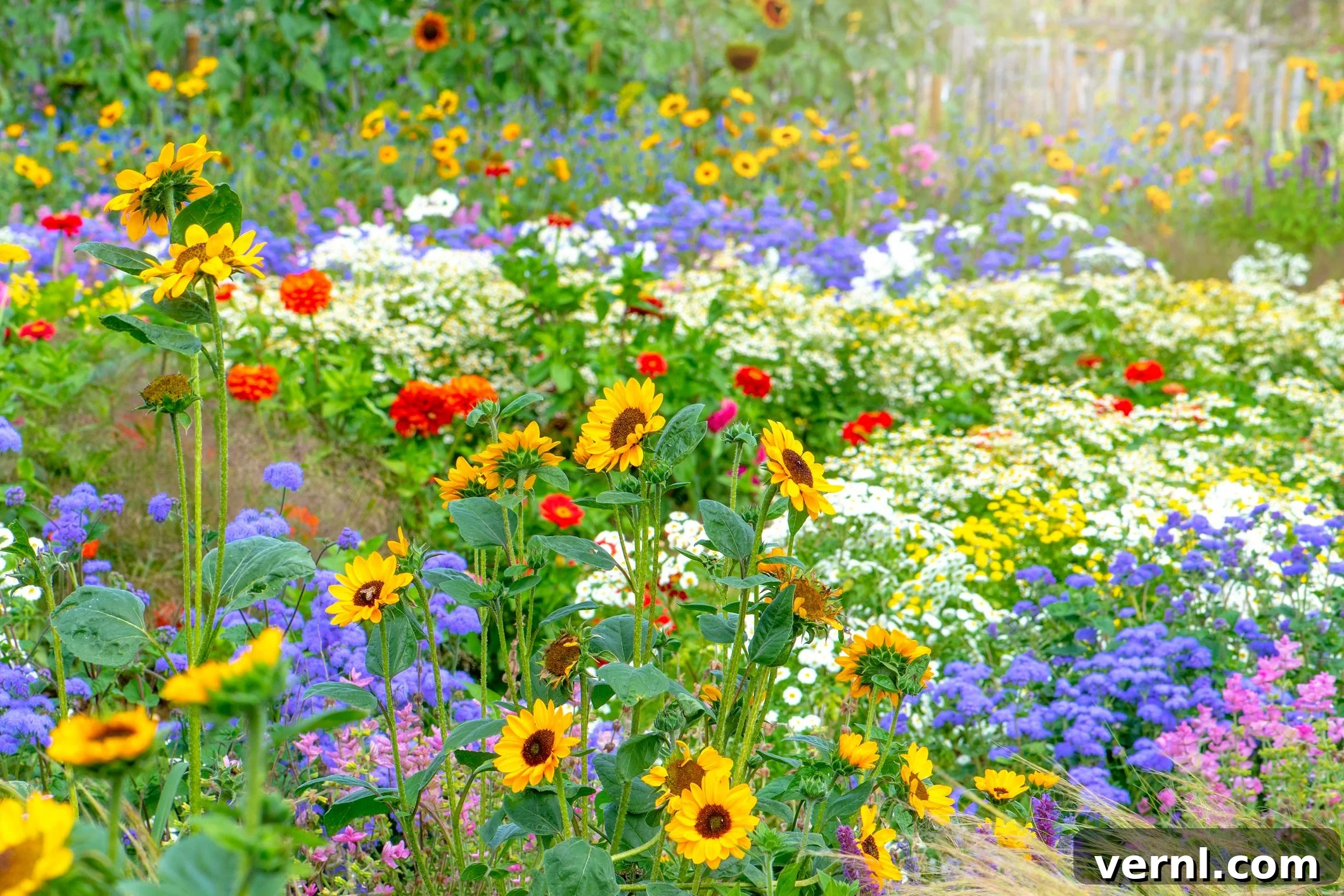
Transform Your Yard: The Ultimate Guide to Creating a Wildflower Meadow
Imagine stepping into your backyard and being greeted by a kaleidoscope of colors, the gentle hum of bees, and the graceful dance of butterflies. This isn’t a scene from a faraway nature reserve, but a potential reality for your own home. More and more homeowners are discovering the magic and practicality of replacing traditional turfgrass with native wildflower meadows, a sustainable landscaping trend that offers profound ecological benefits and a welcome reprieve from constant lawn maintenance.
My partner and I recently embarked on a renovation journey for an abandoned house nestled in a high-desert valley. The landscape here is characterized by its dustiness and arid conditions; most plants struggle to thrive without significant intervention, save for a few resilient native species like chamisa and sage, and a sparse scattering of wildflowers. Last year, I decided to experiment, scattering some native wildflower seeds in a neglected corner of our barren yard. The results were nothing short of inspiring.
To my delight, that desolate patch exploded into a lush, colorful haven, buzzing with life—butterflies, miller moths, and countless bees. This personal success mirrored a growing movement across the nation, where homeowners are actively choosing to cultivate similar patches, known as wildflower meadows, as a sustainable and vibrant alternative to conventional grass lawns.
“Wildflower meadow lawns are gaining immense popularity as people become increasingly aware of the significant environmental implications associated with traditional turfgrass,” explains Shubber Ali, a distinguished native plant expert and CEO of Garden for Wildlife. He further emphasizes, “The act of planting a meadow lawn does much more than just beautify a space; it actively creates vital habitat that is desperately needed for declining wildlife populations, contributing significantly to biodiversity and ecological health.”
The Irresistible Benefits of a Wildflower Meadow
Beyond their undeniable beauty, wildflower meadows are powerhouses of ecological good. They are especially beneficial for critical pollinators like bees, butterflies, and other at-risk insects that are under immense pressure from habitat loss and widespread pesticide use. By providing a continuous source of nectar and pollen, these meadows act as essential refueling stations and nurseries. Furthermore, they foster vibrant mini-ecosystems, offering not just food but also crucial shelter and breeding grounds for a diverse array of creatures, from songbirds and beneficial insects to small mammals that reside near your home.
The advantages extend beyond the natural world to directly impact your lifestyle. Once established, a wildflower meadow requires significantly less maintenance and water compared to a thirsty turfgrass lawn. This means you can confidently ditch the chemical fertilizers, harmful herbicides, and toxic pesticides that often accompany conventional lawn care. Imagine reclaiming hours spent mowing, fertilizing, and weeding, redirecting that energy towards enjoying your beautiful, thriving landscape. It’s an investment in both environmental health and personal well-being, transforming your yard into a resilient, self-sustaining ecosystem that works with nature, not against it.
While the allure of a vibrant wildflower meadow is strong, a mindful approach requires considering several practical realities before embarking on your transformative project.
Aesthetics and Community Harmony
For many nature enthusiasts, a wildflower meadow embodies the epitome of natural beauty, offering an organic, untamed aesthetic that connects us more deeply with the environment. However, it’s undeniable that these meadows present a look far more “unkempt” or wild than the manicured precision of a traditional lawn. This distinct appearance can, at times, lead to friction with neighbors or even violate strict Homeowners Association (HOA) rules and municipal regulations that often prioritize uniformity and conventional landscaping. Successfully integrating a wildflower meadow into a suburban or urban setting requires a blend of intentional design and community engagement.
Educating those around you about the profound natural benefits of a wildflower yard can significantly change perceptions and foster understanding. Share information about the role of native plants in supporting local ecosystems, conserving water, and reducing pesticide use. Beyond communication, thoughtful design can go a long way in making your wild creation appear intentional and well-cared-for. Features such as neatly defined borders using stone, wood, or even a mown strip of grass can frame the meadow beautifully. Incorporating elements like a charming bird bath, a rustic bench, or a winding pathway through the wildflowers can transform a “messy” patch into a purposeful, inviting garden space, demonstrating that natural beauty can coexist harmoniously with community aesthetics.
Remarkable Ease of Care
“Wildflowers and native plants possess an incredible resilience and can truly thrive on neglect,” affirms Shubber Ali, highlighting one of their most appealing characteristics. This inherent hardiness means that once a wildflower meadow is properly established, it typically demands minimal, if any, supplemental watering. These plants are adapted to local climate conditions and often boast deep root systems that allow them to tap into water reserves, making them exceptionally drought-tolerant. This dramatically reduces your water consumption and utility bills, making them an ideal choice for water-conscious gardeners.
Furthermore, a wildflower meadow rarely requires the weekly mowing regimen of a traditional lawn. In most cases, a single mowing at the very end of the growing season is sufficient, typically in late fall or early winter. Even then, it’s highly recommended to leave a significant portion of the meadow standing tall. These spent stalks and seed heads provide crucial overwintering habitat and food sources for a multitude of pollinators and beneficial insects, offering shelter from the harsh elements and ensuring their survival for the next season. The absence of a need for synthetic fertilizers or insecticides is another major advantage, creating a truly organic and self-sustaining habitat for wildlife while simultaneously preventing harmful chemical runoff from contaminating local freshwater sources and harming beneficial organisms.
Guarding Against Invasive Species
One of the most significant challenges and potential threats to the long-term success of meadow lawns comes from aggressive invasive plants and persistent weeds. These opportunistic species often outcompete and overwhelm slower-growing wildflowers and native plants, quickly diminishing the biodiversity and aesthetic appeal of your carefully cultivated meadow. Therefore, proactive measures to diminish these unwanted intruders before you even begin planting are paramount. This might involve solarization, sheet mulching, or consistent manual weeding over a period to exhaust the weed seed bank.
After planting, vigilance becomes your most powerful tool. Regularly inspect your meadow for any interlopers that pop up and be diligent about removing them, especially in the first few years as your native plants establish themselves. Early detection and removal can prevent a small problem from becoming an unmanageable infestation. The ongoing success and vibrant health of your wildflower meadow will directly depend on your consistent efforts to keep invasive species at bay, allowing your chosen native plants to flourish and create a truly resilient ecosystem.
Assessing the Viability of Your Yard
For optimal results when creating a wildflower meadow, selecting an area that receives full sun (at least six to eight hours of direct sunlight daily) and boasts good drainage is generally recommended. Proper drainage is crucial to prevent root rot and ensure healthy plant development. Before you sow a single seed, it’s highly advisable to get your soil tested. A professional soil test will provide invaluable information about your soil’s organic matter content, nutrient levels, and pH level. Armed with this data, you can make informed decisions about adding any natural amendments, such as compost to improve fertility and structure, or lime/sulfur to adjust pH, creating the ideal growing environment for your chosen species.
However, if your yard doesn’t possess that “perfect” sunny, well-draining spot, don’t despair! Many wildflowers are remarkably adaptable. A significant number of native species can still thrive beautifully in low-fertility soils that would leave turfgrass struggling, and some even perform well with as little as a half-day of sun, particularly in warmer climates where afternoon shade can be a blessing. The key is to research and select wildflower varieties that are specifically suited to your existing soil conditions and available sunlight, ensuring a successful and vibrant meadow even in less-than-ideal locations.
Effective Lawn Removal Strategies
If your goal is to convert an existing lawn into a flourishing wildflower meadow, the crucial first step is to thoroughly remove the existing turf before you begin planting wildflowers. This ensures that the competitive grass doesn’t hinder the growth and establishment of your new meadow. One highly effective and eco-friendly method is soil solarization. This technique involves covering your lawn with clear or black plastic sheeting for six to eight weeks during the hottest months of the year. The intense heat generated under the plastic sterilizes the soil, effectively killing grass, weeds, and their seeds without the use of chemicals.
Once the turf is eradicated, loosen the soil to a depth of several inches to promote healthy root development for your wildflowers. After preparing the seedbed, uniformly sow your wildflower seeds according to the package instructions, and then gently level the ground with a rake to ensure good seed-to-soil contact. While it’s not the optimal approach to start a meadow directly on an existing lawn, it can still yield some success, especially for smaller, less formal areas. If choosing this method, spread the seeds generously over the existing grass and, critically, refrain from weekly mowings. This allows the wildflower seeds a chance to germinate and establish themselves without being cut down prematurely, gradually replacing the turf over time.
Thoughtful Plant Species Selection
When planning your wildflower meadow, you have the exciting choice between annual or perennial flowers, or often a harmonious mix of both. Annual meadows, while delivering an immediate burst of color, will naturally need to be re-sown each year to maintain their vibrancy. They also generally require more nutrient-dense soil to fuel their rapid growth and prolific blooming. Perennials, on the other hand, return year after year, establishing deeper root systems and becoming more resilient over time, though they may take longer to reach their full splendor.
Regardless of whether you lean towards annuals, perennials, or a blend, the fundamental key to success lies in a deep understanding of your specific soil type, microclimate, and local ecosystem. It’s imperative to choose the right native plant species that are naturally adapted to these conditions. Research plants indigenous to your region, considering factors like average rainfall, temperature extremes, and specific soil composition. Selecting species that thrive naturally in your area ensures greater success, reduces the need for intervention, and maximizes the ecological benefits for local wildlife, creating a resilient and beautiful meadow that truly belongs.
Seeds vs. Plugs: Methods for Starting Your Meadow
When you’re ready to bring your wildflower meadow to life, you have several methods for starting your plants, each with its own advantages and considerations. The most common and often most cost-effective approach is to start with seeds. However, you can also opt for wildflower plugs, pre-seeded mats, or even specialized wildflower turf.
Wildflower plugs are individual, young plants or small clusters of seedlings, essentially miniature versions of the mature plant. They offer a head start and are great for filling in gaps or adding specific species. Wildflower mats are innovative solutions where seeds are infused into a compressed, biodegradable mulch. You simply roll these mats across your prepared area and cover them with a thin layer of soil, simplifying the seeding process. Wildflower turf is similar to traditional turfgrass sod but is pre-grown with a mix of live wildflowers, offering the most immediate impact but also being the most expensive option.
Seeds and mats generally represent the most budget-friendly choices for establishing a large meadow. Seeds, in particular, offer the widest variety of species, allowing for a highly customized and diverse plant palette. However, they also take longer to establish and require more patience during the initial growth phases. “Using the proper and recommended number of seeds for the area is also critically important, as wildflowers will not thrive when overcrowded,” advises Ali, emphasizing the need for careful application to ensure healthy growth. Wildflower plugs are an excellent choice for supplementing an existing meadow lawn, adding specific color or biodiversity, or for planting in smaller, more visible areas where quicker establishment is desired. While wildflower turf is the most expensive method, its instant effect can be the right choice for smaller areas, urban gardens, or where immediate aesthetic impact is a priority, effectively creating an established meadow almost overnight.
Embracing Patience: The Meadow’s Evolution
While the long-term promise of a low-maintenance wildflower meadow is incredibly appealing, it’s crucial to understand that creating one is not an instant gratification project. It requires a significant amount of patience during the initial establishment phase. Unlike a traditional garden where you might see rapid growth and bloom in the first season, a meadow takes its time to develop its intricate root systems and establish a stable ecosystem. You’ll need to manage expectations and understand that the first year or two might look a bit “weedy” or sparse as the perennial wildflowers get their footing.
“Creating a meadow garden is very different from planting a traditional garden, as you often have to wait a couple of seasons to really see some substantial growth and the full expression of your vision,” Shubber Ali points out. He reminds us, “However, the beauty of a meadow garden is its continuous evolution. Once established, it will continue to develop and change year to year, becoming richer and more biodiverse without demanding much in the way of annual maintenance.” This long-term perspective is key: view your meadow not as a static display, but as a dynamic, living tapestry that will unfold its full splendor over time, offering enduring beauty and ecological benefits for years to come.