
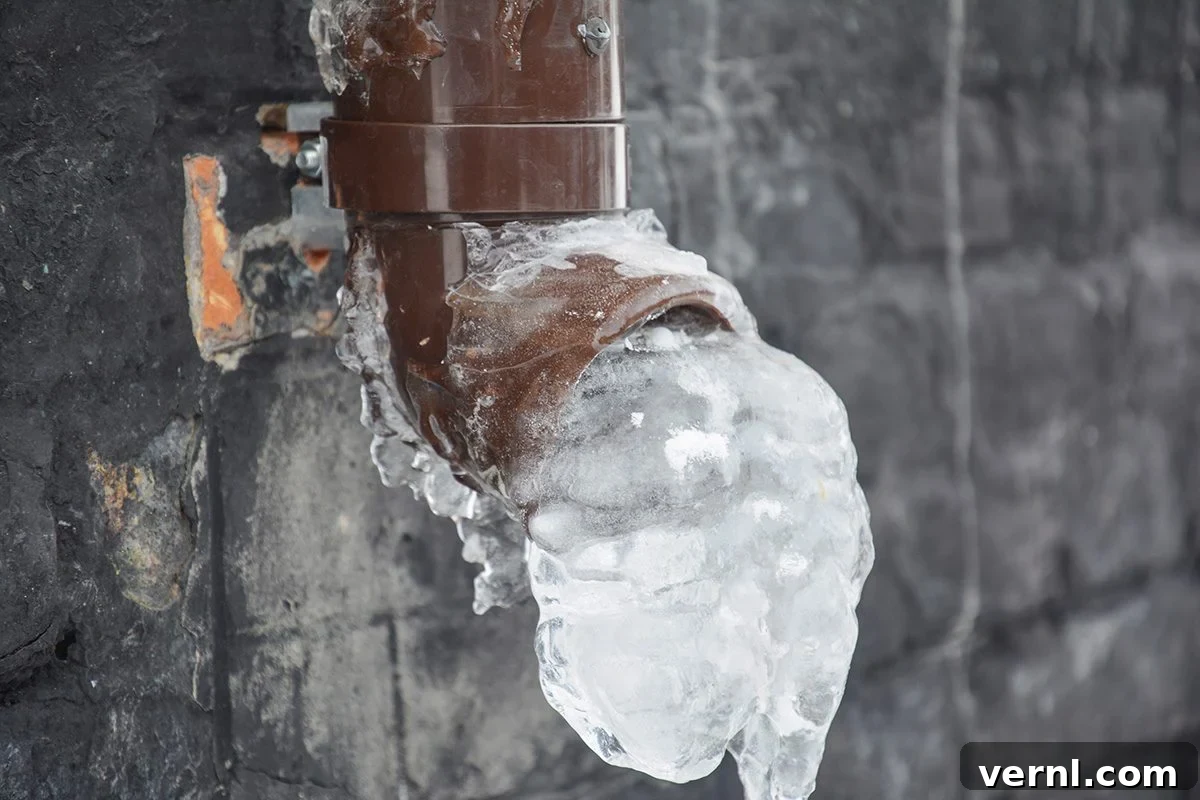
Your Essential Guide to Preventing Frozen Pipes This Winter
As winter approaches, homeowners face a common yet potentially devastating threat: frozen pipes. Experiencing a burst pipe is more than just an inconvenience; it can lead to extensive water damage, expensive repairs, and a significant disruption to your daily life. I speak from firsthand experience. The pipes in the attic of a Colorado Rockies cabin I once owned, where temperatures routinely plummet to 30 below zero, unfortunately burst even before I had taken full possession. The subsequent cleanup was an immense task that had to be tackled before any remodeling could even begin, highlighting the critical importance of proactive prevention.
This comprehensive guide is designed to equip you with the knowledge and strategies to effectively prevent your pipes from freezing, helping you avoid similar costly and messy predicaments. We’ve gathered insights from a panel of leading plumbing and HVAC experts, affirming that when it comes to frozen pipes, an ounce of prevention is truly worth a pound of cure. By following these expert-backed tips, you can safeguard your home against the ravages of winter, saving yourself not only significant expense on plumbing repairs but also conserving precious water and protecting your property from structural damage.
Understanding What Causes Pipes to Freeze and Burst
While extremely cold temperatures are the most obvious culprit, they tell only part of the story. It’s common to find that not all pipes in a house freeze during a cold snap. For instance, in my Colorado cabin, the pipes supplying the kitchen and bathroom remained unaffected, while those in the unheated attic succumbed to the cold. This selectivity offers crucial clues for effective prevention.
Primarily, pipes freeze due to direct or indirect exposure to critically low temperatures. Areas like basements, attics, crawl spaces, and exterior walls are particularly vulnerable because they are often unheated or poorly insulated. Unlike the living areas of your home, these spaces lack the ambient warmth necessary to keep pipes above freezing point. Secondly, stagnant water within pipes is far more susceptible to freezing than moving water. Even a slow trickle of water can significantly reduce the likelihood of freezing, as the constant movement hinders the formation of ice crystals. Understanding these two key factors – exposure to cold and lack of water movement – forms the foundation of all effective frozen pipe prevention strategies.
Proactive Measures: How to Prevent Pipes From Freezing Before Winter Arrives
Our panel of experts — including Elizabeth Shavers (Oncourse Home Solutions), Joe Haycock (Fresh Air Concepts, LLC), Justin Cornforth (Ace Home Co), Joseph Wade (Benjamin Franklin Plumbing), and TJ Laury (Ben’s ProServ) — offer these indispensable tips to fortify your home against winter’s chill:
1. Insulate Exposed Pipes Effectively
“You absolutely need to insulate any pipe that is visible and located in an unheated area, such as a basement, garage, or crawl space,” advises Justin Cornforth. This also applies to outdoor, unburied pipes, including those leading to exterior spigots. The goal of insulation is to create a barrier that slows heat transfer from the water inside the pipe to the cold air outside. For long-term protection, foam pipe sleeves are highly recommended due to their excellent insulating properties and ease of installation. These sleeves come in various diameters and can be cut to size, providing a snug fit around your pipes. For immediate, temporary relief during an unexpected cold snap, wrapping pipes with old towels or blankets secured with duct tape can offer a crucial buffer. Consider upgrading to UL-listed heat tape or self-regulating heating cables for pipes in extremely cold or hard-to-reach areas, ensuring proper installation according to manufacturer guidelines for safety and efficacy.
2. Drain Pipes Not in Use During Winter
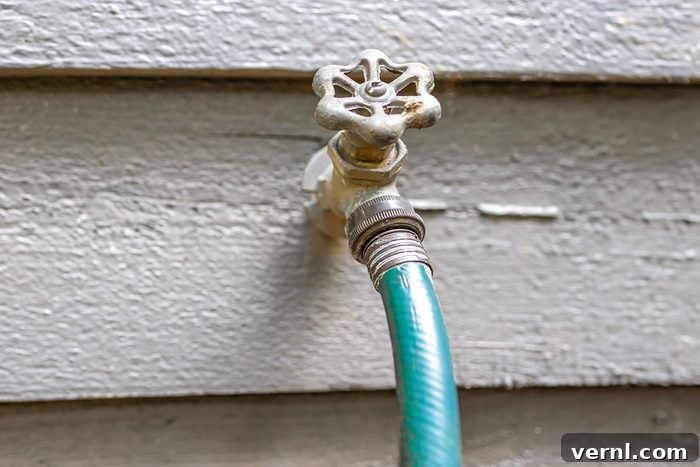
“One of the most effective strategies to prevent pipes from freezing is to completely shut off the water supply to those pipes and then drain them,” states Joseph Wade. This is particularly vital for outdoor spigots, irrigation systems, and homes or cabins that will be vacant for the winter season. Begin by disconnecting all hoses from exterior spigots and then leave the outside valve open to ensure any residual water can escape. For seasonal properties, locate your main water shut-off valve, turn it off, and then open all indoor and outdoor faucets to completely drain the entire plumbing system. Don’t overlook your irrigation system; it’s essential to shut off its water supply and thoroughly drain it, often requiring a professional blow-out using an air compressor to remove all water from the lines. This simple act eliminates the water that could freeze, preventing any potential burst.
3. Promote Heat Circulation Throughout Your Home
During periods of intense cold, pipes located under kitchen and bathroom sinks, especially those on exterior walls, are highly vulnerable. TJ Laury recommends a straightforward solution: “Keep cabinet doors open to allow the warmer ambient air from your home to circulate into the sink cabinets.” This prevents cold pockets from forming around the pipes. Additionally, Elizabeth Shavers suggests keeping all interior doors open throughout your house. This facilitates the free circulation of heat, ensuring that warm air reaches every corner and reduces the risk of cold spots where pipes might freeze. If certain areas remain stubbornly cold, Joe Haycock advises, “Keep a space heater handy. In extreme cold, strategically place it in areas where pipes are known to run, always maintaining a safe distance from combustibles and following all safety guidelines.”
4. Seal Cold Air Leaks and Drafts
This critical tip from Justin Cornforth emphasizes proactive draft sealing: “Systematically check for drafts near basement windows, crawl space vents, and around pipe penetrations through walls. If you feel a noticeable draft, any nearby pipes are at a significantly higher risk of freezing.” Cold air infiltrating these openings can rapidly lower the temperature around your pipes. While temporary solutions like cardboard or rags can buy you time, the long-term fix involves sealing these gaps properly. Use high-quality caulk for smaller cracks and spray foam insulation for larger voids around utility lines. Weatherstripping can be applied to windows and doors in unheated spaces. Addressing these air leaks not only protects your pipes but also contributes to improved energy efficiency and lower heating bills.
5. Maintain Consistent and Appropriate Water Pressure
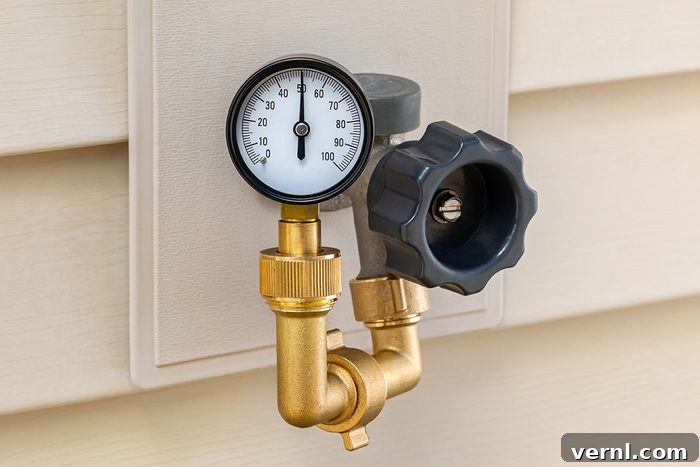
“Excessively high water pressure can insidiously weaken pipes and fittings over time, making them far more susceptible to bursting, not just from freezing, but also from everyday stress,” warns Elizabeth Shavers. The constant strain of high pressure can cause microscopic cracks to form, which can then expand dramatically if the water inside freezes. It’s advisable to check the pressure gauge on your main water supply system; ideally, it should register around 50-60 psi (pounds per square inch). If your pressure consistently reads above this range, you can typically adjust it downward using the valve on your home’s pressure regulator. If you’re unsure how to do this, consult a professional plumber to prevent accidental damage to your system.
6. Know Your Shut-Off Valves and Test Them
Before the severity of winter truly sets in, it’s absolutely crucial to familiarize yourself with the location of all your main and individual fixture shut-off valves. More importantly, test each one to ensure it operates smoothly and isn’t stuck. “In the unfortunate event of a pipe burst, your fastest and most effective defense is to quickly turn off the appropriate shut-off valve,” Justin Cornforth stresses. “Every second wasted translates to roughly a gallon of water pouring into your home, causing escalating damage.” Being prepared means not only taking preventative steps but also having an immediate emergency response plan. Knowing precisely where and how to shut off your water supply can drastically mitigate damage and save you thousands in restoration costs.
7. Allow Faucets to Drip During Extreme Cold
This tried-and-true method is a simple yet highly effective way to prevent pipes from freezing, especially during particularly frigid nights. “During periods of extreme cold weather,” TJ Laury explains, “two simple actions can significantly reduce the risk of frozen pipes: opening the cabinets beneath your sinks and letting your faucets drip.” As discussed earlier, keeping cabinet doors open allows warm air to reach vulnerable pipes. The continuous, slow drip from a faucet, ideally from both hot and cold lines, keeps water in constant motion within the pipes. This constant movement prevents the water from settling and forming ice crystals, thus significantly lowering the risk of a freeze. While it may seem like a waste of water, the minimal amount used in a slow drip is negligible compared to the thousands of gallons of water and extensive damage a burst pipe can cause.
8. Assemble an Emergency Anti-Freeze Kit
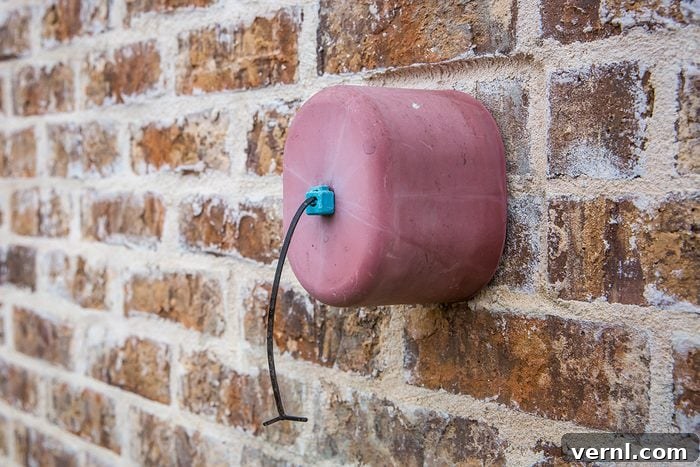
Despite your diligent preparations, extreme and prolonged cold weather can sometimes overwhelm even the best preventative measures. Justin Cornforth wisely suggests assembling an emergency anti-freeze kit. This kit should ideally include a small, UL-listed electric space heater for targeted warming of vulnerable areas, a roll of self-regulating heating cable or high-quality heat tape, a few foam faucet covers for exterior spigots, and even a couple of old towels or blankets that can be quickly wrapped around a pipe in a pinch. Having these items readily accessible can provide crucial temporary protection or help thaw a partially frozen pipe before it bursts, potentially saving your home from severe water damage.
9. Embrace Smart Home Technology for Enhanced Protection
“In the modern era, smart home technology has emerged as an incredibly reliable and robust line of defense for homeowners,” observes Joseph Wade. Innovative smart sensors and automatic shut-off valves, typically installed by professional plumbers, are powerful tools designed to detect problems before they escalate. These sensors can monitor drastic temperature drops in vulnerable areas, alerting you via a smartphone app. More advanced systems can also detect the presence of water where it shouldn’t be, signaling a leak. If a problem is detected, these smart systems can automatically trigger the main water shut-off valve, instantly halting the flow of water and preventing significant water damage. This level of proactive, remote monitoring offers unparalleled peace of mind, especially for those who travel frequently or have second homes.
Preventing Pipes From Freezing When You Have No Heat
Losing heat in the dead of winter is a homeowner’s nightmare, but swift action can prevent frozen pipes. The strategy depends on the expected duration of the heat loss.
- For Short-Term Heat Loss (a few hours to a couple of days): Immediately open cabinet doors under sinks, let faucets drip steadily (both hot and cold), and apply temporary insulation like old towels or blankets to any visibly exposed pipes. If possible and safe, deploy electric or propane space heaters in the coldest, most vulnerable areas where pipes run, ensuring they are operated according to safety guidelines and never left unattended or near flammable materials.
- For Extended Heat Loss (several days or longer): Our experts unanimously agree that the most effective and safest strategy is to shut off the main water supply to your home and thoroughly drain all pipes. This involves opening all faucets (hot and cold), flushing toilets, and draining any appliances connected to the water supply. While an inconvenience, it’s the most reliable way to prevent widespread freezing and bursting when your home will be without heat for an extended period.
Proactive Leak Prevention: How to Prevent Water Leaks Before Winter Comes
Beyond preventing freezing, addressing existing vulnerabilities is key. Our experts concur with Joe Haycock’s astute advice: “It is absolutely vital to address even the smallest leaks and signs of corrosion well in advance of winter’s arrival.” What might seem like a minor drip in warmer months can transform into a catastrophic burst pipe once temperatures plummet. Freezing water expands with immense force, and even a tiny crack or weakened fitting can give way under this pressure. Take the time to meticulously inspect all plumbing fixtures, connections, and exposed pipes for any signs of dampness, rust, or mineral deposits that indicate a leak. Ensure all fittings are securely tightened and verify that your home’s water pressure remains at an appropriate and consistent level. Proactive leak detection and repair are indispensable components of a comprehensive winter pipe protection plan.
Frequently Asked Questions About Frozen Pipes
At What Temperature Do Pipes Freeze?
While water itself freezes at 32°F (0°C), pipes typically require significantly colder ambient temperatures to actually freeze. Our panel of experts collectively agrees that the air temperature usually needs to reach approximately 20°F (-6°C) or lower, and remain at that level for several consecutive hours, for water inside pipes to begin freezing. Factors like wind chill, pipe exposure, insulation quality, and water movement (or lack thereof) can influence how quickly this occurs.
What’s the Minimum Temperature to Keep Pipes From Freezing in a Home?
Justin Cornforth offers practical guidance on setting your thermostat: “If your house is well-insulated and relatively new, maintaining an indoor temperature of at least 55 degrees Fahrenheit (13°C) should generally be sufficient to prevent pipes from freezing.” However, he cautions, “If you reside in an older home with known poor insulation or drafty areas, it’s safer to aim for a minimum indoor temperature of 60 degrees Fahrenheit (16°C) to provide an adequate buffer against freezing.”
What Are the Signs of a Frozen Pipe (Before It Bursts)?
Before a pipe bursts, there are usually tell-tale signs. The most common is a complete loss of water pressure or no water flow from a specific faucet. You might also notice frost on the exterior of an exposed pipe, or hear gurgling or banging noises from your plumbing system as water struggles to pass through an ice blockage. A distinct sewage-like odor can also indicate a blockage. If you suspect a frozen pipe, locate the affected area and look for these warning signs.
What Should I Do If I Discover a Frozen Pipe That Hasn’t Burst?
If you find a frozen pipe, immediate and careful action is crucial to prevent it from bursting. First, turn off the main water supply to your house. Then, open the faucet connected to the frozen pipe. You can attempt to thaw the pipe using a hairdryer, a heating pad, or towels soaked in hot water wrapped around the pipe. Always start thawing from the faucet side, working your way back towards the main water supply. Never use an open flame device like a blowtorch, as this poses a significant fire hazard and can damage the pipe. If you can’t locate the frozen section or are unsure, call a professional plumber.
Can PEX Pipes Freeze and Burst?
PEX (cross-linked polyethylene) piping is significantly more flexible and resilient to freezing temperatures than traditional copper or PVC pipes. PEX can expand to accommodate ice formation without bursting, often returning to its original shape once thawed. However, while PEX is more resistant, it is not entirely immune. Repeated freezing and thawing cycles can still weaken PEX over time, and extreme cold can eventually cause it to fail, particularly at fittings. Therefore, while PEX offers an advantage, it’s still essential to follow all preventative measures to protect PEX pipes from freezing.
When Should I Call a Professional Plumber?
It’s always wise to call a professional plumber if you encounter any of the following situations: you can’t locate your main water shut-off valve, you suspect a pipe has already burst, you’re unable to thaw a frozen pipe safely, you need assistance draining an entire system for winterization, or you’re considering installing smart home pipe protection technology. Professionals have the expertise, tools, and experience to safely diagnose and resolve complex plumbing issues, preventing further damage and ensuring your system is prepared for winter.
About Our Plumbing and HVAC Experts
- Elizabeth Shavers serves as the General Manager for HVAC and Plumbing at Oncourse Home Solutions, bringing extensive knowledge in home system maintenance.
- Joe Haycock is the esteemed Vice President at Fresh Air Concepts, LLC, a company renowned for its specialized HVAC and plumbing services.
- Justin Cornforth is the dedicated owner of Ace Home Co, a family-owned enterprise established in 2017 with a strong commitment to community service.
- Joseph Wade holds the position of Vice President of Operations at Benjamin Franklin Plumbing, overseeing operations across more than 300 locations throughout North America.
- TJ Laury is a co-owner and President of Ben’s ProServ, a successful venture founded alongside his father, Ben, and brother-in-law, Stan.