As temperatures rise, finding effective and efficient ways to cool your home becomes a top priority. While central air conditioning remains a popular choice, it’s not the only solution. From energy-saving whole-house fans to versatile portable units and innovative ductless systems, a wide array of options exists to help you achieve optimal indoor comfort. This comprehensive guide explores various home cooling systems, detailing their mechanisms, advantages, disadvantages, and ideal applications, empowering you to make an informed decision for your living space and budget. Discover how these diverse cooling technologies can transform your home into a refreshing sanctuary, enhancing both comfort and energy efficiency.
Experience Efficient Cooling with a Whole-House Fan
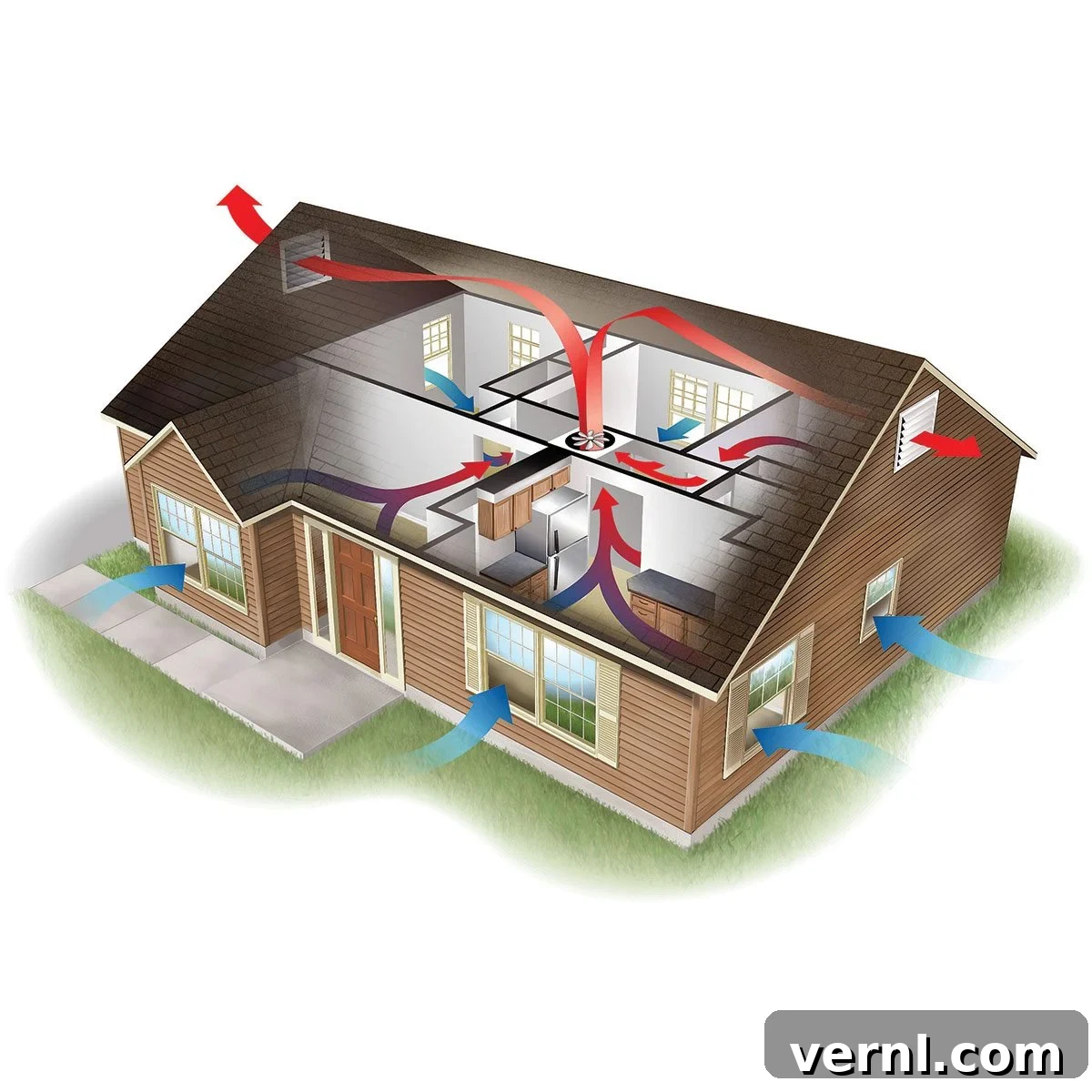
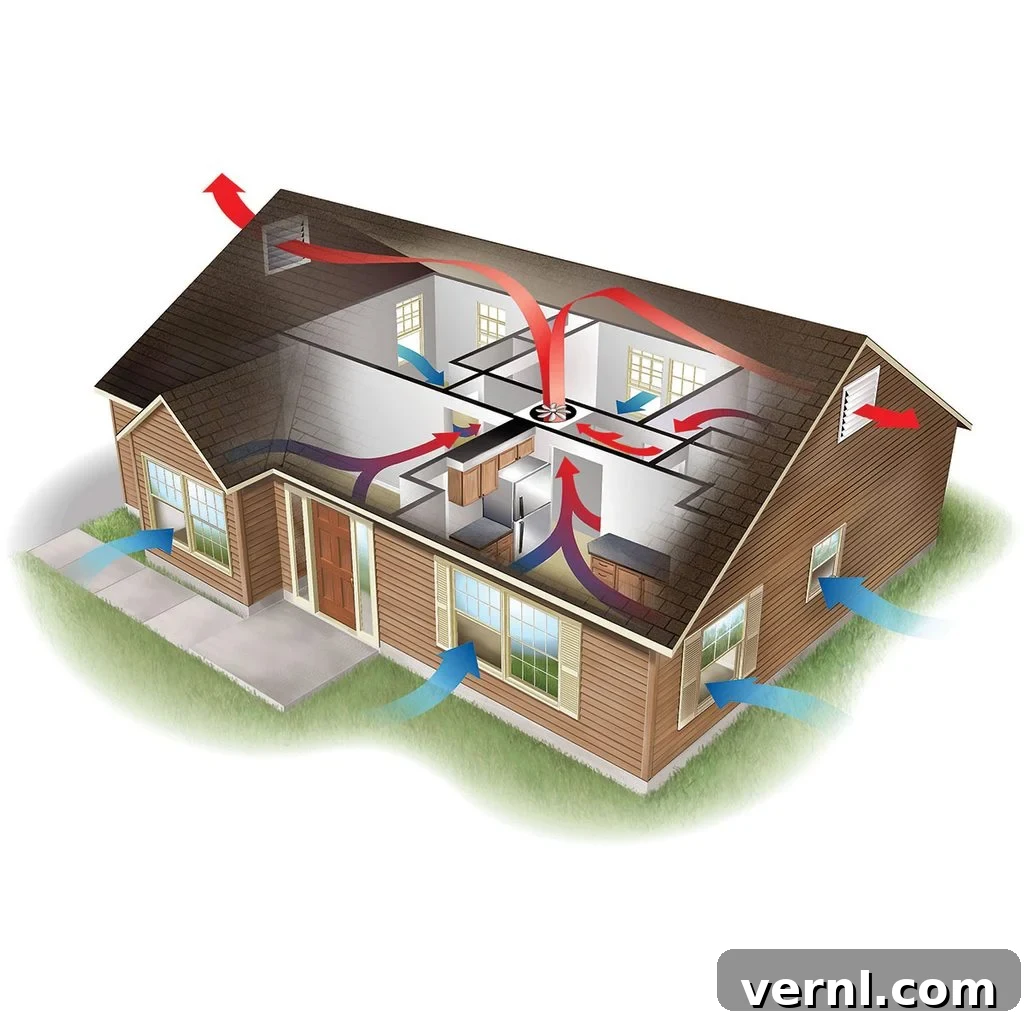
Whole-house fans, often perceived as an old-fashioned cooling method, are currently experiencing a significant resurgence in popularity, and for good reason. Their operational principle is remarkably straightforward yet highly effective. Installed typically in an upstairs ceiling, often in a stairwell or hallway, a powerful whole-house fan is designed to draw in the cooler air from outside – usually present during early mornings and evenings – through open windows and doors throughout your home. This fresh, cooler air then sweeps through your living spaces, displacing the warmer, stagnant air, and is subsequently pushed up into the attic and out through your roof vents. This continuous air exchange not only cools the interior of your house but also expels trapped heat from your attic, which is crucial since a hot attic can significantly contribute to overall indoor temperatures.
For optimal performance, these fans require at least three feet of clear space above their mounting location in the attic to ensure proper airflow and functionality. They are a fantastic alternative or supplement to traditional air conditioning, especially in climates characterized by warm days and noticeably cooler nights.
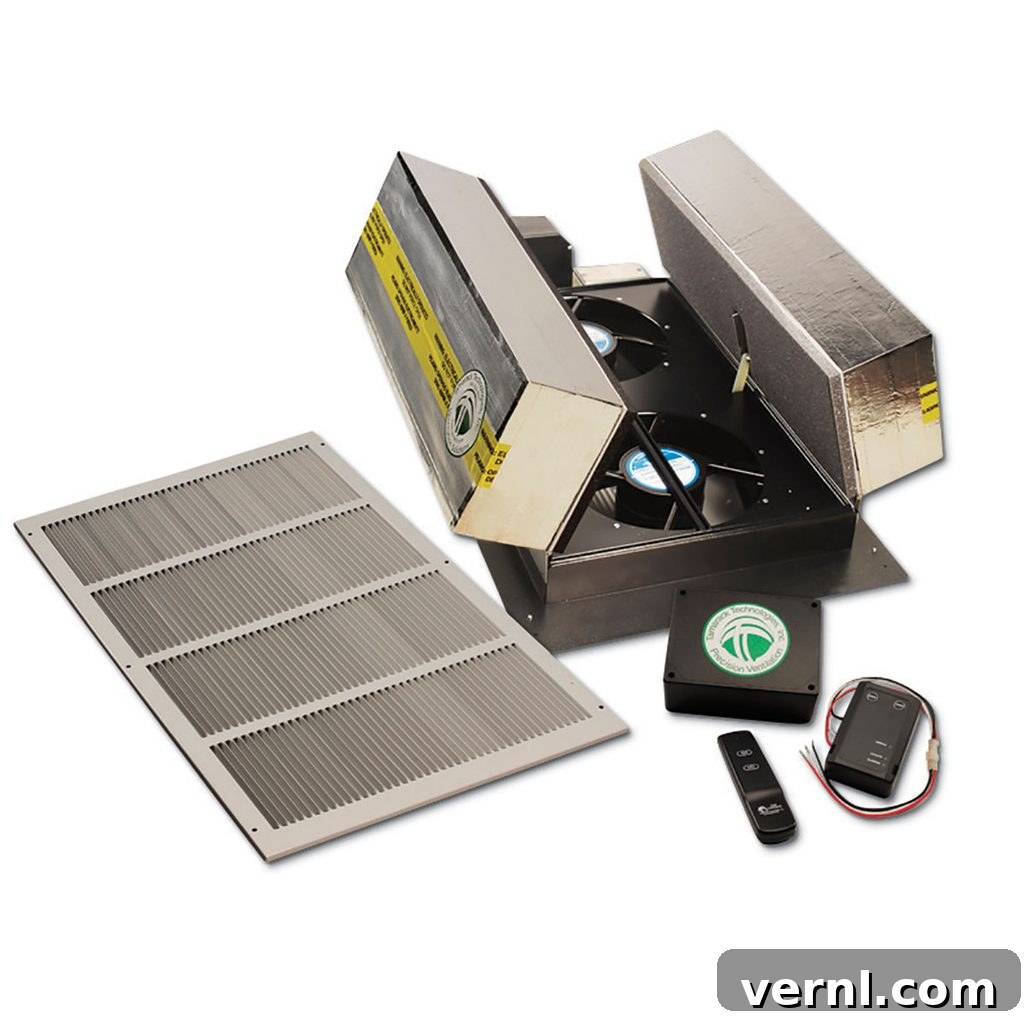
Modern whole-house fans often come equipped with insulated doors that automatically seal when the fan is not operating, preventing conditioned air loss.
Key Advantages of Installing Whole-House Fans
- Remarkable Energy Efficiency: One of the most compelling benefits of a whole-house fan is its incredibly low energy consumption. These fans typically use up to 90 percent less electricity compared to a conventional central air conditioner. In many dry climates with distinct cool mornings and evenings, a whole-house fan can even serve as a complete replacement for your AC system, leading to substantial savings on utility bills.
- DIY-Friendly Installation: For homeowners with basic DIY skills and tools, installing a whole-house fan is an achievable weekend project. With the help of a friend, you can significantly cut down on installation costs, making it a more budget-friendly cooling solution.
- Enhanced Insulation with Modern Designs: Newer attic fan and whole-house fan models often feature cleverly designed insulated doors. These doors automatically close within approximately 30 seconds when the fan powers down, effectively preventing heat transfer between your living space and the attic, thus enhancing overall thermal efficiency.
- Improved Indoor Air Quality: By constantly drawing in fresh outdoor air, whole-house fans can help improve indoor air quality by expelling stale air, odors, and indoor pollutants. This can create a fresher, more invigorating living environment.
Considerations and Disadvantages of Whole-House Fans
- Limited Cooling and Dehumidification: It’s important to remember that whole-house fans can only cool your home to the ambient outdoor temperature; they cannot cool below it. Furthermore, they do not offer dehumidification capabilities, which might be a drawback in humid climates.
- Potential for Allergy Aggravation: Because these fans pull in large volumes of outdoor air, they can draw in pollen, dust, and other allergens, potentially exacerbating allergy symptoms for sensitive individuals. Consider this factor if you or your family members suffer from severe allergies.
- Size, Noise, and Ventilation Requirements: While larger whole-house fans are highly effective at moving air quickly, they typically come with a higher purchase price and installation cost. They also demand significant attic ventilation to operate efficiently and can generate more noise than smaller attic fans. It’s crucial to match the fan size to your home’s specific needs to avoid these issues.
To ensure you select the best whole-house fan for your specific needs, carefully match the fan’s capacity to your home’s floor plan, your cooling requirements, and the existing attic ventilation. Additionally, contact your local utility company and consult energystar.gov to inquire about models that qualify for local rebates or potential federal tax credits, which can further reduce your overall investment.
Achieve Flexible Cooling with a Portable Air Conditioner
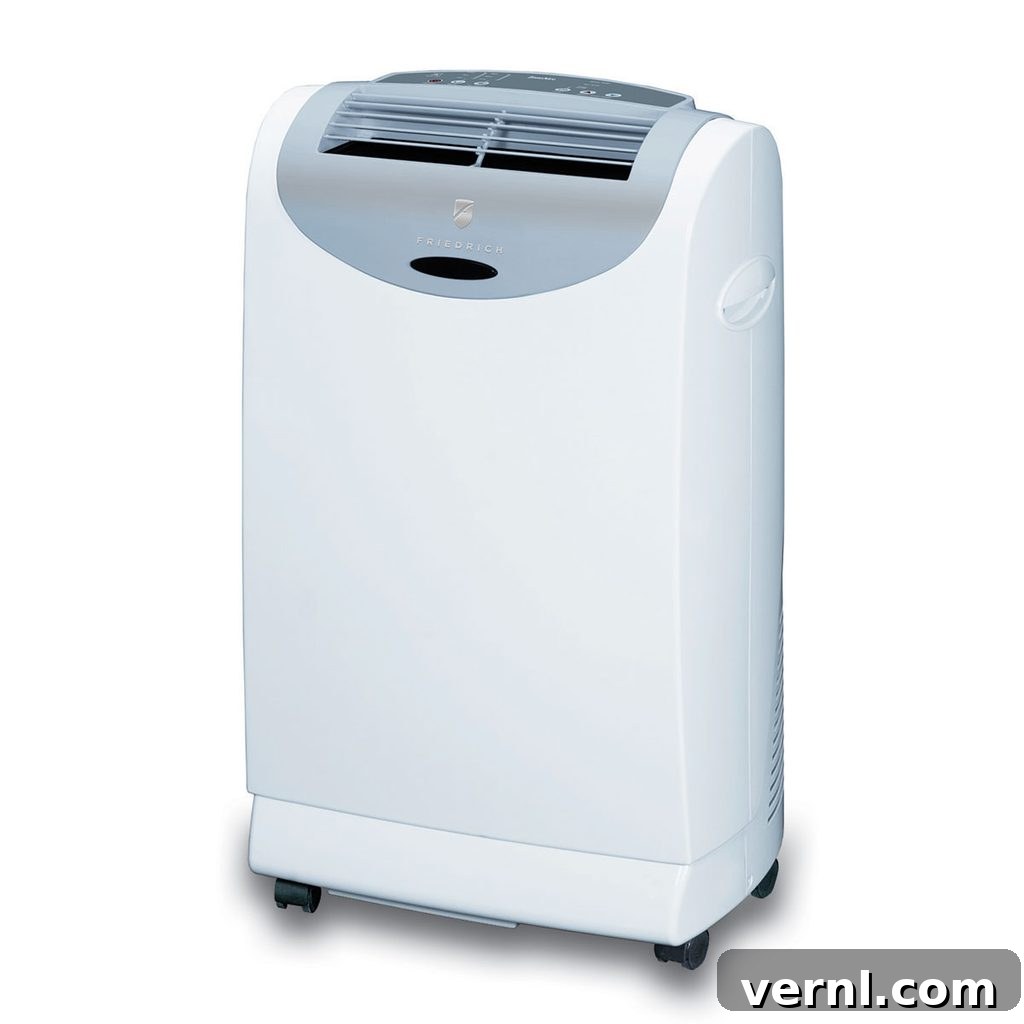
Portable air conditioners offer a convenient and adaptable alternative to traditional window units, especially for renters, those with challenging window configurations, or homeowners seeking spot cooling. These self-contained units are designed for ease of operation and, thanks to their integrated casters, can be effortlessly moved from one room to another. This mobility is a significant advantage, allowing you to cool only the space you’re currently occupying, thereby potentially saving energy compared to cooling an entire house.
Operationally, portable AC units function much like window air conditioners. They sit on the floor and utilize an adapter kit to vent hot air to the outside through a flexible exhaust hose. This hose can be routed through a standard window, a dedicated wall vent, or even a sliding glass door, making them versatile for various room setups. While offering great flexibility, it’s worth noting that portable units generally come with a higher upfront cost and tend to use more energy than a comparably sized window unit, a trade-off for their unmatched convenience.
Advantages of Portable Air Conditioners
- Effortless Installation and Operation: Portable AC units are renowned for their user-friendliness. Installation typically involves simply connecting the exhaust hose to a window venting kit, a process that takes mere minutes and requires no permanent modifications to your home. Operation is equally straightforward, usually involving a remote control or simple on-unit controls.
- Unmatched Mobility and Versatility: The ability to easily move a portable air conditioner from room to room is its greatest strength. This makes it an ideal solution for cooling different areas of your home as needed, or for temporary situations such as a guest room or a home office that only requires cooling during specific hours. They are also an excellent choice for apartments or homes where window units are not permitted or practical.
- No Window Obstruction (Minimal): While the exhaust hose needs to be vented, the main unit does not permanently block a window like a window AC unit, allowing more natural light into the room when not in use.
Disadvantages of Portable Air Conditioners
- Higher Cost and Energy Consumption: Portable air conditioners are typically almost twice as expensive to purchase and consume more energy than a window unit of equivalent cooling capacity. This can lead to higher operating costs over time, offsetting some of their convenience benefits.
- Lack of Energy Star Qualification: As of the current standards, there are generally no Energy Star-qualified portable room air conditioners available on the market. This indicates that they may not meet the highest energy efficiency benchmarks set for other cooling appliances, potentially impacting long-term energy savings.
- Less Efficient Cooling: Because they vent heat through a hose, portable AC units can create negative air pressure in a room, drawing in unconditioned air from other parts of the house or from outside, which can reduce their overall cooling efficiency.
- Noise Levels: As the compressor, fan, and other operational components are all housed within the room, portable AC units can sometimes be noisier than split systems or central air conditioners.
Portable air conditioners vary significantly in price, ranging from approximately $300 to $1,500. The cost is influenced by factors such as cooling capacity (BTUs), included features like dehumidifier functions or smart controls, and overall energy efficiency ratings.
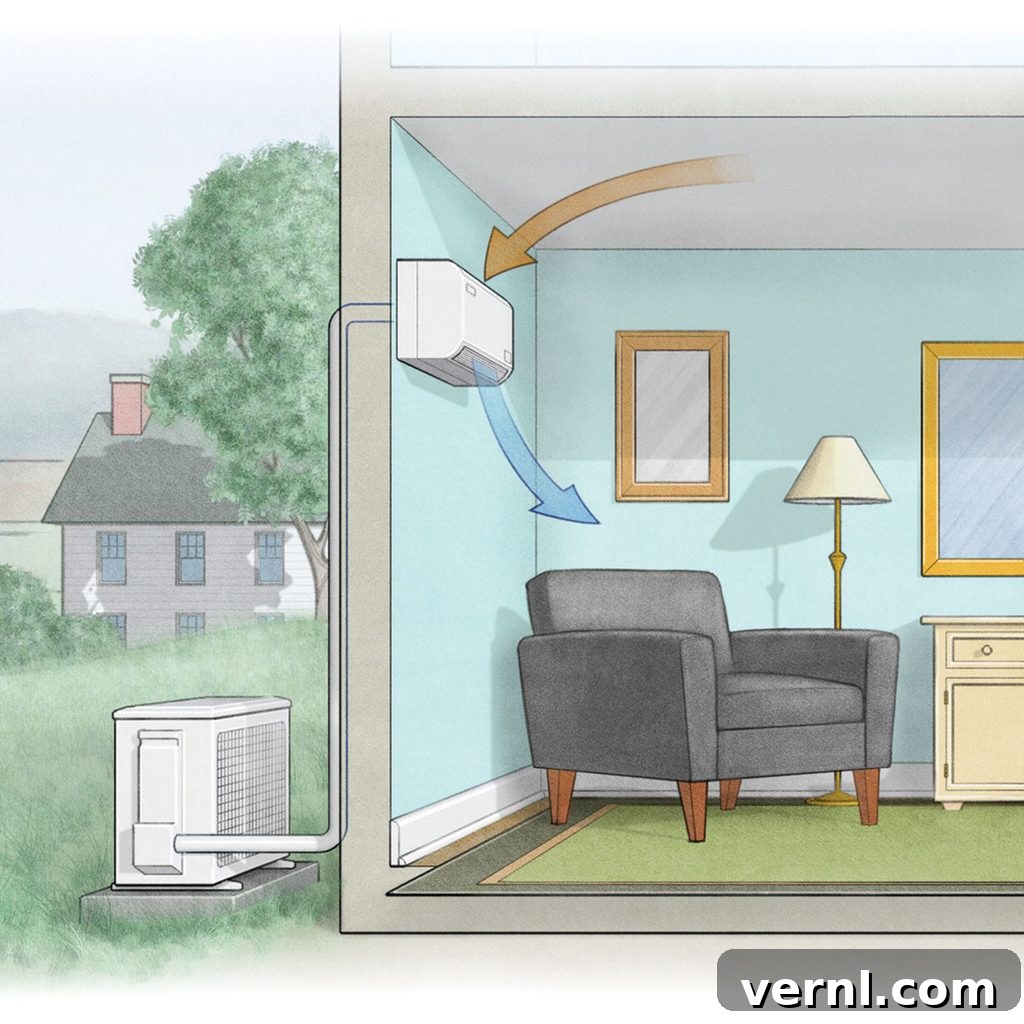
Install a Quiet and Efficient Mini-Split System for Targeted Cooling
Mini-split air conditioning systems, also known as ductless AC systems, have long been a favored cooling solution in Europe and Japan and are rapidly gaining popularity in North America. They represent a sophisticated hybrid, combining the benefits of central air conditioning with the localized control of a window unit, but without the need for extensive ductwork. A typical mini-split system consists of a compact outdoor condenser unit that is connected to one or more sleek indoor evaporator units via a small conduit.
These indoor units are generally mounted high on a wall or ceiling, offering a discreet and aesthetically pleasing appearance. The beauty of mini-split AC systems lies in their ductless design, which eliminates energy losses associated with ductwork in traditional central air systems. This design also allows for individual zoning, meaning you can cool only the specific rooms or areas you are actively using, leading to substantial energy savings and reduced utility bills. Their small footprint, whisper-quiet operation, and precise temperature control make them an excellent choice for additions, renovated spaces, or homes without existing ductwork.
Advantages of Mini-Split Systems
- Quiet Operation and Enhanced Comfort: With the noisy compressor unit situated outside, mini-split systems are remarkably quiet indoors. The indoor fan operates at a whisper-quiet level, ensuring a peaceful and comfortable environment without the distracting hum often associated with window units. This makes them ideal for bedrooms, home offices, and living areas where tranquility is valued.
- Flexible and Discreet Installation: The compact size of both the indoor and outdoor components allows for immense flexibility in installation. The outdoor condenser unit can be placed inconspicuously outside your home, while the indoor evaporator units can be mounted almost anywhere, even in spaces where traditional AC might be impractical. The conduit, which houses the power cable, refrigerant tubing, suction tubing, and a condensate drain line, runs through a small three-inch hole in the wall, typically hidden neatly behind the indoor evaporator unit, maintaining a clean aesthetic.
- Precision Zoning for Maximum Efficiency: Mini-split systems offer unparalleled zoning flexibility. Each indoor unit can be controlled independently, allowing you to set different temperatures in different rooms or only cool the rooms that are occupied. This targeted approach to cooling significantly reduces energy waste, as you’re not paying to cool unused spaces, translating into considerable cost savings.
- Improved Indoor Air Quality: Many mini-split units come with multi-stage filtration systems that can effectively reduce allergens, dust, and bacteria in the air, contributing to a healthier indoor environment.
Disadvantages of Mini-Split Systems
- Professional Installation is Recommended (and Costly): While some adventurous homeowners might consider a DIY installation, mini-split systems are complex, requiring specialized tools and knowledge for proper refrigerant handling, electrical connections, and vacuuming the lines. Professional installation, which typically costs between $1,500 to $2,500 per indoor unit (including parts and labor), is highly recommended. Attempting a self-installation can easily void the manufacturer’s warranty and lead to costly operational issues if not done correctly.
- Higher Upfront Cost: The initial investment for a mini-split system can be higher than that of window units or even some central AC installations, especially if multiple indoor units are required. However, the long-term energy savings often offset this initial expense.
- Aesthetics (for some): While sleek, the indoor units are visible on the wall, which some homeowners might find less appealing than fully concealed central air vents.
Despite the higher upfront and installation costs, the long-term energy efficiency, zoning capabilities, and quiet operation of mini-split systems often make them a worthwhile investment for homeowners seeking precise and effective cooling solutions.
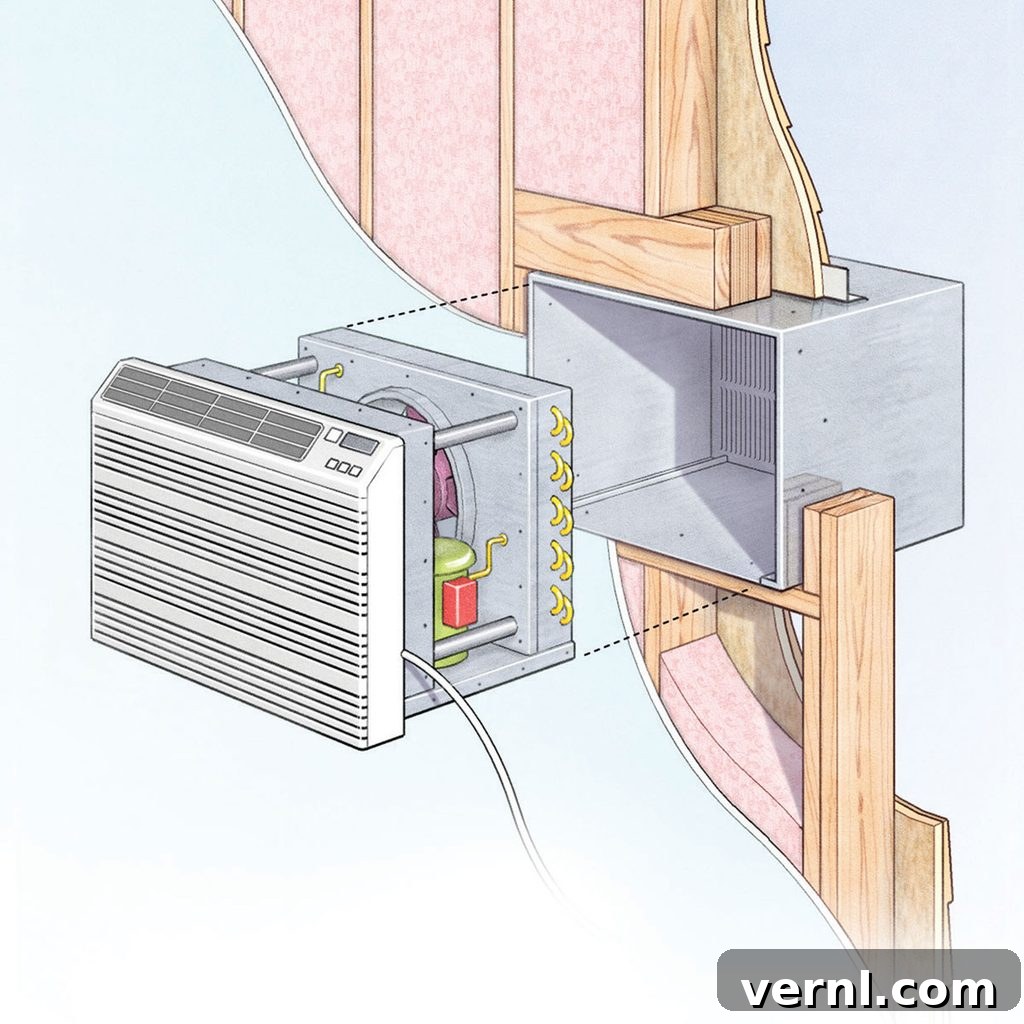
Streamlined Comfort with an In-Wall Air Conditioner
An in-wall air conditioner offers a permanent, hassle-free cooling solution that eliminates the annual chore of installing and removing a window unit. Essentially, an in-wall AC operates on the same principles as a traditional window unit, but its design allows for integration directly into your home’s exterior wall. The installation process is similar to framing a new window opening, requiring a custom-sized hole in the wall to accommodate the unit’s metal sleeve. The key distinctions lie in its venting mechanism—which primarily vents heat from the back rather than along the sides—and its flush or nearly flush exterior profile, extending only slightly beyond the outer wall.
This design makes in-wall units a more aesthetically pleasing and secure option compared to their window-mounted counterparts. They are particularly well-suited for homes where window access needs to remain unobstructed or where security is a primary concern.
Advantages of In-Wall AC Units
- Permanent and Secure Installation: The permanent nature of an in-wall AC means you’re freed from the twice-yearly struggle of lugging a heavy window unit in and out. This also significantly enhances home security, as a securely installed in-wall unit doesn’t present an easy entry point for potential intruders, unlike easily removable window units.
- Unobstructed Window Views: One of the most significant benefits is that in-wall units do not block your windows. This preserves natural light, maintains your view, and allows for the full functionality of your windows.
- Ease of Serviceability: The chassis unit of an in-wall air conditioner sits snugly within a pre-installed metal sleeve in the wall. This design allows the chassis to slide out easily for convenient servicing or replacement without needing to disturb the entire wall installation.
- Greater Cooling Capacity: Unlike window units which are often limited by standard window opening sizes, in-wall AC units can be larger and, consequently, more powerful. This makes them capable of cooling larger rooms or spaces more effectively than many window-mounted alternatives.
- Improved Aesthetics: With their flush or near-flush installation, in-wall units offer a much cleaner, more integrated look both inside and outside your home, contributing to better curb appeal and interior design.
Disadvantages of In-Wall AC Units
- Complex Installation: The primary drawback is the more involved installation process. Cutting a precise hole in the exterior wall of your home can be challenging, particularly depending on the type of exterior sheathing and structural elements. This often requires professional expertise in carpentry and potentially masonry.
- Potential Electrical Upgrades: Some larger in-wall units require a dedicated 240-volt electrical circuit, necessitating an electrical upgrade that can add to the overall installation cost. While many smaller units can operate on a standard 120-volt outlet, it’s crucial to verify the electrical requirements of your chosen model.
- Energy Consumption and Rebates: Modern Energy Star-qualified in-wall models are considerably more efficient, using approximately 25 percent less energy than units manufactured before late 2000. Always check with your local utility provider for potential energy rebates that can help offset the purchase and installation costs.
- Cost and Functionality: Prices for in-wall AC units typically range from $400 for models designed to cool a 400- to 700-square-foot room, up to around $700 or more for larger units that offer both cooling and heating capabilities for spaces up to 1,000 square feet. This dual functionality can be a great asset in regions experiencing both hot summers and chilly winters.
When considering an in-wall air conditioner, weigh the benefits of permanent, discreet, and powerful cooling against the initial installation complexity and potential electrical work.
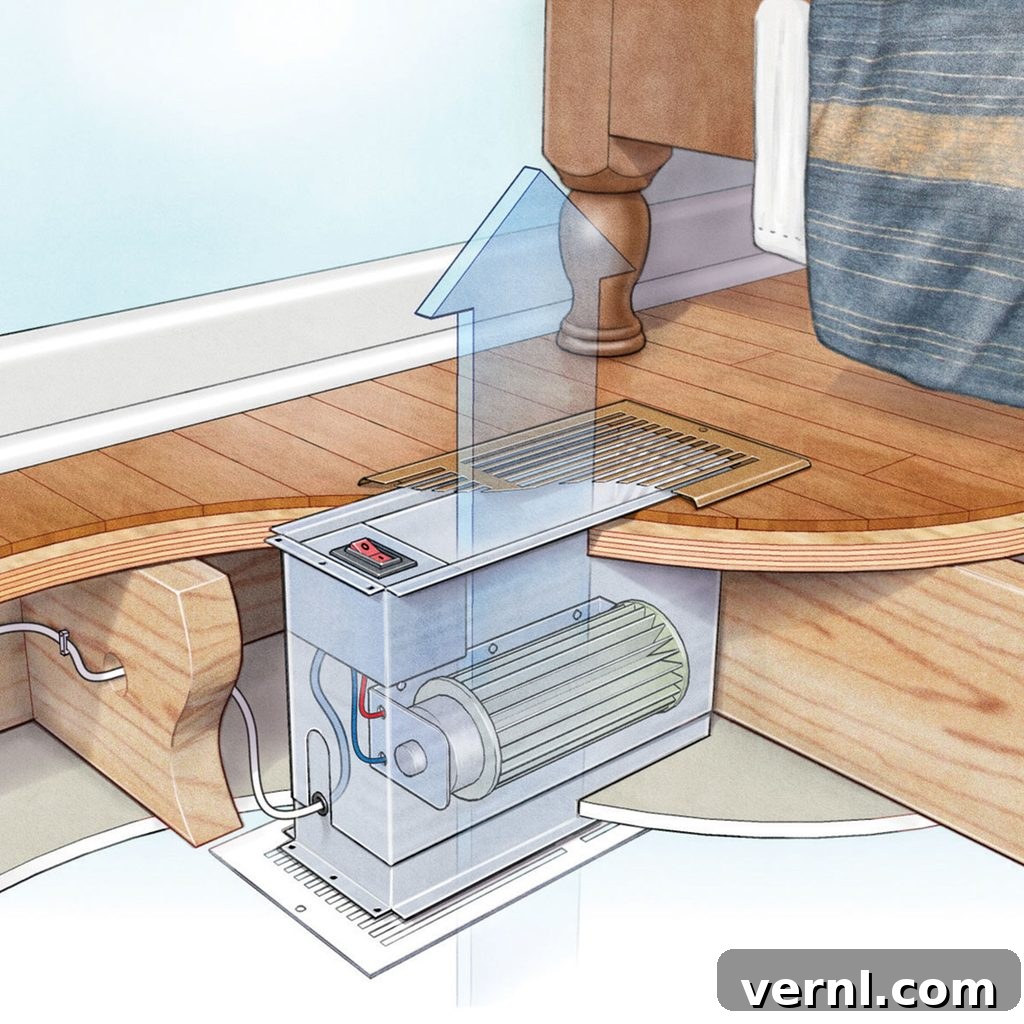
Optimize Air Circulation with a Ventilator Fan
Ventilator fans, distinct from cooling systems that generate cold air, are designed to efficiently redistribute existing cool air from one part of your home to another. This solution is particularly useful if you have a “hot spot” room in an otherwise comfortable house, or if you want to effectively move air from a basement, a room with a mini-split system, or an area that naturally stays cooler to a warmer adjacent space. Instead of incurring additional cooling costs, a ventilator fan leverages the existing cool air, making your home’s climate control more balanced and efficient.
These fans can be installed in a wall or floor, creating a direct pathway for air movement. They are an ingenious way to maximize the comfort provided by your current cooling setup without increasing your energy consumption for cooling.
Advantages of Ventilator Fans
- Zero Extra Cooling Costs: The primary advantage of ventilator fans is that they don’t generate cold air; instead, they simply move air that is already conditioned. This means you incur no additional cooling costs, making them an incredibly cost-effective solution for evening out temperatures across different rooms or levels of your home.
- Efficient Level-to-Level and Room-to-Room Air Movement: Level-to-level ventilator fans, like the one often shown installed through a floor/ceiling, are adept at moving existing cool air from one floor to another—for instance, drawing cool air from a naturally cooler basement or a room with a powerful mini-split system up to a warmer upper level. Conversely, these versatile fans can also blow conditioned air downwards, depending on the orientation of the blower unit. Similarly, room-to-room ventilator fans are specifically designed to facilitate air exchange between adjacent spaces, preventing temperature discrepancies.
- Enhanced Comfort in Hot Spots: If you have one room that consistently runs hotter than the rest of your house, a ventilator fan can provide targeted relief by directing cooler air into that space, making it much more comfortable without needing to blast the central AC.
- Wintertime Versatility: These fans aren’t just for summer! Level-to-level ventilator fans (typically around $200) can also be used effectively in the winter months to redistribute warm air from a heated room or a lower level throughout your living space, improving overall heating efficiency.
Disadvantages of Ventilator Fans
- Installation Requires Structural Modification: To install a ventilator fan, you will need to cut a hole through a wall or a floor/ceiling, which can be a more involved DIY project or may require professional assistance. Additionally, an electrical line needs to be run to power the unit, adding another layer of complexity to the installation.
- Dependent on Existing Cool Air: The effectiveness of a ventilator fan is entirely reliant on having a readily accessible source of existing cool air. If your entire home is hot, a ventilator fan will merely circulate warm air, offering no true cooling benefit. It is most practical when there’s a significant temperature differential between the source room and the target room.
- Limited Cooling Effect: These fans improve air circulation and temperature balance, but they do not actively cool the air. They are not a substitute for an air conditioner in truly hot environments where active cooling is required.
A ventilator fan is an excellent choice for optimizing your home’s existing climate control, enhancing comfort, and potentially reducing overall energy usage by distributing conditioned air more effectively.
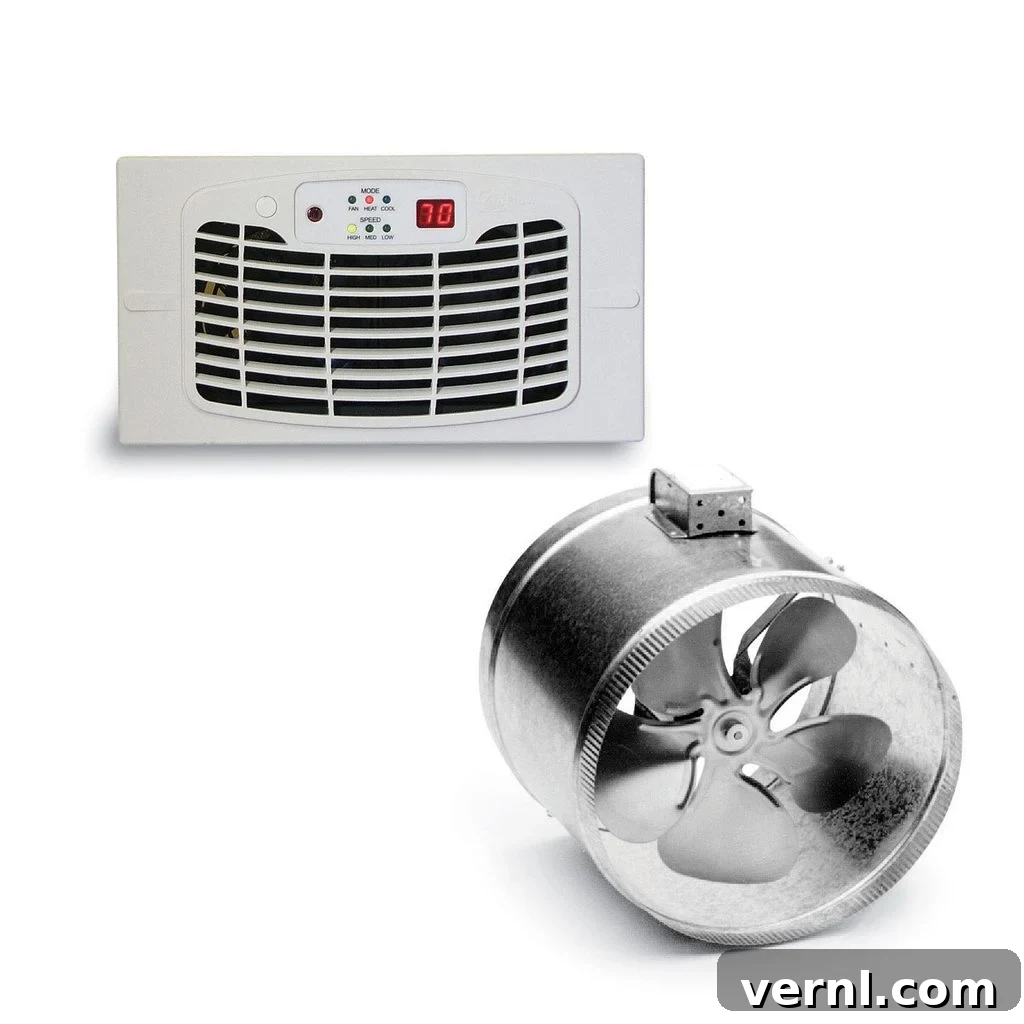
Boost Airflow with a Duct or Vent Booster Fan
If your home relies on forced-air cooling but you still contend with persistent hot spots – rooms that remain uncomfortably warm despite your central AC working hard – a duct or vent booster fan could be the targeted solution you need. These innovative fans are designed to increase the flow of cool air into specific rooms that aren’t receiving enough conditioned air from your main HVAC system. They effectively address imbalances in your ductwork, ensuring that every corner of your home benefits from your cooling efforts.
There are two primary types of booster fans to consider. Vent booster fans are designed to fit directly over or replace existing registers (floor, wall, or ceiling vents), actively pulling more air into the room. In-line duct booster fans, conversely, are installed inside the ductwork itself, typically near the outlet of the room you’re trying to cool. Both types are generally designed to operate automatically, kicking on only when your cooling system is running, making them an energy-efficient way to fine-tune your home’s comfort.
Key Advantages of Duct and Vent Boosters
- Simple Installation and User-Friendly Operation: Most duct and vent booster fans are straightforward to install. Vent boosters simply sit on top of or replace an existing register, often plugging into a nearby electrical outlet. In-line duct boosters require access to the ductwork but are generally designed for relatively easy integration. Once installed, many models offer automatic operation, sensing airflow or temperature, or can be controlled via a switch or even a remote control for added convenience.
- Affordable and Targeted Solution: Booster fans are a reasonably priced solution for addressing specific airflow issues without the need for expensive HVAC system overhauls. In-line duct booster fans are available in both plug-in and hard-wired models, typically retailing for $30 to $150. Vent and register booster units are similarly affordable, ranging from $40 to $100. This makes them a cost-effective way to achieve better temperature balance in your home.
- Increased Comfort in Problematic Rooms: By actively pushing more cool air into undersupplied rooms, these fans can significantly improve comfort levels, eliminating hot spots and creating a more evenly cooled environment throughout your home.
- Energy Efficiency: Since they only operate when your main cooling system is running, booster fans are an energy-efficient way to optimize existing airflow without adding significant electricity consumption.
Main Disadvantages and Considerations for Duct and Vent Boosters
- Potential for Noise and Rattling: Less powerful and cheaper in-line units often feature lighter-gauge housing, which can be more prone to rattling or vibration noise when in operation. Investing in a higher-quality, more robust unit can help mitigate this issue.
- Limited Effectiveness with Underlying Issues: Duct or vent booster fans may not yield a significant cooling difference if the root cause of your hot room is a more substantial problem with your HVAC system. This includes severely undersized ductwork, major leaks in the ducts, an overall inefficient or faulty cooling system, or a central AC unit that is simply too small for your home’s cooling load. In such cases, a booster fan might only mask the symptom rather than solve the underlying problem, and a professional HVAC inspection would be necessary.
- Drawbacks for Vent Boosters: Some vent booster models can slightly impede furniture placement due to their placement directly over a register.
When deployed correctly, a duct or vent booster fan can be an effective and economical way to improve air distribution and enhance comfort in rooms that struggle to stay cool.
Choosing the right home cooling solution depends heavily on your specific needs, climate, budget, and home’s structure. Whether you opt for the natural ventilation of a whole-house fan, the flexibility of a portable AC, the zoned efficiency of a mini-split system, the discreet integration of an in-wall unit, or the targeted circulation of a ventilator or booster fan, understanding each option’s strengths and weaknesses is key. By carefully evaluating these alternatives, you can achieve a cooler, more comfortable, and energy-efficient home tailored to your lifestyle.