Geothermal Heat Pumps: The Ultimate Eco-Friendly Heating & Cooling Solution for Your Home
As homeowners increasingly prioritize both financial savings and environmental responsibility, the geothermal heat pump stands out as a superior choice for year-round comfort. This innovative system taps into the earth’s consistent temperature to provide highly efficient heating, cooling, and even hot water for your residence. Far more than just a modern convenience, geothermal technology represents a significant leap forward in sustainable living, offering unparalleled energy efficiency and a minimal environmental footprint.
Unlike conventional HVAC systems that rely on burning fossil fuels or extracting heat from fluctuating outdoor air, a geothermal heat pump utilizes the stable temperatures just a few feet beneath the earth’s surface. This constant thermal energy makes geothermal systems incredibly efficient, drastically reducing your home’s energy consumption and utility bills. If you’re planning to upgrade your heating system, exploring eco-friendly heating systems like geothermal is a wise investment in your comfort, your wallet, and the planet.
Before making such a significant investment, it’s crucial to understand the intricate workings, myriad benefits, and potential considerations associated with buying a geothermal heat pump. Let’s delve deeper into why this technology is gaining immense popularity among forward-thinking homeowners.
Understanding How Geothermal Heat Pumps Work
The fundamental principle behind a geothermal heat pump is elegantly simple, yet remarkably effective. Below approximately four feet, the earth maintains a remarkably consistent temperature, typically between 50 to 55 degrees Fahrenheit, regardless of the seasonal extremes above ground. This constant subterranean temperature is the key to geothermal energy.
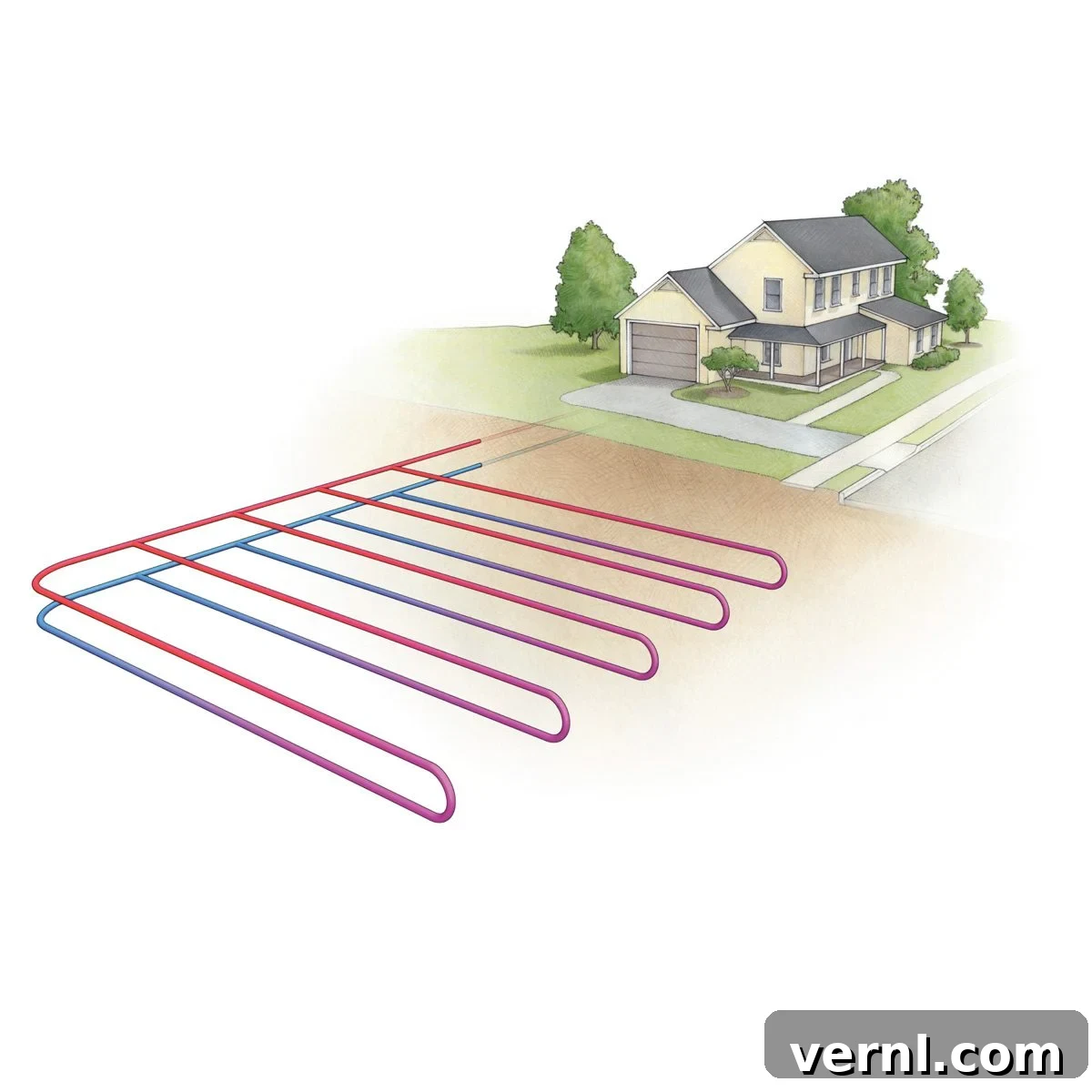
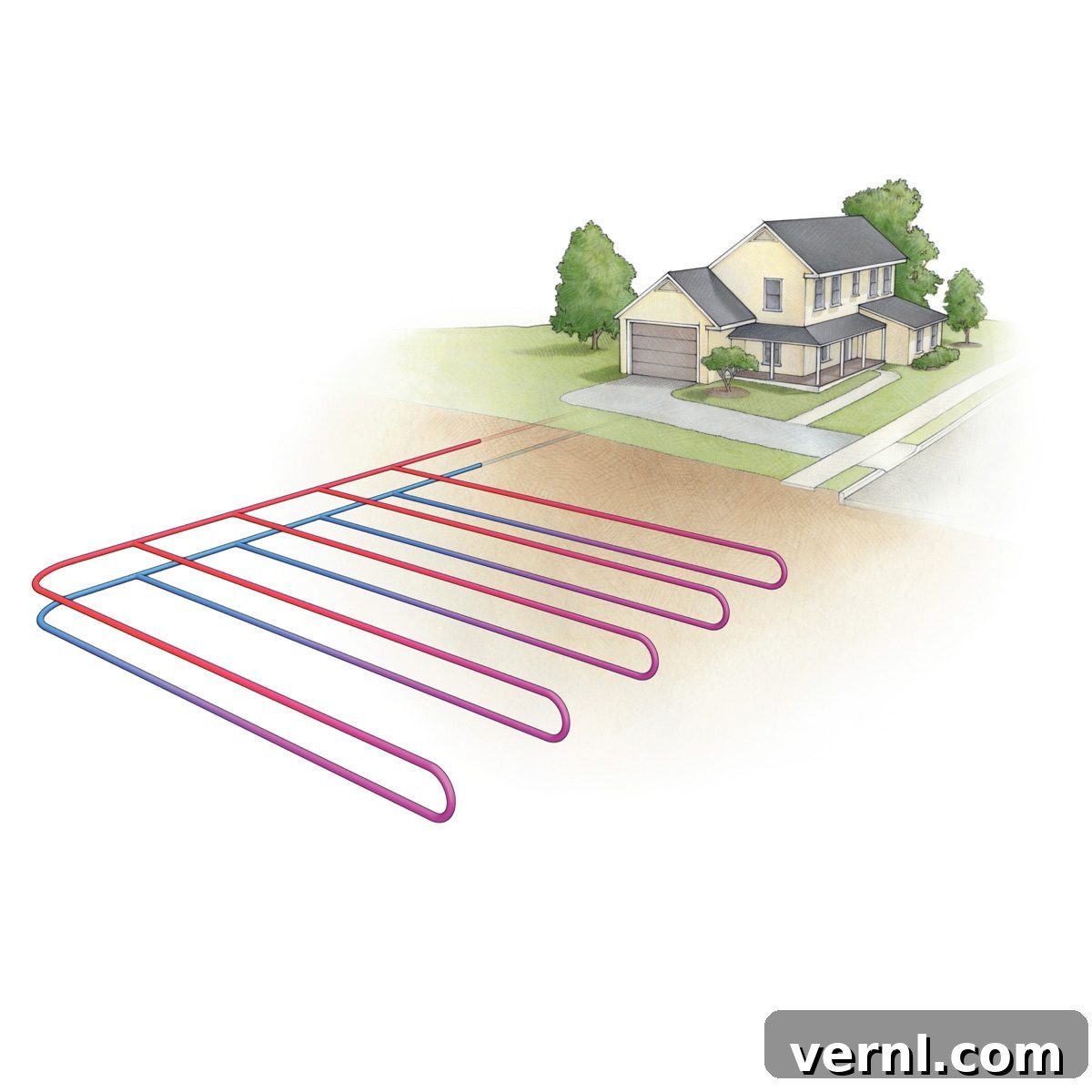
A geothermal system comprises three main components: the heat pump unit (usually located indoors), the ground loop (a buried network of polyethylene tubing), and the heat distribution system (your home’s existing ductwork or radiant floor system). A solution of water and anti-freeze circulates through the sealed loop field, which acts as a heat exchanger. In winter, this solution absorbs heat from the warmer ground and carries it to the indoor heat pump, which then concentrates the heat and distributes it throughout your home. In summer, the process reverses: the system extracts heat from your home’s air and transfers it to the cooler earth via the ground loop, effectively cooling your living space.
This ingenious heat transfer mechanism, inspired by our ancestors’ use of caves for stable environments, requires very little electricity – only enough to power the fan, compressor, and pump. The result is a heating and cooling system that doesn’t generate heat through combustion but rather moves it, making it extraordinarily efficient and environmentally benign.
Major Advantages of Geothermal Heat Pumps
1. Unrivaled Energy Efficiency and Cost Savings
The most compelling benefit of a geothermal heat pump is its exceptional energy efficiency. Because it simply moves heat rather than creating it, a geothermal system can deliver several units of heating or cooling for every unit of electricity it consumes. This translates into heating efficiencies 3 to 6 times greater than conventional fossil-fuel furnaces and cooling efficiencies 25 to 50 percent higher than standard air conditioners.
Homeowners equipped with geothermal systems often see their heating and cooling costs reduced by 40% to 70%. Over the lifespan of the system, these savings can amount to tens of thousands of dollars, making the initial investment highly worthwhile. Furthermore, many governments offer significant tax credits, grants, and rebates for geothermal installations, further reducing the upfront cost and accelerating the return on investment (ROI).
2. Environmental Stewardship and Reduced Carbon Footprint
Geothermal heat pumps are a cornerstone of sustainable living. Since they do not rely on burning fossil fuels, they produce zero on-site greenhouse gas emissions. This drastically reduces your home’s carbon footprint and dependence on non-renewable energy sources. Choosing geothermal is a proactive step towards mitigating climate change and promoting a cleaner, healthier environment for future generations. It leverages a renewable energy source – the earth’s stored solar energy – making it one of the greenest HVAC options available.
3. Enhanced Comfort and Consistent Performance
Traditional HVAC systems often lead to temperature fluctuations, causing uneven heating or cooling. Geothermal systems, however, provide incredibly consistent temperatures throughout your home. The steady supply of heat or coolness, derived from the stable ground temperature, eliminates drafts and cold spots in winter and provides reliable, even cooling in summer. Many geothermal units also offer superior humidity control, contributing to a more comfortable indoor environment year-round.
4. Exceptional Durability and Longevity
Geothermal systems are built to last. The indoor heat pump unit typically has a lifespan of 20-25 years, comparable to or even longer than conventional furnaces and air conditioners. The ground loops, however, are made of durable polyethylene and are buried underground, protecting them from harsh weather conditions and physical damage. These loops are designed to last for 50 years or even longer, often outliving the home itself. This incredible longevity means less frequent replacements and maintenance compared to conventional HVAC equipment, further enhancing long-term savings.
5. Aesthetically Pleasing and Quiet Operation
With a geothermal heat pump, you don’t need to worry about a large, noisy outdoor condenser unit detracting from your home’s curb appeal. Since the loop field is buried underground, it’s completely out of sight. The indoor unit is often installed in a utility room, basement, or attic, and operates with remarkable quietness, typically making no more noise than an average refrigerator. This absence of outdoor equipment also protects it from vandalism, severe weather, and rust, contributing to its durability.
6. Integrated Hot Water Heating (Desuperheater)
During the summer months, when the geothermal heat pump is in cooling mode, it extracts heat from your home and transfers it to the ground. A significant portion of this excess heat can be diverted to your hot water tank through a component called a desuperheater. This process preheats your domestic hot water, making your water heater work less and reducing its energy consumption, often providing nearly free hot water during the cooling season. In some cases, a geothermal system can even be integrated with a dedicated hot water tank to provide year-round hot water heating, further maximizing energy savings.
Considerations Before Investing in Geothermal Heat Pumps
1. Higher Initial Investment
One of the primary considerations for homeowners is the upfront cost. Installing a geothermal system typically costs more than a conventional furnace and air conditioner due to the excavation and installation of the ground loop. However, it’s crucial to view this as a long-term investment. When factoring in the substantial energy savings, potential government incentives (tax credits, rebates), and the system’s extended lifespan, the payback period can be surprisingly short, often ranging from 5 to 10 years. After this period, you essentially enjoy decades of significantly reduced energy bills.
2. Site Suitability and Installation Complexity
Proper installation of the loop field is paramount to the system’s efficiency and longevity. Not all properties are equally suited for every type of ground loop. The best way to find out if geothermal is right for your lot is to reach out and contact a qualified installer who can assess your specific property. Key considerations include:
- Horizontal Loops: These require more land area but are generally less expensive to install. They are buried in trenches roughly 4-6 feet deep. If your property is especially rocky or has limited space, a horizontal loop might be difficult or impractical to install.
- Vertical Loops: Ideal for smaller lots or properties with challenging soil conditions. These involve drilling several deep vertical wells (often 150-400 feet deep), which can increase installation costs but minimize disruption to your yard.
- Pond/Lake Loops: If you have a sizable body of water on your property (such as a pond or lake that is at least 8-10 feet deep), a pond loop can be an excellent option. Coiled loops are submerged at the bottom, using the water’s stable temperature as the heat exchange medium.
- Open-Loop Systems: These systems draw water from a well, extract heat, and then discharge the water back into a different well or surface body. While highly efficient, they require an adequate water supply and specific geological conditions, and may be subject to local regulations.
The type of soil, local geology, and available land area will all influence the most suitable and cost-effective loop design for your property.
3. Finding Qualified Service and Installation Professionals
Geothermal technology, while growing in popularity, is still specialized. Not all HVAC contractors are familiar with geothermal heat pumps, and there may be a limited number of qualified and experienced contractors in your area. Proper installation, particularly of the ground loop, is absolutely vital. If the system is not designed and installed correctly, the potential savings can quickly evaporate, or the system may not perform optimally. It is essential to seek out contractors certified by organizations like the International Ground Source Heat Pump Association (IGSHPA) who have a proven track record in geothermal installations.
4. Supplemental Heating (Infrequent Use)
Like a standard air-source heat pump, your geothermal system will have a backup heat source, either an auxiliary electric heating element or, less commonly, a small furnace. These supplemental heaters are designed to “kick in” only on especially cold days when the demand for heat exceeds the geothermal unit’s capacity. While this might slightly cut into your energy savings on rare occasions, modern geothermal systems are so efficient that these auxiliary heaters are rarely engaged, especially in properly sized installations. They serve as a safety net, ensuring your home remains warm even during extreme weather events.
5. Installation Disruption
Installing a geothermal system, particularly one with horizontal loops, involves excavation work in your yard. This can temporarily disrupt landscaping, driveways, and other outdoor features. While reputable installers take measures to minimize this disruption and restore the property, it’s a factor to consider during the planning phase. Vertical loop installations typically cause less surface disruption but require drilling equipment.
Is a Geothermal Heat Pump Right for Your Home?
Ultimately, deciding whether a geothermal heat pump is the right choice for your home involves weighing the significant long-term benefits against the initial investment and site-specific considerations. For many, the profound advantages – drastic energy savings, environmental responsibility, enhanced comfort, and exceptional longevity – far outweigh the challenges.
A geothermal system isn’t just a heating and cooling solution; it’s an investment in sustainable living, future-proof comfort, and significant financial savings. By harnessing the stable energy of the earth, you can enjoy a consistently comfortable home while making a positive impact on the environment.
To determine the best geothermal solution for your property, your next step should be to consult with a qualified local geothermal expert. They can assess your home’s energy needs, evaluate your site’s suitability, and provide a detailed proposal that outlines the costs, projected savings, and available incentives tailored to your specific situation.
Further Reading and Resources
To deepen your understanding of heat pump technology and related topics, explore these valuable resources:
- Everything You Need to Know About Geothermal Heat Pumps
- What Is a Heat Pump System?
- How to Buy a Heat Pump
- Stay Warm This Winter: Why the Emergency Setting Matters
- What to Know About Types of Baseboard Heaters
- Fire Up DIY Projects with the Family Handyman Approved Wagner Furno 700 Heat Gun
- Lasko All-Season High-Velocity Hybrid Fan and Heater: We Tried It