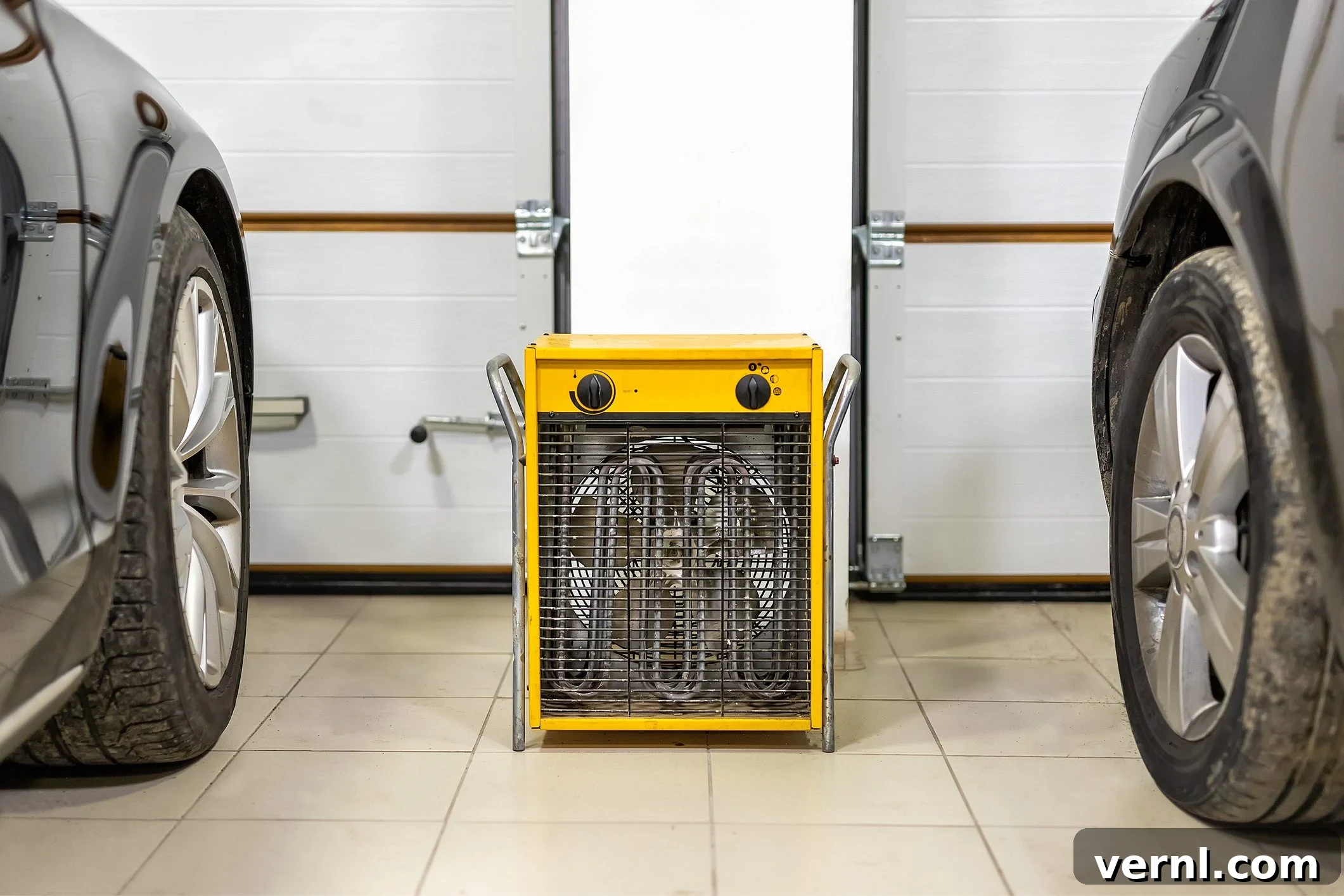
For homeowners residing in frigid climates, the winter months often render the garage practically unusable for anything beyond parking a vehicle. As temperatures plummet, working on projects, pursuing hobbies, or even just spending time in an unheated garage can become an uncomfortable, if not impossible, endeavor. If you’re familiar with these chilling conditions, you’ve likely considered the prospect of adding a garage heater to transform your space.
While even the best garage heaters can undoubtedly prove invaluable during a harsh winter, offering warmth and expanding your home’s functional square footage, they also come with a unique set of considerations. Before you invest in one, it’s crucial to understand the various types available, their associated costs, installation complexities, and the overall benefits and drawbacks. This comprehensive guide will equip you with all the essential knowledge about garage heaters, helping you make an informed decision for your garage makeover.
Understanding Garage Heater Costs: Purchase, Installation, and Operation
The financial commitment of a garage heater extends beyond the initial purchase price, encompassing installation and ongoing operational expenses. These costs can vary significantly based on the type of heater you choose, its heating capacity, fuel source, and the complexity of its installation.
Purchase Price of Garage Heaters
When it comes to the upfront cost, electric garage heaters generally represent the most budget-friendly option for purchase and often, installation. Basic electric models can be found from $150 to around $500, making them an accessible choice for many homeowners. However, high-end electric heaters, particularly those with advanced features like programmable thermostats, remote controls, or higher BTU outputs, can push prices well over $1,000. These premium units often boast greater efficiency and more sophisticated safety mechanisms.
Propane and natural gas garage heaters typically command a higher initial investment. These powerful units often start at around $400, with popular models like the Mr Heater garage heater falling within this range. More robust, vented gas heaters, or those designed for very large spaces, can cost as much as $2,000. The price difference often reflects their superior heating capacity and the infrastructure required for safe operation, such as venting systems for natural gas units.
Installation Costs for Garage Heating Systems
Installation costs are a critical factor to consider and will vary depending on your geographical location, local labor rates, and whether you opt for a DIY approach or professional service. For electric garage heaters, if you’re an experienced DIYer with a good understanding of electrical work, you might be able to handle the installation yourself. This typically involves mounting the unit and wiring it into your electrical panel, often requiring a dedicated circuit. However, unless you are thoroughly comfortable with detailed electrical wiring and ensuring compliance with local codes, hiring a qualified electrician is highly recommended. Professional installation of an electric garage heater usually takes about two hours. At an average rate of $100 per hour, you can expect installation to cost approximately $200. This ensures the job is done safely and correctly, mitigating risks of electrical fires or system malfunctions.
DIY installation is strongly discouraged for propane or natural gas heaters due to inherent safety risks. Working with gas lines, ensuring proper ventilation, and complying with stringent safety codes requires specialized training and expertise. Incorrect installation can lead to dangerous gas leaks, carbon monoxide poisoning, explosions, and significant property damage. According to Angi, a trusted home services platform formerly known as Angie’s List, professional installation of a gas-powered heater typically ranges from $500 to $800. This cost can fluctuate based on the complexity of the project, such as extending existing gas lines, installing new ventilation, or upgrading electrical connections for the heater’s fan. Always consult with a licensed HVAC technician or plumber for gas heater installations to ensure safety and compliance. For more expert advice, explore these additional tips for garage heater installation.
Operational Costs: Fueling Your Garage Heater
The ongoing expense of running your garage heater is another significant consideration, primarily influenced by the type of heater and the size and insulation level of your garage. While gas garage heaters are generally more expensive to purchase and install, they tend to be more cost-effective to operate over the long term, especially in areas where natural gas or propane is cheaper per BTU than electricity. Natural gas, in particular, often provides the lowest fuel cost per heating unit.
Conversely, running an electric garage heater for extended periods can be quite pricey, particularly if your electricity rates are high. Electric heaters convert 100% of their energy into heat, but electricity itself can be a more expensive energy source than gas. Therefore, it’s crucial to factor in your local utility rates and anticipated usage frequency before making a purchase. A well-insulated garage, coupled with efficient heating practices, can significantly reduce these operational costs. Implementing smart heating strategies, such as using a programmable thermostat and sealing air leaks, can help you maximize efficiency and minimize your utility bills. Here are a few more tips for efficient garage heating.
The Benefits of a Heated Garage
Investing in a garage heater offers a multitude of advantages that extend far beyond simple warmth. It can fundamentally transform your garage into a more versatile, comfortable, and valuable extension of your home.
- Expanded Living and Working Space: Heating your garage effectively adds another functional room to your house. This newfound warmth opens up possibilities for various uses, such as a dedicated hang-out space, a sports den for cheering on your favorite teams, a comfortable home gym, or a year-round workshop. If you currently use your unheated garage as a workshop, you know how challenging it can be to tackle projects during the winter. A heater transforms it into a fully functioning, comfortable workspace regardless of the outside temperature, boosting productivity and enjoyment.
- Enhanced Vehicle Performance and Comfort: Keeping your vehicles in a heated garage means no more shivering as you wait for the engine to warm up on a frosty morning, saving precious fuel and time. A warm garage also contributes to longer vehicle battery life and improved engine performance, as extreme cold can degrade fluids and components. Furthermore, if your car needs a jump start or minor maintenance during the winter, you’ll be infinitely happier tackling the task in a cozy, heated environment rather than freezing outside.
- Protection for Stored Items: Many items commonly stored in garages are sensitive to extreme cold. Paints, glues, sealants, chemicals, electronics, sensitive tools, and even some houseplants can be damaged or become unusable when exposed to freezing temperatures. A heated garage protects these valuables, preserving their integrity and extending their lifespan. For homes with water pipes running through the garage, heating the space can also prevent costly frozen pipe bursts.
- Increased Property Value: A well-appointed, heated garage can be a significant selling point, appealing to potential buyers looking for additional functional space and comfort. It elevates the garage from a utilitarian storage area to an integrated part of the home.
Potential Drawbacks and Considerations for Garage Heaters
While the benefits are compelling, it’s equally important to be aware of the potential downsides and practical challenges associated with installing and operating a garage heater.
- Noise Levels: Some types of garage heaters, particularly forced-air models (both electric and gas), can be quite loud when operating. The sound of the fan circulating warm air might be disruptive if you’re trying to concentrate on a detailed project, listen to music, or simply enjoy a quiet space. Radiant heaters, which warm objects directly rather than the air, tend to be much quieter, offering an alternative if noise is a major concern.
- The Importance of Insulation: Perhaps the most significant drawback is the inefficiency of heating a poorly insulated garage. A garage with inadequate insulation in its walls, ceiling, or a flimsy, uninsulated garage door will not retain heat effectively. This means your heater will constantly run, consuming excessive energy and leading to high operational costs, without necessarily achieving comfortable temperatures. The upfront cost of properly insulating a garage before adding a heater, including sealing air leaks and weatherstripping, can be substantial and might even be prohibitive for some budgets. However, it’s a crucial investment that ensures your heating system operates efficiently and cost-effectively.
- Safety Concerns: Both electric and gas heaters present specific safety considerations. Gas-powered heaters (natural gas and propane) carry risks of carbon monoxide (CO) poisoning if not properly vented and maintained. Always install a carbon monoxide detector in a garage with a gas heater. All heaters, regardless of fuel type, require adequate clearance from flammable materials to prevent fire hazards. Electrical heaters must be correctly wired to avoid overloading circuits, which can lead to electrical fires. Adhering to manufacturer guidelines and local building codes is paramount for safe operation.
- Space Requirements: Depending on the type and size, a garage heater can take up valuable space. Wall-mounted units are popular for saving floor space, while ceiling-mounted heaters offer excellent overhead clearance. Portable units are flexible but can be bulky. Consider the layout of your garage and how the heater’s physical presence and necessary safety clearances will impact your usable space.
- Maintenance Needs: Like any appliance, garage heaters require regular maintenance to operate efficiently and safely. Electric heaters might need occasional cleaning of heating elements and fans. Gas heaters require more involved annual inspections by a professional to ensure the burner, heat exchanger, and venting system are functioning correctly and free from blockages. Neglecting maintenance can lead to reduced efficiency, increased operational costs, and potential safety hazards.
Choosing the Right Garage Heater: Key Factors to Consider
Selecting the ideal garage heater involves weighing several factors unique to your space and needs. Understanding these considerations will help you make a choice that provides optimal comfort and efficiency.
Garage Size and Insulation Level
The size of your garage is the primary determinant of the heating capacity (measured in BTUs) you’ll need. A general rule of thumb is 10 BTUs per square foot for an adequately insulated garage, but this can increase to 15-20 BTUs per square foot for poorly insulated or uninsulated spaces. Consider your ceiling height as well; taller ceilings require more BTUs to heat the larger air volume. The better your garage is insulated – including walls, ceiling, windows, and the garage door – the more efficiently your heater will perform, and the lower your operational costs will be.
Fuel Source Availability and Cost
Your choice of fuel source heavily influences both installation and operational costs. Electricity is readily available in most garages, making electric heaters a convenient option. However, running a powerful electric heater may require an upgrade to your electrical panel or a dedicated high-amp circuit. Natural gas is often the most cost-effective fuel source, but it requires a gas line extension to the garage, which can be a significant installation expense if not already present. Propane offers portability if you use tanks, but refilling them is a recurring task, and larger tanks might be needed for extended use. Compare the current and projected costs of electricity, natural gas, and propane in your area to determine the most economical option for your usage.
Intended Use and Desired Temperature
How will you use your heated garage? If it’s merely to take the chill off for occasional tasks, a smaller, less powerful heater might suffice. If you plan to use it as a comfortable year-round workshop or living space, you’ll need a heater capable of maintaining a higher, consistent temperature. Radiant heaters are excellent for warming people and objects directly, making them ideal for spot heating a workstation, while forced-air heaters are better for heating the entire air volume of a garage.
Ventilation Requirements and Safety Features
Ventilation is critical for gas heaters. Natural gas and propane heaters produce combustion byproducts, including carbon monoxide, which must be safely vented outside. Vented heaters draw combustion air from outside and vent exhaust gases directly outdoors through a flue. Unvented gas heaters, while simpler to install, release combustion byproducts directly into the garage, making them unsuitable for prolonged use in enclosed spaces and requiring significant ventilation to be safe. Always ensure the heater you choose complies with local codes and includes essential safety features like tip-over switches, overheat protection, and a readily accessible shut-off valve for gas units.
By carefully evaluating these factors, you can confidently select a garage heating solution that meets your needs, fits your budget, and provides a comfortable, functional space for years to come.