
Mastering Your Garden: A Comprehensive Guide to Controlling Aggressive and Invasive Plants
For every gardener, the joy of cultivating a beautiful outdoor space is often overshadowed by the relentless battle against unwanted vegetation. There’s nothing quite like the disheartening sight of your meticulously planned flowerbeds or vegetable patches being encroached upon by aggressive spreaders and stubborn invasive species. These unwelcome guests come in an array of forms, from creeping vines and sprawling groundcovers to towering trees and unruly shrubs, each posing a unique challenge to the health and aesthetics of your garden.
The term “invasive” typically refers to non-native plants that possess an uncanny ability to adapt rapidly to new environments. They reproduce prolifically through various means—seeds carried by wind, dropped by birds, or spread by human activity, as well as by sending out vigorous stems and roots. Left unchecked, these botanical colonizers can quickly overwhelm native flora, outcompeting them for essential resources like sunlight, water, and nutrients. This aggressive takeover not only stifles the growth of your carefully chosen garden plants but also disrupts local ecosystems, displacing crucial native species that birds, pollinators, and other wildlife depend on for survival. The ecological balance of your garden and the wider environment is at stake when invasive plants gain a foothold.
However, the nuisance isn’t limited to officially classified invasive species. Sometimes, the culprits are plants you intentionally introduced to your garden—beloved varieties that, despite their charm, possess an overly enthusiastic growth habit. Consider the classic examples: the enchanting lily, with its striking blooms, or the cheerful black-eyed Susan, a beacon of summer. While beautiful, these plants can become notoriously aggressive, sending out extensive root systems that quickly monopolize space, starving out neighboring plants you’ve invested time and effort into nurturing. Managing such vigorous growers is just as vital as combating true invasives to maintain a harmonious and thriving garden environment.
The good news is that you don’t need an arsenal of specialized tools or a degree in botany to rein in these aggressive plant types. A simple, effective, and environmentally friendly strategy can help you control plants that spread voraciously through their root systems, ensuring they remain where you want them without sacrificing your other beloved garden inhabitants. This method focuses on creating a physical barrier underground, a proactive measure that saves you countless hours of future weeding and frustration.
Understanding the Threat: Invasive vs. Aggressive Plants
Before diving into solutions, it’s crucial to distinguish between different types of problem plants. Understanding their nature helps in selecting the most appropriate control methods.
What Defines an Invasive Plant?
Invasive plants are typically non-native species introduced to an ecosystem where they face few natural predators or competitors. Their defining characteristics include:
- Rapid Reproduction: They produce vast quantities of seeds, often viable for long periods, or spread vegetatively through roots and stems.
- Aggressive Growth: They grow quickly, outcompeting native species for light, water, and nutrients.
- Environmental Adaptability: They can thrive in a wide range of conditions, from disturbed soils to established landscapes.
- Ecological Harm: Their unchecked spread leads to a decline in native plant populations, reduces biodiversity, alters habitat structures, and can negatively impact wildlife that relies on native plants for food and shelter. Examples include Kudzu, Japanese Knotweed, and Purple Loosestrife.
When “Good” Plants Go “Bad”: Aggressive Native or Garden Plants
On the other hand, aggressive garden plants are often species, sometimes even native ones, that simply grow too vigorously for a typical garden setting. They aren’t necessarily harmful to the wider ecosystem in the same way invasives are, but they can be incredibly disruptive within your garden borders. Characteristics include:
- Spreading Root Systems: Many produce rhizomes or stolons that rapidly colonize new areas underground.
- Prolific Self-Seeding: They may drop numerous seeds that readily germinate, leading to a dense population.
- Overpowering Neighbors: They can quickly crowd out slower-growing or less robust plants, diminishing the variety and beauty of your garden beds.
Plants like certain varieties of lilies, daylilies, black-eyed Susans (Rudbeckia hirta), mint, oregano, and even some hostas can fall into this category. While cherished for their beauty or utility, their uncontrolled spread requires management to prevent them from becoming garden bullies.
The Impact of Unchecked Growth
Whether truly invasive or simply overzealous, unchecked plant growth can have several detrimental effects on your garden and the broader environment:
- Loss of Biodiversity: Aggressive plants reduce the variety of species in your garden, which can limit food sources and habitats for local wildlife.
- Increased Maintenance: Constant weeding, pruning, and removal become necessary, consuming valuable time and effort.
- Resource Depletion: Dominant plants can monopolize water and nutrients, leaving little for other plants.
- Aesthetic Decline: A garden overrun by a single species loses its visual appeal and intended design.
- Ecological Disruption: In the case of true invasives, they can alter soil chemistry, change fire regimes, and disrupt entire food webs.
Therefore, proactive control is not merely about maintaining a tidy garden; it’s about fostering a healthy, diverse, and sustainable ecosystem right in your backyard.
The Smart Solution: An Underground Root Barrier
For plants that spread predominantly through their root systems, a highly effective and relatively simple solution is to create an underground physical barrier. This method leverages common gardening items to provide a long-term, low-maintenance way to contain vigorous growers.
Tools and Materials You’ll Need
The beauty of this method lies in its simplicity and the accessibility of the required materials. Most gardeners will likely have these items on hand already, making it an inexpensive and immediate solution.
- Plastic Pot or Pail: This will be the foundation of your root barrier. It’s crucial that the container is robust and, most importantly, at least 10 inches deep. This depth ensures that the barrier extends far enough into the ground to prevent roots from simply growing underneath it. A larger diameter pot will give your plant more room to grow within its confines.
- Spade or Digging Tool: A sturdy spade, a small garden shovel, or even a robust trowel will be necessary for digging the hole where your barrier will be placed. Choose a tool appropriate for the size of the container and the soil conditions in your garden.
- Utility Knife or Strong Scissors: You’ll need a sharp tool to cut the bottom off your plastic pot or pail. Exercise caution when using a utility knife; safety gloves are recommended.
Once you have these essential items gathered, you’re ready to embark on controlling those runaway plants and reclaiming your garden space.
Step-by-Step Guide to Installing Your Root Barrier
Implementing the root barrier strategy is straightforward and can be completed in just a few steps. Here’s how to do it effectively:
Step 1: Prepare Your Container
The first and most critical step is to modify your plastic pot or pail. Using your utility knife or strong scissors, carefully cut off the entire bottom of the container. The goal is to create an open-ended cylinder that will act as an impenetrable wall for your plant’s roots. Ensure the edges are as clean as possible to prevent any sharp protrusions that could hinder the process later.
Step 2: Select Your Site and Dig the Hole
Choose the exact location where you want your aggressive plant to grow. Dig a hole that is wide enough to comfortably accommodate the circumference of your bottomless pot and at least 10 inches deep. The depth is paramount; roots are clever and will seek the path of least resistance, so ensure the barrier extends well below the plant’s typical root zone. For very aggressive plants, you might even consider going slightly deeper, up to 12-15 inches, if your chosen container allows.
Step 3: Install the Root Barrier
Place your bottomless plastic container into the prepared hole. The rim of the pot should be flush with or just slightly below the soil surface. This prevents any unsightly plastic from showing and ensures a natural look. Make sure the container is stable and level. Backfill around the outside of the pot with soil, firming it gently to secure the barrier in place. This creates a subterranean “corral” for your plant.
Step 4: Replant Your Aggressive Plant
Now, carefully replant your aggressive plant (e.g., lilies, black-eyed Susans, or even a spreading mint variety you wish to contain) inside the plastic corral. Ensure its root ball is positioned centrally within the container. Fill the pot with fresh, high-quality potting mix or garden soil, gently firming it around the plant’s roots. Water thoroughly to help settle the soil and reduce transplant shock.
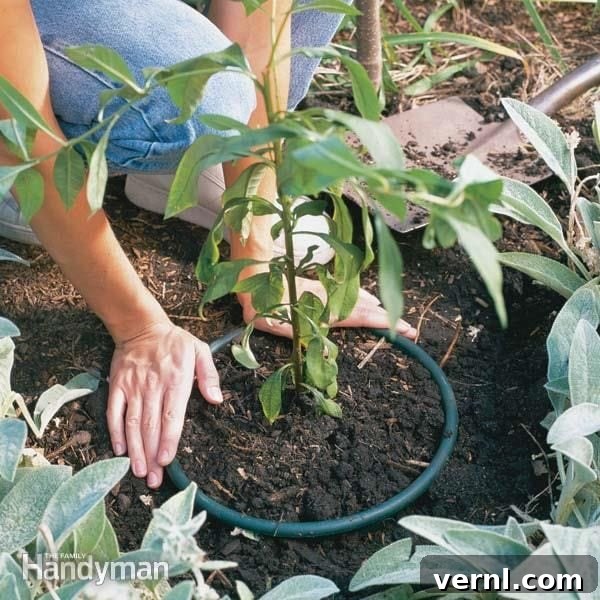
This simple yet ingenious method effectively contains the spreading roots, preventing them from encroaching upon other plants in your garden. While a layer of mulch can help prevent seeds from taking root, it’s this solid, underground barrier that truly tackles the problem of aggressive root systems.
Benefits of the Root Barrier Method
Employing this strategy offers numerous advantages for the diligent gardener:
- Effective Root Control: It provides a definitive physical barrier that prevents lateral root spread, keeping aggressive plants exactly where you want them.
- Reduced Maintenance: Significantly cuts down on the time and effort spent on weeding and pruning to control unwanted plant expansion.
- Enhanced Garden Harmony: Allows you to enjoy beautiful, yet aggressive, plants without them suffocating their less vigorous neighbors.
- Environmentally Friendly: Avoids the need for chemical herbicides, contributing to a healthier garden ecosystem and reducing your environmental footprint.
- Long-Term Solution: Once installed correctly, the plastic barrier can last for many years, providing continuous control.
- Cost-Effective: Utilizes readily available and often inexpensive materials.
When This Method May Not Be Suitable
It’s important to note that while highly effective for root-spreading plants, this trick won’t work for all types of aggressive growers. Plants that spread primarily above ground via runners or stolons, such as strawberries or certain types of mint (which can also send out above-ground stems that root), will still escape the confines of an underground barrier. For these types of plants, consider alternative containment strategies like:
- Raised Beds: Planting them in dedicated raised beds with solid sides can prevent above-ground runners from spreading.
- Container Gardening: Keeping them in pots that are entirely above ground can be an effective way to contain their spread.
- Edging: Installing deep edging around a bed can offer some control for surface runners, though less effectively than a full container for root spreaders.
Beyond Barriers: Holistic Garden Management
While root barriers are an excellent tool for specific problems, a comprehensive approach to garden management is key to long-term success. Here are additional tips for maintaining a healthy and controlled garden:
1. Know Your Plants
Research plants before you buy them. Understand their growth habits, mature size, and potential for aggressiveness. This knowledge is your first line of defense against future garden invaders.
2. Embrace Native Alternatives
Whenever possible, choose native plants. They are adapted to your local climate and soil conditions, often require less maintenance, and provide essential resources for local wildlife without posing an invasive threat. There are many beautiful native alternatives for nearly any garden aesthetic.
3. Mulch Regularly
A consistent layer of organic mulch (3-4 inches deep) can suppress weed seeds, regulate soil temperature, retain moisture, and improve soil health. While it won’t stop aggressive roots, it’s invaluable for overall weed control and garden vigor.
4. Regular Monitoring and Early Intervention
Walk through your garden frequently. Early detection of unwanted spreaders or emerging invasive plants allows for quicker, easier removal before they establish a strong foothold. Pulling young weeds by hand is far simpler than battling mature ones.
5. Responsible Disposal
When removing aggressive or invasive plants, dispose of them carefully. Do not compost plants that are seeding or that can root from fragments, as this can spread the problem. Bag them and send them to a landfill if local regulations allow, or solarize them in black plastic bags to kill them thoroughly.
6. Utilize Vertical Space
For vining plants, encourage them to grow upwards on trellises, arbors, or fences rather than sprawling across the ground, which can take up valuable space and smother other plants.
Conclusion: Cultivating Control for a Thriving Garden
The dream of a lush, vibrant garden doesn’t have to be a constant struggle against aggressive and invasive plants. By understanding the nature of these botanical challenges and employing smart, proactive strategies like the underground root barrier method, you can effectively contain unruly growers and protect your prized plants. This simple yet powerful technique, combined with mindful plant selection and consistent garden care, empowers you to create a balanced, beautiful, and biodiverse outdoor sanctuary. Take control of your garden’s destiny—one well-placed pot at a time—and enjoy the enduring rewards of your hard work.