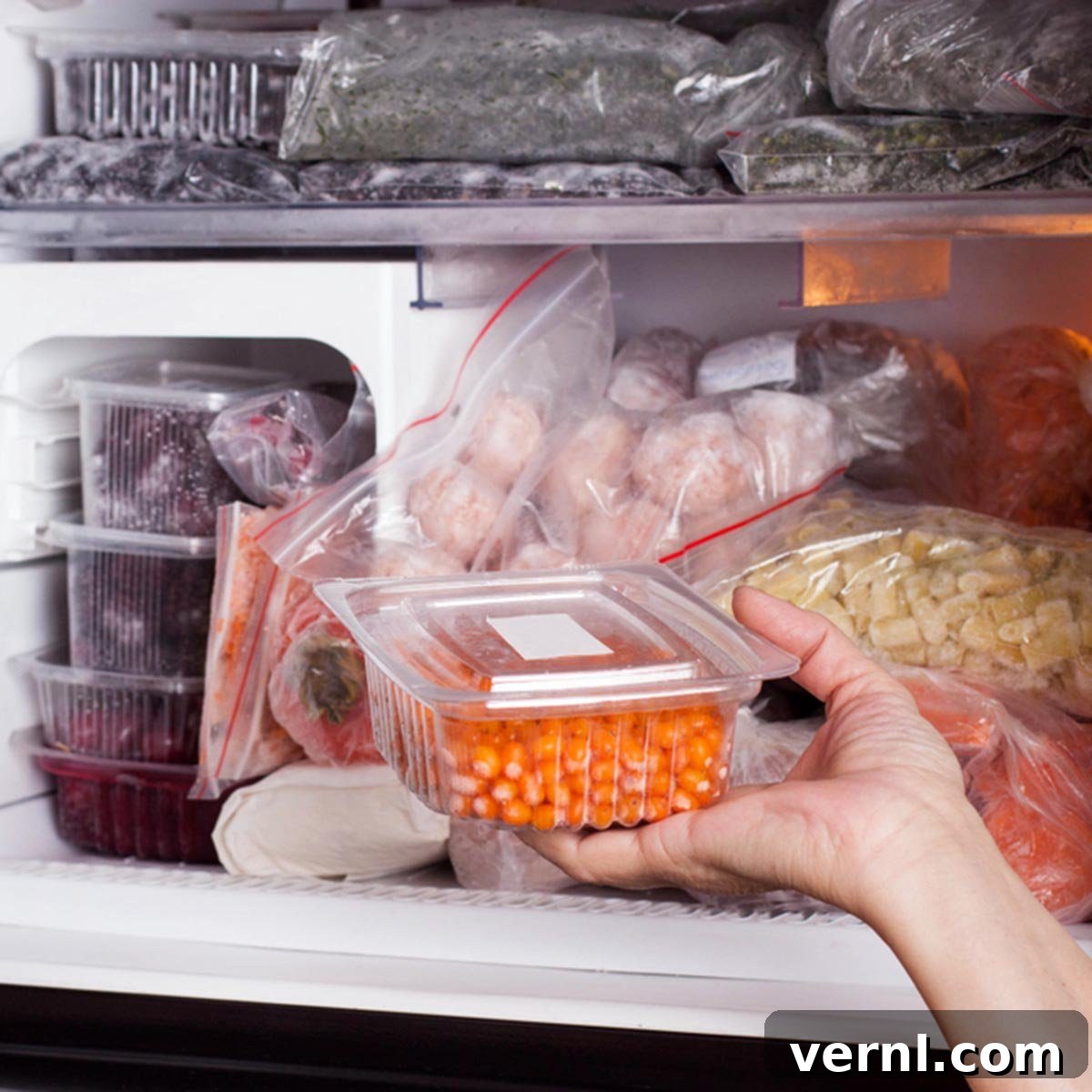
Optimal Freezer Settings: Your Ultimate Guide to Food Preservation and Efficiency
Freezers stand as cornerstones of modern kitchen efficiency, offering unparalleled convenience and economic advantages. They allow us to strategically stock up on groceries during sales, capture the peak freshness of seasonal produce, prepare and store ready-to-eat freezer meals for busy schedules, and ensure a constant supply of ice. To guarantee that all your valuable food remains safe, retains its freshness, and tastes delicious, understanding the nuances of proper chilling and maintenance is absolutely paramount. This in-depth guide will equip you with the knowledge and practical tips needed to maximize your freezer’s performance, ranging from setting the precise temperature to mastering advanced organization and routine maintenance.
The Critical Importance of the Ideal Freezer Temperature
A common misconception leads many to believe that since water freezes at 32 degrees Fahrenheit (0 degrees Celsius), setting their freezer around this point would be perfectly adequate. However, relying on this can inadvertently compromise both food safety and overall quality. The scientifically recommended and ideal temperature for optimal food preservation in freezers is consistently 0 degrees Fahrenheit (-18 degrees Celsius). This significantly colder temperature is not an arbitrary figure; it is specifically chosen to ensure food freezes thoroughly and rapidly, effectively halting the proliferation of harmful bacteria, yeasts, and molds. Furthermore, it drastically slows down enzymatic reactions that naturally lead to food spoilage and degradation over time. Maintaining a consistent 0°F is the bedrock for long-term food preservation, safeguarding both the safety and the nutritional integrity of your stored items.
Why 0°F is the Gold Standard for Food Freezing
- Inhibition of Bacterial Growth: At temperatures even slightly above 0°F, dormant bacteria, though inactive, can slowly begin to reactivate and multiply, even in what appears to be frozen food. 0°F establishes an environment where bacterial growth is virtually impossible, ensuring microbiological safety.
- Reduction of Enzymatic Activity: Enzymes, which are naturally present in food, continue their degradation processes, albeit at a reduced rate, even when frozen. The consistent temperature of 0°F significantly diminishes this enzymatic activity, thereby preserving the food’s natural flavor, desirable texture, and vital nutritional content for longer periods.
- Control Over Ice Crystal Formation: When food undergoes slow freezing or is exposed to warmer freezing temperatures, it tends to form large, jagged ice crystals. These large crystals can puncture and rupture cellular walls within the food, leading to a mushy, undesirable texture and significant quality loss upon thawing. Rapid freezing at a stable 0°F promotes the formation of smaller, less damaging ice crystals, helping to maintain cellular structure.
- Comprehensive Spoilage Prevention: Adhering to consistently low temperatures is the most effective way to prevent the development of off-flavors, unpleasant odors, and unwelcome changes in color that are clear indicators of spoilage.
Debunking Myths: Understanding Freezer Burn and Temperature
A frequent and understandable concern among individuals who freeze food is whether an extra-cold freezer setting might ironically contribute to or worsen freezer burn. It’s important to clarify that this is a persistent myth! Freezer burn is fundamentally and exclusively caused by exposure to air, not by an excessively low temperature setting. This phenomenon occurs when moisture, in the form of ice, sublimates (transforms directly from a solid to a vapor) from the surface of the food and escapes into the dry, circulating air within the freezer. This process leaves behind dehydrated spots on the food, which manifest as discolored patches with an unappealing leathery texture and a noticeably altered, often stale or bland, flavor.
Effective Strategies to Prevent Freezer Burn and Preserve Quality
Preventing freezer burn is absolutely critical for maintaining the high quality, desirable taste, and intended texture of your valuable frozen foods. Employing the right techniques will make a significant difference:
- Achieve Tight Wrapping: The golden rule is to ensure that all food items are wrapped as snugly as possible. The goal is to expel and eliminate as much air from around the food as you can.
- Utilize Air-Tight, Freezer-Safe Containers: For liquids, purées, stews, and casseroles, invest in rigid, air-tight containers specifically designed for freezer use. Remember to leave a small amount of headspace to accommodate for the expansion of liquids as they freeze, preventing containers from cracking.
- Implement Double-Layer Protection for Superior Defense: For optimal protection, particularly for sensitive items like meats, poultry, fish, and certain produce, consider employing a robust two-layer approach. First, wrap the food tightly in high-quality plastic wrap or place it into a heavy-duty freezer bag, making sure to press out all excess air. Then, add a second protective layer of aluminum foil, specialized freezer paper, or another freezer bag. This multi-layered barrier creates a highly effective shield against air exposure and moisture loss.
- Consider Vacuum Sealing for the Ultimate Preservation: For the most rigorous defense against freezer burn and to significantly extend the storage life of your foods, a vacuum sealer represents an excellent long-term investment. This device removes nearly all oxygen and air from around the food, providing unparalleled protection.
- Blanch Vegetables Before Freezing: Prior to freezing most vegetables, a brief blanching process is highly recommended. This involves quickly immersing them in boiling water, followed by an immediate shock in ice water. Blanching deactivates enzymes that cause spoilage, helps preserve their vibrant color, fresh flavor, and firm texture, and ultimately offers additional protection against freezer burn.
For even greater efficiency and ease of use, these genius tips will fundamentally change the way you organize your freezer, transforming it into a highly efficient and easily navigable storage system.
Beyond Temperature: The Crucial Role of Air Circulation
While maintaining a precise and consistent low temperature setting is undoubtedly the bedrock of effective food preservation, it represents only one half of the equation for achieving optimal freezer performance. The other equally vital and often overlooked element is proper air circulation. Freezers are designed to rely on consistent, unimpeded airflow to efficiently distribute cold air throughout every nook and cranny of the compartment. This ensures that every zone maintains the correct, uniform temperature, preventing the formation of problematic warm spots that can severely compromise food safety and quality. When airflow is obstructed, your freezer is forced to work significantly harder to compensate, leading to increased energy consumption, potential uneven freezing, and premature spoilage of your stored items.
Ensuring Excellent Airflow and Maximum Efficiency in Your Freezer
- Avoid the Temptation to Overpack: While a freezer that is mostly full tends to be more energy-efficient than an empty one (as the frozen items act as a thermal mass, helping to maintain a stable cold temperature), an excessively crammed freezer will inevitably block vital air vents and severely impede necessary cold air circulation. Aim for a freezer that is full but not overflowing, consciously leaving some strategic space for air to move freely around your stored goods.
- Never Block the Internal Fan: Most modern freezers are equipped with an internal fan specifically designed to circulate cold air throughout the unit. It is crucial to ensure that no food items or containers are placed directly in front of or on top of these fan vents. Refer to your appliance’s user manual to pinpoint the exact location of your freezer’s fan and air vents.
- Organize with Strategic Intent: Utilize specialized freezer bins, adjustable shelves, and vertical organizers to keep items neatly separated and prevent them from collapsing into a solid, impenetrable block. This organized approach not only enhances airflow but also makes retrieving items much simpler.
- Maintain a Regular Inventory: Keeping an accurate and up-to-date inventory of what’s inside your freezer serves multiple purposes. It helps prevent items from getting lost at the bottom, discourages over-stuffing (which directly contributes to poor circulation), and ensures you use items before their quality significantly diminishes.
Moreover, understanding the typical lifespan of your key kitchen appliances is incredibly beneficial for long-term planning; here’s how long your refrigerator and freezer are generally expected to last. This knowledge empowers you to anticipate potential issues, schedule timely maintenance, and make informed decisions about future replacements.
Comprehensive Tips for Optimal Freezing and Freezer Maintenance
Maximizing the overall efficiency, longevity, and performance of your freezer extends far beyond simply setting the correct temperature and ensuring adequate airflow. A holistic and proactive approach to both maintenance and daily usage can significantly prolong the operational life of your valuable appliance and, critically, preserve the peak quality of your frozen goods for extended periods.
- Regular Defrosting for Peak Efficiency (Non-Frost-Free Models): If your freezer is a manual-defrost model, regular defrosting is absolutely non-negotiable. Accumulations of ice act as a highly effective insulator, forcing the freezer’s compressor to work much harder and consume more energy to maintain its desired temperature. Furthermore, ice buildup aggressively reduces valuable storage space. Aim to defrost your freezer when the ice accumulation reaches approximately a quarter-inch thick.
- Smart Food Placement for Effective Rotation: When introducing new food items into your freezer, consciously place them towards the back or underneath older items already stored. This simple yet effective strategy encourages a “first-in, first-out” (FIFO) system, which ensures you consume foods that have been frozen for longer durations before they experience any significant deterioration in quality. This practice is a cornerstone of minimizing food waste.
- Invest in a Dedicated Freezer Thermometer: While most freezers come with an internal temperature dial, an independent, external freezer thermometer provides a crucial, accurate, and real-time reading of the internal temperature. This vital tool allows you to quickly detect any deviation from the ideal 0°F, giving you the opportunity to promptly adjust settings or troubleshoot potential issues before your food’s quality or safety is compromised.
- Label Everything Clearly and Precisely: Develop a consistent habit of using freezer-safe labels and a permanent marker to clearly indicate the item, the exact quantity, and the date it was frozen. This diligent labeling prevents the infamous “mystery meat” syndrome and ensures proper rotation, contributing to reduced waste.
- Practice Portion Control Before Freezing: Whenever feasible, freeze foods in practical, usable portions. It is significantly more convenient and efficient to thaw and utilize a single serving of chicken breast, a cup of homemade soup, or a small portion of vegetables than it is to attempt to chip off a piece from a large, solid frozen block.
- Always Cool Foods Completely Before Freezing: Introducing hot or even warm food directly into the freezer can have detrimental effects. It can cause a temporary, but significant, rise in the internal temperature of the entire compartment, potentially leading to partial thawing of surrounding frozen items and forcing the compressor to work excessively hard to restore the set temperature. Always allow cooked food to cool completely to room temperature before placing it in the freezer.
- Maintain a Reasonably Full Freezer for Energy Savings: As previously mentioned, a freezer that is mostly full is inherently more energy-efficient than one that is consistently half-empty. The mass of frozen items acts as a natural cold sink, helping to stabilize the temperature and reduce the energy needed for cooling cycles. If your freezer is frequently under-filled, consider filling empty spaces with jugs of water, crumpled newspaper, or even empty cardboard boxes to help maintain the thermal mass.
- Regularly Inspect Door Gaskets: The rubber seal, known as the gasket, around your freezer door plays a critical role in maintaining temperature integrity. Over time, these gaskets can become brittle, cracked, or simply lose their sealing ability, leading to insidious air leaks. Periodically inspect the gasket for any signs of damage or stiffness. A simple test involves closing the door on a dollar bill; if you can easily pull it out with little resistance, the seal might be compromised. A faulty seal allows warm, moist air to enter, causing excessive frost buildup and a notable increase in energy consumption.
Understanding and Troubleshooting Common Freezer Issues
Despite meticulous care and adherence to best practices, freezers can, on occasion, experience various operational issues. One of the most concerning and frustrating problems is when your freezer fails to maintain its crucial freezing temperature, leaving you with partially thawed or spoiled food. What exactly would cause your freezer to warm up or cease freezing altogether? Here we have compiled a list of a few common reasons why your freezer is not freezing effectively and provide insights into potential causes and initial troubleshooting steps for each problem.
- Power Supply Irregularities: A simple tripped circuit breaker, a loose electrical plug, or even an overloaded outlet can be the culprit behind a freezer that abruptly stops running. Always check your household’s circuit breaker box and ensure the freezer is securely plugged into a dedicated outlet.
- Excessive Frost Accumulation: As discussed, a thick layer of frost acts as an unwanted insulator, drastically reducing the freezer’s cooling efficiency. For manual defrost models, regular defrosting is the solution. For frost-free models, persistent frost buildup might indicate an issue with the defrost heater, timer, or thermostat, often requiring professional diagnosis.
- Dirty Condenser Coils: Located typically on the back or underneath the freezer, condenser coils are responsible for dissipating heat generated during the cooling process. If these coils become caked with dust, pet hair, and grime, the freezer cannot efficiently release heat and thus struggles to cool properly. Regular cleaning with a vacuum cleaner can significantly improve performance and energy efficiency.
- Faulty Door Seal (Gasket): A damaged, cracked, or worn-out door gasket allows a continuous ingress of warm, ambient air into the freezer compartment. This forces the compressor to run almost constantly in a futile attempt to maintain temperature. Inspect the gasket thoroughly and replace it if it’s not forming a perfect, air-tight seal.
- Thermostat Malfunction: If the freezer’s thermostat is faulty, it may not be accurately reading the internal temperature or sending the correct signals to the compressor to activate cooling cycles. This critical component often requires professional diagnosis and precise replacement.
- Overloaded Freezer: A freezer that is packed too tightly, without adequate space for air circulation, can inadvertently restrict the movement of cold air, thereby preventing efficient and even cooling throughout the unit. Ensure there’s always sufficient space for air to circulate freely around your items.
- Compressor or Fan Motor Issues: The compressor (the heart of the cooling system) and the evaporator/condenser fan motors (which circulate air) are critical operational components. If the compressor isn’t cycling on or the fans aren’t actively circulating air, the freezer will inevitably fail to cool. These complex issues typically necessitate professional repair or replacement.
Food Safety and Quality: How Long Do Frozen Foods Truly Last?
A freezer meticulously maintained at the proper temperature of 0°F (-18°C) provides an exceptionally safe environment for food, capable of preserving it indefinitely from a microbiological standpoint. The extreme cold effectively halts all bacterial growth, rendering food safe to consume even after many years. However, it’s crucial to differentiate between safety and quality. While the food remains microbiologically safe, its quality—specifically its texture, flavor profile, and nutritional value—will gradually and inevitably deteriorate over extended periods. This gradual deterioration is primarily attributed to slow enzymatic changes, oxidation processes, and minute moisture loss, even when food is packaged with the utmost care.
General Guidelines for Optimal Frozen Food Storage Quality
While safety is guaranteed at 0°F, for optimal taste, texture, and nutritional integrity, it is highly recommended to consume frozen items within these general timeframes:
- Raw Meats (Steaks, Roasts, Chops): For best quality, consume within 4-12 months. Here’s a good rule of thumb for most meats, ensuring you enjoy them at their peak culinary quality.
- Ground Meat & Poultry: Aim to use within 3-4 months.
- Cooked Poultry: Best consumed within 4 months.
- Lean Fish (e.g., Cod, Haddock): Optimal quality lasts 6-8 months.
- Fatty Fish (e.g., Salmon, Tuna): Due to higher fat content, best consumed within 2-3 months to prevent rancidity.
- Fruits & Vegetables: If blanched and properly packaged, 8-12 months.
- Bread & Baked Goods: For best texture and flavor, use within 2-3 months.
- Soups, Stews & Casseroles: Consume within 2-3 months.
- Dairy Products (e.g., Butter): 6-9 months; (Milk) 3-6 months.
Always cultivate the essential habit of clearly labeling all your frozen items with the precise date of freezing. This simple yet critical practice allows you to easily track their age and ensures you are consistently consuming them within their optimal quality window. By diligently following these comprehensive guidelines, you can fully harness the incredible convenience and profound benefits of your freezer, all while confidently ensuring your food remains both microbiologically safe and delightfully delicious.
Conclusion: Mastering Your Freezer for a More Efficient Kitchen
Your freezer is unequivocally a powerful, indispensable tool for extending the viable life of your food, significantly reducing household waste, and ultimately streamlining your meal preparation efforts. By gaining a comprehensive understanding of the critical role played by maintaining a consistent 0°F, diligently preventing freezer burn through meticulous proper packaging, actively ensuring adequate air circulation, and performing regular, proactive maintenance, you possess the knowledge to transform your freezer from a mere cold storage unit into an exceptionally efficient and invaluable asset within your kitchen. Embrace and integrate these expert practices into your routine to keep your food consistently at its peak quality, ensure your appliance operates with maximum efficiency, and unlock limitless culinary possibilities.