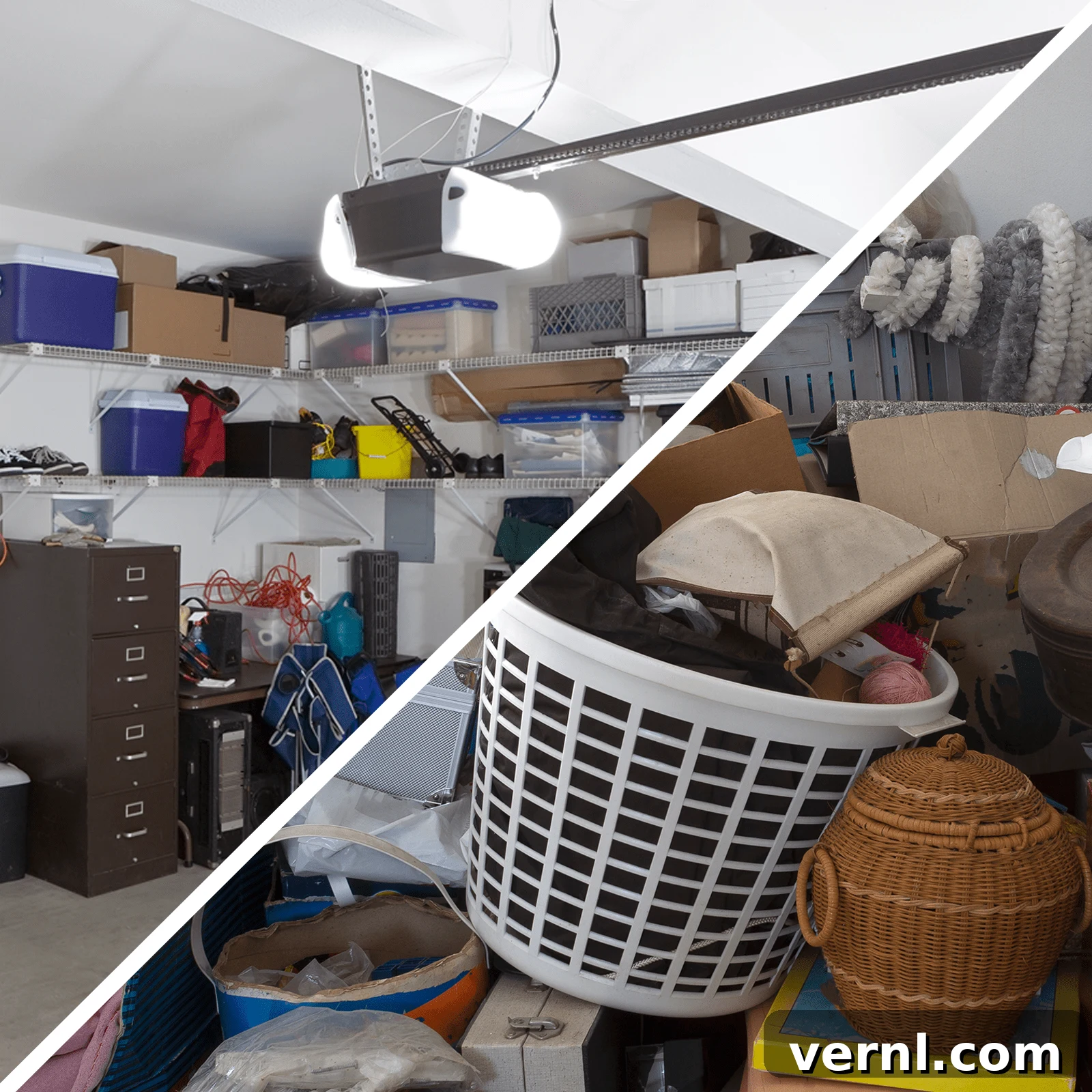
Clutter can significantly diminish the comfort and enjoyment of our homes. Most of us have likely navigated around a teetering pile of mail or unexplained boxes obstructing a hallway. Perhaps you’ve even hesitated to invite guests, concerned about the visible disarray. But how do you discern whether these messy accumulations are merely disorganization or point to a more profound issue like hoarding? This comprehensive guide explores the critical distinctions between everyday clutter and the often misunderstood condition of hoarding disorder, offering insights, impacts, and practical steps for addressing both.
Clutter vs. Hoarding: Unpacking the Core Differences
Clutter is a pervasive issue that can affect anyone, often building up gradually over time. But at what point does a cluttered home transcend simple disorganization and enter the realm of hoarding? The distinction is crucial, not just for maintaining an orderly living space but for understanding potential underlying psychological factors.
“Hoarding refers to a behavior where someone has difficulty throwing away or letting go of their possessions, even if they may not have much value,” explains Joseph Kim, a clinical neuropsychologist at Brigham and Women’s Hospital and a faculty member at Harvard Medical School. This difficulty is not merely a preference but often stems from deep-seated emotional or cognitive reasons, leading to a persistent accumulation of items.
In stark contrast, clutter typically involves belongings that lack a designated place. This leads to disorganization and can certainly cause frustration, inconvenience, and even stress. However, it doesn’t usually present the severe risks or profound psychological distress associated with discarding items that characterize hoarding disorder. The items themselves may be valuable, useful, or simply misplaced; the issue is primarily one of organization and space management.
Dr. Kim further clarifies that hoarding is “at its core a type of anxiety disorder.” This is underscored by a Yale University study, which found that many individuals diagnosed with hoarding disorder experience extreme distress and anxiety at the mere thought of discarding items, regardless of their objective worth. This profound emotional attachment and fear of loss drive them to accumulate more than they can safely or functionally use or store, often to the detriment of their living environment and well-being.
Clutter, conversely, is more often a result of everyday habits, logistical challenges, or lifestyle factors. These can include a tendency not to return items to their proper place, insufficient or poorly designed storage solutions, or simply a demanding and busy lifestyle that leaves little time for regular tidying. Crucially, it typically does not stem from a pathological fear of letting go, but rather a lack of system or time.
What Is Clutter and How Does It Develop in Our Homes?
Clutter is a universal challenge, affecting households of all sizes and demographics. It’s more than just a mess; it’s an indicator of items without a proper home, leading to disarray that can impact daily life.
Brenda Scott, a professional home organizer and the owner of Tidy My Space, succinctly defines it: “Clutter is anything that doesn’t have a home. It’s the stuff that no one knows where it belongs, so it gets dropped anywhere and everywhere.” This lack of a designated spot is the root cause of many disorganized spaces.
Common Signs of Accumulating Clutter:
- **Visible Piles and Stacks:** This is the most obvious sign – heaps of mail, clothing, magazines, or various household items that accumulate on surfaces, floors, or in corners without a clear storage space. These piles often grow unchecked, forming barriers or consuming usable areas.
- **Frequent Misplacement of Essentials:** Do you often find yourself frantically searching for your keys, wallet, important documents, remote controls, or essential tools? This constant struggle to locate crucial items is a hallmark of a cluttered environment where things are not returned to a consistent, accessible place.
- **Overwhelmed Storage Areas:** Closets, drawers, and cabinets are bursting at the seams, making it difficult to access items or even close doors properly.
- **Difficulty Cleaning:** Dust accumulates easily on cluttered surfaces, and cleaning becomes a chore when items need to be moved constantly, leading to neglected areas.
Common Reasons for Clutter Accumulation:
Understanding why clutter accumulates is the first step toward addressing it. Many people relate to the frustration of searching for a favorite item only to find it buried under other belongings. This typically stems from a combination of factors:
- **Ineffective or Insufficient Storage Solutions:** Often, the problem isn’t necessarily too many items, but a lack of appropriate places to store them. Items are constantly moved around or left out because there isn’t a logical or accessible designated spot. This can include anything from inadequate shelving to a poorly organized pantry.
- **Procrastination and Decision Fatigue:** Putting off decisions about where things belong, whether to keep or discard an item, or simply delaying the act of putting something away contributes significantly to clutter. Each small decision deferred adds to the overall disarray and the mental burden of an untidy space.
- **Overbuying and Consumerism:** The ease of online shopping and constant promotions can lead to acquiring more items than needed or can be accommodated. Too many shopping sprees or lengthy “doom scrolling” sessions on favorite online marketplaces can quickly create piles of unused, unwanted, or duplicate items that contribute to clutter.
- **Busy Schedules and Lifestyle:** In today’s fast-paced world, many individuals find themselves with limited time for regular tidying and organizing. If you rarely have the opportunity to reset your home, items accumulate quickly, making it harder to tackle the mess later.
- **Emotional Attachments (Non-Pathological):** While distinct from hoarding, some clutter can arise from a general sentimental attachment to items, making it harder to part with things even if they no longer serve a purpose.
What Is Hoarding Disorder and Why Does It Occur?
Hoarding disorder is a recognized mental health condition characterized by significant difficulty discarding possessions, regardless of their actual value. This difficulty leads to the accumulation of items that severely clutter and compromise the active living areas of a home.
The disorder is primarily driven by a deep-seated fear or intense anxiety about discarding items. This isn’t just about being messy; it’s about a profound emotional struggle to let go, often rooted in specific beliefs or perceived needs.
“People with hoarding disorder may save boxes, plastic bags and junk mail,” Dr. Kim notes. The reasons behind this accumulation are complex: some individuals genuinely believe they will need these objects in the future, fearing they might be essential later on. Others attach intense sentimental value to items that most people would consider trash, seeing them as irreplaceable mementos or extensions of themselves. Over time, these items build up to a level that severely impairs the everyday use of living spaces, making rooms inaccessible or dangerous.
Dr. Kim also highlights that while hoarding disorder can affect people of any age, older adults can be particularly vulnerable. This increased susceptibility is due to several intersecting factors. They often face “more physical ailments, a greater likelihood of having cognitive difficulties, and a higher risk of social isolation associated with the context of aging.” Each of these factors can exacerbate the hoarding behavior and amplify its adverse impact on both mental and physical health. For example, reduced mobility can make it harder to manage clutter, and cognitive decline can impair decision-making about possessions.
Hoarding Warning Signs and Symptoms:
Recognizing the warning signs of hoarding disorder is crucial for seeking timely help. These symptoms extend far beyond typical disorganization and significantly impact an individual’s life and environment:
- **Intense Anxiety or Distress at Discarding:** A hallmark symptom is the overwhelming emotional pain, fear, or panic associated with the thought of getting rid of possessions, even broken or worthless ones. This is not simply reluctance but profound distress.
- **Avoidance of Visitors:** Individuals with hoarding disorder often become intensely embarrassed or fearful of judgment due to the state of their homes, leading them to avoid inviting guests over or even allowing repair people inside. This can result in significant social isolation.
- **Strong Emotional Attachment to “Trash”:** Unlike collectors who curate specific items, people with hoarding disorder often form powerful emotional bonds with objects others would consider trash, junk, or recycling. They may view these items as unique, valuable, or possessing sentimental importance.
- **Neglect of Basic Hygiene or Household Maintenance:** The sheer volume of items can make it impossible to clean effectively, leading to unsanitary conditions, pest infestations, and a general decline in personal and home hygiene.
- **Difficulty Walking Through Rooms:** Pathways within the home become severely obstructed by stacks and piles of items, making it difficult or even dangerous to navigate from one area to another.
- **Blocked Exits or Hallways:** A critical safety concern, hoarded items can block emergency exits, windows, or hallways, impeding escape in case of fire or preventing access for emergency services.
- **Unusable Furniture or Appliances:** Common household items like beds, tables, stoves, or sinks become unusable because they are buried under or covered by hoarded items. Kitchens, bathrooms, and bedrooms often lose their functionality.
How to Recognize the Signs: Is It Clutter or Hoarding?
It’s common to wonder, “Do I hoard, or am I just messy?” The line can feel blurry, but self-reflection using specific criteria can help clarify the situation. The American Psychiatric Association suggests asking yourself the following questions:
- **Difficulty Discarding:** Do I genuinely struggle to part with my possessions, whether that means discarding them, donating them, recycling them, or even selling them? Is there a significant emotional barrier that makes letting go incredibly difficult?
- **Impaired Functionality of Living Spaces:** Are my rooms and surfaces, such as tables, countertops, or beds, difficult or impossible to use for their intended purpose because they are perpetually covered in items?
- **Impact on Daily Life:** How significantly do my clutter or hoarding behaviors affect my daily life, including my relationships with family, my work or social activities, and my overall quality of life? Does it cause conflicts or isolation?
- **Personal Distress:** Do these behaviors cause me significant distress, anxiety, or impairment in my social, occupational, or other important areas of functioning?
If you find yourself answering “yes” to many of these questions, particularly the ones related to the severe difficulty of discarding and the functional impairment of your home, it may indicate you are dealing with hoarding disorder rather than standard clutter. It’s important to be honest with yourself during this assessment.
A critical aspect of hoarding disorder is that individuals often lack insight into the severity of their behavior. They may not perceive their accumulation as a problem, or they might rationalize their inability to discard items. As Dr. Kim explains, “when something like this happens without addressing the underlying anxiety, patients are very likely to re-accumulate hoarded objects.” This underscores the need for professional intervention to tackle the root psychological causes, not just the physical manifestation of the mess.
The Impacts of Clutter on Your Home and Well-being
While clutter is not classified as a mental disorder, its presence can profoundly impact your living environment and overall quality of life. It becomes a significant problem when it hinders your ability to find essential items, clean your home effectively, or simply relax in your own space, leading to a host of frustrations and stresses. A home filled with disorganized objects can also inadvertently contribute to various health and safety risks:
- Increased Dust Mites & Allergens: Cluttered homes create numerous hiding spots and surfaces where dust can settle undisturbed. This leads to an increase in dust mites and allergens, which can exacerbate respiratory issues, allergies, and asthma. The American Lung Association explicitly notes that reducing clutter is a key strategy in eliminating these common indoor air pollutants and improving air quality.
- Elevated Stress Levels and Mental Fatigue: The visual chaos of a cluttered environment is not just an aesthetic issue; it has a tangible psychological effect. Studies suggest that living in disorganized surroundings contributes to feelings of anxiety, reduces the ability to focus, and lowers overall productivity. The constant visual stimulation and the mental load of unfinished tasks can lead to chronic stress and emotional exhaustion.
- Compromised Safety Risks: Beyond the mental impact, physical clutter can pose real safety hazards. Piles of items, especially in walkways or on stairs, can easily turn into slip, trip, and fall risks. Furthermore, extensive clutter can serve as fuel for a house fire, making it spread more rapidly and intensely. As Brenda Scott points out, it also makes it significantly harder for emergency services, such as paramedics or firefighters, to access and navigate your home in a critical situation.
- **Reduced Functionality and Usability:** Clutter can render certain areas or items in your home unusable. A dining table covered in mail can’t be used for meals; a guest room piled with storage can’t host visitors. This loss of functionality reduces the overall enjoyment and utility of your living space.
The Profound Impacts of Hoarding Disorder on Your Home and Life
Hoarding disorder, being a serious mental health condition, presents far more severe and pervasive impacts than everyday clutter. The unchecked accumulation of items can lead to critical safety, hygiene, and structural issues, affecting not only the individual but also their loved ones and the wider community.
According to the International Obsessive-Compulsive Disorder Foundation (IOCDF), unaddressed hoarding behavior can lead to significant damage not just to property value but, more critically, to one’s physical and mental health. The risks escalate, particularly for older adults or those with limited mobility, for whom navigating such environments becomes extremely dangerous.
- Severely Obstructed Pathways and Exits: In homes affected by hoarding, piles of possessions often block hallways, doorways, and entire rooms, making safe movement difficult or virtually impossible. This not only traps residents but also prevents access for emergency personnel in critical situations, dramatically increasing risks during medical emergencies or fires.
- Pest Infestations and Unsanitary Conditions: Hidden within massive piles of items, rodents (like mice and rats), insects (such as cockroaches and bed bugs), and other pests find ideal breeding grounds. These infestations not only pose serious health risks due to contamination but can also cause extensive structural damage, sometimes leading to pests chewing through walls and wiring, creating further hazards. The accumulation often prevents proper cleaning, leading to unsanitary environments, mold growth, and foul odors.
- Structural Stress and Damage: The sheer weight of hoarded items—from stacks of newspapers and books to furniture and appliances—can exceed the load-bearing limits of floors, leading to structural damage, bowing floors, or even collapse. This hidden danger can compromise the integrity of the entire building.
- Significantly Higher Flood or Fire Risk: Hoarded materials are often highly flammable, increasing the risk and intensity of a house fire. Additionally, unmaintained heating, electrical, or plumbing systems become even more hazardous when they are inaccessible for inspection, repair, or routine maintenance due to overwhelming clutter. Leaks can go unnoticed, and faulty wiring can ignite easily.
- **Social Isolation and Legal Issues:** The shame and embarrassment associated with a hoarded home often lead to severe social isolation. Furthermore, hoarding can result in legal consequences, including eviction, fines, or forced cleanouts by authorities due to health and safety code violations.
- **Profound Mental and Emotional Deterioration:** Living in such conditions takes a severe toll on mental health, often worsening underlying anxiety, depression, and other psychiatric issues. The constant stress, fear of discovery, and inability to live comfortably erode an individual’s sense of self-worth and well-being.
Step-By-Step Guide to Effectively Address Clutter and Hoarding
Whether you’re dealing with everyday disorganization or a more serious hoarding disorder, approaching the situation with a clear plan and appropriate resources is key.
Addressing Everyday Clutter: Reclaiming Your Space
If you’ve ever felt a knot in your stomach at the sight of crammed closets or towers of old newspapers in your home, it helps to know you’re not alone. Many individuals experience the overwhelm of clutter, but there are effective strategies to regain control and enjoy a more organized living environment. Here are a few decluttering tips to help you reclaim your space without feeling overwhelmed:
- Break It Down into Manageable Chunks: The thought of decluttering an entire house can be paralyzing. Instead, identify a single, small, and achievable area to tackle—like a single bedroom closet, a small pantry shelf, or even just one drawer. Focusing on a defined, limited space prevents overwhelm and allows you to see tangible progress quickly, building momentum for larger projects.
- Remove Emotion First (The “Easy Wins” Strategy): Begin your decluttering journey with items that hold little to no sentimental value. This could include expired pantry staples, duplicate kitchen gadgets, old sports equipment you no longer use, or broken items. Making decisions about these “no-brainers” helps you practice the act of letting go without the emotional weight, providing immediate victories and building confidence.
- Create Clear Categories and Action Zones: As you sort through items, establish distinct categories: “keep,” “donate/sell,” “trash/recycle,” and “relocate” (for items that belong elsewhere in your home). Having a clear, physical system of boxes or bags for each category helps streamline the process, keeps you focused, and allows you to visualize your progress.
- Leverage Decluttering Apps and Tools: Technology can be a helpful ally. Picture your phone chiming gently, reminding you to tackle a small decluttering task—like clearing that “junk chair” everyone avoids, or sorting through a stack of papers. Decluttering apps can break massive cleanup projects into bite-sized, manageable goals, provide checklists, or even offer visual progress trackers to keep you motivated.
- Embrace the “One In, One Out” Rule: To prevent future clutter, adopt a habit of discarding or donating an item every time you bring a new one into your home. This helps maintain balance and prevents accumulation over time, particularly for clothes, books, or kitchenware.
Marie Kondo’s “Spark Joy” Method: For many people struggling with clutter, Marie Kondo’s organization tips can feel deeply reassuring and transformative. Her renowned KonMari philosophy centers on keeping only what genuinely brings happiness and discarding the rest with gratitude. This method encourages a mindful approach to possessions, shifting the focus from what to get rid of to what truly enriches your life.
Addressing Hoarding Disorder: A Compassionate and Professional Approach
Hoarding disorder involves complex psychological and emotional barriers that significantly affect mental and physical health. If you recognize hoarding warning signs in yourself or someone you love, it’s vital to approach the situation with immense empathy, patience, and professional support. Here’s a step-by-step guide to managing hoarding:
-
- Acknowledge Hoarding as a Mental Health Condition: It is crucial to understand that hoarding is not simply laziness, a “bad habit,” or defiance. It often stems from deeper psychological issues such as anxiety, trauma, depression, or an intense emotional attachment to possessions. Recognizing it as a mental health concern that requires professional attention is the foundational step for effective intervention and support.
- Seek Professional Help and Specialized Intervention: If you suspect hoarding disorder in yourself or a loved one, or if the task of organizing feels utterly unmanageable, reaching out to a mental health professional is paramount. Cognitive Behavioral Therapists (CBT) who specialize in the psychological causes of hoarding can provide targeted coping strategies, help process underlying anxieties, and develop decision-making skills around possessions. Additionally, professional organizers specifically trained in hoarding intervention can offer practical, non-judgmental assistance in managing the physical environment while respecting the individual’s pace and emotional needs.
- Engage with Online Hoarder Support Groups: Connecting with others who truly “get it” can provide immense relief and valuable insight if you’re grappling with hoarding warning signs or simply drowning in “stuff.” Online support groups offer a safe, confidential space to voice fears, share small and large victories, and learn proven strategies from those who have walked a similar path. This peer support can be incredibly empowering and reduce feelings of isolation.
- Take It Slow and Maintain a Steady Pace: Hoarding has developed over years, and addressing it is a long-term process. Do not expect to tackle everything in one go; this can be overwhelming and counterproductive. Instead, start with small, manageable tasks that feel achievable and build confidence. For example, begin by sorting through a small stack of papers for a set amount of time (e.g., 15 minutes), and gradually expand your efforts as you build comfort and capability. Celebrate small victories to sustain motivation.
- **Focus on Harm Reduction First:** In severe cases, the initial priority should be to create safe pathways, clear fire exits, and ensure access to essential utilities like bathrooms and kitchens. This pragmatic approach addresses immediate dangers before moving on to less critical areas.
Frequently Asked Questions (FAQ) About Clutter and Hoarding
What mental health conditions are most commonly linked to hoarding disorder?
Hoarding disorder is recognized as a distinct anxiety-related disorder. It is often comorbid with or closely linked to Obsessive-Compulsive Disorder (OCD), though it has its own diagnostic criteria. Other mental health conditions like depression, Attention-Deficit/Hyperactivity Disorder (ADHD), generalized anxiety disorder, or other psychiatric issues sometimes co-occur, which can complicate or intensify hoarding behaviors.
What are the immediate first steps to effectively start decluttering my home?
To begin decluttering effectively, start small by focusing on a single, manageable area like a drawer or a small shelf. Prioritize removing items that hold no emotional value first, as these are the “easy wins” that build momentum. Create clear categories such as “keep,” “donate,” and “trash” to streamline the process. If you find yourself struggling with underlying emotional issues or decision fatigue, consider reaching out to a professional organizer for practical guidance or a mental health counselor for help with deeper emotional barriers.
What are the differences between hoarding and stockpiling?
While both involve accumulating items, the motivation and impact differ significantly. Hoarding is characterized by a persistent difficulty discarding possessions, regardless of their actual value, leading to severe clutter that negatively affects living quality and safety. It’s often driven by intense emotional attachment or a fear of future need. Stockpiling, on the other hand, is the intentional accumulation of specific objects, usually in bulk, for practical reasons such as anticipating a future need, shortage of supply, or obtaining items at a reduced cost. A classic example of stockpiling is when people purchased large quantities of toilet paper and sanitizers during the COVID-19 pandemic, driven by perceived scarcity rather than an inability to discard. Stockpiling is generally organized and does not typically impede living spaces or cause significant distress from discarding.
About the Experts
Our insights in this article are enriched by the expertise of leading professionals in the fields of neuropsychology and home organization:
- Joseph U. Kim, PhD, is a distinguished clinical neuropsychologist at Brigham and Women’s Hospital and a respected faculty member at Harvard Medical School. Dr. Kim’s research and clinical practice focus on the neurological and psychological underpinnings of various behavioral disorders, including hoarding.
- Brenda Scott is a highly experienced home organizing expert and the founder of Tidy My Space. She specializes in providing compassionate, personalized solutions for various clients, with a particular focus on empty nesters and seniors. Brenda is an active member of The Professional Organizers in Canada, a Certified Adaptive Home Specialist with the CHBA, and a Senior Home Safety Specialist with Age Safe Canada, bringing a wealth of practical and empathetic knowledge to her work.
Authoritative Sources
- NCBI PubMed: “Neural Mechanisms of Decision Making in Hoarding Disorder”
- American Psychiatric Association: “What is Hoarding Disorder?”
- American Lung Association: “Dust Mites”
- Sage Journals: “No Place Like Home: Home Tours Correlate With Daily Patterns of Mood and Cortisol”
- International Obsessive-Compulsive Disorder Foundation (IOCDF): “Is it Hoarding Disorder, Clutter, Collecting, or Squalor?”
- NCBI PubMed: “Cognitive behavioral therapy for hoarding disorder: a meta-analysis:
- International Obsessive-Compulsive Disorder Foundation (IOCDF): “Support Groups”