Daylight Saving Time Ends: A Crucial Reminder for Home Safety and Smoke Detector Maintenance
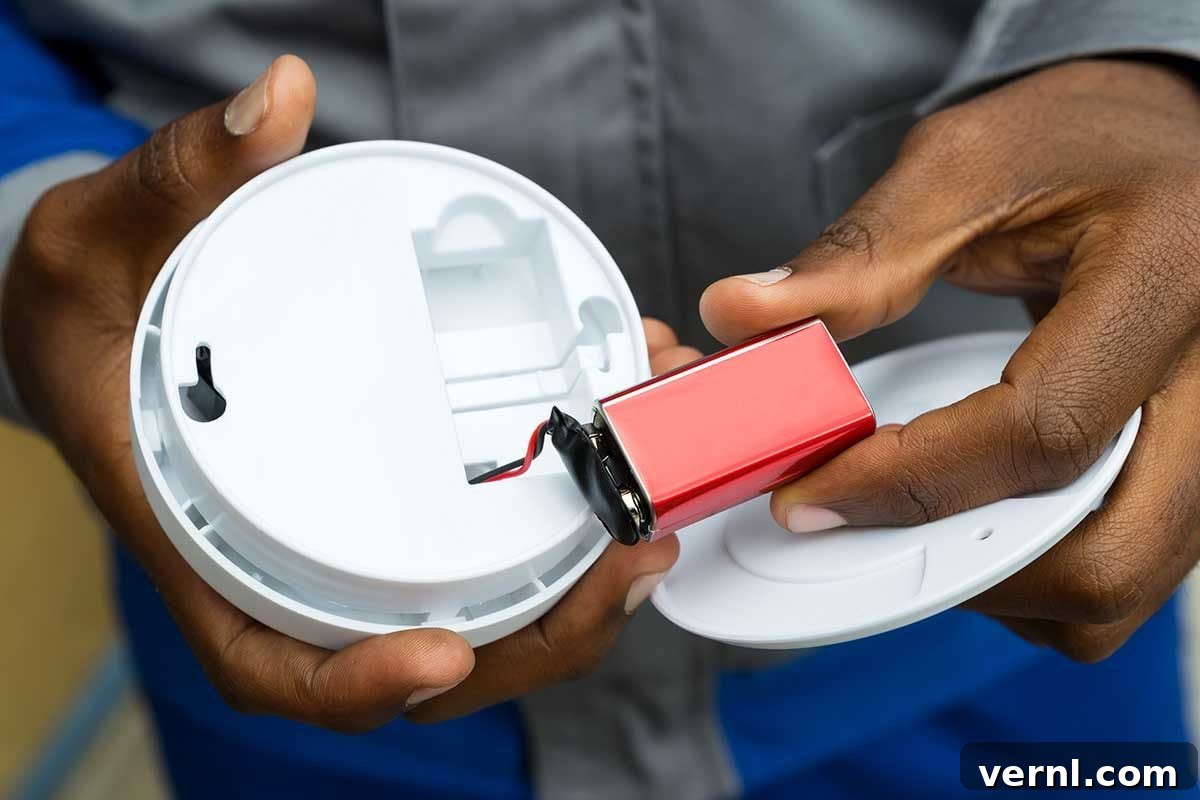
As the crisp air of autumn settles in and the days grow shorter, a significant calendar event signals more than just a seasonal shift: Daylight Saving Time comes to an end this weekend, specifically on Sunday, November 3rd, when most of the United States “falls back” by one hour. While many appreciate the brief gift of an extra hour of sleep, this biannual transition carries with it an invaluable reminder for every homeowner and renter: it’s time to prioritize your home’s most critical safety devices. That means a very important item just jumped to the top of your to-do list: changing the batteries in every smoke alarm and carbon monoxide detector in your house.
The stakes couldn’t be higher when it comes to home fire safety. According to alarming statistics from the Consumer Product Safety Commission (CPSC), approximately two-thirds of all fire deaths in the United States occur in homes that lack working smoke alarms. These devices are not merely accessories; they are your family’s first line of defense, providing precious seconds—often the only warning—to escape a burgeoning fire. Without functioning detectors, the risk of injury or fatality skyrockets. Similarly, carbon monoxide (CO) detectors are silent heroes, safeguarding against the odorless, colorless, and deadly gas often dubbed “the silent killer.” So, as you adjust your internal clock and perhaps grab an extra coffee to combat the time change, make a crucial detour to pick up fresh batteries—enough for every single smoke and carbon monoxide detector in your home. This simple, proactive step can be the difference between life and tragedy.
Why the Time Change is Crucial for Smoke Alarm Batteries: A Smart Safety Link
You might wonder what the seemingly unrelated act of adjusting clocks for Daylight Saving Time has to do with the vital task of maintaining your home’s fire and CO safety equipment. There isn’t a direct scientific or functional connection between the time change itself and the operational life of a battery. Instead, this link is a stroke of genius in public safety messaging, a powerful reminder mechanism that has undoubtedly saved countless lives over the decades.
Fire safety experts universally recommend replacing the batteries in your smoke and carbon monoxide detectors every six months. This recommendation isn’t arbitrary; it’s based on ensuring that these life-saving devices always have sufficient power to operate effectively and reliably when you need them most. The Spring and Fall time changes, occurring approximately six months apart, offer a perfectly convenient and universally recognized reference point for this essential maintenance task. By associating a fixed, widely observed calendar event with a critical safety check, the likelihood of compliance significantly increases, transforming a forgotten chore into a memorable routine.
This brilliant strategy was formalized back in 1995 when the International Association of Fire Chiefs (IAFC) partnered with the Energizer company to launch the now-iconic “Change Your Clocks, Change Your Batteries” campaign. This initiative wasn’t just about selling batteries; it was a groundbreaking social marketing effort designed to instill a vital safety habit into the public consciousness. With its catchy slogan and consistent messaging, the campaign effectively made changing detector batteries semi-official and synonymous with seasonal clock adjustments. Three decades later, its lasting impact is undeniable. What was once an overlooked chore is now a routine and essential part of home maintenance, standing alongside tasks like cleaning gutters or changing furnace filters in its importance for household well-being. This campaign’s enduring success underscores the power of simple, consistent messaging in promoting life-saving habits.
Understanding Battery Life and Chirping Alarms: Key Indicators for Replacement
While the biannual time change provides an excellent framework for battery replacement, it’s also essential to be aware of other indicators that your smoke detector batteries might be failing. Modern smoke and carbon monoxide detectors are designed with built-in safeguards to alert you when their power source is running low. The most common and unmistakable sign is a high-pitched, intermittent chirping sound that repeats every few seconds or minutes. This persistent chirp is not a malfunction; it’s a deliberate and critical warning signal, indicating that the batteries are dying and need immediate replacement.
It’s crucial not to ignore this sound, even if it seems like a minor annoyance. A chirping alarm means your detector is operating on critically low power and may not function correctly or at all in the event of a fire or CO leak. Ignoring it could mean sacrificing vital minutes of warning. In some cases, a continuous chirping or a series of rapid chirps might also signal that the entire smoke alarm unit needs to be replaced due to an internal fault or simply reaching its end-of-life. If replacing the batteries doesn’t stop the chirping, or if the unit is older than 10 years, it’s definitively time for a full replacement of the device itself.
Beyond the auditory cues, some detectors feature a small LED light that might flash or change color to indicate battery status or operational issues. Regularly check your specific detector’s user manual to understand its unique signaling methods. However, regardless of whether you hear a chirp or see a light, adhering to the six-month replacement schedule remains the safest and most proactive approach to ensuring continuous and reliable protection. Don’t wait for the warning; replace proactively.
Testing Your Smoke and Carbon Monoxide Detectors Effectively: A Monthly Must-Do
Simply changing the batteries isn’t enough; you must also verify that your detectors are functioning correctly. Testing your smoke and CO detectors is a quick and straightforward process that should be performed monthly, not just during battery changes. This routine check ensures that the alarm’s internal components, sensor, and sounder are all operational, guaranteeing they are ready to protect you when needed most.
To test a detector, locate the “Test” button—it’s usually prominent, clearly labeled, and often accessible without removing the unit. Press and hold this button firmly for a few seconds. You should hear a loud, piercing siren, indicating that the alarm is working as intended. If your home has interconnected detectors, where one alarm detects smoke and triggers all others simultaneously, ensure that all interconnected units sound off during the test. If the siren sounds weak, muffled, or fails to sound at all, it’s a clear indication that the batteries are either dead, improperly installed, or the unit itself is faulty and needs immediate attention or replacement.
While testing, take a moment to gently clean the detector’s exterior. Dust, dirt, cobwebs, and even small insects can accumulate in the sensor chambers over time, potentially impeding their ability to detect smoke or CO effectively. Use a soft brush attachment on your vacuum cleaner or a can of compressed air to carefully clear any debris from the vents and openings. Avoid using cleaning sprays or harsh chemicals directly on the detectors, as these can damage the sensitive internal components and compromise their functionality. Regular testing and cleaning are fundamental steps in ensuring the longevity, reliability, and accuracy of your life-saving devices.
The Lifespan of Detectors: Understanding When to Replace the Entire Unit
Many homeowners correctly focus on changing batteries, but often overlook another critical aspect of detector maintenance: the lifespan of the units themselves. Smoke and carbon monoxide detectors do not last forever. It is universally recommended that you replace smoke detectors every 10 years. This applies regardless of the brand, model, or whether they are battery-powered or hardwired into your home’s electrical system.
The 10-year lifespan is not arbitrary. Over time, the sensitive components within smoke detectors—such as ionization chambers or photoelectric sensors—can degrade, become less responsive, or accumulate internal dust and debris that cannot be removed through simple cleaning. This degradation compromises their ability to detect actual smoke effectively and quickly. Even if a detector seems to be working during a test, its ability to detect a real fire might be severely diminished after a decade of service. Most detectors have a manufacturing date printed on the back or side; use this as your primary guide for replacement. If you can’t find a date or it’s illegible, err on the side of caution and replace the unit immediately.
For combination smoke and carbon monoxide detectors, the replacement schedule can be even shorter. The CO sensing element typically has a lifespan of five to 10 years, depending on the manufacturer and model. Always check the specific expiration date printed on your combination unit, as its CO detection capability might expire sooner than the smoke detection component. Replacing these units on schedule is paramount to ensuring continuous and reliable protection against both the immediate danger of fire and the insidious threat of carbon monoxide poisoning. An expired detector is a potentially useless detector.
Understanding Hardwired Smoke Alarms and The Critical Role of Battery Backups
Many modern homes are equipped with hardwired smoke detectors. A hardwired smoke detector is a unit that is directly connected to your home’s electrical system, drawing its primary power supply from your household wiring. This design offers several significant advantages, including a continuous, uninterrupted power supply, eliminating concerns about battery life as the primary power source, and often featuring interconnected capabilities where if one alarm detects smoke, all alarms in the house sound simultaneously, providing maximum warning.
However, despite being hardwired, nearly all these systems are also equipped with a battery backup. This backup battery is not optional; it’s a critical safeguard designed to ensure that your smoke alarms remain fully operational during power outages, such as those caused by storms, utility failures, or even fires themselves. If the main power in your home fails, the battery backup instantly takes over, seamlessly maintaining the alarm’s functionality and your family’s protection. It is this backup battery that still needs to be changed on the recommended six-month cycle, just like in purely battery-powered units.
Ignoring the battery backup in a hardwired system creates a dangerous vulnerability. While the detector might appear to be working normally when the main power is on, it will become useless if the power goes out, leaving your home unprotected precisely when you might need it most during an emergency. Therefore, it is just as important to regularly test your hardwired smoke detectors and replace their backup batteries biannually as it is for purely battery-powered units. Proper maintenance of hardwired systems includes ensuring professional installation, understanding their interconnected features, and strictly adhering to the battery replacement and unit lifespan recommendations to maintain continuous safety.
Determining the Right Number and Placement of Detectors for Optimal Safety
Ensuring adequate coverage throughout your home is as important as maintaining your detectors. Local building codes and ordinances may stipulate exactly how many smoke alarms a building is required to have, so it’s always wise to check with your local fire department or municipal building department for specific requirements in your area. These codes often represent the bare minimum standard for safety, and fire safety experts frequently recommend exceeding them for optimal protection and peace of mind.
General fire safety guidelines, such as those from the National Fire Protection Association (NFPA), recommend specific placement strategies for smoke and carbon monoxide detectors to maximize their effectiveness and provide the earliest possible warning:
- On Every Level: Install at least one smoke detector on every level of your home, including finished basements and usable attics. This ensures that smoke from a fire originating on any floor is detected promptly, regardless of where people are.
- Inside Every Sleeping Room: A smoke alarm should be installed inside every bedroom or designated sleeping area. This is crucial because fires often start or spread rapidly at night when occupants are asleep and less likely to detect smoke early through smell.
- In Hallways Outside Sleeping Areas: Place smoke detectors in the hallway adjacent to or leading to sleeping areas. This provides a critical early warning for those sleeping in nearby rooms. For homes with multiple sleeping areas or particularly long hallways, additional detectors may be necessary to ensure no area is left unprotected.
- Carbon Monoxide Detectors: For CO detectors, the recommendations are similar: install one on every level of the home and within or outside every sleeping area. Additionally, consider placing one near attached garages and fuel-burning appliances (like furnaces, water heaters, and fireplaces) where CO leaks are most likely to originate, though not directly on or next to them, as this can lead to nuisance alarms.
Avoid placing smoke detectors near windows, doors, or heating/cooling ducts where drafts might interfere with their operation, or in kitchens too close to cooking appliances where cooking fumes could trigger false alarms. Always follow the manufacturer’s installation instructions for optimal performance and reliable protection.
Types of Smoke Detectors: Understanding Your Options
Understanding the different types of smoke detectors available can help you make informed decisions about your home’s safety system and choose the best fit for different areas. The two primary types are ionization and photoelectric, and many homes benefit from a combination of both for comprehensive coverage.
- Ionization Smoke Detectors: These detectors are generally more effective at detecting fast-flaming fires that produce small, invisible smoke particles. They contain a small amount of radioactive material that ionizes the air between two electrically charged plates, creating an electrical current. When smoke enters the chamber, it disrupts this current, triggering the alarm. Ionization alarms tend to react quicker to rapidly spreading, high-heat fires, often associated with combustibles like paper or wood.
- Photoelectric Smoke Detectors: These detectors excel at sensing smoldering fires, which produce large, visible smoke particles and can burn for hours before erupting into flames. They work by directing a light source into a sensing chamber at an angle away from a sensor. When smoke enters the chamber, it scatters the light into the sensor, activating the alarm. Photoelectric alarms are often preferred for areas near kitchens or bathrooms where steam or cooking fumes might cause nuisance alarms with ionization types.
- Combination (Dual Sensor) Detectors: To provide comprehensive protection against both types of fires, many homeowners opt for combination smoke detectors that incorporate both ionization and photoelectric sensors. These dual-sensor units offer the best of both worlds, responding effectively to a wider range of fire types. They are an excellent choice for general home coverage.
- Smart Smoke Detectors: The latest advancements in home safety include smart smoke detectors that connect to your home’s Wi-Fi network. These devices offer advanced features like smartphone notifications, remote testing capabilities, and integration with other smart home systems, providing an extra layer of convenience and connectivity. While highly convenient, they still require regular battery changes for backup power and adherence to the 10-year replacement schedule for the unit itself.
Carbon Monoxide: The Silent Killer and the Lifesaving Role of CO Detectors
Beyond fire, another invisible and highly dangerous threat looms in many homes: carbon monoxide (CO). As previously mentioned, carbon monoxide is a colorless, odorless, and tasteless gas produced by the incomplete combustion of fuels like natural gas, propane, oil, wood, and charcoal. Common sources include faulty furnaces, gas stoves, water heaters, fireplaces, clothes dryers, and vehicle exhaust from an attached garage. CO poisoning symptoms can often be subtle and mistaken for the flu, including headaches, dizziness, nausea, shortness of breath, and fatigue. High levels can rapidly lead to unconsciousness, permanent brain damage, and death within minutes, making it a particularly insidious threat.
Because CO is completely undetectable by human senses, a functioning carbon monoxide detector is not just recommended, it is absolutely essential for every home. These detectors work by sensing the concentration of CO in the air over time. Different types of CO detectors exist, including electrochemical, metal oxide semiconductor, and biomimetic sensors, each designed to react to the presence of CO molecules. Regardless of the underlying technology, their purpose is the same: to provide a loud, clear warning before CO levels become life-threatening, giving occupants precious time to ventilate or evacuate.
Like smoke detectors, CO detectors have a finite lifespan, typically between five and ten years, depending on the manufacturer and specific model. It’s crucial to replace them according to the manufacturer’s recommendations, as their ability to accurately and reliably detect CO diminishes over time, even if they appear to be working. Proper placement, as discussed, on every level of the home and near sleeping areas, is also vital for early detection and robust protection against this deadly gas. Never underestimate the silent danger of carbon monoxide.
Developing a Comprehensive Home Fire Safety Plan: Beyond the Alarms
While working smoke and CO detectors are the cornerstone of home safety, they are most effective when integrated into a broader, well-thought-out home fire safety plan. Every household should have a clear, practiced plan in place, ensuring that every member knows exactly what to do in an emergency. Preparing in advance can significantly increase survival rates.
Here are key components to consider when developing your family’s comprehensive fire safety plan:
- Escape Routes: Identify at least two escape routes from every room, typically a primary door and a secondary exit like a window. Ensure that windows are not painted shut and can be easily opened by all occupants, including children. Practice opening and using them.
- Outdoor Meeting Point: Establish a designated outdoor meeting point a safe distance from your home (e.g., a neighbor’s house, a specific tree, a lamppost). This ensures everyone is accounted for quickly and safely after evacuating.
- Practice Drills: Conduct fire drills regularly, at least twice a year, practicing both day and night scenarios. Children, especially, should understand the distinct sound of the alarm and what actions to take immediately. Reinforce crawling low under smoke.
- “Stop, Drop, and Roll”: Teach children and reinforce with adults the “Stop, Drop, and Roll” technique if clothing catches fire, a simple but critical skill.
- Know Your Emergency Number: Ensure everyone knows to call 911 (or local emergency services) immediately once safely outside the home. Emphasize that once outside, you stay outside.
- Fire Extinguishers: Consider having easily accessible, properly maintained fire extinguishers in key areas like the kitchen, garage, and near the furnace. Crucially, know how to use them safely and effectively (remember the P.A.S.S. method: Pull the pin, Aim at the base of the fire, Squeeze the handle, Sweep from side to side). Only attempt to extinguish small, contained fires if it’s safe to do so.
- Accessibility for All: Consider the needs of all family members, including children, the elderly, or those with disabilities, when planning escape routes and practicing drills.
A Small Task for Immense Peace of Mind and Lasting Safety
As Daylight Saving Time draws to a close and we “fall back,” remember that the extra hour gained is not just for sleep; it’s an invaluable opportunity to proactively enhance the safety of your home and loved ones. Changing the batteries in your smoke and carbon monoxide detectors, testing them regularly, and understanding their lifespan and proper placement are small, simple tasks that collectively yield immense peace of mind and significantly bolster your home’s defense against unseen threats.
These devices are your silent guardians, constantly vigilant, but only if they are properly maintained and fully operational. Don’t wait for the chirp, the flashing light, or, worse yet, a genuine emergency to remind you of their importance. Make the “Change Your Clocks, Change Your Batteries” mantra a steadfast and unwavering tradition in your home. This simple habit, reinforced twice a year, is a cornerstone of effective fire and carbon monoxide prevention, ensuring that your home remains a safe haven for everyone under its roof. Take these vital steps this weekend, and rest assured that you’ve done your critical part to protect what matters most.