The Ultimate Guide to Watering Plants: When, How, and Why It Matters
Knowing the best time to water your plants might seem like a straightforward question, yet it’s one that garners a surprisingly diverse range of opinions from seasoned gardeners and beginners alike. While there are certainly widely accepted best practices, the most critical rule of thumb is simple: water your plants proactively, *before* they show signs of distress. Adopting this principle can make all the difference in nurturing thriving, healthy greenery.
While you’re mastering the art of plant hydration, you might also be curious to find out if concoctions like banana water for plants offer any benefits.
Understanding Your Plants’ Hydration Needs
A plant that is wilting, sagging, or drooping is already signaling its thirst. While lack of moisture is the most common culprit, these symptoms can also indicate other issues, such as damage from garden pests, the presence of plant diseases, excessive heat, or even, paradoxically, overwatering. However, in most cases, a droopy plant is simply crying out for a drink. Proper watering is fundamental to plant health, influencing everything from nutrient absorption to disease resistance and overall vitality. Getting it right ensures your plants can perform essential functions like photosynthesis efficiently, leading to robust growth and abundant blooms or harvests.
The Optimal Time of Day to Water Plants
Considering all factors, the consensus among horticultural experts is that the early morning is unequivocally the best time to water your plants. This practice offers several distinct advantages:
Why Morning Watering Is Superior
- Prepares Plants for the Day Ahead: Watering in the morning allows your plants to absorb the necessary moisture before the day’s heat intensifies. This hydration fortifies them, enabling them to better withstand the stress of sunlight and rising temperatures, reducing the risk of wilting later in the day.
- Reduces Disease Risk: When you water in the morning, any moisture that lands on foliage has ample time to evaporate as the sun rises. This is crucial because prolonged leaf wetness, especially overnight, creates an ideal environment for the proliferation of fungal diseases and other pathogens. By watering early, you minimize this risk.
- Maximizes Absorption, Minimizes Evaporation: Morning temperatures are typically cooler, and winds are generally calmer. This means less water is lost to evaporation, allowing a greater percentage of the water to penetrate the soil and reach the plant’s root zone, where it’s needed most.
It is almost always more efficient and beneficial to direct water to the base of plants using methods like drip irrigation or a soaker hose. These systems deliver water directly to the root zone, significantly limiting evaporation and keeping foliage dry. The only exception might be an occasional overhead shower for particularly dusty plants, which can help clean their leaves and improve photosynthesis, provided it’s done early enough for the leaves to dry.
Morning watering is particularly advantageous for annuals and many vegetables, which often have shallower root systems. These plants rely more heavily on moisture in the upper layers of the soil and have less access to deeper soil reserves. Some annuals, such as New Guinea impatiens, are famously sensitive to water scarcity. Many gardeners even use New Guinea impatiens as “sentinel plants”; when these start to droop, it’s a clear signal to water not only them but also their nearby companion plants before they too become stressed.
For more established trees and shrubs, the precise time of day matters less than it does for flowers and shallow-rooted plants, mainly due to their deeper, more extensive root systems. However, morning watering remains a good practice for them as well.
Is It Bad to Water Plants at Night?
While not always catastrophic, watering plants at night does carry inherent risks that gardeners should be aware of. The primary concern is that water can linger on the surface of the soil, around the base of the plants, and on the leaves for extended periods overnight. This consistent moisture creates an inviting habitat for various garden pests and, more critically, fosters an environment conducive to the development and spread of fungal and bacterial diseases. Mildew, black spot, and various blights thrive in damp, stagnant conditions, making night watering a potential trigger for these issues. If circumstances compel you to water in the evening, try to do so early enough that the foliage has a chance to dry before nightfall, and always aim water directly at the base of the plant, avoiding the leaves.
The Least Efficient Time: Afternoon Watering
For all types of plants, watering in the afternoon is generally the least efficient choice. The midday sun and peak temperatures mean that a significant portion of the water evaporates before it can even reach the roots, leading to waste and less effective hydration. However, there’s a crucial caveat: if you notice a plant struggling due to a severe lack of moisture, showing obvious signs of wilting and stress, do not hesitate. Water it immediately. Waiting for the “best time” could cause irreversible damage or even lead to the plant’s demise. Urgent hydration is always prioritized over optimal timing in such emergency scenarios.
Special Considerations for Container Plants
Container plants present unique watering challenges. Due to the limited volume of soil, containers heat up faster and dry out much more quickly than garden beds. In the hottest parts of summer, it’s not uncommon for container plants to require watering twice a day – once in the morning and again in the evening. The morning watering prepares the plants for the day’s heat, while the evening watering replenishes the moisture lost throughout the day, helping them recover overnight.
There are, of course, exceptions to this rule. For instance, if you’re caring for succulents, they demand far less frequent watering. Their ability to store water in their leaves and stems means they thrive on infrequent, deep watering rather than daily moisture. When watering container plants, always check the soil moisture with your finger before watering. The top inch or two should feel dry. Ensure your containers have adequate drainage holes to prevent waterlogging, which can be just as detrimental as under-watering.
Watering Established Trees and Shrubs
Unlike annuals, established perennials, tough shrubs, and resilient trees possess deeper and more extensive root systems. This allows them to access moisture from lower soil profiles, making them more tolerant of short-term water scarcity. They can endure periods without water better than their shallow-rooted counterparts. However, this doesn’t mean they are immune to drought. Prolonged dry spells can severely stress even the most established trees and shrubs, leading to significant health declines. Therefore, while they may not need daily attention, it’s crucial not to neglect them during dry periods. When watering these larger plants, the key is to water deeply and slowly, encouraging roots to grow downward rather than staying near the surface. This can be achieved with a soaker hose or drip system running for several hours, allowing water to penetrate deep into the soil.
Essential Care for New Plants
Newly installed plants, whether they are annuals, perennials, shrubs, or trees, require significantly more diligent watering until their root systems are established in their new environment. This establishment phase is critical for their long-term survival and health.
The main strategies for successful watering of new plants involve:
- Utilizing Mulch: Applying a layer of organic mulch around the base of new plants is incredibly beneficial. Mulch helps conserve soil moisture by reducing evaporation, regulates soil temperature, and suppresses weed growth, which would otherwise compete for water.
- Slow and Deep Watering: Instead of quick, shallow watering, aim for slow, deep saturation. This encourages the roots to grow downward, seeking moisture deeper in the soil, rather than remaining concentrated near the surface. Deep roots make plants more resilient to future dry periods.
- Consistent Monitoring: Check the soil moisture frequently, especially in the first few weeks after planting. Use a trowel or your finger to gauge the moisture level. If the top two to four inches of soil feel dry to the touch, it’s time to water, even if the plant isn’t yet showing overt signs of stress. This proactive approach prevents stress before it manifests.
Is Hand Watering an Effective Method?
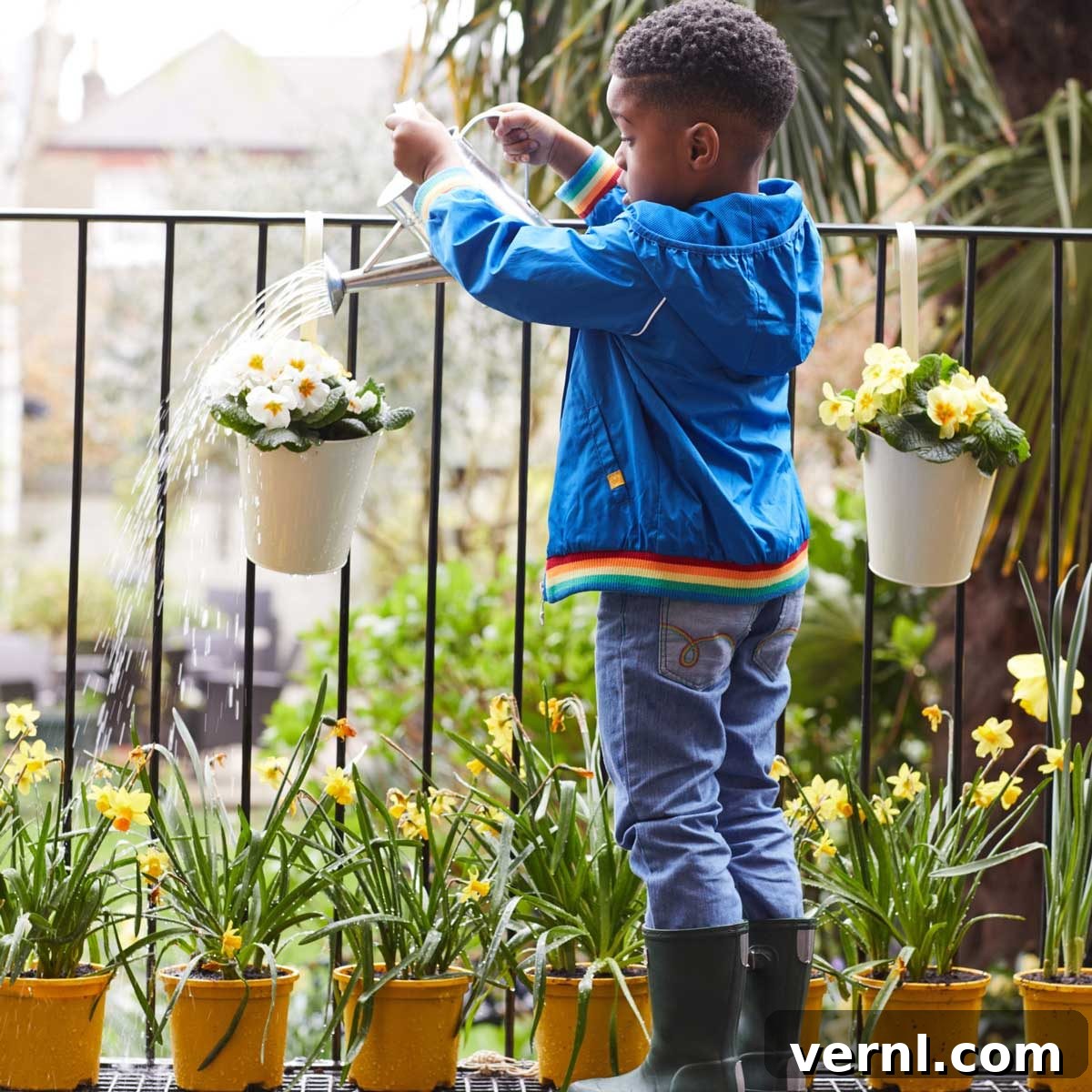
Hand watering, using a watering can or a hose, can be perfectly adequate for plants in containers, raised beds, or small garden patches. For individual pots, it allows for precise control over the amount of water each plant receives. However, when it comes to larger garden beds or in-ground plants, hand watering often falls short. The primary reason is that most people tend not to water individual in-ground plants for long enough to achieve the necessary depth of penetration. A quick spray on the surface might make the soil look wet, but it doesn’t typically reach the deeper root systems.
For in-ground plants, it’s far more effective to let a hose dribble slowly at the base of each plant for several minutes. This method ensures the water soaks deeply into the soil, thoroughly hydrating the root zone. While the hose is working, you can efficiently use your time to scout for weeds, check for pests, or perform other light garden maintenance. If hand watering is your only option for in-ground plants, commit to thorough, deep watering rather than superficial sprinkles.
General Watering Tips for Thriving Plants
Beyond the optimal time of day, several other factors influence how and when you should water your plants. Mastering these will significantly contribute to your gardening success.
Recognizing Signs of Thirsty Plants
While drooping is a universal sign, keep an eye out for other indicators:
- Wilting Leaves: Leaves may lose their turgor and appear limp.
- Discolored Foliage: Leaves might turn dull green, yellow, or even brown, starting from the edges.
- Dry Soil: The most obvious sign – the soil feels dry and crumbly several inches down.
- Stunted Growth: A plant that isn’t growing well may be struggling with inadequate water.
Beware of Overwatering
Just as harmful as under-watering, overwatering can lead to root rot and other issues. Signs include:
- Yellowing Leaves: Often starting at the base of the plant.
- Stunted Growth: Despite abundant water, the plant isn’t thriving.
- Soft, Mushy Stems: A clear sign of rot.
- Moldy or Green Algae on Soil Surface: Indicates consistently wet conditions.
- Wilting: Confusingly, overwatered plants can also wilt because suffocated roots cannot absorb water.
How to Check Soil Moisture Effectively
The “finger test” is simple and highly effective:
- For Potted Plants: Stick your finger two inches into the soil. If it feels dry, it’s time to water.
- For Garden Beds: Dig a small test hole with a trowel about 4-6 inches deep. If the soil is dry at that depth, water is needed.
- Moisture Meters: For more precise measurements, especially for sensitive plants or in new gardening situations, a soil moisture meter can be a valuable tool.
Factors Influencing Watering Needs
A plant’s water requirements are not static; they depend on several variables:
- Plant Type: Succulents need less, tropical plants often need more.
- Soil Type: Sandy soils drain quickly and require more frequent watering, while clay soils retain water longer.
- Climate and Weather: Hot, windy, or dry conditions increase evaporation and the need for water.
- Pot Size: Smaller pots dry out faster than larger ones.
- Sun Exposure: Plants in full sun need more water than those in shade.
- Growth Stage: Young plants and fruiting/flowering plants generally need more water.
Watering Houseplants: Indoor Care
Many of the principles for outdoor plants apply indoors, but with subtle differences. Watering your houseplants correctly is vital for their survival. Indoor plants are typically in containers, so the advice for container plants holds true: check soil moisture diligently. Ensure good drainage and avoid letting pots sit in standing water. Consider humidity levels indoors; plants from humid environments may appreciate occasional misting in addition to root watering. Remember that winter often means less watering due to slower growth and less evaporation.
By understanding these nuances and adopting a proactive approach, you’ll be well on your way to cultivating a thriving garden, both indoors and out. Happy watering!