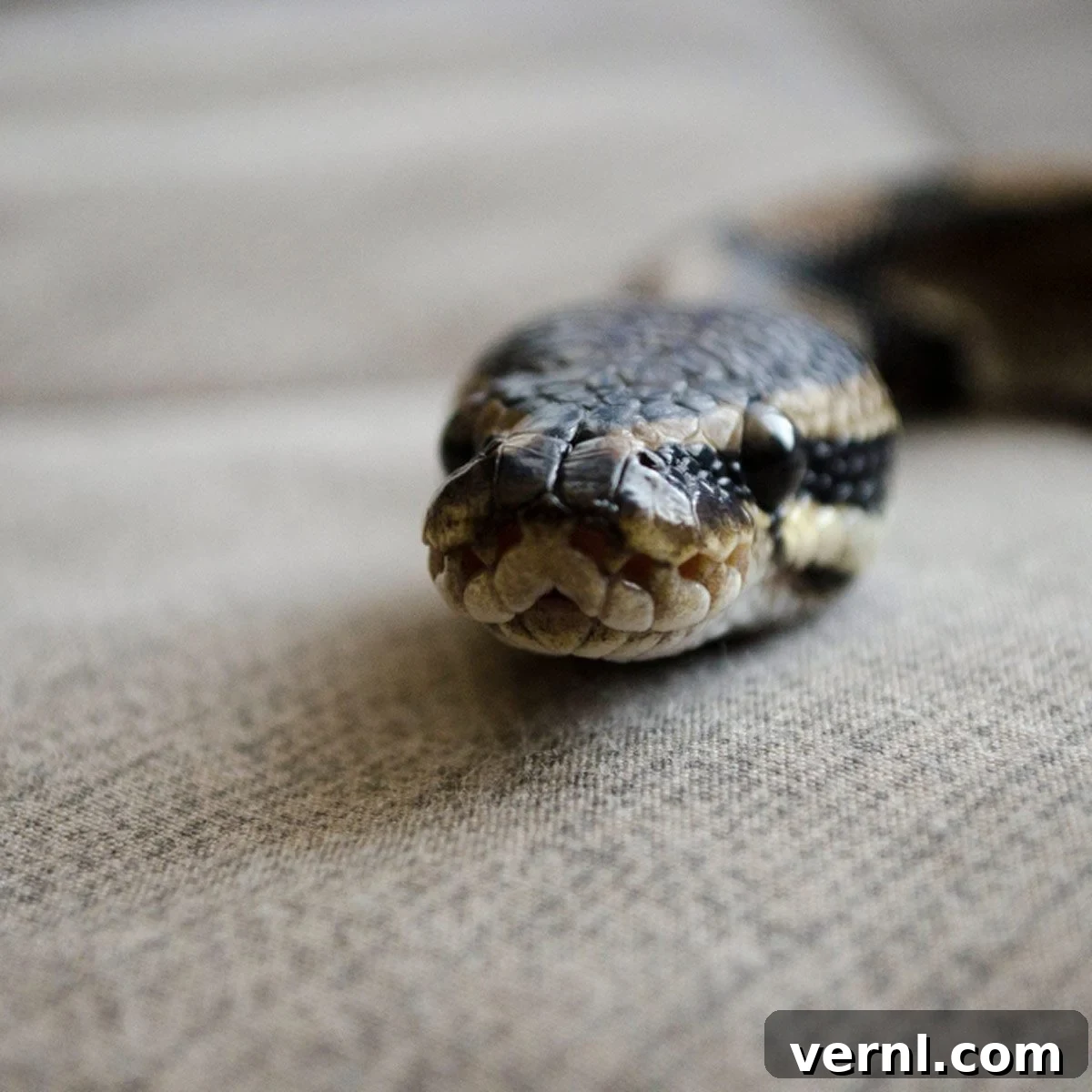
The thought of a snake slithering through your home is enough to send shivers down most spines. While snakes are a vital part of many ecosystems, their presence indoors is an unwelcome surprise for any homeowner. These incredibly flexible creatures can squeeze through surprisingly tiny spaces, often in pursuit of prey, warmth, shelter, or a safe place to lay their eggs. Understanding how they gain entry is the first crucial step in safeguarding your home. This comprehensive guide will explore the most common ways snakes infiltrate residences and provide actionable strategies to prevent these unwelcome guests.
How Do Snakes Gain Entry to Your Home? Understanding Common Snake Entry Points
Snakes are opportunistic invaders, constantly searching for ideal conditions. They exploit even the smallest vulnerabilities in your home’s exterior, turning seemingly minor imperfections into significant entry points. Let’s explore the primary routes these slithery visitors use to get inside.
Through Cracks and Gaps Around Doors and Windows
One of the most frequent entry points for snakes, particularly in garages and at ground-level doors, are the subtle gaps that often exist. As Tennessee exterminator Paul Osborne points out, even minute spaces between the garage door and its frame, or under any exterior door, can serve as an open invitation. Snakes can flatten their bodies remarkably, allowing them to slip through openings as narrow as a quarter of an inch. They are often drawn indoors by the scent of rodents like rats and mice, which may have already found their way inside and established a food source for the snake. Ensuring tight seals around all exterior doors and windows with proper weatherstripping, door sweeps, and secure thresholds is paramount.
Through Gaps Between Brick, Siding, and Foundation
Your home’s exterior walls, while seemingly solid, can harbor hidden vulnerabilities. Osborne further warns that snakes can exploit missing mortar between bricks, or gaps that form between siding and stone veneers, or other exterior wall materials. Over time, building materials can shift, settle, or degrade, creating tiny crevices that are perfect for a snake to navigate. These gaps not only invite snakes but also compromise your home’s structural integrity by allowing moisture intrusion, which can lead to more significant damage. Regularly inspecting and repairing these structural imperfections with appropriate caulk, mortar, or sealants is essential for both snake prevention and general home maintenance.
Hidden Within Large Potted Plants or Landscaping Elements
It sounds like a scene from a horror movie, but snakes can and do hide within the foliage or soil of large potted plants. We’ve heard firsthand accounts of homeowners who brought a beautiful large houseplant indoors, only to discover a snake emerging from it later that day. It’s often impossible to tell when or how the snake made its way into the pot outdoors, but the shock of an unexpected reptilian guest is undeniable. If you have large container plants on your patio or porch that you routinely bring inside for the colder months, a thorough inspection is crucial. Before relocating them indoors, gently probe the soil, check underneath pots, and inspect the foliage carefully for any signs of snakes or other unwanted critters. This simple precaution can prevent a very startling encounter.
Attracted to Attics, Vents, and Utility Line Openings by Prey
The thought of a snake in the attic might seem far-fetched, but it’s a surprisingly common issue that pest removal services regularly address. Snakes are excellent climbers, and they are often lured into attics, crawl spaces, and wall voids by the alluring scent of rodents, birds, or insects that have taken up residence. Unsealed attic vents, damaged roof shingles, gaps around utility lines entering the roof or walls, and even dryer vents can serve as easy access points. To prevent this, it’s vital to address any existing rodent infestations that might attract snakes and ensure all high-level openings are securely sealed. Use ¼-inch hardware cloth to cover vents and seal any gaps around pipes or cables penetrating your home’s exterior.
Through Plumbing Systems and Into the Toilet Bowl
While often dismissed as an urban legend, snakes have indeed been found in toilets. The good news is they are rarely crawling up through your home’s main sewer lines from deep underground. More commonly, they enter plumbing systems through compromised drain pipes, unsealed outdoor utility clean-outs, or even through open vent pipes on the roof (especially if they are seeking water or prey in the pipes). From there, they can navigate the system until they find an exit, which can unfortunately be your toilet bowl. While less common than other entry methods, it’s a vivid reminder of a snake’s incredible ability to explore tight, dark spaces. Ensuring all outdoor plumbing access points are sealed and repairing any broken pipes can help prevent this unsettling scenario.
Unsealed Foundation Cracks and Crawl Space Access Points
The foundation of your home forms its protective barrier, but cracks and unsealed openings can compromise this defense. Snakes frequently use deteriorating mortar in stone or block foundations, unsealed crawl space doors or vents, and gaps around pipes or utility lines that penetrate the foundation as easy entry points. Crawl spaces and basements often provide the dark, damp, and secluded environments that snakes prefer, especially if they are also home to rodents or insects. Regular inspection of your home’s foundation for any fissures, crumbling mortar, or unsealed access points, followed by prompt repair using concrete patching compounds or appropriate sealants, is crucial for snake exclusion.
Frequently Asked Questions About Snakes in the Home
Why Do Snakes Come Into Houses in the First Place?
Snakes primarily enter homes seeking three fundamental needs: food, shelter, and suitable temperatures. If your home has a rodent problem (mice, rats, voles), it becomes an attractive hunting ground for snakes. Beyond food, they are constantly searching for safe, secluded places to hide from predators, adverse weather, or to hibernate. This often means dark, damp, and quiet areas like basements, crawl spaces, attics, or cluttered storage areas. During periods of extreme heat or cold, snakes may also seek refuge indoors where temperatures are more stable. Essentially, if your home inadvertently offers an accessible haven with readily available resources, snakes will be drawn to it.
What Time of Year Are Snakes Most Likely to Enter Homes?
According to Nicole Carpenter, President of Black Pest Prevention, “Snakes are most likely to enter homes in spring when they’re waking up hungry and in fall when they’re hunting for a warm spot to hibernate.” In spring, after their winter dormancy, snakes emerge actively seeking food and mates, increasing their chances of encountering and entering homes. As autumn approaches, they begin to search for secure, temperate locations to overwinter, making basements, crawl spaces, and attics appealing. During the summer, snakes generally prefer to remain outdoors where temperatures are comfortable, and food is abundant, so the likelihood of them moving indoors decreases. In deep winter, they are largely dormant and hidden, making indoor encounters less probable.
How Can I Protect My Home From Snakes? Comprehensive Prevention Strategies
Protecting your home from snakes requires a multi-faceted approach, focusing on exclusion and deterrents. Carpenter advises, “Ideally, your first line of defense is making your yard less attractive to snakes.” This means eliminating potential hiding spots and food sources. Keep your lawn meticulously mowed, trim dense bushes and shrubs away from your home’s foundation, and remove brush piles, rock piles, and any clutter that offers shelter. Effective rodent control in and around your property is also critical, as rodents are a primary food source for many snake species. Without food and shelter, snakes are far less likely to linger near your home.
However, especially in rural areas or properties bordering natural habitats, completely eliminating all snakes isn’t feasible. Carpenter emphasizes, “When you can’t control what’s outside 100 percent, sealing up your house is the next best step.” Snakes possess incredible flexibility and can squeeze through astonishingly small cracks—even openings as narrow as a quarter-inch. Therefore, a thorough inspection and sealing of all potential entry points is paramount. Use high-quality door sweeps on all exterior doors, install weatherstripping around windows, and seal cracks in the foundation, around pipes, and utility lines with exterior caulk or expanding foam. For vents, crawl space openings, and areas under decks, install ¼-inch hardware cloth to create a robust physical barrier. Regular maintenance of these seals is essential to ensure long-term protection.
How Can I Tell If There’s a Snake In My House? Signs of an Unwanted Guest
Aside from the startling experience of directly spotting a snake, several tell-tale signs can indicate a snake has taken up residence in your home. One of the most common is finding shed snake skins. Snakes shed their entire outer layer of skin as they grow, and finding a complete, translucent skin can be a clear sign of their presence. Look for these in quiet, undisturbed areas like basements, attics, or behind furniture. Another indication is the presence of slither tracks, especially in dusty areas of your basement, garage, or crawl space. Pay attention to your pets; dogs and cats often react to snakes before humans do, displaying unusual barking, hissing, or intense fixation on a particular area. Some larger snake species can also emit a musky, distinct odor. Finally, unexplained rustling or scratching sounds emanating from walls, ceilings, or hidden voids, especially at night, could point to a snake (or other pests) moving about.
What Are the Most Common Entry Points for Snakes? A Recap
Recapping the critical vulnerabilities, Carpenter states, “The most common way snakes get in is under exterior doors or garage doors, which are often poorly sealed.” These ground-level gaps provide direct access. However, homeowners must not overlook other crucial entry points. Gaps around utility lines (such as those for AC, plumbing, or electrical conduits), unsealed attic vents, and even compromised roof edges can all serve as invitations. Carpenter reminds homeowners, “Snakes can and do climb, they can flatten, squeeze, and are super flexible — so even very tiny gaps and spots up high are all potential entry points.” This emphasizes the need for a thorough, top-to-bottom inspection of your home’s entire exterior.
What Are Some Common Mistakes Homeowners Make That Attract Snakes?
Poor maintenance of the area immediately surrounding your home is arguably the biggest mistake homeowners make that inadvertently attracts snakes. Carpenter explains, “Snakes love poorly-maintained yards because they basically offer an abundance of food and a good shelter for them.” Overgrown grass provides cover, thick bushes offer cool, shady hiding spots, and brush piles, leaf litter, and general outdoor clutter create ideal snake habitats. Critically, these neglected areas also attract rodents, frogs, and insects, providing snakes with an abundant food supply without needing to wander far. By creating such conditions, homeowners essentially roll out the welcome mat for snakes.
Even a well-cared-for yard can sometimes be problematic due to specific landscaping choices. Carpenter details, “Even if it’s a well-maintained yard, sometimes the landscaping is just set up in a way that gives snakes exactly what they want — dense plants, shady hiding spots and lots of cover close to the house.” For instance, using decorative stone walls, rockeries, or log edging directly against the house foundation can create small tunnels and crevices that remain cool and damp—prime snake habitat. Stacking firewood directly against the foundation also creates perfect hiding spots. Being acutely aware of these common landscaping and maintenance errors is key to implementing effective snake prevention strategies around your home.
What Should I Do If I Find a Snake in My House?
Discovering a snake indoors can be frightening, but it’s important to remain calm. First, identify the snake from a safe distance if possible, without approaching it. If it’s clearly identifiable as non-venomous and small, you might be able to guide it out with a broom and dustpan. However, for any snake you cannot identify, or for larger or potentially venomous snakes, the safest course of action is to contact a professional wildlife removal service or animal control. Contain the snake to one room by closing the door and blocking any gaps under it with a towel. Keep pets and children away from the area. Do not attempt to catch or handle a snake yourself, as this is when most bites occur. Professionals have the training and equipment to safely remove the snake and can also help identify its entry point to prevent future intrusions.
About the Expert
Nicole Carpenter is the insightful President of Black Pest Prevention. Her career in pest control began during high school, continuing through her studies at N.C. State University. Black Pest Prevention offers comprehensive pest control services, proudly serving both North and South Carolina, with a strong presence in the Charlotte area.