Earwigs: Understanding, Identifying, and Managing These Common Household Pests
Earwigs, often recognized by their distinctive pincers and an old wives’ tale of crawling into people’s ears, are a prevalent and easily identifiable household pest. These ecological scavengers play a dual role in our environment: they help clean up by feasting on dead and decaying plant life and insects in gardens and natural spaces, contributing to the natural order. However, their presence, especially when they venture indoors, can cause considerable distress and anxiety for homeowners. This comprehensive guide will delve into the world of earwigs, covering everything from their unique characteristics and preferred habitats to effective strategies for identifying, removing, and preventing these intriguing yet often unwelcome insects from disrupting your peace.
How to Identify Earwigs: Key Characteristics and Behavior
Often dubbed the “Pincher Bug,” the earwig is an insect that, once seen, is hard to forget. With their distinctive appearance and predictable habits, identifying them becomes quite straightforward. Understanding their physical traits and typical behavior is the first step in managing their presence around your home.
What Exactly Are Earwigs?
Earwigs are fascinating nocturnal insects belonging to the Dermaptera order, a name derived from Greek words meaning “skin wings,” referring to their folded, leathery hindwings often hidden beneath short forewings. Globally, there are over 2,000 known species, with more than 20 varieties found in the United States alone. These resilient creatures inhabit nearly every continent, with the notable exception of Antarctica. While the infamous myth of earwigs crawling into human ears has been widely debunked by science, their intimidating appearance, particularly the prominent pincers at the rear of their abdomen, is often enough to alarm the average homeowner.
What Do Earwigs Look Like? A Detailed Description
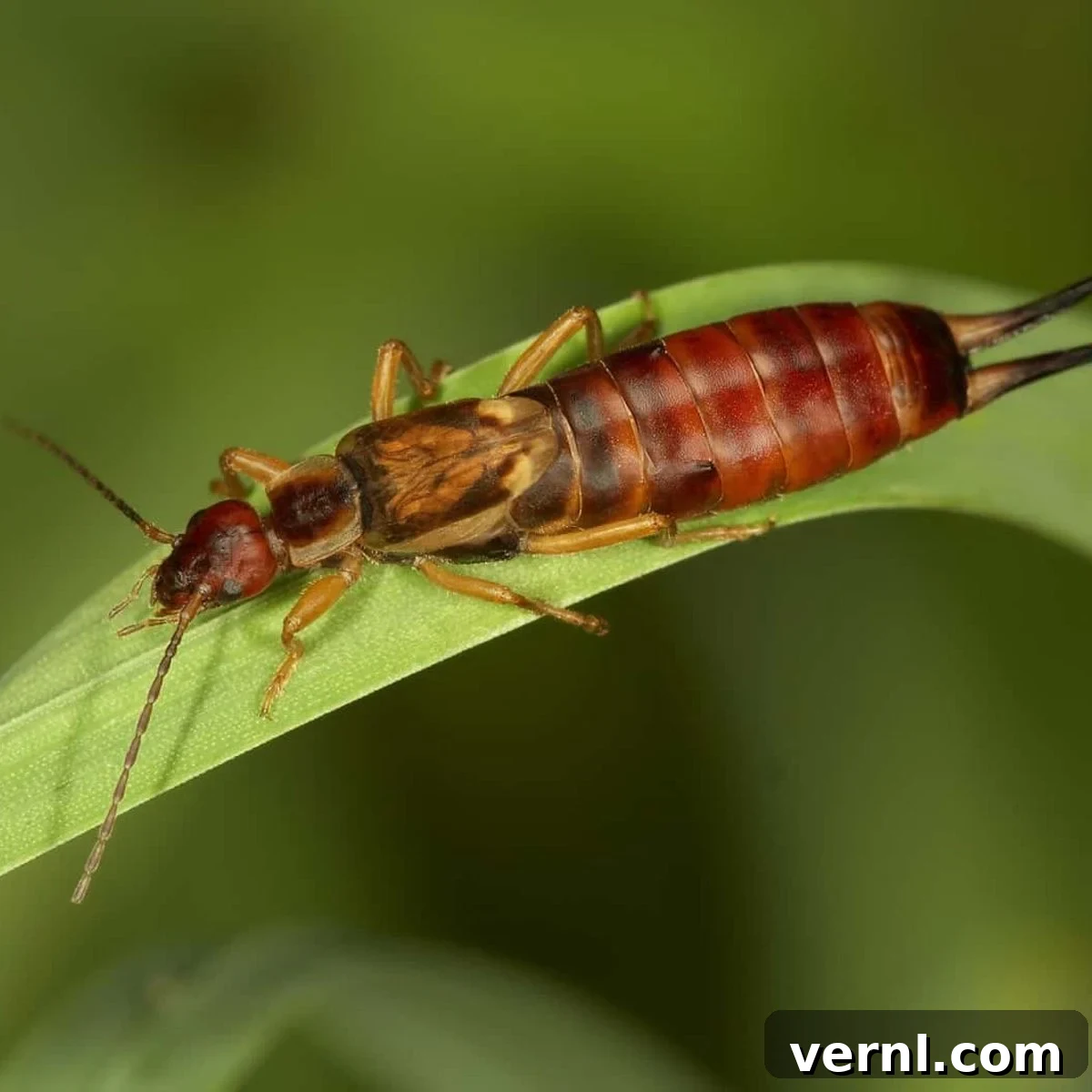
Earwigs possess a truly unique appearance, making them relatively easy to distinguish from other insects. Their most prominent feature is undoubtedly the pair of large, forcep-like appendages, known as cerci, which protrude from the end of their abdomen. While these pincers can look quite menacing, they are generally harmless to humans, primarily used for self-defense against predators, grasping prey, and in some species, for mating rituals. The shape of these pincers can even differ between sexes, with males often having more curved cerci than females.
Adult earwigs typically measure between ½ to 1 inch (approximately 1.3 to 2.5 cm) in length, though some species can grow larger. Their bodies are usually slender and flattened, ranging in color from a light to dark reddish-brown, often with a glossy finish. They possess six legs, which are well-suited for crawling and scurrying across various surfaces. From the front of their head, two long, segmented antennae extend, constantly sensing their environment for food and danger. Most earwig species also have two pairs of wings: short, leathery forewings (tegmina) that cover and protect the larger, membranous hindwings. Despite having wings, earwigs are surprisingly poor or infrequent fliers. They primarily rely on their legs for locomotion, preferring to scuttle quickly to get from one location to another.
Common Types of Earwigs You Might Encounter
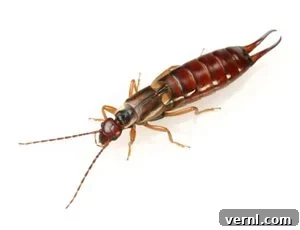
With such a diverse range of earwig species worldwide, it’s helpful to know which ones are most commonly found in and around human habitats. The European earwig (Forficula auricularia Linnaeus) is arguably the most widespread and well-known species, frequently encountered across North America, including the United States, and is the type often depicted in general pest guides. However, many other types of earwigs exist, each with slight variations in appearance or habitat preferences. These include:
- Red-Legged Earwig (Euborellia annulipes): Often found in warmer climates, distinguished by its reddish-brown legs.
- Striped Earwig (Labidura riparia): A larger species with distinctive stripes on its abdomen, frequently found near sandy areas.
- Maritime Earwig (Anisolabis maritima): Typically found in coastal regions, often under debris near water.
- St. Helena Giant Earwig (Labidura herculeana): Though possibly extinct, this was the largest known earwig, reaching up to 3 inches in length.
- Seashore Earwigs: A general term for several species that thrive in damp, sandy environments near bodies of water.
Despite these variations, the majority of earwig species share fundamental body characteristics, including their signature pincers, long antennae, and a generally slender body frame, making their overall identification quite consistent.
Earwig Habitat and Dietary Preferences: Where They Live and What They Eat
Understanding an earwig’s natural habitat and dietary needs is crucial for both identification and effective pest management. As opportunistic scavengers, earwigs are primarily driven by two instincts: finding a steady supply of food and securing a safe, moist environment protected from harsh elements and predators. This section explores their preferred living conditions and what sustains them.
What Do Earwigs Eat? Their Omnivorous Diet
Earwigs are typically omnivores, exhibiting a diverse diet that allows them to thrive in various environments. Their menu often includes decaying organic matter, making them beneficial decomposers in garden ecosystems. They will readily feed on dead and decaying plant life, various other insects (both living and dead), pollen, and lichens. This scavenging behavior helps to break down organic material and return nutrients to the soil.
However, their omnivorous nature also means they can become agricultural and garden pests. Earwigs have a particular fondness for soft plant tissues and sweet fruits, leading them to feast on apricots, vegetables, tender plant shoots, and even certain flowers. In gardens, their feeding can result in ragged holes in leaves, damaged seedlings, or nibbled fruits, causing frustration for gardeners. While they can use their pincers to capture smaller arthropods like aphids and mites, they are primarily known as scavengers, consuming insect eggs and other soft-bodied invertebrates found amongst the detritus.
The Ideal Earwig Environment
Earwigs are quintessential outdoor, nocturnal insects. They have a strong preference for cool, dark, and especially moist locations. These conditions are essential for their survival, as they are susceptible to desiccation in dry, hot environments. Outdoors, you’ll frequently find them seeking refuge in places that offer ample moisture and shelter, such as under old wood piles, beneath rocks, within dense garden foliage, or nestled deep in leaf piles. Female earwigs are particularly meticulous about their outdoor breeding grounds, preferring to lay their eggs in sheltered spots within the soil or in small, damp crevices where the young will be protected.
While their natural inclination is to reside outdoors, earwigs can sometimes find their way into homes. This can happen accidentally, perhaps by hitchhiking in on bags, potted plants, or even in trash brought indoors. More commonly, they seek entry when outdoor conditions become inhospitable, such as during periods of extreme heat, drought, or heavy rainfall. They are always on the lookout for spots that mimic their preferred moist outdoor environment, making cool basements, damp crawl spaces, or rooms with plumbing leaks prime indoor targets. As nocturnal creatures, they remain hidden during daylight hours, emerging at night to forage. Interestingly, many earwig species are attracted to light, so it’s not uncommon to find them congregating around bright porch lights or window sills after dark.
Where Do Earwigs Live Globally?
Earwigs exhibit a remarkable global distribution, thriving in diverse climates across almost every continent, with the singular exception of the frigid expanse of Antarctica. Their adaptability allows them to exist in various ecosystems, from humid tropical regions to temperate zones. In the United States, the common earwig is widespread, though it tends to be more prevalent in the southern and southwestern states where warmer, more humid conditions persist for longer durations. These insects generally do not fare well in consistently cold environments, which is why only a select few species are capable of surviving in northern climates or at higher altitudes. Depending on your geographical location, you might encounter several different types of earwigs, each subtly adapted to its local surroundings.
How to Remove Earwigs: Effective Strategies for Pest Control and Prevention
The unsettling appearance of earwigs, coupled with their potential to damage gardens and invade homes, often prompts homeowners to seek immediate solutions for their removal. Fortunately, with a clear understanding of their habits, you can implement effective strategies to eliminate existing earwigs and prevent their unwelcome return. This section provides actionable steps to achieve an earwig-free environment.
Signs of an Earwig Presence
Before you can remove earwigs, you need to confirm their presence. They are masters of hiding, so knowing where to look is key. As established, earwigs prefer cool, damp, and dark environments. Outdoors, common hiding spots include organic debris like mulch, thick layers of dead leaves, under stones, logs, and potted plants. Gardens, with their abundant food sources and moisture, are often ideal camping grounds for these pests. Indoors, they will gravitate towards areas that mimic these conditions: cool basements, damp crawl spaces, laundry rooms, bathrooms with a leak, or any location offering consistent moisture. Earwigs typically gain entry into homes through foundation cracks, gaps around windows and doors, or other open crevices. You might also notice them near drains, under sinks, or within piles of damp towels.
Understanding Earwig Infestations
It’s important to note that earwigs are not typically colony-forming insects like ants or bees. They do not have a queen, nor do they operate within a structured social system. Therefore, genuine earwig infestations, characterized by overwhelming numbers, are quite rare. If you find a larger concentration of earwigs in one place, it’s usually because that specific spot offers an exceptionally hospitable environment – a perfect combination of moisture, darkness, and food. For instance, a neglected pile of decaying leaves or a constantly damp wood pile in your yard can become a temporary haven for several earwigs seeking protection from the dry, hot sun and a consistent food supply.
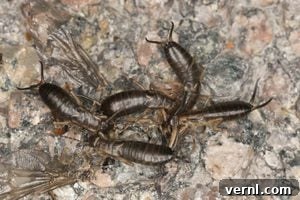
When found indoors, earwigs are often just “strays” that have wandered in from their outdoor homes. They might be seeking temporary asylum from adverse external conditions, like a sudden dry spell or extreme heat, or they could have been accidentally carried in. Finding a few earwigs in your basement, especially if there’s a leak or dampness, can be disconcerting, but it’s reassuring to know they are most likely an outdoor insect temporarily sheltering in your house rather than establishing a full-blown invasion.
Effective Earwig Pest Control Methods
While generally harmless, earwigs can be an unpleasant sight indoors and a genuine nuisance in the garden. Fortunately, there are several effective methods to get rid of earwigs:
- DIY Traps: A simple and effective trap can be made using a shallow dish or container filled with a mixture of soy sauce and vegetable oil. Earwigs are attracted to the soy sauce and will fall into the trap, becoming submerged in the oil. Place these traps near known earwig hangouts in the garden or along basement walls.
- Insecticidal Sprays: For visible earwigs, an alcohol-based insecticide spray can provide a quick knockdown. Alternatively, a homemade solution of dish soap and water (1-2 tablespoons per gallon) sprayed directly on them can also be effective.
- Natural Predators: Encourage natural predators in your garden, such as birds and frogs. Creating a hospitable environment for these animals (e.g., bird baths, small ponds, native plants) can be a long-term, eco-friendly approach to earwig control.
- Vacuuming: For earwigs found indoors, a quick pass with a vacuum cleaner is an immediate and chemical-free solution. Dispose of the vacuum bag contents outdoors immediately to prevent them from re-entering.
- Diatomaceous Earth: Food-grade diatomaceous earth can be sprinkled in areas where earwigs are suspected to hide. This natural powder causes dehydration in insects, effectively killing them.
Beyond immediate removal, sustained prevention of earwigs is key. Earwigs seek safe, moist homes to hide in during the day and feed at night, often thriving in rainy seasons. To prevent them in your yard and garden, focus on eliminating their ideal resting locations:
- Remove Organic Debris: Regularly clear away leaf piles, old wood, excessive mulch buildup (especially if it touches the house foundation), and other dense vegetation. Keep garden beds tidy and free of fallen fruits or decaying plants.
- Manage Moisture: Ensure gutters and downspouts are clean, functional, and direct water away from your home’s foundation. Fix leaky outdoor faucets and irrigation systems promptly to reduce damp spots.
- Create Dry Zones: Establish a dry, inorganic barrier (e.g., gravel or decorative stone) around your home’s foundation, ideally 6-12 inches wide, to deter pests seeking moisture near entry points.
To keep earwigs out of your home, focus on sealing potential entry points:
- Seal Cracks and Gaps: Inspect your home’s foundation for cracks or holes and seal them with appropriate caulk or sealant.
- Secure Windows and Doors: Ensure windows close tightly and have intact screens without gaps or tears. Add weatherstripping to doors that don’t seal properly.
- Check Utility Entry Points: Seal any openings around pipes, wires, and utility lines where they enter the house.
- Reduce Indoor Humidity: Use dehumidifiers in damp areas like basements and ensure good ventilation in bathrooms and kitchens.
The overarching principle for earwig prevention is to make your environment inhospitable to them. Cleanliness, open spaces, and especially dry conditions are the exact opposite of what an earwig seeks for shelter and survival.
Earwig Safety: Are These Pests Dangerous?
Despite their intimidating appearance, particularly the prominent pincers that protrude from their rear, earwigs are surprisingly benign insects when it comes to human interaction. They are often mistakenly perceived as one of the most dangerous insects inside your home, but this fear is largely unwarranted.
If an earwig happens to crawl on you, its primary instinct will be to escape. In rare instances, if it feels threatened or trapped, it might attempt to use its pincers in self-defense. An earwig’s pinch typically causes only slight, momentary discomfort, similar to a light snap or prick. In very rare cases, the pincers might break the skin, but this is uncommon given their small size and relatively weak grip. If a pinch does occur and the skin is broken, the recommended treatment is simple: clean the area thoroughly with soap and water, and apply an antibiotic cream to prevent any potential infection, just as you would for any minor cut or scrape.
Crucially, earwigs do not possess a stinger and therefore do not inject venom. They are not poisonous if ingested, nor do they transmit diseases to humans or pets. The persistent old wives’ tale about earwigs burrowing into people’s ears and laying eggs in the brain is a complete myth, with no scientific basis or documented cases. While their presence might be unsettling or creepy to some, they pose no significant health risk. For persistent or widespread earwig concerns that extend beyond DIY solutions, it’s always advisable to contact your local pest exterminator. A professional can evaluate your specific situation and provide tailored, effective solutions to manage earwig populations.
Additional Earwig Information & Resources
For those seeking even more in-depth knowledge about earwigs and effective pest management strategies, explore these related articles and resources:
- Types of Earwigs
- Earwig Life Cycle
- Earwig Infestations: What You Need to Know
- How to Get Rid of Earwigs Effectively
- How to Prevent Earwigs from Returning
- Earwig Safety: Understanding the Risks
- Fascinating Earwig Facts
Sources & Further Reading:
- The Old Farmer’s Almanac: Earwigs
- Insect Identification: Earwigs
- University of Minnesota Extension: Earwigs