The Ultimate Guide to Deck Finishing: Oil vs. Water-Based Stains for Lasting Beauty
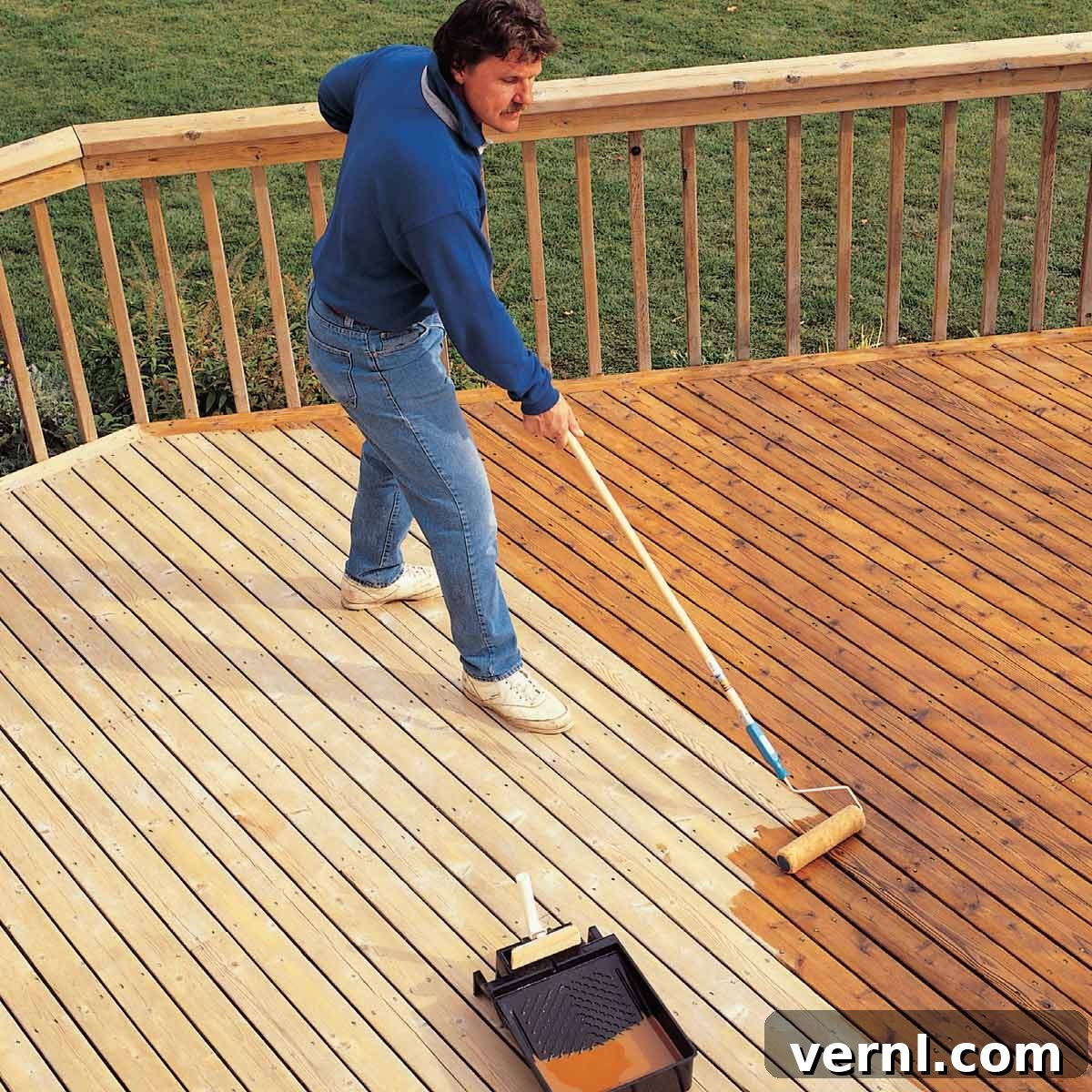
A beautifully maintained wood deck is more than just an outdoor structure; it’s a vital extension of your home, offering a perfect sanctuary for relaxation, entertainment, and enjoying the outdoors. However, the true longevity and aesthetic appeal of your deck fundamentally depend on one crucial element: its finish. The right deck finish – whether it’s a sealant, stain, or paint – acts as a robust shield, guarding the wood against the relentless assault of moisture, damaging UV rays, and color-fading elements, all while enhancing its inherent beauty and character. Neglecting this crucial step can lead to premature deterioration, costly repairs, and a significant reduction in your deck’s lifespan.
Even with the initial application of a top-quality product, a deck’s finish isn’t a permanent solution. Constantly exposed to varying weather conditions 365 days a year, your deck will typically demand refinishing every three to five years, sometimes even sooner depending on local climate, usage intensity, and the specific product quality. This recurring maintenance cycle makes the initial choice of finish paramount. With a bewildering array of deck finishing products lining the aisles of every home improvement store, distinguishing the best option for your specific needs can feel overwhelming. This comprehensive guide aims to demystify the process, offering expert advice on how to effectively choose between oil-based and water-based deck coatings, understanding their unique properties, and adopting best practices to ensure your chosen finish endures, preserving your deck’s beauty and integrity for as long as possible.
Choosing the Best Deck Finish: Understanding Your Options
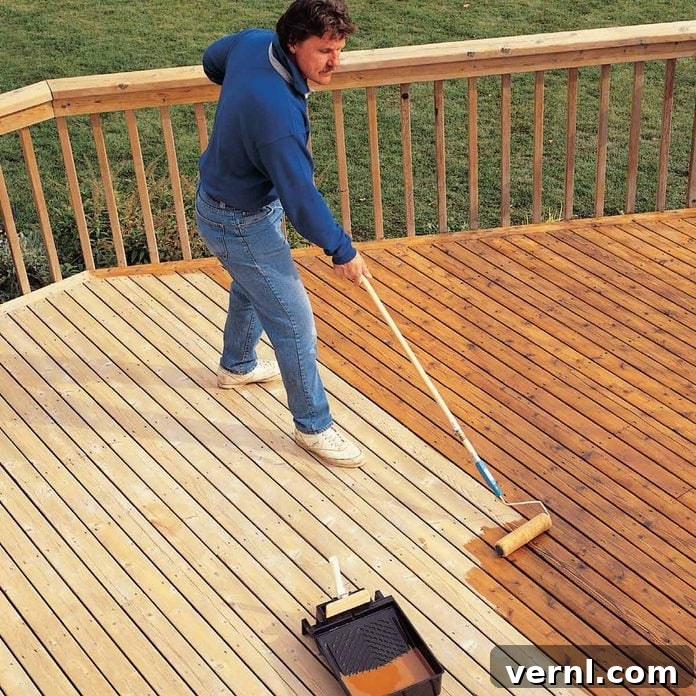
Deciding on the perfect finish for your deck involves more than just picking a color from a swatch. It requires a thoughtful evaluation of several critical factors, including the type of wood your deck is constructed from, your local climate, the expected level of foot traffic, your desired aesthetic outcome, and your commitment to ongoing maintenance. The primary distinction in deck finishes often lies between oil-based and water-based formulations, each presenting a unique set of application processes, performance characteristics, and long-term maintenance requirements. While manufacturers frequently tout impressive longevity claims, it’s crucial to approach these with a degree of skepticism. The true lifespan of even the highest-quality deck finish on wood constantly exposed to the elements remains inherently unpredictable. As you navigate your choices, keep the following detailed facts in mind.
Oil-Based Deck Finishes: Deep Penetration and Natural Wood Enhancement
Oil-based finishes, traditionally favored by many seasoned professionals and experienced DIY enthusiasts, are renowned for their superior ability to deeply penetrate wood fibers. This deep absorption offers exceptional protection from within, nourishing the wood and significantly enhancing its natural appearance. According to deck stain expert Scott Paul, “Oil-based products are difficult to use for the majority of DIYers today. Even so, they can effectively enhance the natural appearance of wood, protect against moisture, and prevent mold and mildew growth.” This deep penetration means the finish becomes an integral part of the wood itself, rather than merely sitting as a film on the surface. While the application might demand a bit more skill, patience, and careful attention to detail, the resulting rich, durable, and natural-looking finish is often considered well worth the effort.
- Superior Penetration and Nourishment: Oil-based finishes soak deep into the wood grain, saturating the fibers with protective oils. This deep nourishment helps prevent drying and cracking from within, significantly minimizing the risk of peeling and flaking that can plague film-forming finishes.
- Enhanced Natural Wood Beauty: By deeply saturating the wood, these products dramatically bring out the inherent warmth, character, and beauty of the wood grain, creating a more natural and sophisticated aesthetic that many homeowners prefer.
- Greater Application Flexibility: Oil-based finishes typically offer wider temperature and humidity parameters for application compared to water-based alternatives. This extended window means you might be able to apply them earlier in the spring or later in the fall season, allowing more flexibility in your project planning.
- Exceptional Resistance to Cracking and Peeling: Because they don’t form a rigid surface film, oil-based finishes are far less prone to cracking, blistering, or peeling, which are common failure modes for surface-coating products when exposed to temperature fluctuations and moisture.
- Easier Spot Refinishing and Maintenance: If a small area of your deck shows localized wear, you can often clean and reapply an oil-based finish to just that specific section, blending it seamlessly with the rest of the deck without the need to strip the entire surface.
- Robust Moisture and Mildew Protection: The deep penetration provides excellent water repellency, creating a barrier that prevents moisture absorption. This also effectively inhibits the growth of mold and mildew, which can cause significant damage, discoloration, and make your deck slippery.
- Slower Drying Time: This characteristic can be both an advantage and a drawback. While it allows for more working time during application, ensuring a smooth, even coat, it also means your deck will be out of commission for longer, typically 4-24 hours depending on environmental conditions, before it’s safe for light foot traffic.
- Regular Cleaning Recommended: To maintain its pristine condition and significantly prolong its protective life, routine cleaning to remove dirt, debris, and surface contaminants is essential for oil-based finishes.
Water-Based Deck Finishes: Eco-Friendly and User-Friendly Innovations
Water-based deck finishes represent a modern evolution in wood protection, offering a compelling and increasingly popular alternative, especially for environmentally conscious DIYers and those seeking an easier application process. A key differentiator is their composition: water-based products contain significantly fewer volatile organic compounds (VOCs) compared to many traditional oil-based options, making them safer for both the applicator and the environment, and contributing to better indoor and outdoor air quality. Scott Paul highlights their accessibility, stating, “Water-based stains are easier for novices to use, eco-friendly, and easy to clean with soap and water.” He also points out a significant practical advantage for busy homeowners: “Unlike oil-based stains that often take 4 to 12 hours to dry, many water-based options dry in only 2 hours.” This quicker drying time minimizes disruption to your outdoor activities and drastically reduces the risk of dust or debris settling on the wet finish, which is a common concern with slower-drying products.
- Rapid Drying Time: The fast-drying nature of water-based finishes means you can often apply multiple coats in a single day and have your deck ready for light use much sooner, sometimes within just a few hours. This is a major convenience factor.
- Low VOCs and Environmentally Preferable: With significantly reduced solvent content, these finishes emit fewer harmful fumes, contributing to improved air quality and a smaller environmental footprint, making them a “greener” choice.
- Easier Application and Cleanup: Their thinner, more forgiving consistency generally makes them easier to apply, even for novice DIYers. Furthermore, spills or application tools can typically be cleaned with just soap and water, simplifying the post-project cleanup.
- Forms a Durable Protective Film: Water-based finishes create a resilient film on the surface of the wood, offering excellent resistance to abrasion, scuffs, and foot traffic. Modern formulations are also engineered with advanced UV inhibitors to provide superior color retention and resist fading caused by sun exposure.
- Greater Color Retention and Consistency: Many water-based stains are specifically formulated to hold their color longer and more consistently, especially in direct sunlight, providing a uniform aesthetic over extended periods.
- Potential for Cracking and Peeling Over Time: While modern advancements have significantly improved their durability, the film-forming nature of water-based finishes means they are still inherently more susceptible to cracking, blistering, or peeling over prolonged exposure to harsh weather cycles, particularly if not applied correctly or maintained diligently.
- Requires Complete Removal Before Refinishing: When it’s time for reapplication, a water-based finish that has started to fail typically requires complete stripping to ensure proper adhesion and a smooth, even new coat. This can be a more labor-intensive and time-consuming process than spot-refinishing oil-based products.
Understanding Deck Stain Transparency Levels
Beyond the fundamental oil versus water debate, deck finishes also come in various transparency levels. Each level offers a distinct look and provides a different degree of wood grain visibility and protective qualities:
- Clear Sealers: These products primarily offer water repellency and basic UV protection without adding any discernible color. They allow the wood’s natural grain and color to show through completely, preserving its unaltered appearance. However, clear sealers typically require more frequent reapplication due to less pigment for UV resistance.
- Transparent Stains: Containing a small amount of finely ground pigment, transparent stains add a subtle tint (e.g., cedar, redwood, or natural wood tones) while still allowing most of the wood’s natural grain and texture to remain clearly visible. They offer good UV protection and enhance the wood’s existing aesthetic.
- Semi-Transparent Stains: With a higher concentration of pigment than transparent stains, these products provide more noticeable color and better UV protection while still allowing some of the wood grain to peek through. Semi-transparent stains are excellent for refreshing older wood, evening out color variations, or providing a consistent, enriched tone.
- Solid Stains/Deck Paints: These are opaque finishes that completely cover the wood grain, similar to paint. They offer the highest level of UV protection, effectively hide minor imperfections, and provide the longest-lasting color. However, solid stains are also the most prone to peeling and flaking if the underlying surface isn’t meticulously prepared, requiring more thorough stripping during reapplication.
The “No Finish” Approach: Embracing Natural Weathering
For some homeowners, the perceived burden of constant refinishing can be a deterrent, leading them to consider leaving their deck unfinished. While this approach undeniably eliminates the need for stain or sealant reapplication, it’s crucial to understand that it’s not entirely maintenance-free and comes with its own unique set of considerations. This option is best suited for specific wood types and for those who genuinely appreciate the aesthetic of natural aging.
- Suitable Wood Types are Key: The “no finish” approach is primarily viable for naturally rot-resistant species like cedar, redwood, or specific types of pressure-treated lumber. These woods possess inherent natural defenses against decay, insect infestation, and moisture. Using pressure-treated lumber specifically designed for ground contact or severe outdoor exposure is essential.
- Elimination of Refinishing Work: The most significant and appealing advantage is the complete elimination of the labor-intensive stripping, cleaning, and reapplication process typically associated with finished decks.
- Requires Periodic Cleaning, Not Zero Maintenance: While you skip the finishing, your deck will still require regular cleaning to remove accumulated dirt, grime, mildew, algae, and surface contaminants. This prevents slippery surfaces, inhibits biological growth, and helps maintain the wood’s structural integrity.
- Develops a Distinct Silver/Gray Patina: Unfinished wood, especially cedar and redwood, will naturally weather over time due to sun exposure and oxidation, developing a beautiful, characteristic silver or gray patina. This can be a highly sought-after aesthetic for certain architectural styles and landscapes.
- Exceptional Longevity with Optimal Airflow: With proper construction that ensures excellent airflow and drainage underneath and around the deck, an unfinished deck made from appropriate, high-quality wood can indeed last for many decades, demonstrating its inherent durability.
- Increased Susceptibility to Splintering and Surface Damage: Unfinished wood can be more prone to splintering as its surface layers dry, age, and become more brittle, potentially making it less comfortable and safe for bare feet. It’s also more vulnerable to surface damage from impacts.
- Less Moisture Protection: While rot-resistant, unfinished wood can still absorb moisture, which can lead to swelling, shrinking, checking (small surface cracks), and warping. This repetitive cycle of moisture absorption and drying can potentially shorten its overall structural life compared to a consistently well-sealed and protected deck.
Regardless of your chosen finish strategy, keeping your deck in top shape often involves more than just the finish itself. For general upkeep, essential repairs, and innovative ideas to maximize your outdoor living space, explore these valuable tips for repairing, updating and maximizing your deck.
The Foundation of Success: Meticulous Deck Preparation
Applying the best deck finish available is an exercise in futility if the underlying surface isn’t properly prepared. As deck expert Scott Paul aptly puts it, “Properly preparing your deck is essential for achieving a durable and professional-looking stain application.” Skipping or rushing this crucial preparation step is, without a doubt, the most common reason for premature finish failure, often leading to unsightly peeling, blotchiness, and significantly reduced longevity. Think of meticulous preparation as laying a strong, stable foundation for your finish; without it, the entire structure of your deck protection is compromised and prone to collapse.
Thorough Cleaning: The Essential First Step to a Pristine Surface
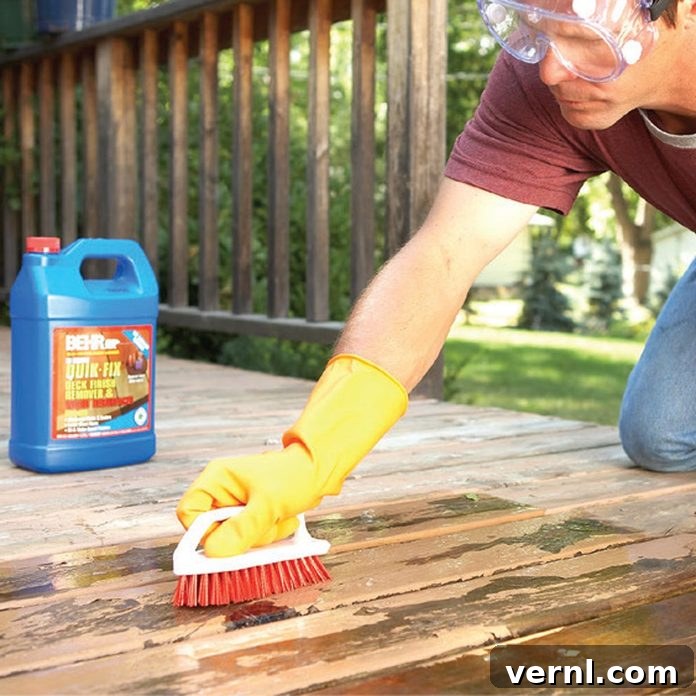
Before any new finish can be successfully applied, your deck must be immaculately clean and free of all contaminants. The presence of dirt, grime, stubborn mildew, pervasive algae, or old flaking finish will severely impede the adhesion, penetration, and overall performance of your new coating. While pressure washing might initially seem like the quickest and most efficient solution, it carries significant risks. Improper use, such as excessive pressure, holding the nozzle too close, or using incorrect angles, can easily damage the wood fibers, leading to an uneven surface, causing splintering, and accelerating the wood’s natural breakdown. Unless you are highly experienced with the proper techniques for cleaning wood with a pressure washer, it’s generally best to opt for safer, more controlled methods. Dedicated deck cleaners, paired with a sturdy scrub brush or a gentle power scrubber, are a much safer and often more effective option for most DIYers. There are various types of specialized deck cleaners available:
- Oxygen Bleach-Based Cleaners: These are highly effective at safely removing mold, mildew, algae, and general dirt without harming the wood fibers or altering the wood’s natural color. They work by oxidizing organic contaminants.
- Oxalic Acid-Based Cleaners (Brighteners): Often used after a general cleaning, these products are excellent for removing stubborn rust stains, dark tannin stains (often caused by leaves or other organic matter), and for restoring the wood’s natural, brighter color, particularly after using a harsh stripper.
Always ensure the deck is thoroughly rinsed after cleaning to remove all chemical residues and loose debris. It must then be allowed to dry completely—typically 24-48 hours, depending on humidity, temperature, and sun exposure—before proceeding to the next step to prevent moisture from compromising the new finish.
Stripping Away Old Finishes: A Necessary Task for Optimal Adhesion
If your deck has an existing finish that is peeling, flaking, discolored, or simply incompatible with your new choice (e.g., switching from water-based to oil-based), stripping it away is often a non-negotiable step. Deck stain strippers are specifically formulated chemical solutions designed to dissolve and lift old coatings from the wood surface. Scott Paul clarifies their utility: “Deck stain strippers are designed to remove old coatings like clear sealers, transparent stains, and some semi-transparent stains. They are ineffective against solid stains, paints, or varnish coatings.” For more stubborn, opaque finishes like solid stains, paints, or varnish, you’ll likely need a heavy-duty paint stripper, which often contains stronger chemicals and consequently requires more stringent safety precautions. Always follow manufacturer instructions carefully, wear appropriate personal protective equipment (heavy-duty gloves, eye protection, respirator), and ensure you work in a well-ventilated area.
Sanding and Repairs: Refining the Surface for Perfection
After thorough cleaning and stripping, a critical step often overlooked by DIYers is sanding and addressing any minor structural or surface repairs. Sanding serves several vital purposes: it smooths out any rough spots or raised grain left by stripping, removes lingering surface imperfections or weathering marks, and most importantly, it opens the pores of the wood. This “open pore” condition is absolutely essential for the new finish, especially stains, to penetrate evenly, adhere properly, and achieve a uniform, long-lasting appearance. Begin with a coarser grit sandpaper (e.g., 60-80 grit) for severely rough areas or to remove stubborn residue, and finish with a finer grit (e.g., 100-120 grit) for a beautifully smooth surface. Before initiating any sanding, diligently inspect your deck for:
- Loose Deck Boards: Secure any wobbly, squeaky, or loose deck boards using appropriate deck screws.
- Protruding Nails or Screws: Hammer down or tighten any fasteners that are sticking up to prevent injury and ensure an even surface.
- Splintering and Rough Spots: Aggressively sand down any areas that are prone to splintering to ensure a safe and comfortable surface, particularly if you plan to walk barefoot.
- Small Cracks or Holes: For purely aesthetic reasons, minor imperfections can be filled with exterior-grade wood filler. However, for transparent or semi-transparent stains, it’s often better to let these natural characteristics show through to maintain the wood’s authentic look.
After all sanding is complete, thoroughly sweep, vacuum, or blow off the deck surface to remove every trace of sanding dust and debris. Even fine dust can act as a barrier, preventing proper adhesion and penetration of the new finish.
Identifying Your Existing Deck Finish: A Crucial Compatibility Check
One of the most critical preliminary decisions when refinishing your deck is accurately determining the type of finish that was previously applied. Applying an incompatible finish can lead to disastrous results, including poor adhesion, blotchiness, rapid peeling, and a significantly shortened lifespan. While you might be able to apply an oil deck finish over an old, worn oil finish with minimal prep and expect good results, attempting to apply an oil-based finish over a water-based one without thorough removal will invariably prevent proper penetration and likely result in an uneven, unsightly, and short-lived finish. Here’s a simple, reliable test to identify your old finish type:
- The Water Absorption Test: Sprinkle a few drops of water onto a clean, dry section of your deck that still has some of the old finish.
- If the water beads up or sits on the surface without absorbing, it’s highly likely a water-based finish, or a heavily sealed oil-based finish that has formed a strong, intact film. If this finish is also cracking or peeling, it almost certainly needs to be completely removed.
- If the water quickly absorbs into the wood, causing a dark, wet spot to appear within a few minutes, it’s most likely an oil-based finish that has worn down, or a very old, deteriorated water-based finish. If the old finish isn’t peeling or cracking, a thorough cleaning with a quality deck cleaner and a stiff scrub brush might be sufficient before applying a new oil-based finish.
- For Water-Based Finishes: If your deck has a water-based finish that is exhibiting signs of failure (cracking, peeling) and/or doesn’t absorb water, you’ll undoubtedly need to use a robust paint stripper and considerable sanding to ensure all traces of the old coating are completely removed before applying any new finish, especially if you plan to switch to an oil-based product.
- For Brand New Decks (Never Finished): Patience is a true virtue here. It is strongly recommended to wait a full year, or at least 6 months, before applying even the best deck finish to brand-new wood, especially pressure-treated lumber. This waiting period allows the wood to fully acclimate to its environment, release excess moisture, and for any residual chemicals in pressure-treated lumber to leach out. During this year, it’s still important to clean the deck with a mild deck cleaner and scrub brush every three to six months, and then once more thoroughly right before applying your chosen finish to ensure a pristine surface.
About the Expert
Scott Paul brings over 30 years of invaluable, hands-on experience in the specialized fields of pressure washing and comprehensive deck maintenance. He is the visionary and driving force behind numerous successful deck stain e-commerce platforms, including the widely recognized and trusted resource, DeckStainHelp.com. Throughout his distinguished career, Scott has personally utilized and distributed an astonishing volume of decking and wood stain products, enough to cover an expansive area exceeding 100 million square feet. In the last decade alone, his profound expertise and practical knowledge have guided and assisted over 30,000 contributors on his platforms, providing crucial insights and reliable solutions to their diverse wood restoration questions and concerns. His extensive practical experience and deep industry knowledge make him an undisputed authority in the field, ensuring that the advice and recommendations he provides are both highly reliable and exceptionally effective.
By understanding the intricate nuances of deck finishes, committing wholeheartedly to thorough preparation, and diligently following expert advice, you can ensure your deck remains a beautiful, well-protected, and inviting extension of your home, providing enjoyment and enhancing your property for many cherished years to come. Make an informed decision, and invest in your deck’s lasting beauty and structural integrity.