

Ever paused to consider the journey of water, especially after it’s served its immediate purpose and disappears down the drain? For many, this thought evokes a quiet guilt, a whisper of wasted potential. But what if there was a simple, yet profoundly effective way to intercept that journey, giving precious water a second life? Enter the concept of the leftover water bucket – a remarkably straightforward, sustainable solution that you might not even realize you’ve been missing.
At its core, a leftover water bucket is precisely what its name suggests: a dedicated container kept strategically around your home to collect and repurpose water that would otherwise be needlessly discarded. It’s an elegant embodiment of mindful consumption, transforming a potentially wasteful habit into an act of conscious conservation.
This isn’t just about fleeting trends; it’s about cultivating one of those small, everyday habits that collectively culminate in significant environmental and financial benefits. Whether your primary motivation is to embrace a more eco-friendly lifestyle, to noticeably reduce your utility expenses by cutting down on your water bill, or simply to maximize the utility of resources already at your disposal, integrating a leftover water bucket into your routine represents an effortlessly impactful step towards a more sustainable future.
The Power of Preservation: Why Embrace the Leftover Water Bucket?
In an era increasingly defined by environmental consciousness and the undeniable realities of resource scarcity, every conscious choice we make within our homes holds profound significance. Adopting a leftover water bucket goes far beyond a quaint novelty; it’s a tangible commitment to responsible living, yielding benefits that ripple through your household, your finances, and the wider ecosystem.
Addressing Water Scarcity and Environmental Impact
Freshwater resources are finite and under immense pressure globally. Droughts are becoming more frequent and severe, and the energy required to treat, pump, and deliver potable water to our homes contributes significantly to carbon emissions. By salvaging water that would otherwise be wasted, you directly reduce the demand on municipal water supplies. This action, though seemingly small on an individual scale, contributes to the collective effort of preserving vital ecosystems, supporting biodiversity, and mitigating the environmental footprint associated with water consumption. It’s about recognizing that water isn’t just a utility; it’s a lifeblood, and every saved drop helps maintain that balance.
Enjoying Tangible Financial Savings
Beyond its ecological virtues, the leftover water bucket offers a compelling financial incentive. Water bills, particularly for larger households or those with extensive landscaping, can be a substantial monthly expense. By systematically reusing water for non-potable purposes – such as watering plants, flushing toilets, or cleaning – you are directly decreasing your reliance on fresh, metered tap water. Over weeks, months, and years, these small savings accumulate, translating into a noticeable reduction in your utility costs. It’s a smart, sustainable investment in your household budget that requires minimal effort.
Cultivating a Mindset of Mindful Consumption
Perhaps one of the most underrated benefits of this practice is the shift it inspires in your personal habits. Engaging with a leftover water bucket fosters a heightened awareness of water usage throughout your day. You begin to notice just how much water flows unnecessarily, becoming more conscious and intentional about every drop. This heightened awareness often extends to other areas of consumption, promoting a broader mindset of resourcefulness, waste reduction, and appreciation for the resources we often take for granted. It’s about empowering yourself to be a proactive participant in creating a more sustainable world, starting right from your kitchen or bathroom.
Your Essential Toolkit: Choosing the Right Leftover Water Bucket
The beauty of this conservation method lies in its simplicity, but a little intentionality in choosing your equipment can make it even more effective and convenient. You don’t need specialized gear; often, what you already have can work wonders.
Size Matters: Finding the Perfect Fit for Your Home
Consider the average amount of water you anticipate collecting daily and the available space. For frequent, smaller collections (like waiting for shower water), a 1-2 gallon bucket might suffice. For collecting water from washing dishes or from a dehumidifier, a 3-5 gallon bucket might be more appropriate. Having a few different sizes allows for versatility, ensuring you always have the right tool for the job without creating clutter.
Material and Durability: What to Look For
Most common household buckets made of durable plastic are perfectly suitable. Look for sturdy construction and a comfortable handle for easy transport when full. Food-grade plastic buckets (often repurposed from bulk food purchases) are excellent, especially if you plan to use the water for edible plants. A pour spout can also be a helpful feature, preventing spills when transferring water.
Strategic Placement: Where to Keep Your Buckets
The key to making this a habit is accessibility. Place smaller buckets directly in the shower, next to the kitchen sink, or near your air conditioner/dehumidifier. A larger, main collection bucket can be kept in a utility room, laundry room, or even just outside a frequently used door, ready for larger transfers. The less friction involved in collecting and storing, the more likely you are to stick with the practice.
Treasure Troves of H2O: Where to Collect Every Drop
You might be genuinely astonished by the sheer volume of perfectly reusable water that often flows straight down the drain in your home. Instead of letting this valuable resource disappear forever, here are some prime locations and methods for intercepting and collecting it:
-
The Pre-Shower Rush: Capturing Cold Water
How often do you turn on your shower, waiting impatiently for the water to warm up to a comfortable temperature? That initial gush of cold water, often for a minute or more, is pristine and perfectly clean, yet typically goes completely to waste. Make it a habit to keep a designated bucket, perhaps a 1-2 gallon capacity, right in your shower stall or bathtub. As you wait for the water to heat, position the bucket to catch every drop. You’ll be surprised how quickly it fills up. This collected water is ideal for a myriad of uses, from watering indoor and outdoor plants to filling the toilet tank or mop bucket.
-
Culinary Conservation: Rinsing Fruits and Vegetables
Before you cook, you likely rinse fruits and vegetables under running water. Instead of allowing that water to immediately disappear, place a large bowl or a clean pot in the sink to catch the runoff. Once you’re done rinsing your produce, simply transfer this slightly used, nutrient-rich water to your main leftover water bucket. This method is particularly effective as the water is typically free of harsh soaps and can be immediately put to good use for watering non-edible plants, or even garden beds.
-
Post-Cook Perfection: Repurposing Boiling Water
Cooking often involves boiling water for pasta, potatoes, rice, or blanching vegetables. Once you’ve strained your food, don’t pour that nutrient-laden water down the drain! Allow it to cool completely. This water, especially from boiling vegetables, contains dissolved vitamins and minerals that make it an excellent natural fertilizer for your plants. Just be cautious with water used to boil heavily salted items; excessive salt can be detrimental to plant health. For pasta water, the starch can also be beneficial, providing a gentle boost to soil.
-
The Dehumidifier’s Gift: Air Conditioner & Dehumidifier Condensate
If you live in a humid climate or use an air conditioner or dehumidifier, you have a virtually effortless and consistent source of collected water. These appliances work by pulling moisture directly from the air, and the resulting condensate is surprisingly clean – often distilled, especially from AC units. This collected water is excellent for almost any non-potable purpose: cleaning windows, watering delicate plants, topping off aquariums (if tested for purity), or even filling your steam iron (check appliance instructions first).
-
Everyday Spills and Sips: Unfinished Drinks
We’ve all been guilty of leaving a half-full glass of water on a nightstand or an unfinished bottle after a workout. Instead of mindlessly dumping these down the sink, make it a habit to empty them into your designated water bucket. This quick and easy action prevents perfectly good, clean water from going to waste. It’s a tiny action that adds up, particularly in a busy household.
-
Pet Hydration: Reusing Bowl Water
When you refresh your pet’s water bowl daily (which is a good practice for their health), instead of pouring the old water into the sink, direct it into your leftover water bucket. As long as the water is free from significant food debris, fur, or other contaminants, it is perfectly suitable for watering outdoor plants or even flushing toilets. Obviously, this water should not be used for human consumption, dishwashing, or cleaning surfaces where food is prepared.
-
Handwashing and Light Dish Duty: Basin Collection
If you’re quickly washing your hands or rinsing a single dish, consider using a small basin or stopper in the sink to collect the water. This is particularly effective for handwashing where only a small amount of soap is used. The collected water can then be transferred to your bucket. Be mindful, however, of the amount and type of soap used; while some diluted soapy water is fine for mature, hardy outdoor plants, it’s generally best to avoid highly soapy water for indoor plants or sensitive greenery.
-
Other Opportunistic Collections: Defrosting and More
Think creatively about other sources. When you defrost frozen foods in a bowl, the melted ice water is clean and ready for reuse. If you have a leaky faucet or a small drip, place a bucket underneath to catch it. Even a small amount of rainwater collected from a porch or balcony can contribute significantly to your bucket’s contents.
Ingenious Reuses: Giving Collected Water a Second Life
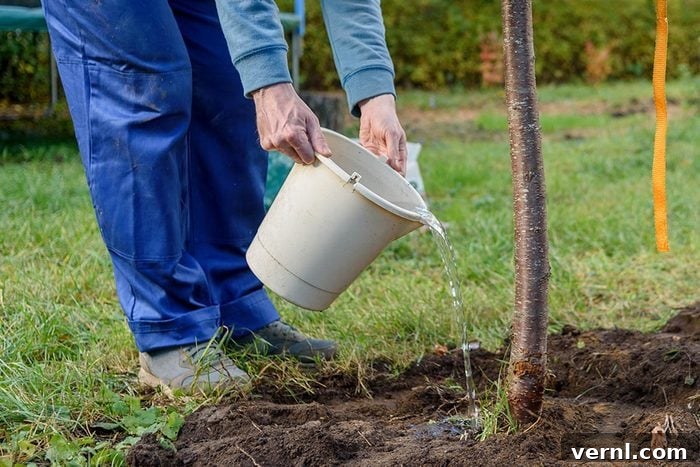
Once you’ve diligently filled your leftover water bucket, the real fun begins: finding resourceful and practical ways to give that water a valuable second life. Here are some of the most common and impactful applications:
-
Nurturing Greenery: Watering Plants
This is arguably the most intuitive and popular use for collected water. Most plants thrive on water that isn’t highly chlorinated, and many types of leftover water (like pre-shower water, fruit/veg rinse water, or dehumidifier condensate) are perfect for them. Just ensure the water doesn’t contain harsh soaps, oils, or excessive salt, as these can harm plant roots and soil microbiology. Outdoor plants, trees, and garden beds are particularly forgiving and can absorb a significant amount of collected water, helping them flourish while reducing your garden’s water footprint.
-
The Toilet Flush Hack: A Simple Save
Toilets are notorious water guzzlers, accounting for a significant portion of household water use. By pouring collected water directly into the toilet bowl, you can trigger a flush without drawing a single drop of fresh water from your supply. For a standard toilet, you generally need about 1 to 1.5 gallons to create enough siphoning action for a full flush. This method is incredibly effective for saving water, especially for “liquid-only” flushes that don’t require the full tank refill.
-
Spotless Surfaces: Cleaning Floors or Outdoor Surfaces
Why use fresh tap water for non-potable cleaning tasks? Your leftover water is perfectly suitable for mopping floors, scrubbing outdoor patios, washing windows (especially condensate water), or cleaning outdoor furniture. This is an excellent way to use water that might have a slight soap residue (from handwashing, for instance) which can even aid in the cleaning process. Just ensure it’s not overly dirty or containing substances that could stain your surfaces.
-
Pre-Soak Power: Soaking Dirty Dishes or Laundry
Stubborn grime on dishes or heavily soiled laundry often benefits from a good pre-soak. Instead of filling a sink or tub with fresh water, use your collected water to get the job started. This softens dried-on food or loosens dirt, making subsequent scrubbing much easier and reducing the amount of fresh water needed for the main wash. This is an ideal use for that initial cold shower water or even water from rinsing produce.
-
Outdoor Oasis: Refilling Outdoor Water Features
If you have a birdbath, a decorative pond, or a fountain that requires regular topping off due to evaporation, your leftover water bucket is a ready supply. This keeps your outdoor features aesthetically pleasing and functional for local wildlife without increasing your municipal water consumption. Always ensure the water is relatively clean and free of harsh chemicals that could harm birds or aquatic life.
-
Creative Applications: Beyond the Obvious
Don’t limit yourself to the most common uses. Collected water can also be used for washing your car (especially the initial rinse or final rinse), bathing pets (if the water is sufficiently clean and soap-free), or even for various craft projects that require water. Think of any task where potable water isn’t strictly necessary, and your leftover water bucket likely holds the solution.
Best Practices and Important Considerations for Water Reuse
While the leftover water bucket is a fantastic tool for conservation, a few considerations will ensure safety, effectiveness, and longevity of the practice.
Hygiene and Storage: Keeping Water Safe and Clean
For most non-potable uses, basic cleanliness is sufficient. However, if you’re storing water for more than a day or two, especially in warmer climates, it’s wise to cover your bucket to prevent dust, debris, and insects (like mosquitoes) from getting in. If water sits for too long, it can become stagnant and develop odors or bacteria. Generally, it’s best to use collected water within 24-48 hours. Regularly clean your collection buckets to prevent mold or bacterial buildup.
Water Quality: Knowing What’s Safe for What Use
Always consider the source of your water. Condensate from dehumidifiers and initial shower water are typically very clean. Water from rinsing produce is also generally safe. However, water with significant soap, harsh chemicals, or food particles should be reserved for uses like toilet flushing or outdoor cleaning, where direct contact with plants or ingestion by humans/pets is not a concern. Never use water that has come into contact with strong chemical cleaners, human waste, or petroleum products.
Avoiding Contamination: Soaps, Oils, Chemicals
This is crucial, particularly for plant watering. While a tiny bit of biodegradable soap might not harm a robust outdoor plant, heavy soap residue, strong detergents, bleach, or oil can be detrimental to soil health and plant life. Always be aware of what went into the water you’re collecting. If in doubt, err on the side of caution and use heavily soaped water only for flushing toilets or cleaning non-sensitive hard surfaces.
Making Water Conservation Your Everyday Habit
Integrating a leftover water bucket into your daily routine is genuinely much simpler than you might imagine. It doesn’t require a radical overhaul of your lifestyle or significant financial investment; it primarily demands a shift in awareness and a few minor adjustments to your existing habits.
To ensure it becomes second nature, strategize the placement of your designated buckets or containers. Keep a smaller collection bucket directly within common water-use zones: by the kitchen sink, inside the shower, or beneath the drain spout of your dehumidifier. This proximity minimizes effort and acts as a constant, gentle reminder to collect rather than waste. A larger, central bucket can serve as a transfer point, ready to be filled from smaller satellite buckets.
Don’t fall into the trap of thinking that only large quantities matter. Even if you only manage to collect a few gallons of water a week, that still represents several flushes saved, or multiple thirsty plants watered without tapping into your fresh supply. The cumulative effect of these seemingly small actions is profound. Every single drop counts, contributing not only to your personal savings but also to the broader health of our planet’s invaluable freshwater resources. With a little consistency, what starts as a conscious effort will soon transform into an effortless, impactful habit, making you a more mindful and sustainable steward of water.
Conclusion: Your Drop in the Ocean of Change
In a world grappling with resource depletion and environmental challenges, the simple act of adopting a leftover water bucket stands out as an accessible, effective, and deeply meaningful step towards sustainability. It’s more than just a bucket; it’s a symbol of conscious living, a commitment to reducing waste, and a practical tool for empowering individuals to make a tangible difference.
By transforming common household waste points into opportunities for conservation – from the initial cold burst of a shower to the nutrient-rich runoff of vegetable rinsing – you contribute to a future where water is cherished, not squandered. The benefits extend beyond the environmental, touching your household budget and fostering a greater appreciation for the resources that sustain us.
Start small, be consistent, and watch as this simple habit ripples outwards, fostering a more mindful approach to consumption in your home and inspiring others around you. Your leftover water bucket isn’t just saving water; it’s contributing to a larger movement of change, one precious drop at a time.