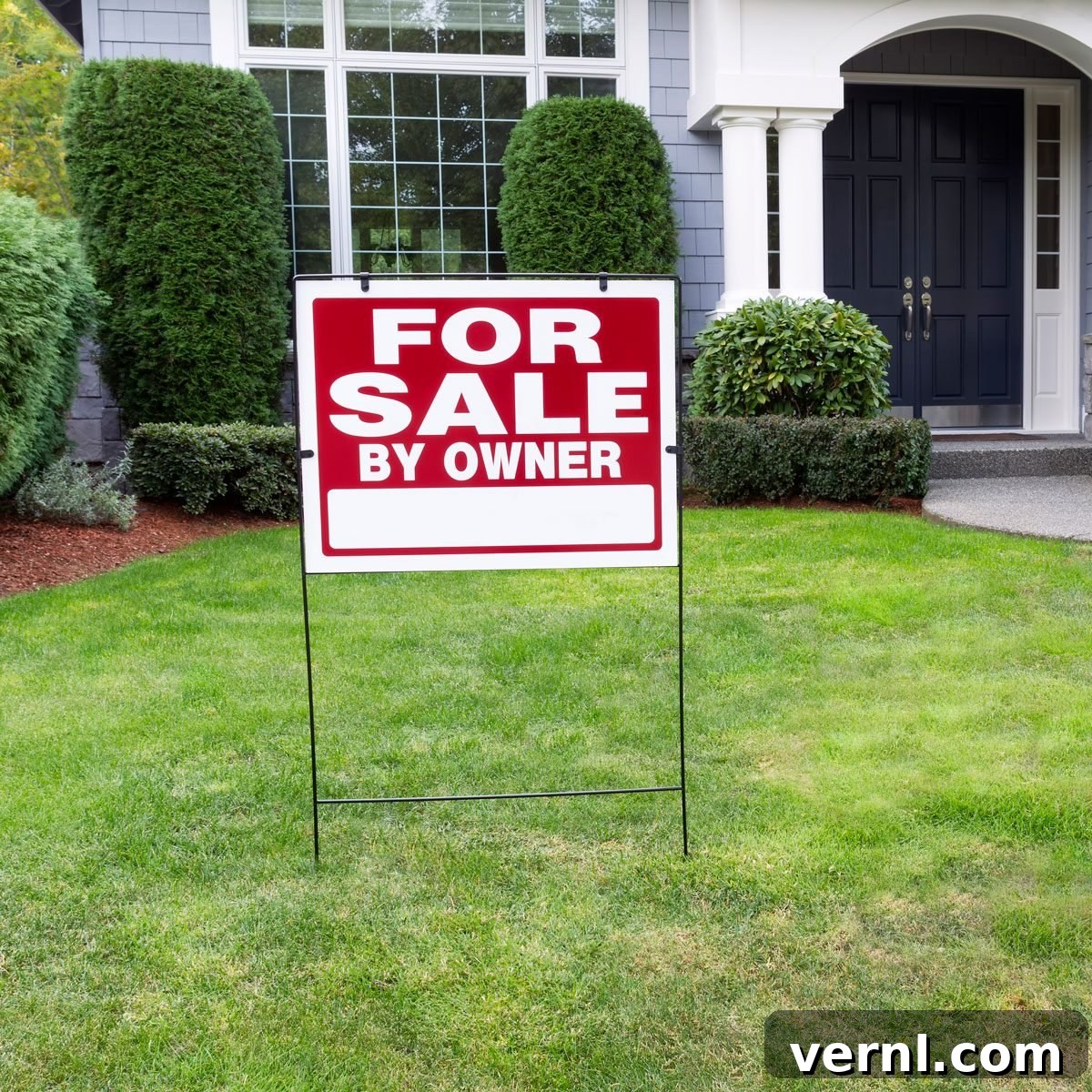
Selling a house is one of the most significant financial and emotional undertakings a homeowner can face. It's a journey that demands careful planning, strategic execution, and a deep understanding of the real estate market. From determining the right asking price to navigating complex legal documents, every step requires attention to detail. Many homeowners grapple with a fundamental question at the outset: should I hire a real estate agent, or should I embark on the 'For Sale By Owner' (FSBO) path? Both approaches offer distinct advantages and present unique challenges, and the optimal choice often hinges on an individual's specific circumstances, market knowledge, and willingness to invest time and effort. This comprehensive guide aims to illuminate both routes, providing essential insights to help you make an informed decision and successfully sell your home.
Understanding 'For Sale By Owner' (FSBO)
As its name explicitly suggests, 'For Sale By Owner' (FSBO) is a method where the homeowner directly sells their property without engaging a licensed real estate agent or broker. This means the seller takes on all the responsibilities traditionally handled by an agent, from marketing and staging the home to negotiating with prospective buyers and managing the intricate contractual paperwork. The primary motivation for many homeowners choosing the FSBO route is to avoid paying the hefty commission fees typically charged by real estate agents, which can range from 4% to 6% (or even higher) of the final sale price.
The popularity of FSBO has surged dramatically in recent years, largely due to the proliferation of online real estate platforms and digital resources. These platforms empower sellers by providing direct access to a vast pool of potential buyers, offering tools for listing properties, showcasing high-quality photographs, and even facilitating virtual tours. This direct-to-consumer approach allows sellers to maintain greater control over the entire sales process, from setting the price to scheduling showings, while potentially maximizing their net profit from the sale.
Pros and Cons of Using a Real Estate Agent
Deciding whether to enlist the services of a real estate agent is a pivotal choice when selling your home. While agents come with a commission fee, they also bring a wealth of expertise and resources that can streamline the selling process and potentially secure a better outcome.
Pros of Using a Real Estate Agent:
- Unmatched Experience and Market Expertise: Real estate agents are seasoned professionals armed with in-depth knowledge of local market trends, property values, and effective pricing strategies. They can provide a comparative market analysis (CMA) that precisely positions your home within the current landscape, ensuring you don't overprice or underprice. Their expertise extends to navigating legal complexities, understanding contract nuances, and anticipating potential roadblocks, which can be invaluable, especially for first-time sellers.
- Extensive Networking Capabilities: Agents possess access to a vast professional network that includes other agents, potential buyers, and industry contacts. Crucially, they can list your property on the Multiple Listing Service (MLS), a comprehensive database only accessible to licensed agents. This exposure significantly broadens your property's reach, often connecting you with pre-qualified buyers who might not discover your listing through public channels alone. Their network can dramatically increase the likelihood of finding the right buyer quickly and efficiently.
- Significant Time Savings and Convenience: Selling a home is a demanding and time-consuming endeavor. Agents shoulder the heavy lifting, managing tasks such as professional photography, creating compelling property descriptions, scheduling and conducting showings and open houses, handling buyer inquiries, and meticulously preparing and reviewing mountains of paperwork. This allows sellers to focus on their daily routines, family commitments, or relocation plans without the added stress of managing the sale.
- Expert Negotiation Skills: Real estate agents are trained negotiators who act as a professional buffer between you and potential buyers. They can skillfully navigate offers, counteroffers, and complex contingencies on your behalf, ensuring you secure the best possible deal. Their ability to remain objective and data-driven during negotiations can prevent emotional decisions, protect your interests, and optimize the final sale price and terms.
- Guidance Through Complex Paperwork: The legal documentation involved in a real estate transaction can be overwhelming. Agents are well-versed in sales contracts, disclosure forms, and local regulations, ensuring all paperwork is completed accurately and legally, minimizing the risk of costly errors or delays.
Cons of Using a Real Estate Agent:
- Substantial Commission Fees: This is unequivocally the primary disadvantage of using an agent. These fees, typically ranging from 4% to 6% of the home's sale price, are deducted directly from your net proceeds. For example, on a $500,000 home, a 5% commission amounts to $25,000, significantly impacting your profit margin. This fee is often split between the seller's agent and the buyer's agent, but it ultimately comes out of the seller's pocket.
- Perceived Lack of Control: When working with an agent, sellers often relinquish some degree of control over the marketing strategy, showing schedules, and negotiation tactics. While this delegation can be a pro (as discussed above, objectivity is key), some sellers may prefer to be more hands-on. However, it's worth noting that a good agent will always consult with you and respect your preferences.
- Potential for Conflicts of Interest: While agents are ethically bound to represent your best interests, some critics argue that an agent's incentive to close a deal quickly (to receive their commission) might occasionally conflict with the seller's goal of achieving the absolute highest price. In situations of "dual agency," where one agent represents both buyer and seller, potential conflicts of interest can be more pronounced, necessitating careful consideration and understanding of state laws.
- Dependence on Agent Performance: The success of your sale can heavily rely on the individual agent's experience, dedication, and marketing prowess. A less effective agent might lead to a prolonged listing period or a lower sale price, making the selection of the right agent crucial.
Determining Your Home's Accurate Market Value
Setting the right asking price is paramount to a successful sale. An overpriced home will deter potential buyers and languish on the market, while an underpriced home means leaving money on the table. Accurately determining your home's market value requires a blend of research, professional insight, and an understanding of current market dynamics.
- Thorough Research of Comparable Properties (Comps): Begin by diligently researching recent sales of similar properties, known as "comparables" or "comps," in your immediate neighborhood or a very close proximity. Focus on homes sold within the last three to six months. Look for properties that closely match yours in terms of:
- Size (square footage)
- Number of bedrooms and bathrooms
- Lot size and type
- Age and architectural style
- Condition and level of upgrades/renovations
- Specific features (e.g., garage, pool, finished basement)
- Proximity to amenities, schools, and transportation
Online real estate platforms (Zillow, Redfin, Realtor.com) and local county assessor's records are invaluable resources for gathering this data. Remember to adjust for differences between your home and the comps.
- Analyze Current Market Conditions: The broader real estate market plays a critical role in pricing. Assess whether you are in a:
- Seller's Market: Characterized by high demand, low inventory, and competitive bidding, which often allows for a slightly higher asking price.
- Buyer's Market: Marked by high inventory, lower demand, and price reductions, typically requiring a more competitive (and often lower) price to attract interest.
- Balanced Market: Where supply and demand are relatively equal, leading to stable prices.
Consider other factors like prevailing interest rates, seasonal fluctuations (spring/summer are often peak selling seasons), and overall economic indicators.
- Obtain a Professional Appraisal: While agent-provided CMAs are helpful, hiring a licensed independent appraiser offers an unbiased, professional assessment of your property's value. Appraisers use a standardized methodology, considering your home's condition, location, features, and recent sales data. An appraisal can be a solid investment, providing a credible valuation that can guide your pricing strategy and even be presented to potential buyers.
- Calculate the Value of Home Improvements and Renovations: Account for any significant renovations, upgrades, or additions you've made to the property. Not all improvements yield a 100% return on investment (ROI), so it's essential to understand which projects genuinely increase market value. Major renovations like kitchen and bathroom remodels, new roofs, updated HVAC systems, and finished basements generally offer good returns, whereas highly personalized upgrades might not appeal to all buyers.
- Price Competitively and Strategically: Once you've gathered all the data, set a realistic and competitive asking price. Avoid the common pitfall of overpricing, which can result in:
- Fewer showings and buyer interest.
- A prolonged listing period, making the home appear stale.
- Ultimately, mandatory price reductions that may make buyers wonder what's wrong with the property.
Conversely, underpricing risks missing out on potential profits. Aim for a price that attracts significant interest, potentially sparking multiple offers, while still aligning with your home's true value. Consider pricing just under a common search threshold (e.g., $499,900 instead of $500,000).
Preparing Your Home for Sale: The Art of Staging
While you may cherish every corner of your home, potential buyers need to envision themselves living there. This requires creating a neutral, appealing, and well-maintained environment. Preparing your home for sale, often referred to as staging, is a critical step that can significantly impact buyer perception and ultimately, your sale price and speed.
- Declutter and Depersonalize Thoroughly: This is arguably the most crucial step. Buyers need to see the space, not your belongings.
- Remove excess furniture, knick-knacks, and personal items like family photos, awards, and sentimental collections.
- Clear countertops, closets, and storage areas – buyers will open them!
- Consider renting a storage unit for items you don't immediately need.
- The goal is to create a clean, spacious, and inviting canvas where buyers can project their own lives.
- Complete All Necessary Repairs and Maintenance: Address any visible and minor issues that could detract from the home's appeal or raise red flags during an inspection.
- Fix leaky faucets, running toilets, and broken light fixtures.
- Patch holes in walls and touch up chipped or peeling paint.
- Replace cracked tiles, loose doorknobs, and worn-out caulk.
- Ensure all appliances are in good working order.
- A well-maintained home conveys responsibility and care, reassuring buyers.
- Deep Clean Every Nook and Cranny: A sparkling clean home creates an immediate positive impression. This goes beyond routine cleaning.
- Professionally clean carpets and rugs to remove stains and odors.
- Wash all windows, inside and out, for maximum light.
- Scrub bathrooms and kitchens until they gleam, paying attention to grout, fixtures, and appliances.
- Clean baseboards, ceiling fans, and light fixtures.
- Don't forget the often-overlooked areas like inside cabinets and ovens.
- A fresh, clean scent (not an overpowering air freshener) is also key.
- Enhance Curb Appeal for a Strong First Impression: The exterior of your home is the first thing buyers see, whether in person or in photos. Make it count!
- Mow the lawn, trim hedges, and prune bushes.
- Weed flower beds and add fresh mulch for a tidy look.
- Plant colorful flowers in pots or beds near the entrance.
- Clean gutters and power wash the siding, driveway, and walkways.
- Consider a fresh coat of paint for the front door, and ensure all exterior lighting is functional.
- Replace a worn-out doormat and add attractive house numbers.
- Professionally Stage Your Home's Interior: Thoughtful staging helps buyers visualize the potential of each room.
- Arrange furniture to optimize space, create clear pathways, and highlight architectural features.
- Use neutral, inviting decor, soft lighting, and minimal accessories.
- Ensure rooms have a defined purpose (e.g., an office shouldn't double as a storage room).
- Consider renting professional staging furniture if your current furnishings are dated or sparse.
- Open curtains and blinds to let in natural light, making rooms feel larger and brighter.
- Invest in Professional Photography: In today's digital age, high-quality photos are non-negotiable. Professional photographers use wide-angle lenses, optimal lighting, and expert editing to make your home look its absolute best online. This is often the first "showing" and significantly influences whether a buyer decides to visit in person.
How to List a Home Without a Realtor: The FSBO Marketing Playbook
Successfully marketing your home as an FSBO seller requires diligence, creativity, and a proactive approach to reach potential buyers effectively. Without an agent, you become your own marketing department.
- Leverage Online Real Estate Platforms: These are your most powerful tools. Utilize popular FSBO-friendly websites such as Zillow (with its "for-sale-by-owner" option), Trulia, and ForSaleByOwner.com.
- Create a comprehensive and captivating listing that highlights your home's unique selling points and desirable features.
- Upload a generous number of high-quality photographs, ideally professional ones, showcasing every attractive aspect of your property. Consider adding a virtual tour or video walkthrough.
- Provide detailed, accurate information about the property, including square footage, number of rooms, lot size, recent upgrades, and local amenities.
- Ensure your contact information is clearly visible and accurate.
- Craft Compelling Property Descriptions: Don't just list features; tell a story. Describe the lifestyle your home offers.
- Use descriptive language that evokes emotion and paints a picture for the buyer.
- Highlight local advantages like proximity to good schools, parks, shopping, and public transport.
- Emphasize unique architectural details, smart home features, or energy-efficient upgrades.
- Incorporate relevant keywords that potential buyers might use in their online searches.
- Host Engaging Open Houses: Open houses remain an effective way to attract interested buyers and generate buzz.
- Thoroughly clean and stage your home beforehand, ensuring it's well-lit and welcoming.
- Prepare informational handouts with property details, neighborhood facts, and your contact information.
- Be present, friendly, and ready to answer questions knowledgeably.
- Follow up with interested visitors promptly after the open house.
- For safety, consider having a friend or family member present with you.
- Implement Local Advertising and Signage: Don't underestimate the power of local outreach.
- Erect a professional "For Sale By Owner" sign with your contact details in a prominent location on your property.
- Post flyers at local community centers, coffee shops, grocery stores, and bulletin boards (with permission).
- Utilize social media platforms, especially local community groups, to share your listing.
- Consider a small advertisement in local newspapers or community newsletters if your target demographic reads them.
- Word-of-mouth is also powerful – tell friends, family, and neighbors.
- Maintain Exceptional Communication and Responsiveness: As an FSBO seller, you are the sole point of contact.
- Respond to all inquiries (phone calls, emails, messages) promptly, ideally within a few hours.
- Be flexible and accommodating when scheduling showings.
- Answer questions honestly and thoroughly.
- Being accessible and transparent builds trust and demonstrates your commitment, which can significantly foster buyer interest and confidence in the property.
Navigating Legalities and Negotiations as an FSBO Seller
Selling without an agent means you're solely responsible for all legal and contractual aspects. This stage can be the most complex and intimidating for FSBO sellers, but careful preparation can mitigate risks.
Legal Considerations for FSBO Sellers:
- Understanding Disclosure Requirements: Most states require sellers to disclose known defects or issues with the property. Research your state and local disclosure laws thoroughly. Failure to disclose can lead to legal repercussions after the sale.
- Drafting and Reviewing Contracts: Real estate contracts are legally binding documents. You will need a purchase agreement that outlines terms, conditions, contingencies, and timelines. It is highly advisable to engage a real estate attorney to draft or review all contracts to ensure they protect your interests and comply with local laws. Do not use generic online templates without professional review.
- Title and Escrow Services: You will need to work with a title company or escrow agent. They handle critical aspects like verifying the property title, managing funds, and ensuring the smooth transfer of ownership. They are impartial third parties and crucial for a secure transaction.
- Local Regulations and Zoning: Be aware of any local zoning laws, homeowner association (HOA) rules, or other municipal regulations that might impact the sale or the buyer's future use of the property.
Negotiation Strategies for FSBO Sellers:
- Set Your Bottom Line: Before engaging in negotiations, determine the absolute lowest price you are willing to accept, factoring in all selling costs. This will prevent emotional decision-making.
- Research Buyer's Market Data: Be prepared to justify your price with recent comparable sales data. Buyers, or their agents, will likely come armed with their own research.
- Understand Contingencies: Buyers often include contingencies (e.g., financing, home inspection, appraisal, sale of their current home). Understand what each contingency means and how it impacts your sale. Be prepared to negotiate these terms as well as the price.
- Respond Professionally: Keep emotions in check. Treat all offers seriously and respond professionally, even if they are low. Counteroffers should be well-reasoned.
- Know When to Walk Away or Seek Advice: If negotiations become contentious or stall, know when it's best to consult your attorney or, in some cases, consider engaging a real estate consultant for hourly advice.
The Closing Process: Finalizing Your Sale
The closing is the final step where ownership is officially transferred from seller to buyer. While an agent typically guides this process, FSBO sellers must manage it themselves or with the help of an attorney and title company.
- Working with a Title Company/Escrow Agent: They will facilitate the closing, ensuring all financial transactions are handled correctly, deeds are properly recorded, and all parties receive their due funds. They prepare the closing statement, outlining all credits and debits for both seller and buyer.
- Final Walkthrough: The buyer typically conducts a final walkthrough of the property shortly before closing to ensure it is in the agreed-upon condition.
- Signing Documents: On closing day, you will sign numerous legal documents, including the deed, bill of sale, and various affidavits. Your attorney will review these with you.
- Fund Disbursement: Once all documents are signed and recorded, the funds are disbursed, and the sale is complete.
Conclusion: Making Your Informed Decision
Selling a home, whether with an agent or as an FSBO, is a multifaceted endeavor that requires significant commitment and understanding. Opting for the 'For Sale By Owner' route offers the potential for substantial savings on commission fees and grants you complete control over the process. However, it demands a robust understanding of market valuation, effective marketing strategies, keen negotiation skills, and a meticulous approach to legal documentation. For those with ample time, a good grasp of the local market, and a willingness to immerse themselves in every detail, FSBO can be a rewarding experience.
Conversely, engaging a seasoned real estate agent provides invaluable expertise, extensive networking capabilities, time-saving convenience, and professional negotiation support, albeit at the cost of commission. This path is often ideal for those with busy schedules, limited market knowledge, or a preference for professional guidance through complex transactions.
Ultimately, the best approach for you depends on your individual circumstances, comfort level, and capacity to handle the responsibilities involved. By carefully weighing the pros and cons of each method, thoroughly preparing your home, accurately determining its value, and understanding the legal and marketing landscape, you can confidently navigate the home-selling journey and achieve a successful outcome. Whichever path you choose, remember that a well-informed seller is an empowered seller.