Choosing the right roofing system is one of the most significant decisions a homeowner faces, profoundly impacting not just the aesthetic appeal and protection of their property, but also its long-term value and operational costs. In the United States, two roofing giants dominate the residential market: asphalt shingles and metal roofing. While I spent years working in the roofing industry, predominantly with asphalt, the question homeowners consistently asked was, “Which one is superior?” The truth is, there isn’t a one-size-fits-all answer. The best choice ultimately hinges on your specific priorities, budget, climate, and desired lifespan for your home’s crown.
This comprehensive guide delves deep into the comparison between metal roofs and asphalt shingles, examining various critical factors to help you make an informed decision. We’ll explore everything from initial investment and long-term savings to durability, aesthetic versatility, maintenance demands, and environmental impact. By understanding the nuances of each system, you can confidently select a roof that perfectly aligns with your needs and expectations, ensuring your home is protected and beautiful for decades to come.
Metal Roof vs. Shingles: Understanding the Investment and Long-Term Value
When embarking on a new roof installation or replacement project, cost is almost always the primary concern for homeowners. On the surface, asphalt shingles present themselves as the undeniably more affordable option upfront. Their widespread availability, relatively straightforward installation process, and lower material costs make them an attractive choice for those looking to minimize immediate expenses. However, this short-term saving often comes with significant long-term trade-offs that are crucial to consider.
Metal roofs, conversely, represent a more substantial initial investment. The materials themselves are inherently more expensive due to their advanced engineering and manufacturing processes. Furthermore, the installation of a metal roof requires specialized skills, specific equipment, and meticulous attention to detail, contributing to higher labor costs compared to asphalt shingle installation. While pricing can vary significantly based on your geographic location, the specific type of metal roofing product (e.g., standing seam, metal shingles, corrugated panels), and the complexity of your roofline, general estimates paint a clear picture. An asphalt-shingle roof typically ranges from $7,000 to $10,000 for average homes, including materials, labor, and disposal of old shingles. In contrast, a metal roof can cost at least several thousand dollars more, often falling between $12,000 and $20,000, or even higher for premium systems and intricate designs.
However, it’s crucial to look beyond the initial sticker price and consider the total cost of ownership over the roof’s entire lifespan. This is where metal roofing truly distinguishes itself as a financially savvy choice. While costing more upfront, a metal roof is engineered to last significantly longer than asphalt shingles—often three times longer—requiring far fewer repairs and replacements. A typical asphalt roof has a lifespan of 20 to 25 years under ideal conditions, meaning a homeowner might replace it two or even three times over a 50 to 70-year period. Each replacement cycle incurs new material, labor, and disposal costs, which can escalate over decades due to inflation and rising expenses. In contrast, a single metal roof installation can last 50 to 70 years, effectively eliminating the need for multiple costly replacements.
This extended lifespan translates into substantial savings over decades. When you factor in these avoided future expenses, along with potentially lower maintenance costs and energy savings (which we will discuss later), the long-term economic advantages of metal roofing become compelling, offering a superior return on investment. Moreover, some insurance providers offer discounts for homes with metal roofs due to their superior durability and resistance to common hazards like fire and hail, further reducing ownership costs over time. While asphalt shingles win the immediate budget battle, metal roofing is the clear victor in the long game of financial wisdom, providing lasting value and reduced overall lifetime expenditures.
Winner: Asphalt shingles for immediate, short-term affordability. Metal roofing for superior long-term value, reduced overall lifetime cost, and a higher return on investment.
Metal Roof vs. Shingles: Elevating Your Home’s Aesthetic Appeal
A roof is more than just a protective shield; it’s a prominent architectural feature that significantly contributes to your home’s curb appeal and overall aesthetic identity. The choice between metal and asphalt shingles offers distinct visual possibilities, each capable of enhancing or detracting from your property’s character and potentially impacting its resale value.
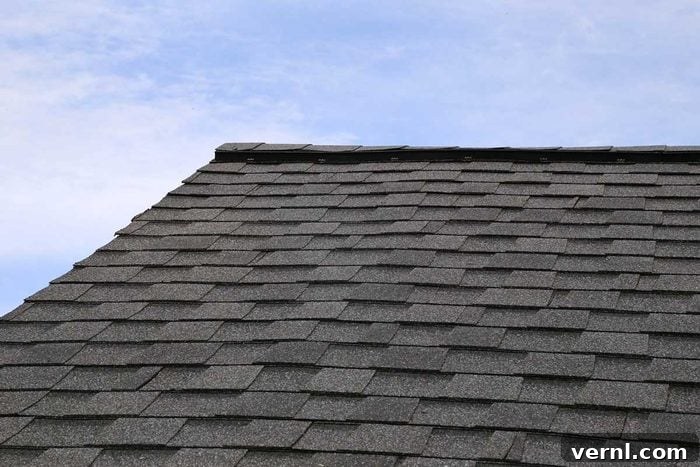
Asphalt shingles have undergone remarkable advancements in design and manufacturing over the years, moving far beyond simple, flat, monochromatic options. Modern asphalt shingles, particularly architectural or dimensional shingles, can mimic the rich textures and profiles of more expensive materials like traditional wood shakes, natural slate, and even authentic clay tiles. They achieve this sophisticated look through varying granule sizes, multi-layer construction, and sophisticated color blending techniques. “You can have a variety of lighter and darker granules within each shingle, giving it a 3D or multicolored look,” notes Mike Smyth, a contractor with Overson Roofing. This depth, texture, and visual interest allow homeowners to achieve a premium appearance at a fraction of the cost of their natural counterparts, offering immense versatility to complement virtually any architectural style, from charming traditional homes to sleek, contemporary designs.
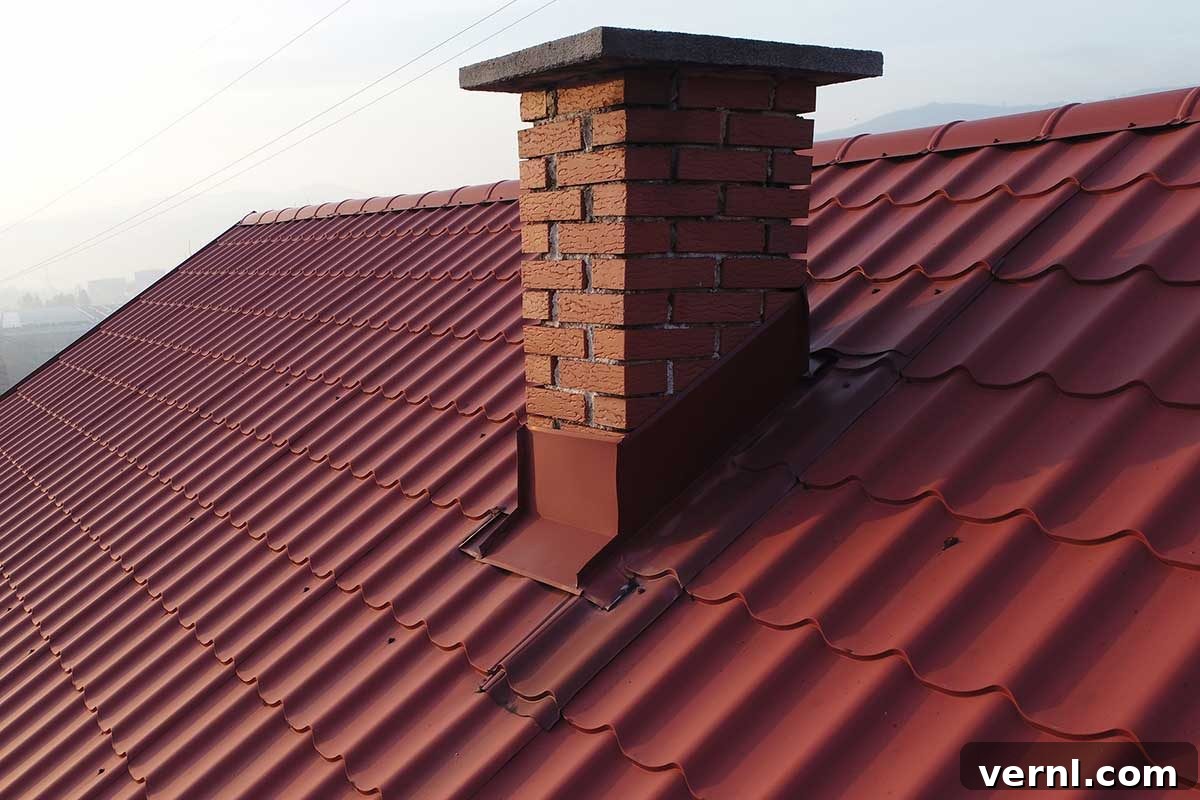
Traditional metal roofing, often recognized by its clean lines and bold standing seam panels, offers a sleek, modern, and often industrial aesthetic available in a vast array of solid colors. These range from vibrant reds and blues that make a bold statement to classic grays, earthy browns, and deep greens that blend seamlessly with natural surroundings. These distinctive lines and vibrant finishes can give a home a unique, modern edge. However, the aesthetic versatility of metal roofing extends far beyond standing seam. Advanced manufacturing techniques allow metal to be pressed and shaped into incredibly realistic profiles that meticulously emulate other popular roofing materials, including classic asphalt shingles, rustic wood shakes, elegant slate tiles, and even Mediterranean-style clay tiles. These metal shingles, shakes, or tiles offer the unparalleled durability and longevity of metal while providing the familiar aesthetic of traditional roofing materials, allowing for a seamless integration into existing neighborhood styles. Many manufacturers also offer textured finishes that further enhance their resemblance to natural materials, providing homeowners with an extensive palette of design options and customization possibilities.
Ultimately, the “winner” in terms of appearance is entirely subjective and depends on your personal taste, the architectural style of your home, and the overall look you wish to achieve. Both systems offer a wide range of aesthetically pleasing looks. When making your decision, it’s wise to consider the prevalent roofing styles and color palettes in your neighborhood. While a unique roof can certainly make a bold statement, you might prefer a style that harmonizes with the surrounding homes, contributing to cohesive community aesthetics, rather than standing out dramatically. The right aesthetic choice can significantly boost your home’s curb appeal and potentially enhance its resale value.
Winner: A tie! Appearance is deeply personal and subjective. Both metal roofing and asphalt shingles offer extensive aesthetic options, colors, and profiles to suit diverse architectural preferences and blend beautifully within various neighborhood contexts.
Metal Roof vs. Shingles: Unrivaled Durability and Longevity
Roof fixes and full replacements are among the most substantial and expensive homeowner repairs, making durability a paramount factor in roof selection. A robust, long-lasting roof provides invaluable peace of mind and significantly reduces the frequency and cost of future interventions. Especially in regions prone to extreme weather conditions, the type of roof you choose is absolutely critical for protecting your home and its contents.
Asphalt shingles, while popular, are inherently susceptible to degradation from a relentless barrage of environmental stressors. Constant thermal cycling—the daily expansion and contraction caused by temperature fluctuations between day and night, summer and winter—along with relentless ultraviolet (UV) radiation from the sun, gradually wears down asphalt shingles, significantly reducing their lifespan. The asphalt material is absorptive, meaning it can take in and hold moisture. This absorbed water, especially during freeze-thaw cycles, can lead to cracking, blistering, and granular loss as the water expands when freezing and contracts when drying, severely compromising the shingle’s structural integrity. Over time, these factors lead to common issues like curling, brittleness, and a diminished ability to effectively protect your home, often necessitating full replacement every 20 to 25 years under ideal conditions, and even sooner in harsh climates or with inadequate maintenance.
Metal roofs, in stark contrast, are engineered for exceptional resilience and longevity. They are non-absorptive, meaning water cannot penetrate and degrade the material from within. Furthermore, metal roofing systems are ingeniously designed to accommodate thermal movement. As Todd E. Miller, President of Classic Metal Roofing Systems, explains, “they’re engineered and installed with fastening clips or slotted screw holes that allow for thermal movement of the metal with temperature changes without breaking down over time.” This allows the metal panels to expand and contract freely without stressing the system, preventing common issues like buckling, warping, or cracking that plague other roofing materials. The robust interlocking panel systems and high-quality, multi-layer finishes of metal roofs also offer superior resistance to high winds (often rated to withstand gusts over 140 mph), heavy snow loads, and impact damage from hail or falling debris. Many metal roofs carry a Class A fire rating (the highest available) and a UL 2218 Class 4 impact resistance rating, signifying exceptional performance against the elements and providing an unparalleled level of protection for your home.
These inherent properties and advanced engineering translate into an impressive average lifespan of 50 to 70 years for metal roofs, often accompanied by long-term, transferable warranties that offer significant peace of mind. This remarkable longevity not only postpones the need for costly replacements for many decades but also ensures continuous, reliable, and unyielding protection for your home in virtually any climate, from scorching deserts to freezing tundras.
Winner: Metal roofing, unequivocally. Its superior engineering, non-absorptive material properties, advanced coatings, and robust weather resistance offer unparalleled durability and a significantly longer lifespan compared to asphalt shingles.
Metal Roof vs. Shingles: Maintenance Requirements and Ease of Care
Roof maintenance is a critical, albeit often overlooked, aspect of responsible homeownership. Regular upkeep is absolutely essential to ensure a roof’s longevity, preserve its protective capabilities, and prevent minor issues from escalating into expensive and disruptive repairs. The frequency, complexity, and cost of this necessary maintenance vary considerably between asphalt shingles and metal roofing systems.
With asphalt shingles, a significant portion of maintenance revolves around inspecting and addressing the various penetrations through the roof. These include vent pipes, chimneys, skylights, satellite dish mounts, and other protrusions where adhesives, metal flashing, and sealants are employed to create watertight seals. Unfortunately, these sealants and rubber components are highly susceptible to degradation over time due primarily to relentless UV exposure from the sun and constant thermal cycling. They will eventually dry out, crack, shrink, or lose their adhesive properties, necessitating regular inspection and timely replacement or reapplication. Rubber pipe boots, which are essential flashings for plumbing pipes that pass through the roof, are particularly prone to breaking down and require vigilant attention or replacement as they age and weather. Additionally, asphalt roofs can be prone to the growth of moss, algae, and mildew, especially in shaded or damp areas. This requires periodic cleaning or chemical treatments not only to maintain appearance but also to prevent biological growth from trapping moisture and further degrading the shingles. Granular loss, a natural part of asphalt shingle aging, can also accumulate in gutters, requiring regular cleaning to prevent blockages and water overflow.
In stark contrast, a properly installed metal roof drastically minimizes these vulnerabilities and maintenance burdens. Penetrations are typically flashed with matching metal components that are custom-fabricated and integrated into the roof system, forming robust, interlocking, and inherently watertight designs. As Miller explains, “If a sealant is used, it’s as the first line of defense, but the true water tightness comes from the flashing design and the way it channels water off of the roof.” This superior architectural design ensures exceptional protection without heavy reliance on perishable sealants. Moreover, rubber pipe boots on metal roofs are often shielded by custom-fabricated metal covers that perfectly match the roof, serving a dual purpose: enhancing aesthetics and, more critically, protecting the soft rubber from the sun’s damaging UV rays and harsh weather. This protection dramatically extends the lifespan of these vulnerable components, drastically reducing their maintenance needs.
While no roof is entirely maintenance-free, metal roofs require significantly less frequent and less intensive intervention. They are naturally resistant to moss and algae growth, eliminating the need for periodic cleaning or harsh chemical applications. Inspections primarily involve checking fasteners (especially for exposed-fastener screw-down panels) and ensuring gutters and valleys are clear of debris. The robust, non-porous nature of metal means fewer unexpected repairs and a lower overall maintenance burden over its extended lifespan, translating into significant long-term savings and unparalleled convenience for homeowners.
Winner: Metal roofing. While routine maintenance costs for an asphalt shingle roof are not always exorbitant, a metal roof unequivocally demands less frequent and less intensive attention, translating into significant long-term savings and unparalleled convenience for homeowners.
Metal Roof vs. Shingles: Exploring Additional Features and Advanced Benefits
Beyond the core considerations of initial cost, aesthetic appeal, inherent durability, and ongoing maintenance, several other critical factors often influence a homeowner’s ultimate roofing decision. Metal roofs consistently offer distinct advantages in several key areas, distinguishing them as a highly protective, efficient, and forward-thinking option for modern homes.
Superior Fire and Hailstorm Resistance
Safety is paramount, and a roof’s ability to protect against natural hazards like fire and severe weather is a major concern for any homeowner. While asphalt shingles can offer a degree of fire resistance, metal roofs consistently provide the highest level of protection available. Many metal roofing systems boast a Class A fire rating, which is the highest possible classification for roofing materials. This means they are non-combustible and significantly reduce the risk of fire spreading from external sources, such as embers from a wildfire, stray fireworks, or chimney sparks. This provides an invaluable layer of safety for your home and family, offering peace of mind.
Regarding hail, there’s a pervasive and common misconception that metal roofs are easily dented and thus vulnerable to hailstorms. This is largely a myth. Modern metal roofs are engineered for exceptional impact resistance. In fact, they are often far more efficient at handling common hailstorm impacts than asphalt shingles, which can suffer significant granule loss, cracking, and even puncture damage from moderate to severe hail. Many metal roofs carry a UL 2218 Class 4 impact resistance rating, which is the highest rating available for roofing materials. This rigorous testing involves dropping a 2-inch steel ball from a height of 20 feet onto the roof surface without causing cracks, providing superior protection against even severe hail. This minimizes the risk of damage that would typically devastate an asphalt shingle roof, leading to costly repairs or premature replacement.
Winner: Metal roofing, due to its superior Class A fire rating and Class 4 impact resistance against even severe hail, offering unparalleled protection.
Unmatched Eco-friendliness and Sustainability
In an era of increasing environmental consciousness and a growing demand for sustainable building practices, the eco-friendliness and lifecycle impact of building materials are a growing concern. Both asphalt shingles and metal roofs can theoretically be recycled, but their environmental footprints differ significantly throughout their lifecycle, from production to disposal.
Metal roofs often embody excellent eco-credentials, making them a top choice for environmentally conscious homeowners. They are frequently manufactured from a high percentage of recycled content, with some aluminum and steel roofing products containing up to 95% recycled material. Furthermore, metal is 100% recyclable at the end of its exceptionally long service life, especially if made of aluminum, which has a high scrap value, strongly incentivizing its recycling rather than landfill disposal. This “cradle-to-cradle” approach minimizes waste generation and significantly reduces the depletion of virgin resources. As Matt Daigle, founder of Rise, a platform dedicated to helping homeowners build and renovate sustainable homes, points out, “Metal roofs last much longer than asphalt shingles, so you’re not filling landfills with as much wasted material.” This extended lifespan dramatically reduces the frequency of roof replacements and, consequently, the massive volume of construction waste sent to landfills.
Conversely, while asphalt shingles can theoretically be recycled, the process for separating and repurposing them is far more costly and technically challenging, making it less common or economically viable in many regions. Unfortunately, a staggering 11 million tons of asphalt shingles hit landfills every year in the U.S. alone, contributing significantly to the nation’s construction and demolition waste problem. Unlike metal, asphalt shingles are made primarily from petrochemicals, a non-renewable resource, and their manufacturing process can be energy-intensive. Also worth noting: Some asphalt shingles are considered an environmental hazard due to the volatile organic compounds (VOCs) and other fumes they can release during the recycling process or gradual decomposition in landfills, posing concerns for both air quality and potential soil contamination. The combination of remarkable longevity, high recycled content, and straightforward end-of-life recyclability makes metal roofing a far more sustainable and environmentally responsible choice.
Winner: Metal roofing, for its high recycled content, 100% recyclability, extended lifespan leading to significant waste reduction, and minimal environmental impact compared to asphalt shingles.
Exceptional Energy Efficiency and Thermal Performance
There’s a persistent and widespread misconception that metal roofs get excessively hot under the sun, thereby making homes hotter. In reality, the opposite is largely true. Metal is an inherently highly reflective material, meaning it absorbs significantly less solar radiation compared to darker, more absorptive roofing materials like many asphalt shingles. This high reflectivity helps to keep the roof surface cooler, thereby significantly reducing the transfer of heat into your attic and, consequently, your living spaces below.
Modern metal roofs often feature advanced “cool roof” coatings and specialized pigments that further enhance their solar reflectivity and thermal emissivity (their ability to re-emit absorbed heat). These properties contribute to a cooler indoor environment, especially during hot summer months, by mitigating the “heat island” effect. According to Matt Daigle, this superior thermal performance can reduce your mechanical cooling use by an impressive 10 to 25 percent, leading to substantial and tangible savings on your electricity bills over the years. While proper attic ventilation is crucial for any roof type to maintain optimal energy efficiency, metal roofs offer a distinct advantage in mitigating heat gain. Their reflective surface and ability to shed heat quickly make them an excellent choice for energy-conscious homeowners and those living in warmer climates, contributing to a more comfortable and cost-effective home environment.
Winner: Metal roofing, due to its inherent reflectivity and “cool roof” capabilities that significantly enhance energy efficiency, reduce cooling costs, and contribute to a more comfortable indoor climate.
Lightweight Yet Robust Construction
Another often-overlooked advantage of metal roofing is its significantly lighter weight compared to asphalt shingles. While an asphalt shingle roof can weigh between 2 to 4 pounds per square foot, many metal roofing systems, particularly steel or aluminum, weigh less than 1.5 pounds per square foot. This lighter load places considerably less stress on your home’s structural components, potentially reducing the need for costly structural reinforcement during installation. In many cases, local building codes permitting, a metal roof can even be installed directly over an existing asphalt shingle roof, saving on the labor and disposal costs associated with tear-off, provided the underlying structure can adequately support the combined weight and the existing roof is in reasonable condition.
Superior Wind Resistance
Metal roofs are highly celebrated for their exceptional wind uplift resistance, a critical factor in regions prone to severe storms. Many systems are meticulously designed with interlocking panels and robust fastening methods that can effectively withstand hurricane-force winds, often rated to resist wind speeds exceeding 140 mph. This inherent strength and secure attachment make them a preferred choice in coastal regions or areas frequently exposed to high winds, offering superior protection against catastrophic roof damage and ensuring the integrity of your home’s envelope during severe weather events, unlike asphalt shingles which can lift, tear, and detach in strong gusts, compromising the home’s protection.
Noise Considerations
A common concern homeowners frequently raise about metal roofs is the perceived increase in noise during rain or hail. While an improperly installed or uninsulated metal roof can indeed be louder, modern installation techniques and materials effectively mitigate this. When installed over a solid roof deck with proper underlayment and adequate attic insulation, a metal roof is often no louder, and in many instances, even quieter than an asphalt shingle roof during adverse weather. The sound of rain on a metal roof can even be a pleasant, soothing background noise for many, far from the disruptive clamor some might imagine. Acoustic dampening materials can also be added for extra sound control.
Conclusion: Making Your Informed Choice
Both asphalt shingles and metal roofs offer viable and effective solutions for protecting your home, but they ultimately cater to different priorities, budgets, and long-term expectations. If initial cost savings are your absolute top priority and you’re prepared for more frequent maintenance cycles, shorter lifespan, and eventual costly replacements, then asphalt shingles remain a popular and accessible choice. They continue to offer a diverse range of aesthetic options and are readily available across the market.
However, if you prioritize unparalleled durability, minimal long-term maintenance, superior protection against extreme weather and fire, significant long-term cost savings through reduced energy bills and fewer replacements, and a truly sustainable, eco-friendly roofing solution, then metal roofing unequivocally emerges as the clear front-runner. Its extended lifespan, robust performance in all climates, and positive environmental impact make it a wise, forward-thinking investment for homeowners seeking ultimate peace of mind, lasting value, and enhanced property performance for generations.
Ultimately, the “better” roof is the one that best fulfills your individual needs, aligns with your budget, and supports your long-term vision for your home. By carefully weighing these comprehensive factors, you can make an informed decision that will provide optimal protection, enhance the beauty, and contribute to the efficiency of your property for decades to come.