
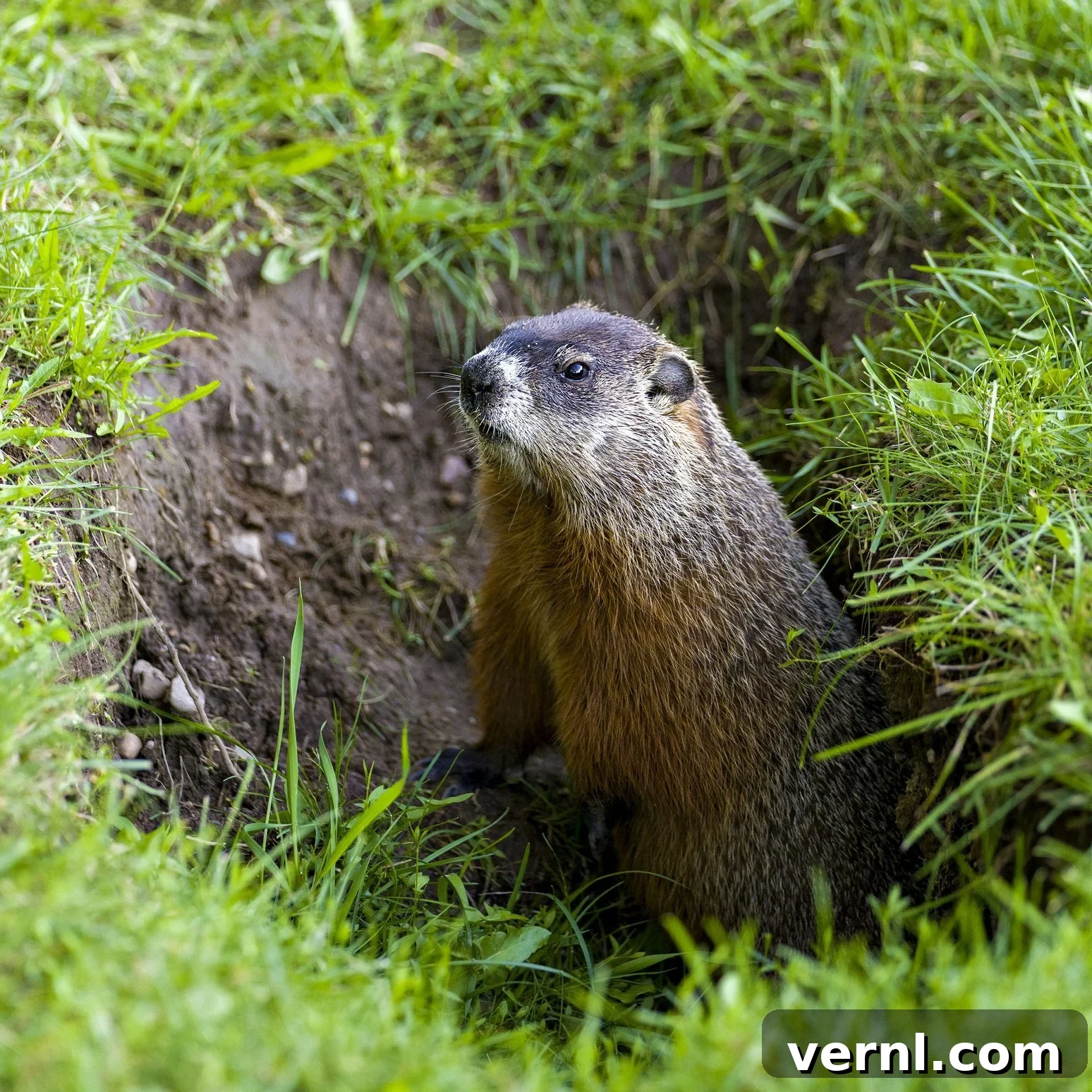
Humane Groundhog Removal: A Comprehensive Guide to Protecting Your Yard
Groundhogs, often charmingly referred to as woodchucks or whistle pigs, are a common and sometimes controversial presence in many yards and gardens across North America. Their robust appearance and diligent burrowing habits can be a source of amusement, yet their voracious appetite for garden produce and potential for structural damage can quickly turn them into bothersome pests. While their presence can certainly become problematic, it’s important to remember that these creatures play a role in the ecosystem, and effective, humane solutions exist to manage their presence without resorting to lethal measures.
“Groundhogs and homeowners often coexist for years without problems,” reassures Grace Kahler, a program researcher with the Humane Society of the United States. She highlights their naturally timid nature: “They are shy, nearsighted animals that prefer to avoid conflict whenever possible. Despite their robust appearance, they are herbivores and are not interested in children and pets.” This insight encourages a proactive, compassionate approach to wildlife management, focusing on deterrence and modification rather than immediate eradication.
If these persistent diggers have overstayed their welcome, causing damage to your landscape or feasting on your prized plants, this guide offers expert-backed, humane strategies. We will explore methods to gently encourage groundhogs to relocate, prevent their return, and protect your property while respecting wildlife.
Meet Our Wildlife Experts
The advice and strategies presented in this guide are informed by insights from leading professionals in wildlife biology and humane animal control:
- Christine R. Maher, Ph.D., is a distinguished behavioral ecologist and biology professor at the University of Southern Maine, providing critical understanding of groundhog behavior and ecological interactions.
- Grace Kahler serves as a program researcher for the Urban Wildlife team at the Humane Society of the United States, offering invaluable perspectives on humane deterrence and fostering coexistence between humans and wildlife.
- Meg Pearson, with more than 13 years of industry experience, is the training manager at Critter Control, contributing practical knowledge on professional wildlife management.
- Dan Blumstein, Ph.D., an evolutionary biologist and professor at UCLA, conducts extensive research on groundhogs and other marmots at the Rocky Mountain Biological Laboratory in Colorado, offering deep scientific understanding of these fascinating animals.
Understanding the Groundhog: Biology, Habits, and Ecological Role
Before attempting to manage groundhogs, gaining a deeper understanding of their biology and behavior can significantly improve the effectiveness of your strategies. Groundhogs, scientifically known as Marmota monax, are the largest members of the squirrel family (Sciuridae). These robust rodents typically weigh between five and ten pounds and measure 16 to 20 inches in length, not including their short, bushy tails. They are well-adapted to digging, featuring short, powerful limbs and strong claws.
Groundhog Life Cycle and Burrow Systems
Groundhogs are true hibernators, spending the winter months in a deep sleep, typically from October through March or April, depending on the climate. They emerge in early spring, often as early as February, primarily to mate. Females usually give birth to a litter of four to five blind, naked pups in April or May. By mid to late summer, these juveniles are weaned and become independent, dispersing to find their own territories. This timing is crucial for any humane eviction planning, as disturbing a burrow with dependent young is both ineffective and inhumane.
Their most defining characteristic is their elaborate burrow system, which serves as their home, nursery, and refuge from predators. A typical groundhog burrow can be quite extensive, featuring multiple entrances (often hidden by vegetation), complex tunnels that can stretch up to 50 feet, and various chambers for sleeping, raising young, and storing food. These burrows can extend 2 to 5 feet deep, making them significant landscape modifiers capable of undermining foundations, driveways, and sheds.
While primarily terrestrial, groundhogs are surprisingly versatile. They possess good climbing abilities, often scaling fences or low tree branches to reach food sources, and are also competent swimmers, enabling them to navigate various landscapes.
The Ecological Importance of Groundhogs
Despite their reputation as garden nuisances, groundhogs contribute positively to their ecosystems. Their extensive digging naturally aerates and turns over soil, improving drainage and nutrient distribution. Abandoned groundhog burrows are often repurposed by other wildlife, including rabbits, foxes, skunks, and even snakes, providing critical shelter and nesting sites. They also serve as a food source for larger predators like coyotes, foxes, and raptors, thus playing a role in the natural food chain. As Dr. Dan Blumstein enthusiastically shares, “I would love to have a groundhog in my yard!” highlighting their intrinsic value and interesting behavior.
How to Identify Groundhog Activity in Your Yard
Confirming the presence of groundhogs is the first step toward effective and humane management. While they are often observed leisurely exploring yards, “They usually aren’t too shy around people, especially if there aren’t dogs around,” notes Dr. Christine Maher. Look for these key indicators:
- Distinct Burrows: The most definitive sign is the presence of their characteristic burrows. These holes are typically about 8 to 12 inches in diameter, often with a fan-shaped mound of excavated dirt at the main entrance. Be aware that groundhogs usually have multiple escape holes, which may be less obvious and lack dirt mounds, blending into the surrounding vegetation. Burrows are commonly found along fence lines, under sheds, near building foundations, or beneath dense shrubbery.
- Significant Plant Damage: Groundhogs are herbivores with a varied diet, showing a particular fondness for tender garden greens. You might notice plants chewed down to the stem, missing leaves, or entire young plants disappearing. They relish clovers, dandelions, alfalfa, and a wide array of vegetables such as lettuce, beans, peas, and carrots. Unlike deer, which tend to tear foliage, groundhogs leave clean, sharp cuts.
- Visual Sightings: Groundhogs are diurnal, meaning they are active during daylight hours, particularly in the early morning and late afternoon/early evening. Spotting a groundhog foraging, sunning itself, or darting into a burrow is direct evidence of their presence.
- Tracks and Droppings: While less frequently observed, groundhog tracks can sometimes be found in soft soil near burrows or feeding areas. They have four toes on their front paws and five on their hind paws, with visible claw marks. Their droppings are dark, pellet-like, and typically deposited near burrow entrances.
Humane Strategies to Encourage Groundhogs to Leave
Once you’ve confirmed groundhog activity, the goal is to make your property an unappealing habitat, prompting them to seek a more suitable home elsewhere. As Dr. Christine Maher explains, “Even if someone shoots a woodchuck or traps them to relocate, if the habitat is favorable, then another could just move into the vacant territory.” The most sustainable solutions focus on modifying their environment and implementing barriers.
1. Habitat Modification: Making Your Yard Unattractive
Groundhogs prioritize safety and easy access to food and shelter. By disrupting these elements, you can significantly reduce your yard’s appeal:
- Reduce Cover: Groundhogs feel secure and hidden in dense vegetation. Regularly mow tall grasses, trim overgrown shrubs, and clear thick weeds, especially around potential burrow sites like foundations, sheds, and fences. Maintaining clear sightlines around your property makes them feel exposed to predators and less likely to settle.
- Eliminate Shelter Opportunities: Remove potential den sites such as piles of rocks, wood, brush, or other debris. Keeping your yard tidy is a simple yet effective deterrent that eliminates readily available cover.
- Manage Food Sources: Beyond your cultivated garden, groundhogs are opportunistic feeders. Ensure compost piles are enclosed or moved far away from sensitive areas. Securely lid all garbage cans, and avoid leaving pet food bowls outdoors, particularly overnight. Promptly collect any fallen fruits or berries from trees to eliminate easy forage.
2. Exclusion Techniques: Building Effective Barriers
Physical barriers are often the most reliable long-term solution for protecting specific areas like gardens or preventing burrowing under structures. Groundhogs are both adept diggers and climbers, so fences must be robust and strategically installed.
Effective Fencing for Gardens and Vulnerable Areas:
Standard fences are rarely sufficient against determined groundhogs. Consider these advanced techniques:
- Material Selection: Opt for heavy-gauge, galvanized wire mesh or hardware cloth with openings no larger than 2×2 or 3×3 inches. Avoid standard chicken wire if possible, as it is less durable and can be chewed through by persistent groundhogs.
- The Buried Apron: This is critical. Groundhogs excel at digging under fences. To counteract this, bury the bottom edge of the fence at least 12 inches deep. For superior protection, create an L-shaped apron: bend the bottom 12 inches of the fence outward (away from the protected area) at a 90-degree angle and bury it horizontally. When a groundhog attempts to dig under, it will encounter this buried wire barrier, deterring further attempts.
- Fence Height and Overhang: Extend the fence at least three to four feet above ground. For an added deterrent against climbing, the top foot of the fence can be left slightly loose or wobbly. Alternatively, bend the top foot of the fence outward at a 45-degree angle and attach a layer of flexible bird netting or mesh to this overhang. This makes it impossible for groundhogs to scale over the top.
- Secure Gates and Openings: Ensure all gates, doors, and access points are tightly secured, fit flush to the ground, and have no gaps that a groundhog could exploit.
Electric Fencing:
For persistent groundhog problems, a low-voltage electric fence can provide an effective, non-lethal deterrent, teaching them to avoid the area.
- Strategic Placement: Install a single strand of electric wire about four to six inches from the ground and six inches in front of your main barrier fence. This ensures the groundhog makes contact with the electric wire before attempting to dig under or climb the primary fence.
- Power Source: Use a low-voltage fence charger specifically designed for small animals.
- Maintenance: Regularly check the electric fence for any vegetation growing onto the wire, as this can ground out the system and reduce its effectiveness.
3. Eviction from Existing Burrows: Timing is Key
If a groundhog has already established a burrow in an undesirable location, such as under a shed or patio, humane eviction is possible, but precise timing is paramount. The Humane Society of the United States strongly advises attempting eviction in mid to late summer (typically August to early September) when juvenile groundhogs have become independent and before adults begin to seek hibernation spots. Evicting earlier in the spring or summer could result in orphaned young pups, which is inhumane and often illegal.
- Confirm Vacancy: Before blocking a burrow, it is absolutely essential to confirm it is unoccupied. A simple method is to loosely stuff crumpled newspaper or a light layer of dirt into the main entrance. Check back after 24 to 48 hours; if the obstruction remains undisturbed, the burrow is likely empty. Always check all known entrances, as groundhogs often have multiple escape routes. For added certainty, observe the burrow for several days to ensure no groundhogs are entering or exiting.
- Block All Entrances: Once you are confident the burrow is empty, block all known entrances using heavy-gauge, welded-wire fencing with openings no larger than 3×3 inches.
- Secure the Barrier: Bury the fencing at least 12 inches deep around all entrances and secure it firmly with landscape staples or rebar to prevent future digging attempts.
- Vigilant Monitoring: After blocking, diligently monitor your property for any new digging activity. Groundhogs are persistent and may attempt to create new burrows nearby. Respond promptly to any new signs of activity.
4. Repellents and Scare Devices: Supplementary Tactics
While often less reliable as standalone solutions, various repellents and scare tactics can deter groundhogs, especially when integrated into a broader strategy of habitat modification and exclusion.
- Predator Scents: Products containing coyote or fox urine (available at farm supply stores) can mimic the presence of a natural predator. Apply these around the perimeter of your yard, near vulnerable plants, or close to burrow entrances. Reapply after rain and consider rotating the application spots to maintain the illusion of a lurking predator. However, groundhogs can become desensitized to these scents over time.
- Odor Deterrents: Some gardeners report success with strong-smelling natural substances like garlic, cayenne pepper, or castor oil, which can be applied or sprayed around garden beds. Commercial granular repellents often contain essential oils that groundhogs find offensive.
- Scare Devices: Visual deterrents such as reflective Mylar balloons (anchored near the ground), holographic tape, or pinwheels can startle groundhogs. Motion-activated sprinklers are also effective, as the sudden spray of water can frighten them away. However, groundhogs are intelligent and may quickly habituate to these devices if they perceive no real threat. Regularly rotating the type and location of deterrents can help maintain their effectiveness. Ultrasonic devices are generally considered to have limited and short-term efficacy.
5. Providing Alternate Food Sources: The “Sacrifice Planting” Approach
If you have an established groundhog population that is simply looking for an easy meal, providing an alternative food source can divert their attention from your prized vegetables. Ensure any compost pile is accessible to them, but strategically positioned far away from your main garden. Another tactic is “sacrifice planting”—dedicating a small, accessible area to plants that groundhogs particularly enjoy, such as clovers, dandelions, or alfalfa. By offering an abundance of their favorite foods in a less critical area, you might encourage them to leave your primary garden beds undisturbed.
6. When to Call for Professional Wildlife Control
In cases of severe infestation, significant structural damage, or if you are uncomfortable attempting to manage the situation yourself, hiring a professional wildlife removal service is highly recommended. Meg Pearson, training manager at Critter Control, strongly emphasizes the importance of professional assistance:
“It’s critical to understand that there are federal, state, and local wildlife protection laws you must abide by and are likely unfamiliar with. Additionally, wildlife can scratch, bite, and carry a plethora of diseases.”
Licensed wildlife professionals possess the expertise, experience, and specialized tools for humane trapping and relocation (where legally permitted). They can accurately identify entry points, assess structural damage, and develop a safe and effective long-term management plan tailored to your specific situation. When selecting a professional, ensure they are licensed, insured, and adhere strictly to humane wildlife practices.
Trapping and Translocation: Why It’s Generally Not Recommended
While often perceived as a simple solution, trapping and relocating groundhogs is strongly discouraged by wildlife experts, including Dr. Christine Maher. “A groundhog in a new area has no access to burrows and can’t hide from predators,” she explains. “Plus, they’re territorial and will force displaced ones to move on.” She recalls a tragic incident: “A few years ago, I saw someone release a woodchuck along a trail. When I came back an hour later, a dog had attacked it. I’m sure the person who released it would not have wanted it to die in that way.”
Relocated animals face immense stress, unfamiliar territory, lack of established food sources and shelter, and greatly increased predation risk. This often leads to a slow and painful death. Moreover, it simply shifts the problem to another location and is illegal in many jurisdictions without specific permits. Humane methods focus on making your property unattractive rather than simply moving the problem.
Preventing Future Groundhog Encounters
Proactive prevention is always more effective and less stressful than reactive measures. By consistently maintaining an unwelcoming environment, you can deter groundhogs from settling in your yard in the first place. Dr. Christine Maher encapsulates this perfectly: “If the habitat is nice, then they’ll try to move in. If they don’t like the habitat, they won’t settle there.”
- Consistent Landscape Maintenance: Regularly trim tall grasses, clear brush, and prune low-hanging shrubs, especially near building foundations, fences, and potential burrowing sites. A consistently well-maintained yard with clear sightlines makes groundhogs feel exposed and vulnerable, discouraging them from establishing residence.
- Eliminate Shelter and Food Sources: Continuously remove rock, wood, and brush piles that could provide ready-made den sites. Keep bird feeders clean and free of spilled seed on the ground, secure trash cans, and pick up fallen fruit promptly.
- Encourage Natural Predators (Cautiously): While you certainly don’t want to invite dangerous predators into your yard, understanding their role in the ecosystem is beneficial. The mere scent or occasional presence of natural predators like coyotes or foxes can make groundhogs feel less secure in an area.
- Utilize Pet Presence (Supervised): Allowing your dog to roam your yard, particularly if they are territorial, can deter groundhogs through their scent and barking. However, it is absolutely crucial to supervise your dog to prevent them from attacking groundhogs. Groundhogs possess large teeth and claws and will defend themselves fiercely if cornered, potentially causing serious injury to your pet.
- Regular Property Inspection: Periodically inspect your property for any signs of new digging, small holes, or potential entry points, especially along fences, foundations, and under structures. Address any issues promptly before they become established problems.
Frequently Asked Questions About Groundhogs
What are the benefits of groundhogs living in your yard?
Beyond their potential for mischief, groundhogs offer several ecological benefits that often go unappreciated. They are vital “ecosystem engineers” whose extensive burrowing activities naturally aerate the soil, improving drainage and mixing nutrients into the topsoil. Their abandoned burrows create critical shelters and nesting sites for a variety of other small animals, including rabbits, foxes, and skunks, essentially acting as ready-made homes. They also serve as a food source for larger predators, contributing to a healthy and balanced ecosystem. Indeed, as Dr. Dan Blumstein enthusiastically notes, “I would love to have a groundhog in my yard!” highlighting their intrinsic value and the entertainment they can provide, especially when playful pups are present.
What are the downsides of groundhogs in your yard?
The primary downsides of groundhogs largely stem from their digging and eating habits. Their voracious appetites can lead to significant damage in gardens, where they readily consume vegetables, fruits, and ornamental plants. More seriously, their extensive burrow systems can compromise the structural integrity of driveways, patios, and even building foundations, creating unsightly and potentially hazardous sinkholes or unstable ground. Like all mammals, groundhogs can carry diseases such as rabies, though actual transmission to humans or pets is relatively rare. They can also host various parasites, including mites, ticks, and fleas, which can then be transferred to pets or, in rare cases, humans.
What time of day do groundhogs come out?
Groundhogs are diurnal animals, meaning they are active primarily during daylight hours. You are most likely to spot them foraging, sunning themselves, or moving between burrows in the early morning and late afternoon/early evening. They are true hibernators, disappearing entirely from your yard during the colder winter months. “Groundhogs are one of the few true hibernators homeowners encounter on their property,” explains Meg Pearson. “They will hibernate during the winter and start to make their appearance as the weather warms, typically in early spring.”
Do groundhogs make sounds?
Yes, groundhogs are surprisingly vocal creatures! Their most distinct and well-known sound is a shrill whistle or “whistle pig” alarm call, which they use to warn other groundhogs of perceived threats or predators. Beyond this signature sound, they also communicate through a range of squeaks, growls, and chirps, particularly when interacting with each other. During courtship, males have even been observed making soft cooing noises. Grace Kahler observes, “While we don’t know as much as we should about the social lives of groundhogs, there is increasing and fascinating evidence that they are much more social than first thought,” suggesting their vocalizations play a complex role in their social dynamics and communication within their territories.
Are groundhogs dangerous to pets?
Groundhogs are not inherently aggressive animals and are far more likely to flee from confrontation than engage in a fight. As Dr. Dan Blumstein clarifies, “Pets are more dangerous to groundhogs than vice versa. Dogs that chase them and corner them may get defensively bitten, but groundhogs will not attack unless provoked.” If a groundhog feels severely threatened, cornered, or protecting its young, it will defend itself vigorously using its powerful teeth and sharp claws, which can inflict serious injury on an attacking pet. To ensure the safety of both your pets and the wildlife, it is always best to supervise pets in areas where groundhogs are known to be present and prevent any direct confrontation.