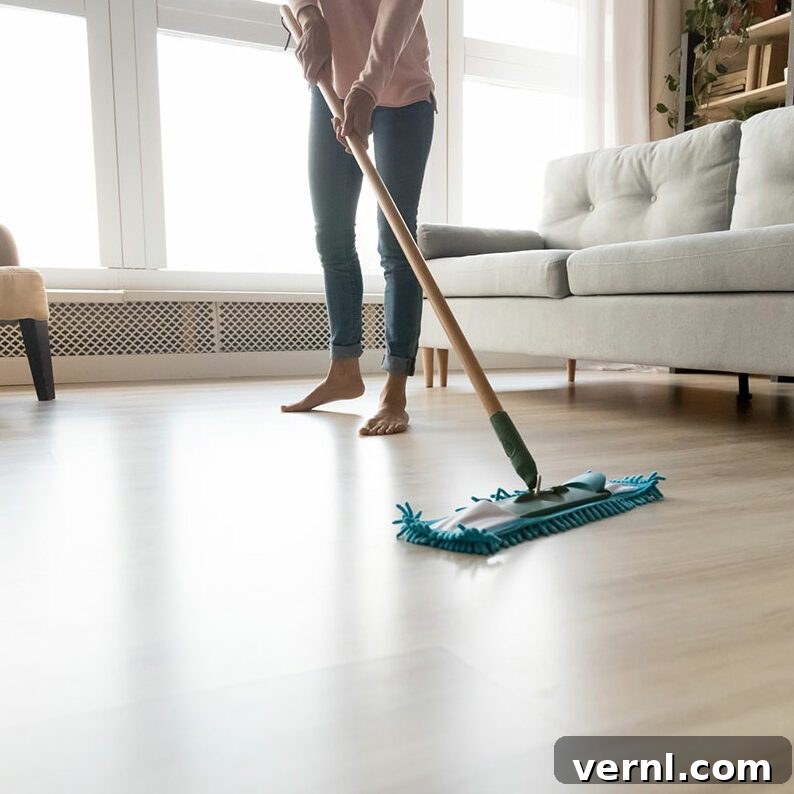
The Ultimate Guide to Cleaning and Maintaining Laminate Floors for Lasting Beauty
Laminate flooring has become a favored choice for homeowners due to its versatility, affordability, and ability to mimic the luxurious appearance of natural wood or stone. Its layered construction offers impressive durability and resistance to scratches, fading, and stains, making it an excellent option for busy households. However, to truly preserve its aesthetic appeal and extend its lifespan, laminate floors require a specific and gentle approach to cleaning and maintenance. Unlike hardwood, laminate cannot be sanded or refinished, emphasizing the critical importance of proper care from day one.
This in-depth guide is designed to empower you with all the knowledge and techniques needed to keep your laminate floors looking spectacular for many years. We’ll explore everything from routine daily upkeep to tackling stubborn messes, providing practical advice, identifying essential tools, and highlighting common mistakes to avoid. By following these expert tips, your laminate floors will continue to be a source of pride and beauty in your home.
Understanding the Unique Composition of Laminate Floors
Before delving into cleaning methods, it’s beneficial to grasp the fundamental structure of laminate flooring. This understanding underpins why certain cleaning practices are recommended and others should be avoided. Laminate is a synthetic flooring product composed of multiple layers fused together through a lamination process. Typically, these layers include:
- The Wear Layer: This transparent, uppermost layer is the floor’s primary defense. It’s highly resistant to scratches, dents, fading from UV light, and everyday stains. Its integrity is crucial for the floor’s longevity and appearance.
- The Design Layer: Beneath the wear layer lies a high-resolution photographic image. This is what gives laminate its realistic look, replicating the grain of wood, the texture of stone, or intricate tile patterns.
- The Core Layer: The heart of the laminate plank is usually a high-density fiberboard (HDF) or particle board. This layer provides stability, impact resistance, and is susceptible to moisture damage.
- The Backing Layer: The bottom-most layer, often treated with melamine resin, serves as a moisture barrier. It helps to stabilize the plank, preventing warping and providing a balance against the top layers.
This multi-layer construction makes laminate resilient, but the HDF core means that excessive moisture is its Achilles’ heel. Water can penetrate seams, causing the core to swell, buckle, or delaminate – damage that is often irreversible. This is the cardinal rule to remember when cleaning laminate floors.
Essential Daily and Weekly Maintenance for Laminate Floors
Consistent, gentle cleaning is the most effective way to maintain the beauty of your laminate floors. Regular upkeep prevents the accumulation of dirt, dust, and grit, which can act like sandpaper and gradually scratch the protective wear layer.
1. Daily Dusting and Sweeping
Make a habit of daily light cleaning, especially in high-traffic areas. Use a soft-bristled broom or, even better, a microfiber dust mop. Microfiber mops are excellent at attracting and trapping dust, pet hair, and small debris without scratching the surface. This simple step is fundamental in preventing abrasive particles from being tracked across your floors.
2. Regular Vacuuming (with Caution)
For a more thorough removal of embedded dirt and debris, vacuum your laminate floors at least once or twice a week. It is absolutely crucial to use a vacuum cleaner designed for hard floors or one with a “hard floor” setting. This setting typically disables the rotating beater bar or brush roll. **Never use a vacuum with an activated beater bar on laminate floors**, as its stiff bristles can scratch and dull the protective wear layer. Utilize soft brush attachments for reaching into corners and along baseboards.
Deep Cleaning Your Laminate Floors: The “Damp Mopping” Method
While routine maintenance handles surface dirt, your laminate floors will occasionally require a deeper clean to remove grime, footprints, and restore their original luster. This process involves light mopping, but with extreme care regarding moisture.
The Golden Rule of Laminate Mopping: Use Minimal Moisture
As discussed, laminate’s core is vulnerable to water. Therefore, the absolute most important principle when cleaning laminate with liquids is to use as little moisture as possible. Standing water or overly damp mops will inevitably lead to water seeping into the seams, causing irreparable swelling and warping. Think “damp,” not “wet.”
1. Choosing the Right Mop and Solution
- Mop Selection: Opt for a microfiber mop system, preferably one with an integrated spray bottle that allows you to control the amount of liquid applied. Flat mops that can be thoroughly wrung out are also suitable. Avoid traditional string mops or sponge mops, as they tend to retain too much water and can leave puddles.
- Cleaning Solutions:
- Laminate-Specific Cleaners: Many manufacturers produce cleaning solutions specifically formulated for laminate floors. These are typically pH-neutral, evaporate quickly, and are designed to clean effectively without leaving streaks or residue. Always follow the product instructions.
- Diluted Vinegar Solution (Use with Caution): A mixture of one cup of white vinegar to one gallon of warm water can be an effective natural cleaner and disinfectant. However, some laminate manufacturers advise against vinegar, suggesting it can potentially dull the finish over a long period. Always test in an inconspicuous area first.
- Very Mild Dish Soap Solution: If absolutely necessary, a few drops (no more than half a teaspoon) of mild dish soap mixed into a gallon of warm water can work. Be extremely sparing, as too much soap will leave a sticky residue that attracts dirt and causes streaks.
- What to AVOID: Stay away from harsh abrasive cleaners, oil-based soaps, wax polishes, and any cleaning products containing bleach, ammonia, or strong detergents. These can damage the wear layer, leave a dull film, or create a slippery surface.
- No Steam Cleaners: Despite their appeal for deep cleaning, steam cleaners are a definite no-go for laminate floors. The combination of high heat and moisture can cause significant and permanent damage to the core layer and the adhesive that binds the layers.
2. The Step-by-Step Damp Mopping Process
- Prepare the Floor Thoroughly: Before introducing any liquid, always sweep or vacuum your laminate floors diligently to remove all loose dirt and debris. Mopping over grit will only smear it around and potentially scratch the floor.
- Damp Mop, Do Not Wet Mop: If using a spray mop, lightly mist a small section of the floor, usually about a 3×3 or 4×4 foot area. If using a bucket and a flat mop, wring out the mop head until it is barely damp. It should feel almost dry to the touch, not dripping wet.
- Clean in Small Sections: Work systematically across the room, focusing on one small section at a time. This ensures that no moisture remains on the floor for too long.
- Wipe Dry Immediately: This is a crucial step for preventing water damage and streaks. After mopping a section, immediately follow up with a clean, dry microfiber cloth to wipe the area completely dry. Ensure no moisture is left pooling in seams or on the surface.
- Maintain Mop Cleanliness: If your mop head becomes visibly dirty, rinse it thoroughly with clean water and wring it out completely before continuing to the next section. For spray mops, replace dirty pads as needed.
- Allow to Air Dry (Briefly): Although you’ve wiped it dry, allow the floor to air dry completely for a few minutes before walking on it to prevent footprints or accidental slips.
For a visual demonstration of proper laminate floor cleaning techniques, please watch this informative video:
Laminate Floor Care: Essential Dos and Don’ts
Adhering to these guidelines will significantly prolong the life and beauty of your laminate flooring:
DO:
- DO sweep, dust mop, or vacuum your laminate floors regularly (daily to weekly).
- DO use a soft-bristled broom or a vacuum with a hard floor setting (beater bar OFF).
- DO clean spills, especially liquids, immediately and thoroughly to prevent moisture absorption.
- DO use a barely damp microfiber mop for cleaning, ensuring the floor is dried quickly.
- DO opt for cleaning products specifically formulated for laminate floors.
- DO place walk-off mats or rugs at all entryways to trap dirt, grit, and moisture before it reaches your floors.
- DO attach felt or rubber furniture pads to the legs of all furniture (chairs, tables, sofas) to prevent scratches and dents.
- DO trim pet nails regularly to minimize potential scratching from their claws.
- DO use protective mats under rolling office chairs or in other high-traffic, high-impact areas.
- DO lift furniture when moving it, rather than dragging it across the floor.
- DO test any new cleaning product or DIY solution in an inconspicuous area first to ensure it doesn’t damage or discolor the finish.
DON’T:
- DON’T use excessive water or “wet mop” your laminate floors, as this can lead to irreversible damage.
- DON’T use steam cleaners on laminate flooring; the heat and moisture combination is highly damaging.
- DON’T use abrasive cleaners, steel wool pads, or scouring powders, which will scratch and dull the wear layer.
- DON’T apply wax, polish, or oil-based soaps to laminate floors; these products can leave a dull, sticky film and make the floor slippery.
- DON’T use harsh chemicals like bleach, ammonia-based cleaners, or strong detergents, as they can strip or damage the protective finish.
- DON’T allow spills to sit on the floor for any length of time; wipe them up as soon as they occur.
- DON’T use a vacuum cleaner with a rotating beater bar engaged, as it can scratch the surface.
- DON’T drag heavy furniture, appliances, or sharp objects directly across the laminate without proper protection.
Tackling Specific Stains and Common Laminate Floor Issues
Even with diligent care, accidents can happen. Here’s how to address specific challenges effectively without damaging your floors:
1. Scuffs and Heel Marks
For minor scuffs and shoe heel marks, often a gentle rub with a pencil eraser or a clean, soft cloth lightly dampened with a laminate floor cleaner will remove them. Avoid aggressive scrubbing which can damage the finish.
2. Sticky Substances (Gum, Tar, Wax)
Allow the substance to harden completely. Then, very carefully scrape it off using a plastic scraper, an old credit card, or a dull knife held at a shallow angle. For gum, applying an ice cube in a plastic bag to freeze it can make it easier to remove. Any residue can be cleaned with a cloth slightly dampened with mineral spirits (for tar) or rubbing alcohol, immediately followed by a wipe with a clean, damp cloth and then dried.
3. Ink, Crayon, or Marker Stains
For ink or crayon, a small amount of rubbing alcohol on a clean cloth is often effective. For more stubborn permanent marker, a tiny drop of nail polish remover (acetone) on a cotton swab might work, but use with extreme caution and always test in an inconspicuous area first, as acetone can be harsh. Always wipe the area immediately with a clean, damp cloth and dry thoroughly afterward.
4. Food Stains (Grease, Chocolate, Wine, Blood)
Wipe these stains up immediately with a clean, damp cloth. For any lingering spots, use a laminate-specific cleaner or a highly diluted mild soap solution. Rinse with a clean, damp cloth and dry completely.
5. Dullness or Streaks
Dullness or streaking is almost invariably caused by using too much cleaning solution, improper rinsing, or using a cleaner not suitable for laminate floors. The solution is to remove the accumulated residue. Damp mop the affected area with plain warm water (or a very diluted vinegar solution, if approved by your manufacturer), immediately wiping dry with a clean, dry microfiber cloth. You may need to repeat this process several times to fully strip away the residue and restore the floor’s original sheen.
Long-Term Protection and Maintenance Schedule for Pristine Laminate
Consistency and proactive measures are key to ensuring your laminate floors remain beautiful and durable for years to come. Consider adopting this general maintenance schedule:
- Daily: Perform a quick sweep or dust mop in high-traffic areas and promptly clean any spills.
- Weekly: Thoroughly sweep or vacuum all laminate floors, and damp mop as needed for deeper cleaning or to address general grime.
- Monthly/Quarterly: Inspect furniture pads and replace any that are worn. Address any specific stains or scuffs that may have occurred.
- Annually: Conduct a comprehensive review of your entire laminate flooring, paying close attention to areas near entryways, kitchens, and bathrooms for any signs of wear, minor damage, or potential moisture infiltration. Address any issues promptly.
Conclusion: Safeguarding the Beauty and Investment of Your Laminate Floors
Laminate flooring represents an excellent investment for any home, offering a compelling blend of aesthetic appeal, impressive durability, and cost-effectiveness. However, its lasting beauty and longevity are directly tied to the quality of care it receives. By thoroughly understanding the unique properties of laminate and consistently applying the “less is more” principle, especially regarding moisture, you can effortlessly maintain its pristine condition.
Embracing a routine of regular sweeping, careful vacuuming, and judicious damp mopping with appropriate, gentle cleaners will effectively prevent abrasive damage, eliminate unsightly streaks, and keep your floors shining for decades. These simple yet powerful cleaning and maintenance routines are your best defense against wear and tear, ensuring your laminate floors continue to enhance the comfort and elegance of your living spaces for many years to come.
For additional expert insights and tips on floor care, visit: How To Clean Laminate Floors