To Rake or Not to Rake: The Ultimate Guide to Fall Leaf Management
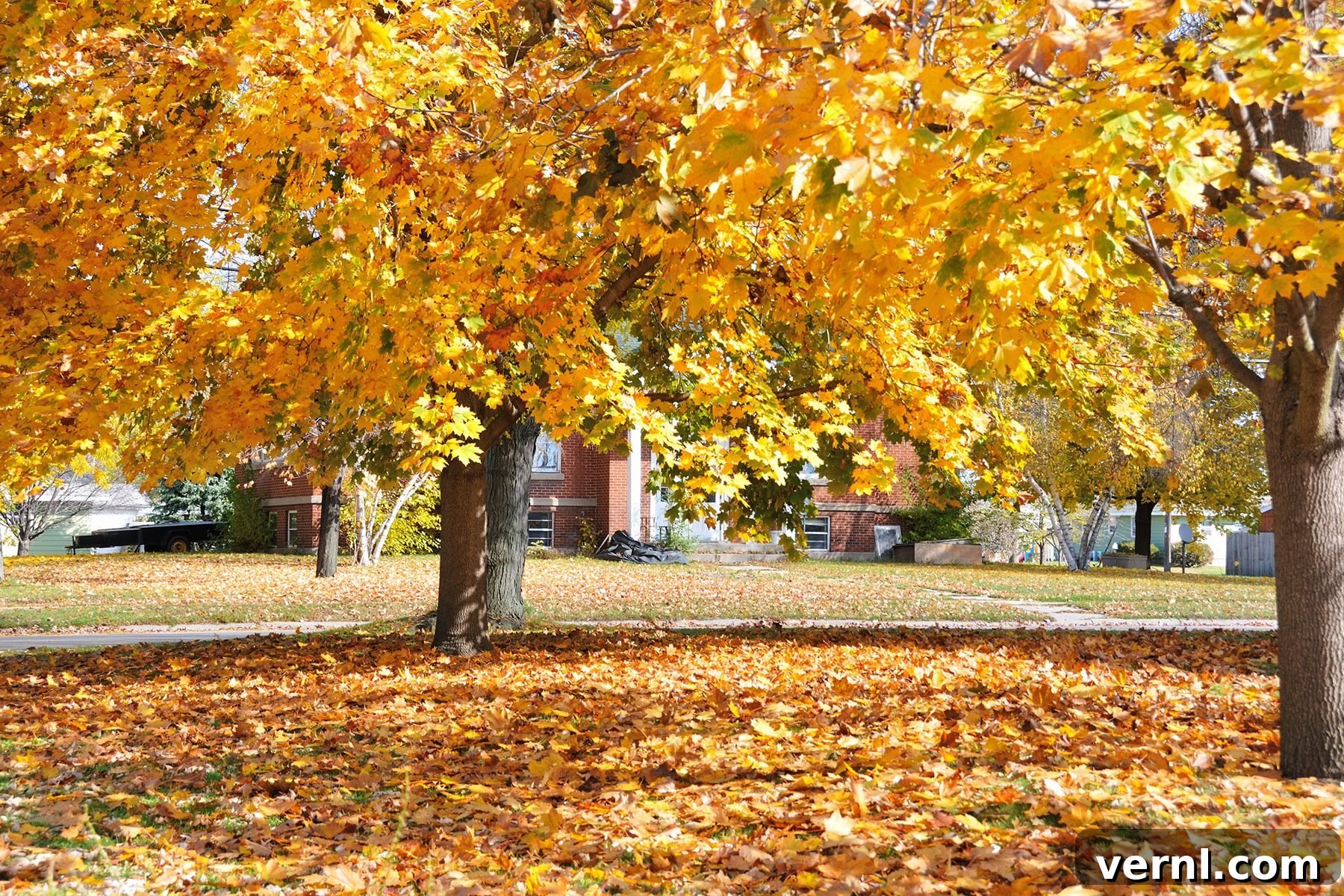
As autumn paints our landscapes with vibrant hues, the annual debate of whether to rake leaves or let them be resurfaces. For many, especially those in regions like New England, raking leaves is a quintessential fall ritual. It’s almost ingrained in our understanding of what it means to prepare our yards for winter. The expectation is often to meticulously clear every last leaf before the first snowfall. However, in recent years, this traditional approach has come under scrutiny, with a growing movement advocating for a more environmentally conscious practice: leaving the leaves in place. But which is the right choice for your lawn, your environment, and your lifestyle?
This comprehensive guide delves into the core of this debate, weighing the advantages and disadvantages of both leaf raking and leaving leaves, helping you make an informed decision for your property. We’ll explore the aesthetics, health of your lawn, the environment, and how personal preferences and specific circumstances influence the best course of action. We’ll also incorporate valuable insights from Shawn Doucette, owner of Facility Maintenance Solutions, to provide a well-rounded perspective on this important fall task.
The Case for Raking Your Leaves: Benefits and Considerations
Before you completely abandon the rake, let’s examine the compelling reasons why many homeowners still choose to diligently clean up their leaves each fall. While the environmental benefits of leaving leaves are substantial, raking offers several tangible advantages for your property’s appearance, health, and safety.
- Enhanced Aesthetics and Curb Appeal: A meticulously raked lawn undeniably presents a neat and tidy appearance. A clean yard significantly boosts your home’s curb appeal, contributing to a more welcoming and visually pleasing environment. There’s a certain satisfaction in the completion of this seasonal chore, a visual cue that your property is well-maintained and cared for.
- Preventing Plant Fungus and Disease: Unraked leaves, especially when damp, can create a breeding ground for mold and fungal spores. These pathogens can readily spread to nearby bushes, shrubs, and other landscaping features, potentially causing disease and damage. Raking helps to prevent this spread by removing the moist environment conducive to fungal growth.
- Promoting Lawn Health and Vigor: Thick, unraked layers of leaves can effectively smother your grass, depriving it of sunlight and oxygen. This can lead to the formation of dead, yellow patches on your lawn, especially noticeable in the spring. As Shawn Doucette of Facility Maintenance Solutions emphasizes, “It’s good to have oxygenated soil, and you’ll end up with dead, yellow spots on your lawn in the spring if you don’t rake.” By removing excess leaf cover, you ensure your grass receives adequate sunlight and air circulation, vital for its health and vitality.
- Improving Safety on Your Property: Leaves can obscure uneven ground, potholes, or other trip hazards, posing risks to you, your family, and any guests. Slippery leaves, particularly those from oak trees, can also increase the risk of falls. Raking minimizes these potential dangers, creating a safer environment for everyone.
The Case for Leaving Your Leaves: Embracing Natural Benefits
Now, let’s explore the compelling arguments for embracing a more hands-off approach to leaf management. Leaving leaves in place can offer several ecological and practical benefits, transforming a perceived chore into a contribution to your yard’s ecosystem.
- Natural Nutrient Recycling and Soil Enrichment: As leaves decompose, they break down and release valuable nutrients back into the soil. This process acts as a natural fertilizer, enriching the soil with essential minerals and organic matter. This natural fertilization reduces your reliance on synthetic fertilizers, saving you money and contributing to a healthier lawn in the long run.
- Supporting Biodiversity and Habitat Creation: Decaying leaf litter serves as a crucial habitat for a multitude of microorganisms, insects, and small animals. These creatures rely on the leaf layer for shelter, food, and a safe place to overwinter. By leaving the leaves, you’re fostering a thriving ecosystem within your yard, promoting biodiversity and supporting a complex web of life.
- Freeing Up Valuable Time and Effort: Letting leaves lie eliminates the time-consuming chore of raking, allowing you to enjoy more of the beautiful fall weekends with friends and family. This can be a significant advantage for those with busy schedules or physical limitations.
- Reducing Allergen Exposure: Leaves can trap and harbor pollen, dust, and other allergens. Repeatedly raking and moving leaves can stir up these irritants, increasing your exposure. By leaving the leaves in place or using a mulching mower, you minimize the release of these allergens into the air.
- Natural Weed Suppression: Strategic placement of leaf piles or thick layers of leaves around shrubs and in landscaping beds can act as a natural weed barrier. The leaves block sunlight, preventing weed seeds from germinating and taking root. This reduces the need for herbicides and contributes to a healthier garden.
Deciding What’s Right for You: Making the Best Choice
The decision of whether to rake or leave your leaves often boils down to a balance of personal preferences, environmental concerns, and practical considerations. Several factors should influence your decision-making process.
Consider your local climate. In consistently wet environments, unraked leaves tend to become damp and moldy more rapidly. In such conditions, raking may be essential to minimize the risk of spreading fungal diseases and reducing air allergens. Similarly, in drier climates, or areas prone to wildfires, raking leaves is important to prevent a build-up of flammable materials that could fuel a fire. Regularly removing leaves can help prevent unwanted fires.
Homeowner’s associations (HOAs) often dictate the appearance of homes within their jurisdiction. If you live in a community governed by an HOA, it’s highly likely that you are required to rake your leaves. Most HOAs have established landscaping standards and may provide or require specific services related to fall cleanup. Always consult your HOA guidelines for rules and deadlines regarding leaf removal.
Another factor is the type of lawn you have. Lawns with thicker grass may handle a moderate amount of leaf cover better than lawns with thinner grass. Evaluate your lawn’s condition and adjust your approach accordingly.
Consider the equipment available to you. While raking is the traditional method, you can also use a mulching mower. These mowers chop the leaves into tiny pieces and return them to the lawn as a natural fertilizer. This combines the benefits of leaving the leaves with a tidier appearance.
Finally, your personal comfort level with the appearance of your yard is important. If you prioritize a pristine, manicured lawn, raking is likely the better option. If you value environmental sustainability and are less concerned with a perfectly tidy appearance, leaving the leaves can be a rewarding choice.
By carefully evaluating these factors, you can make an informed decision that aligns with your priorities and ensures a healthy, thriving landscape.
Expert Insights: Shawn Doucette of Facility Maintenance Solutions
To further enhance our understanding of leaf management, we sought expert insights from Shawn Doucette, owner of Facility Maintenance Solutions. Mr. Doucette’s expertise provides a practical, real-world perspective on the complexities of fall lawn care. As a full-service property maintenance company, Facility Maintenance Solutions offers a comprehensive suite of interior and exterior services, including landscaping. Mr. Doucette shared valuable points based on his years of experience to make the most informed decision.
The key takeaway from his insight is that the best approach often varies depending on the specific property and circumstances. Some clients want a pristine lawn, while others value the environmental benefits of leaving the leaves. He points out that proper planning is very important. Understanding the specific needs of your lawn, the local climate, and any HOA requirements is crucial.
The most important thing, according to Mr. Doucette, is to have a plan. Don’t wait for the last minute. Evaluate your options, and pick the best course of action that fits you and your property.
Conclusion: Embrace the Fall and Choose Wisely
The decision to rake or leave your leaves is not a one-size-fits-all answer. Both approaches offer unique advantages. Raking provides a clean, manicured look while helping manage potential lawn and plant issues, while leaving the leaves supports the ecosystem and reduces labor. By considering your location, your lawn’s health, and your personal preferences, you can make a choice that enhances your property’s beauty and contributes to its long-term well-being. Ultimately, the best course of action is the one that aligns with your values and ensures a healthy, vibrant landscape throughout the fall and beyond.